
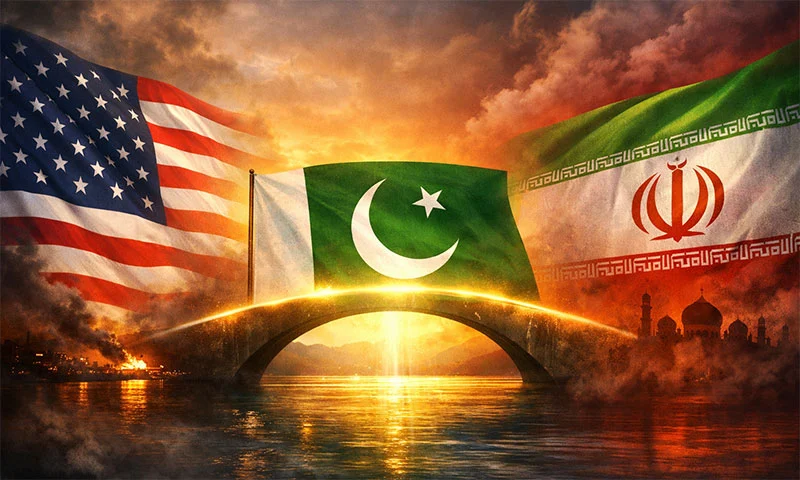
A fragile ceasefire between the United States and Iran has opened a narrow diplomatic window after weeks of war, but the pause has raised a bigger question across the region and beyond: what happens next? The two sides agreed to a provisional two-week halt in hostilities after U.S. President Donald Trump suspended planned bombing operations against Iran, saying the move followed conversations with Prime Minister Shehbaz Sharif and Field Marshal Asim Munir of Pakistan. Trump said the pause was tied to Iran’s agreement to the “complete, immediate, and safe opening of the Strait of Hormuz,” a waterway vital to global energy supplies. Iran later confirmed that it would allow safe passage for a two-week period in coordination with its armed forces, while also making clear that this was not yet the end of the war. A ceasefire, not a settlement For now, the ceasefire appears to be a pause rather than a peace deal. Reports from Washington, Tehran and regional capitals suggest both sides still have deep disagreements over sanctions, military activity, Iran’s nuclear program and the future rules governing transit through the Strait of Hormuz. Iran’s response to the latest U.S. proposals reportedly came in the form of a 10-point framework sent through Pakistan, with Tehran pressing for a more durable settlement rather than a short-term military pause. Trump has described that framework as a “workable basis” for further negotiations, but many of the hardest issues remain unresolved. That is why the next phase matters more than the ceasefire announcement itself. The immediate test will be whether the pause holds on the ground, whether military commands on all sides fully implement it, and whether the diplomatic channel can move quickly enough to prevent another slide into open war. U.S. and Iranian officials have both signaled that military readiness remains in place. Even after the truce was announced, reports pointed to continued alerts and sporadic strikes, underlining just how volatile the situation remains. Pakistan’s mediation moves to the center Pakistan has placed itself at the center of this diplomatic opening. Islamabad first pushed for a two-week extension to Trump’s deadline and urged Iran to reopen the Strait of Hormuz as a goodwill step. Those efforts helped create space for the ceasefire deal that followed. Reuters reported that Pakistan appealed to both sides at a moment when the risk of a major escalation was acute, while other reports said Tehran communicated its response through Pakistani channels. The Pakistani role became even more visible after the ceasefire took shape. Prime Minister Shehbaz Sharif said on X that Iran and the United States, along with their allies, had agreed to an immediate ceasefire and invited both delegations to Islamabad on April 10 for talks aimed at reaching what he called a “conclusive agreement” to settle all disputes. He wrote, “We earnestly hope, that the ‘Islamabad Talks’ succeed in achieving sustainable peace and wish to share more good news in coming days.” Trump also publicly acknowledged Pakistan’s role. In remarks cited by APP from his social media statement, he said: “Based on conversations with Prime Minister Shehbaz Sharif and Field Marshal Asim Munir, of Pakistan, and wherein they requested that I hold off the destructive force being sent tonight to Iran, and subject to the Islamic Republic of Iran agreeing to the complete, immediate, and safe opening of the Strait of Hormuz, I agree to suspend the bombing and attack of Iran for a period of two weeks.” Iranian Foreign Minister Seyed Abbas Araghchi also thanked Shehbaz Sharif and Asim Munir for what APP described as tireless efforts to end the war. What the world will watch now The first major checkpoint is Islamabad. Several reports say U.S.-Iran talks are expected there on April 10, with the goal of turning a temporary ceasefire into a broader settlement. If those talks begin as planned, negotiators will likely focus on four urgent issues: keeping the Strait of Hormuz open, preventing renewed attacks on civilian and energy infrastructure, defining the scope of any longer ceasefire, and testing whether a wider political understanding is possible. The second checkpoint is the regional battlefield. Israel has indicated that the ceasefire does not automatically cover every front, especially Lebanon, where conflict with Hezbollah remains active according to multiple reports. That means the risk of spillover has not disappeared, even if direct U.S.-Iran escalation has slowed for now. In practical terms, any strike by a proxy force, any disruption to shipping, or any fresh retaliation could still shatter the truce before diplomacy has time to take root. The third checkpoint is the global economy. Financial markets reacted with relief after the ceasefire announcement, with oil prices falling and stocks rising on hopes that energy flows through Hormuz would stabilize. But analysts have warned that a short truce cannot by itself restore confidence unless it leads to a more durable agreement. As long as the region remains on edge, the threat to oil supplies, shipping insurance, inflation and broader investor confidence will remain. A narrow opening, not the end of the crisis The ceasefire has given diplomacy a chance, but only a chance. It has not resolved the war’s underlying causes, it has not guaranteed regional calm, and it has not removed the possibility of another rapid escalation. What it has done is create a brief opening in which Pakistan has emerged as a key intermediary, the United States has stepped back from immediate strikes, and Iran has agreed to talk while holding to its broader demands. The success or failure of the next few days, especially the planned April 10 talks in Islamabad, may determine whether this becomes the start of a negotiated settlement or only an uneasy pause before another round of conflict.
After 5-Day Pause, US President Donald Trump Extends Iran Attack Halt by 10 More Days
US President Donald Trump has announced a fresh 10-day pause on attacks targeting Iran’s energy infrastructure, just three days after initially ordering a 5-day halt. The move signals a cautious shift toward diplomacy, even as tensions between the two sides remain high. Trump said negotiations are “going very well,” but added that he is not certain whether the United States will ultimately reach a deal with Iran. From 5 Days to 10 Days, A Window for Diplomacy The United States had first paused strikes for five days to allow space for talks. Now, that pause has been extended by another 10 days, giving both sides more time to negotiate and avoid further escalation. Reports indicate that the new deadline will run until April 6, during which diplomatic engagement is expected to intensify. The extension suggests that discussions have shown some progress, or at least that Washington is willing to give diplomacy a longer chance. Mixed Signals on a Possible Deal Despite the extension, Trump’s remarks reflect uncertainty. While he praised ongoing talks, he clearly stated that he does not know if the US is willing to make a deal with Iran. This dual messaging highlights a strategy where military pressure and diplomacy are being used at the same time. Iran, meanwhile, has reportedly raised concerns over certain US conditions, making negotiations more complex. Why Energy Targets Matter Iran’s energy infrastructure has been a central focus of US strategy in the conflict. Strikes on these facilities can disrupt global oil supply, making them a powerful tool in both economic and military terms. The pause in attacks has provided temporary relief to global markets, though uncertainty continues to drive volatility. Oil prices have remained elevated due to fears of supply disruption, especially around the Strait of Hormuz, a key global shipping route. Global Mediation Efforts Underway Several countries are actively working to mediate between Washington and Tehran. These diplomatic efforts aim to reduce tensions and prevent a wider regional conflict. However, major differences remain, particularly over Iran’s nuclear program and its regional influence. A Critical Moment for the Conflict The additional 10-day pause creates a narrow but important window for diplomacy. Trump has warned that if talks fail, attacks on Iran’s energy facilities could resume. For now, the situation remains fragile, with both sides balancing negotiation and confrontation. The coming days are likely to determine whether this pause leads to a breakthrough or a renewed escalation.
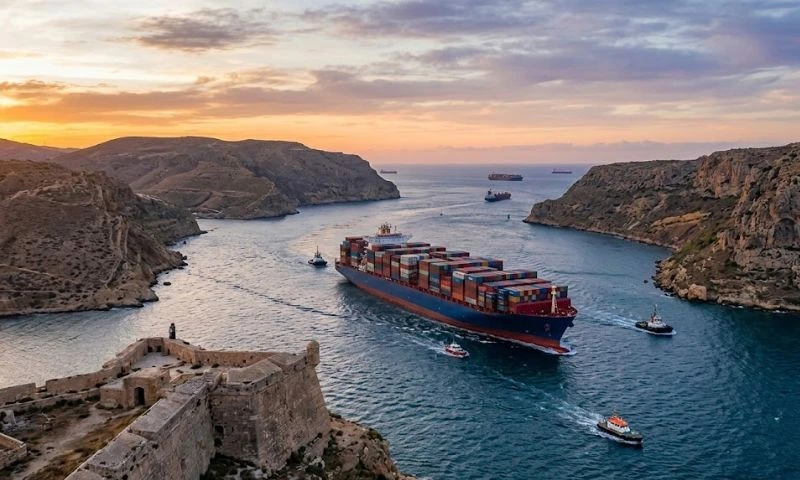
The Secret Map of Global Trade: Six Tiny Waterways That Could Crash the Global Economy
The global economy is not a static machine but a flowing river. Much of this flow happens on the open sea. Approximately 80 percent of global trade by volume moves across the oceans. This massive system depends on six critical shipping lanes. These narrow passages act as the primary arteries of international commerce. If one is blocked, the world feels the impact immediately through rising prices and empty shelves. The Strait of Hormuz: The Worlds Energy Tap The Strait of Hormuz is arguably the most vital chokepoint on the planet. Located between Oman and Iran, it connects the Persian Gulf with the Gulf of Oman and the Arabian Sea. According to the U.S. Energy Information Administration, “The Strait of Hormuz is the world’s most important oil transit chokepoint.” About 21 million barrels of oil pass through this narrow stretch daily. This represents 21 percent of global petroleum liquid consumption. Because there are few alternative routes for Gulf oil, any closure here could cause a global energy crisis. Read More: Strait of Hormuz Closure Sparks Global Shipping Crisis and Higher Costs The Malacca Strait: Asia’s Economic Gateway Further east lies the Malacca Strait. This narrow stretch between Indonesia and Malaysia is the primary gateway between the Indian and Pacific Oceans. It handles more than 90,000 vessels annually. It carries 25 percent of the world’s traded goods. This includes massive amounts of Chinese oil imports and manufactured products bound for Europe and the Americas. Its narrowest point is only 1.5 miles wide, creating a natural bottleneck for global shipping. The Suez Canal: The Essential Shortcut In the Middle East, the Suez Canal remains a legendary shortcut. Connecting the Mediterranean to the Red Sea, it allows ships to avoid the long journey around Africa. It handles roughly 12 percent of global trade. When the Ever Given ship got stuck in 2021, it halted nearly 10 billion dollars in trade every day. This event proved how much the modern world relies on this single canal. The Bab el Mandeb: The Gate of Tears The Bab el Mandeb sits between Yemen and Djibouti. It links the Red Sea to the Gulf of Aden. Security here is often tense due to regional conflicts and piracy. This passage is vital for European energy security because it carries millions of barrels of oil and liquefied natural gas daily. Without it, ships would have to navigate the Cape of Good Hope, adding weeks to their journeys. The Panama Canal and Turkish Straits Across the Atlantic, the Panama Canal serves as the bridge between the two great oceans. Unlike the others, this is a human made system of locks. It saves ships an 8,000 mile journey around South America. Recently, climate change and droughts have lowered water levels, forcing the canal authority to limit vessel weight. Finally, the Turkish Straits connect the Black Sea to the Aegean. These include the Bosphorus and the Dardanelles. They are essential for grain and oil exports from Russia and Central Asia. Read More: Strait of Hormuz Shutdown Sparks Fuel Shortage Fears: Five Ways Countries Can Reduce Fuel Use International trade is efficient but fragile. The United Nations Conference on Trade and Development notes that “disruptions to these maritime routes can lead to higher prices for consumers everywhere.” We must protect these lifelines to keep the world moving.
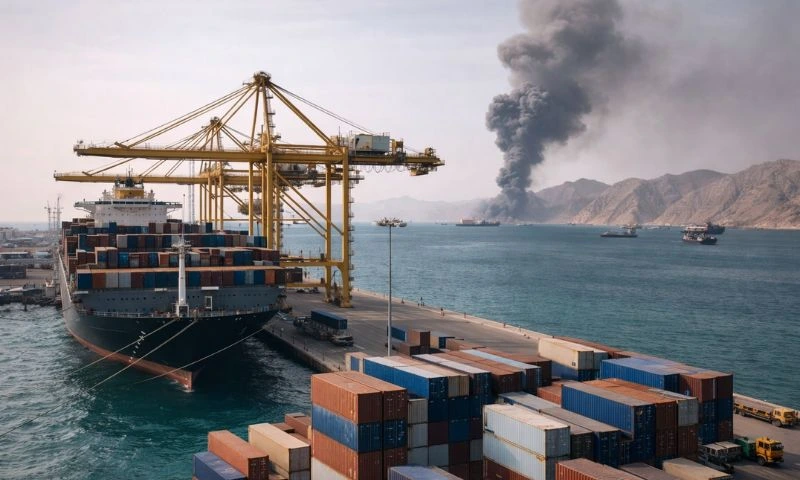
Strait of Hormuz Closure Sparks Global Shipping Crisis and Higher Costs
The escalating conflict in the Middle East has led to the closure of the Strait of Hormuz, a strategic maritime corridor critical for global energy and trade. This development is triggering major concerns among shipping companies, trade bodies and exporters, particularly in Pakistan, where a significant share of commerce and energy supplies depends on uninterrupted Gulf access. Global Trade at Risk The Strait of Hormuz, linking the Persian Gulf to the Gulf of Oman, is one of the world’s most essential shipping routes. Nearly 25 percent of the planet’s crude oil supply and large volumes of liquefied natural gas pass through this narrow channel each day. Its effective closure amid rising hostilities around the Gulf has alarmed maritime firms and economic stakeholders. Shipping giants and logistics partners have taken precautionary steps to protect crews and cargo amid heightened threats. Reports show that several major carriers have introduced war-risk and contingency surcharges, while others have suspended bookings and export cargo movement to Gulf destinations. Read More: Oil Prices Surge 10% as Iran Conflict Threatens Key Supply Routes, Analysts Warn $100 Oil Possible Impact on Pakistani Trade and Ports Pakistan’s trade ecosystem is particularly vulnerable due to its heavy reliance on Gulf routes for both exports and imports. The Pakistan Ships’ Agents Association (PSAA) warned that disruptions in Gulf services will likely push freight and insurance costs higher, slowing down the movement of goods. Mohammad A. Rajpar, PSAA Chairman, said that Pakistan’s trade “will suffer delays and additional costs” due to suspended services and shipping constraints. At the Karachi Gateway Terminal Limited (KGTL), authorities announced the temporary halt of new export bookings destined for Gulf ports. Operators stated that until security conditions improve, major markets in the United Arab Emirates, Iraq, Kuwait, Qatar and eastern Saudi Arabia will not be served via normal Gulf routes. Shipping Lines Respond to Risk Several global carriers have altered sailing plans due to the crisis. Hapag-Lloyd imposed booking stops for container cargo moving to the Gulf from Africa and other regions, introducing contingency surcharges that can reach $1,500 per standard container and $3,500 for reefer or special units. Maersk, a leading global shipping line, took the extraordinary step of pausing Trans-Suez services that pass through the Bab el-Mandeb Strait, rerouting them around the Cape of Good Hope to ensure safety. This shift is expected to add days to transit times and increase fuel consumption costs. DP World temporarily paused operations at Jebel Ali Port as a precautionary measure, while MSC (Mediterranean Shipping Company) suspended bookings for cargo destined for the Middle East until the security situation stabilizes. Read More: PIA Suspends Flights to UAE, Qatar, Kuwait and Bahrain After Middle East Tension Economic and Energy Concerns Experts warn that prolonged closure of the Strait of Hormuz could lead to severe disruptions in global energy markets. With Pakistan importing over $5.7 billion worth of crude petroleum annually, mainly from Saudi Arabia and the UAE, and total petroleum imports exceeding $10 billion, the implications could be severe for the nation’s energy security. The Federation of Pakistan Chambers of Commerce and Industry (FPCCI) said freight costs could rise by up to 300 percent, marine insurance premiums will continue climbing due to war-risk classification, and transit times to markets in the European Union, United Kingdom and United States could increase by up to 20 days. Such cost pressures threaten the competitiveness of Pakistani textile and manufactured exports. FPCCI President Atif Ikram Sheikh urged policymakers to adopt emergency measures to protect Pakistan’s fragile economy, stressing that the conflict’s spillover into trade and shipping could erode recent economic gains. Global Market Repercussions The Gulf conflict has already pushed crude prices higher worldwide, with oil markets reacting sharply to geopolitical instability. Higher freight, insurance and rerouting costs are expected to feed into inflation in importing nations. Global supply chains could also face prolonged disruptions if the Strait remains closed. Analysts warn that the world economy remains on edge as hostilities escalate with no clear resolution in sight.
Explained: The Root of the US–Iran Crisis and the Dangers Ahead
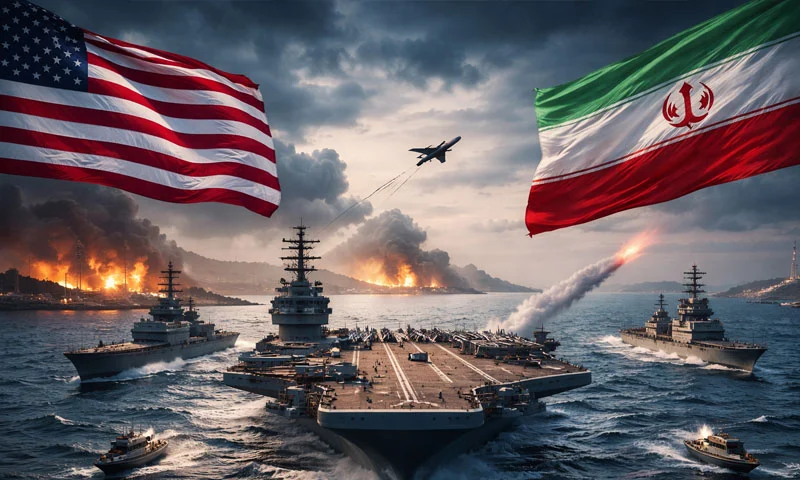
Tensions between the United States and the Islamic Republic of Iran have sharply increased in late January 2026, driven by renewed disputes over Iran’s nuclear program, continued internal unrest within Iran, and growing U.S. military pressure aimed at forcing Tehran back to negotiations. The escalation has raised serious concerns across the Middle East and beyond, with global powers closely watching developments due to their political, economic, and security stakes in the region. The Core Issue: Nuclear Program and Strategic Confrontation At the heart of the current standoff lies Iran’s nuclear program and Washington’s long-standing demand that Tehran permanently abandon any pathway toward nuclear weapons. The United States has reiterated that Iran must return to binding negotiations that impose strict and verifiable limits on its nuclear activities. President Donald Trump has publicly called on Iran to accept a new agreement focused on what he describes as a “no nuclear weapons” outcome, warning that failure to comply could result in military action. This nuclear dispute is not isolated. It is part of a broader strategic conflict that includes regional influence, sanctions enforcement, and long-running mistrust between the two countries following years of collapsed agreements and diplomatic disengagement. Human Rights Concerns and Domestic Unrest in Iran Alongside the nuclear issue, U.S. officials have cited Iran’s internal situation as a key concern. Washington has accused Iranian authorities of using excessive force against nationwide protests, with reports indicating large-scale civilian casualties. American leaders have linked these human rights concerns to their broader pressure strategy, arguing that Iran’s domestic conduct reflects its broader regional and international behavior. Tehran, however, rejects these accusations and views them as interference in its internal affairs. Military Build-Up and Pressure Tactics The escalation has been underscored by a visible U.S. military buildup in the Middle East. The United States has deployed a major naval carrier strike group, centered on the USS Abraham Lincoln, along with additional air and naval assets. Washington describes these deployments as defensive and deterrent in nature, intended to prevent regional instability. However, U.S. officials have also acknowledged that the military presence serves as leverage to push Iran toward negotiations. Iran has interpreted these moves as direct threats. In response, Tehran has conducted military exercises near the Strait of Hormuz and warned that any violation of its territorial waters would be met with force. Trump’s Position and Iran’s Rejection of Talks Under Threat President Trump has repeatedly stated that “time is running out” for diplomacy and that Iran must choose between negotiations and the risk of military confrontation. His administration has also expanded economic pressure, including new sanctions targeting Iranian oil shipments and related entities. Iran’s leadership has firmly rejected the idea of negotiating under coercion. Iranian officials have stated that no meaningful talks can occur in an environment dominated by military threats and economic punishment. Iran’s mission to the United Nations has warned that any U.S. attack would trigger a strong and unprecedented response. Potential Regional Consequences of a Military Conflict Analysts and regional officials warn that a U.S. attack on Iran could have far-reaching consequences. Iran maintains influence through allied groups and armed networks across Iraq, Syria, Lebanon, and Yemen. Any direct confrontation could therefore expand beyond Iran’s borders, increasing instability across the Middle East. The mere prospect of conflict has already heightened anxiety among regional governments, many of which fear being drawn into a wider confrontation. Global Oil Markets at Risk Iran remains a significant oil producer, with output estimated at over three million barrels per day. Rising tensions have already affected global energy markets, as traders factor in the risk of supply disruptions. A major concern is the Strait of Hormuz, a critical chokepoint through which a substantial portion of the world’s oil shipments pass. Any disruption to traffic through the strait could have immediate and severe consequences for global energy prices and economic stability. Reactions of Key Global Stakeholders China and Russia, both of which maintain strategic ties with Iran, have historically opposed unilateral military action by the United States. While neither has indicated support for a U.S. strike, both are expected to resist such action diplomatically and call for de-escalation. Pakistan, which seeks balanced relations with both Washington and Tehran, is unlikely to participate in any military action. However, a regional conflict could still affect Pakistan through economic pressures, energy price shocks, and potential refugee movements. Across the broader international community, calls for restraint and renewed diplomacy have grown louder. Several Gulf states have expressed concern that a full-scale conflict would destabilize the region and undermine economic and security interests. Outlook and Risks Ahead With diplomatic channels strained and military posturing intensifying, the current U.S.–Iran standoff represents one of the most serious escalations in recent years. The situation carries significant risks not only for the Middle East but also for global markets and international security. Whether the crisis moves toward renewed negotiations or further confrontation will likely depend on whether both sides find a way to reduce tensions without appearing to concede under pressure—a challenge that has repeatedly undermined past diplomatic efforts.
