
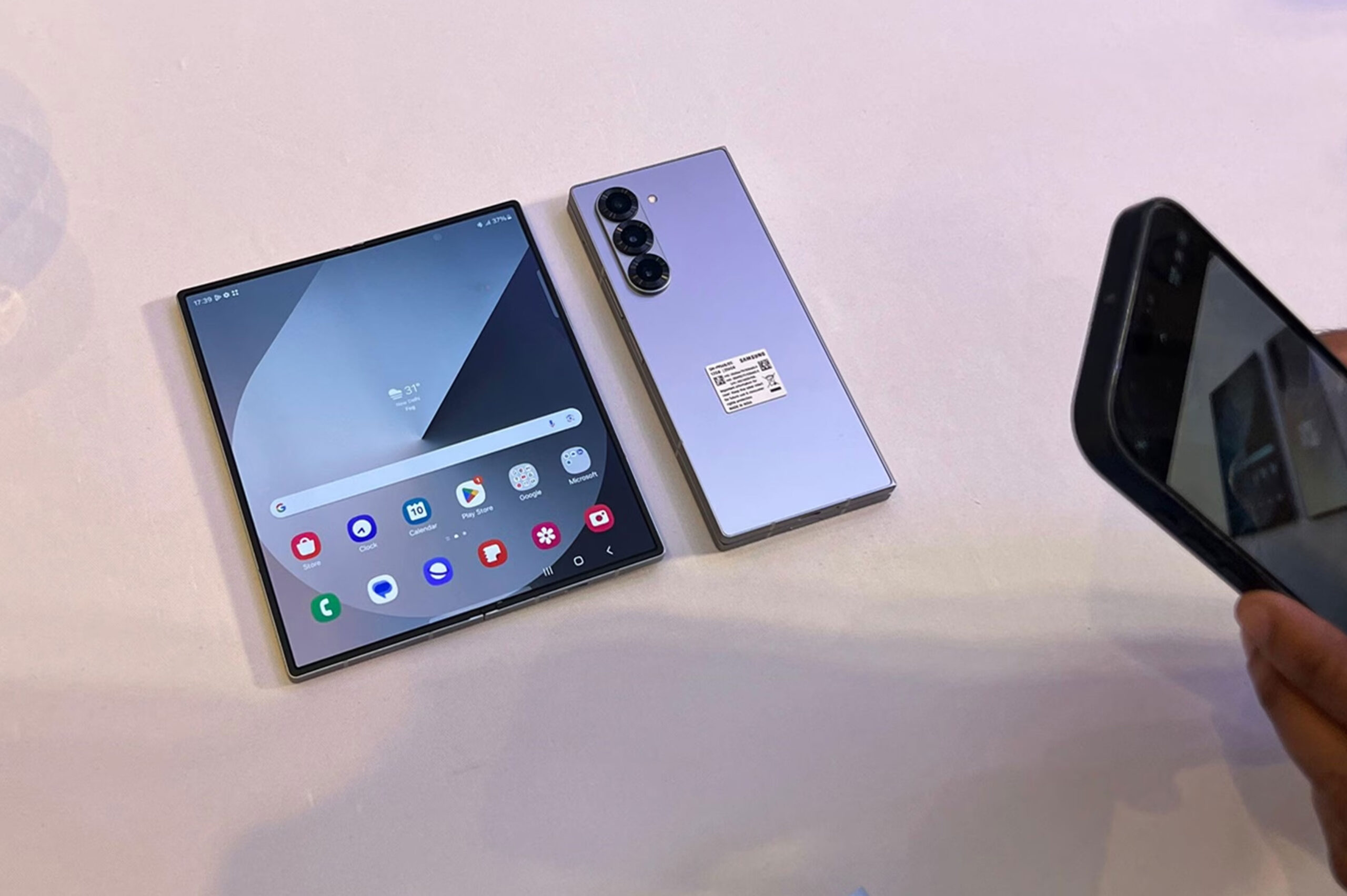
Samsung may be gearing up to redefine the foldable smartphone category once again with a new device that could challenge both its own lineup and Apple’s rumored foldable iPhone. According to a report from South Korea’s Etnews (translated into English), Samsung is developing a device internally dubbed the “Wide Fold”. The phone is expected to debut in the second half of 2026 and would offer a unique display design that differs from Samsung’s current Galaxy Z Fold and Z Flip series. The company has also experimented with three-panel designs in the Galaxy Z TriFold, hinting at its continued push for innovative form factors. A wider, more tablet-like screen The standout feature of the Wide Fold is its screen design. Sources suggest the device would sport a 7.6-inch internal display when unfolded and a 5.4-inch external screen when folded. Unlike Samsung’s typical tall and narrow foldables, the Wide Fold’s main display is reportedly closer to a 4:3 aspect ratio, giving it a wider and more square-like appearance. This design could fundamentally change how the device is used. A squarer screen is generally better suited for reading, web browsing, photo viewing, and document editing, offering an experience more akin to a small tablet than a traditional smartphone. It could also help apps adapt more naturally to foldable screens, reducing awkward stretching or formatting issues. A potential Apple showdown The Wide Fold’s design appears to echo rumors surrounding Apple’s own first foldable iPhone, expected around the same timeframe. Industry speculation suggests Apple’s device may feature an unfolded display of about 7.7 inches and a similar 4:3 aspect ratio. If both companies release foldables of comparable size and shape in 2026, it could mark the first direct competition between Samsung and Apple in this emerging market. Samsung has led the foldable category to date, but Apple’s entry could bring mainstream credibility to the format. What’s still unknown Details about the Wide Fold remain scarce. Pricing, camera specs, processor information, and global availability are all unconfirmed. It’s also unclear whether “Wide Fold” is just an internal codename or the device’s official name. Samsung typically unveils its new foldables during summer or early fall Galaxy events. If the rumor proves accurate, the Wide Fold may join the 2026 lineup alongside other Galaxy devices, potentially reshaping the foldable smartphone market once again.
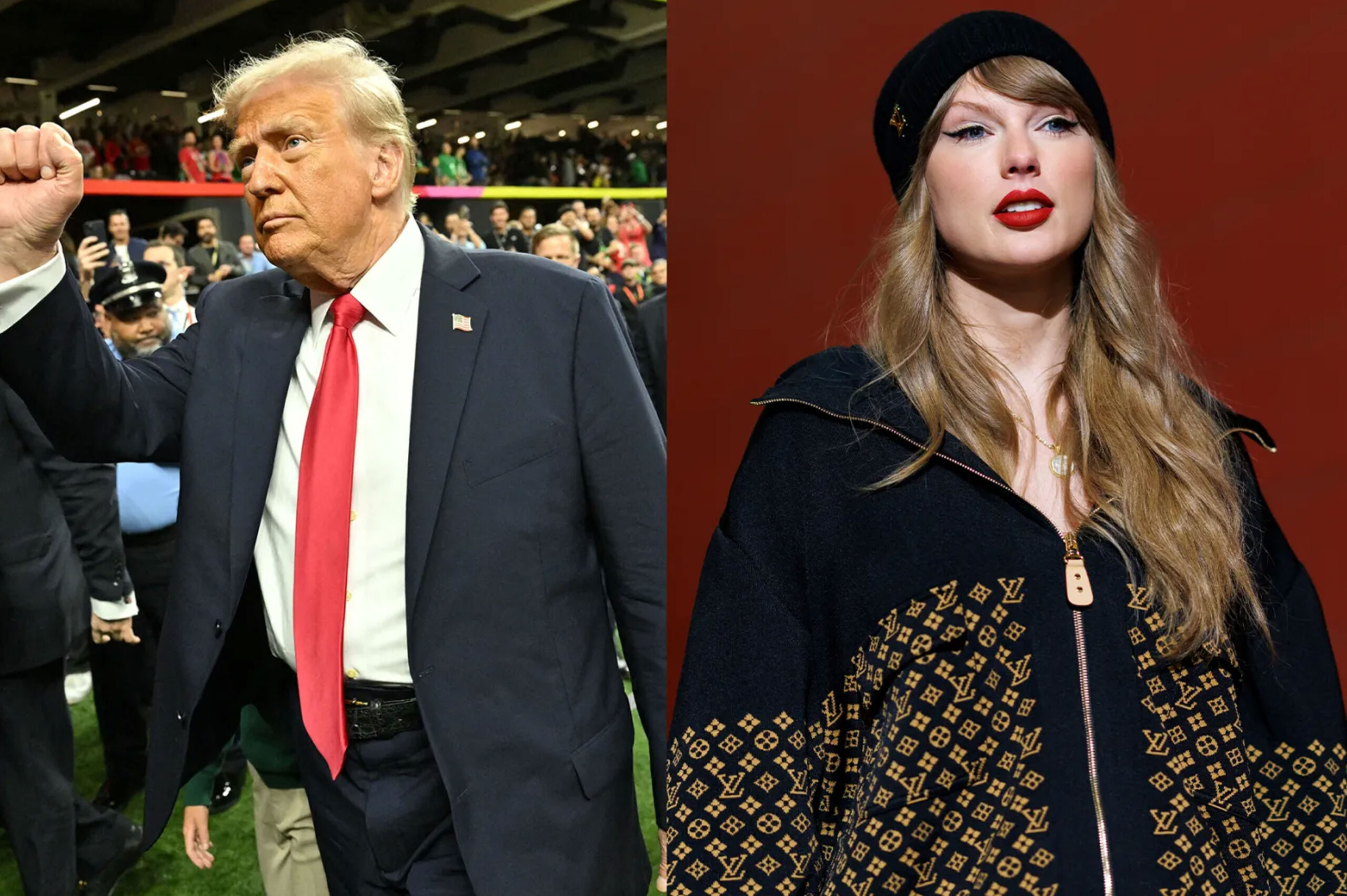
From Trump to Taylor Swift: The Most Searched Names on Google in 2025
In 2025, global internet search trends were strongly dominated by politics, technology, and entertainment, reflecting how real-time events, media coverage, and digital platforms shape public attention. According to an analysis by PlayersTime based on Ahrefs search volume data, a handful of prominent public figures captured a disproportionate share of global online interest over the past year. Based on average monthly Google searches over the last 12 months, former US President Donald Trump emerged as the world’s most searched personality, attracting approximately 16 million searches per month. He was followed by tech billionaire Elon Musk, who ranked second with around 11 million monthly searches, underscoring the continued global influence of American politics and technology leadership. Music played a major role among the global top ten most searched personalities, with artists accounting for nearly half of the list. Pop icon Taylor Swift remained one of the most consistently searched figures worldwide, while Sabrina Carpenter, XXXTENTACION, and Romeo Santos also secured prominent positions, each drawing between 6 and 8 million monthly searches. The rise of streaming platforms and the global reach of digital fandoms have propelled musicians to unprecedented levels of international visibility. Film and television dominated the broader Top 100 list, contributing the largest share of total search volume. This trend has been largely driven by the worldwide expansion of streaming services, which have made entertainment content more accessible across borders and cultures. While sports ranked lower in overall representation, several athletes achieved remarkable global attention. Portuguese football star Cristiano Ronaldo remained among the most searched athletes worldwide, while young Spanish footballer Lamine Yamal broke into the global top ten, highlighting growing interest in emerging talent alongside established sports icons. Search trends in 2025 were not limited to entertainment and sports. Global politics, religious leadership, and high-profile criminal cases also played a significant role in shaping online interest. In the religious sphere, Pope Francis was the most searched figure, while certain criminal cases generated unusually high search volumes due to sustained international media coverage. The data indicates that spikes in search interest are often driven more by breaking news and major events than by long-term popularity. An analysis by nationality reveals a strong concentration of global search interest around American public figures. US personalities featured in the Top 100 collectively received more than 237 million average monthly searches, exceeding the combined totals of the United Kingdom, Canada, and Australia. Six of the top ten most searched individuals worldwide were American, highlighting the global reach of US media, politics, and cultural influence. Search patterns also varied significantly by country. Donald Trump remained the most searched personality in the United States, while political leaders dominated searches in Canada. Tennis players attracted the most attention in Spain and Italy, footballers topped search lists in Brazil and Poland, and political figures led search trends in Germany and South Korea. Within the Top 100 most searched personalities, film and television accounted for 36 percent, music for 28 percent, and sports for 16 percent of total representation. Men made up 56 percent of the list overall; however, women were notably prominent in searches related to entertainment, fashion, and royal families. Overall, the data suggests that the global attention economy in 2025 was increasingly fast-moving and event-driven. Popularity was shaped less by sustained fame and more by political relevance, viral moments, digital platform reach, and continuous media exposure. Search trends reveal a world where public attention is concentrated around a limited number of names, shifts rapidly, and remains more volatile than ever before.
