


Veteran Pakistani actor, director and television host Samina Peerzada has called for visa-on-arrival facilities between Pakistan and India, saying she wants ordinary citizens on both sides of the border to reconnect more easily with friends and loved ones. Speaking in a recent interview, Peerzada shared an emotional message about her long-standing friendships in India and the difficulties created by travel restrictions between the two countries. “I have so many dear friends in India, in Delhi and Mumbai. I miss them, I think about them, and my heart feels sad because I cannot meet them. I am sure they feel the same way about me. I want to see them again,” she said. Her remarks come at a time when relations between Pakistan and India remain strained. Bilateral visa policies have become increasingly restrictive over the years, limiting cultural exchanges, tourism and people-to-people contact despite shared linguistic, historical and cultural ties. A Wish to Meet Without Barriers According to Peerzada, both countries should consider visa-on-arrival arrangements to simplify travel. “It is my wish to travel to Amritsar, reach the border from our side, and receive an Indian visa there. Likewise, our friends coming from India should be able to get a visa when they arrive here,” she said. Personal relationships should not suffer because of political differences, she added. Artists, in her view, have always maintained connections across borders. That tradition should continue despite diplomatic challenges. “First of all, we should spread love and keep meeting each other. As artists, we will continue to meet one another no matter what, because we will always find ways to stay connected,” she pointed out. She also questioned the barriers that prevent such meetings at home. Pakistanis and Indians often meet in cities such as London and Dubai. Yet visiting one another’s cities remains difficult. “I sincerely hope that if we can continue meeting in foreign countries, whether in London, Dubai, or elsewhere, then why can’t we meet in Lahore? Why can’t we meet in Delhi? Why can’t we meet in Mumbai? Why can’t we meet in Karachi?” Her comments reflect a view often expressed by artists, writers and cultural figures from both countries, many of whom have advocated greater cultural engagement despite political tensions. A Career Spanning Five Decades Samina Peerzada remains one of Pakistan’s most respected names in film, television and theatre. Peerzada began her career as a model in 1974. Later, she moved into acting and gained recognition through films such as Nazdikiyan, Bulandi and The Blood of Hussain. Television audiences know her for acclaimed dramas including Zindagi Gulzar Hai, Dastaan and Durr-e-Shahwar. She later expanded her career into directing and filmmaking. Her 1999 film Inteha won nine national awards and introduced actor Humayun Saeed to Pakistani cinema. In 2017, Peerzada launched the YouTube interview series Rewind with Samina Peerzada. The show featured candid conversations with leading Pakistani celebrities and quickly became one of the country’s most-watched digital talk shows. While political leaders continue to navigate complex diplomatic issues, Peerzada’s message focused on a simpler goal: allowing people separated by borders to reconnect with friends, family members and cultural communities they have known for years.
Pakistani Passport Drops to 100th Place in Global Rankings
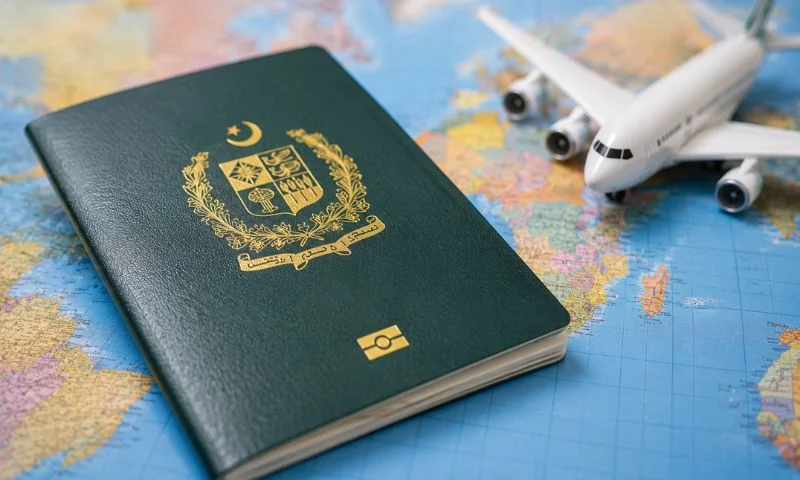
Pakistan has ranked 100th in the latest Henley Passport Index, with Pakistani passport holders currently enjoying visa-free or visa-on-arrival access to 30 destinations worldwide. The latest ranking places Pakistan among the world’s weakest passports, ahead of only Iraq, Syria and Afghanistan. The Henley Passport Index compares 199 passports across 227 destinations and ranks countries according to the number of places citizens can access without obtaining a prior visa. Although Pakistan remains near the bottom of the rankings, the country has shown gradual improvement over recent years. Pakistan climbed to 98th place earlier this year after ranking 103rd in 2025. However, the latest May 2026 update pushed the country slightly lower to 100th position. According to the index, Pakistani citizens had visa-free access to 32 destinations in February this year after The Gambia restored travel access arrangements. The number has now declined to 30 because of ongoing changes in international visa policies and bilateral agreements. Asian Passports Continue Dominating Global Rankings The latest rankings once again highlighted the growing strength of Asian passports in global mobility. Singapore retained the world’s most powerful passport position. Passport holders from Singapore continue enjoying access to the highest number of destinations globally without prior visas. Japan, South Korea and the United Arab Emirates shared second place in the rankings. Sweden emerged as the highest-ranked European nation at third place. A group of European countries, including France, Germany, Italy and Netherlands, tied for fourth position. The United States ranked tenth in the latest index. Analysts say passport rankings increasingly reflect diplomatic influence, economic strength and international security cooperation. Regional Competition and Travel Challenges Continue India also experienced a decline in the latest rankings. India dropped from 75th place earlier this year to 78th position in the current index. Travel experts say global visa rules continue shifting because of geopolitical tensions, migration concerns and changing bilateral relations. Pakistan has sought to improve international mobility for its citizens through diplomatic engagement and upgraded passport security systems. Authorities have also expanded e-passport initiatives and digital identity measures in recent years. However, analysts note that broader improvements in travel freedom often depend on stronger diplomatic ties, economic stability and international confidence in migration controls. For millions of Pakistanis seeking opportunities abroad for education, employment and tourism, passport strength remains closely linked to global mobility and economic access. The latest rankings underline how international travel freedom continues to vary sharply across regions despite growing global connectivity.
How Diplomatic Isolation Keeps Afghanistan’s Passport Weak
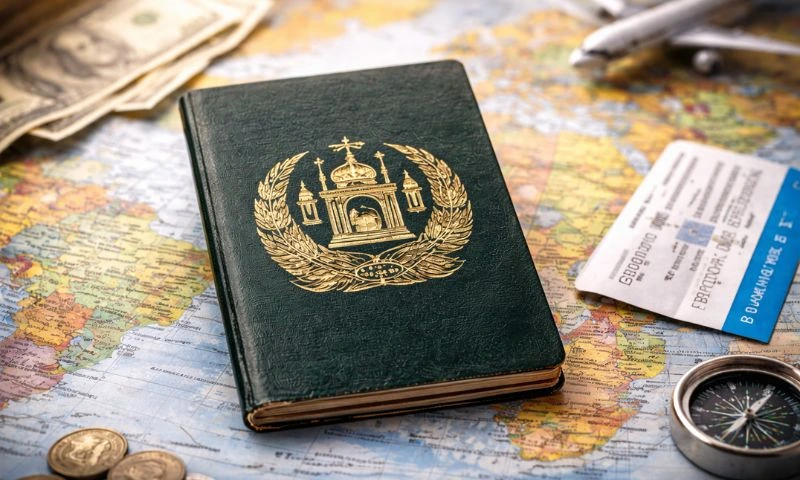
Afghanistan continues to hold the title of the world’s weakest passport in the February 2026 Henley Passport Index, underscoring the severe travel limitations its citizens face. The latest report reveals Afghan passport holders can enter only 24 destinations without securing a visa before their trip. The Henley Passport Index ranks passports based on the number of destinations holders can visit without a pre-arranged visa, using exclusive travel data from the International Air Transport Association (IATA). The index covers passports from around 199 countries and territories. Afghan nationals sit at 101st place, behind all other countries in the index. This ranking is the lowest in the world for 2026, leaving Afghan travellers with severely restricted mobility compared with citizens of other nations. Despite this limited access, Afghan passport holders are still able to travel without a prior visa to a few destinations. The list includes small island countries and select nations in Africa and Asia. Visa-free access is available to the Cook Islands, Dominica, Haiti, and Micronesia. Countries offering visa on arrival or simplified electronic travel authorisation include Bangladesh, Cambodia, Maldives, Rwanda, Kenya, Sri Lanka, and Seychelles. Travel freedom varies greatly around the globe. In stark contrast to Afghanistan, countries such as Singapore, Japan, and South Korea top the 2026 rankings with access to nearly 190 or more destinations without a prior visa. Singapore remains the most powerful passport, granting its holders entry to over 190 countries. Regional neighbours also illustrate the gap in mobility. Pakistan manages to rank slightly higher with access to around 31 countries, while Bangladesh improved slightly to offer visa-free or visa-on-arrival access to 37 destinations. India, meanwhile, advanced in some reports to reach the 75th position, granting access to about 55 destinations. Experts say weak passport rankings often reflect diplomatic isolation, internal conflict, economic instability, and limited bilateral agreements. Countries facing prolonged unrest struggle to secure reciprocal travel arrangements and suffer restricted international engagement. For Afghan citizens, the consequences are real. Limited visa-free access affects millions seeking opportunities for education, work, family visits, or urgent travel abroad. With only 24 destinations accessible without pre-travel visa procedures, Afghanistan’s low ranking on the Henley Passport Index highlights a stark inequality in global movement rights.
