

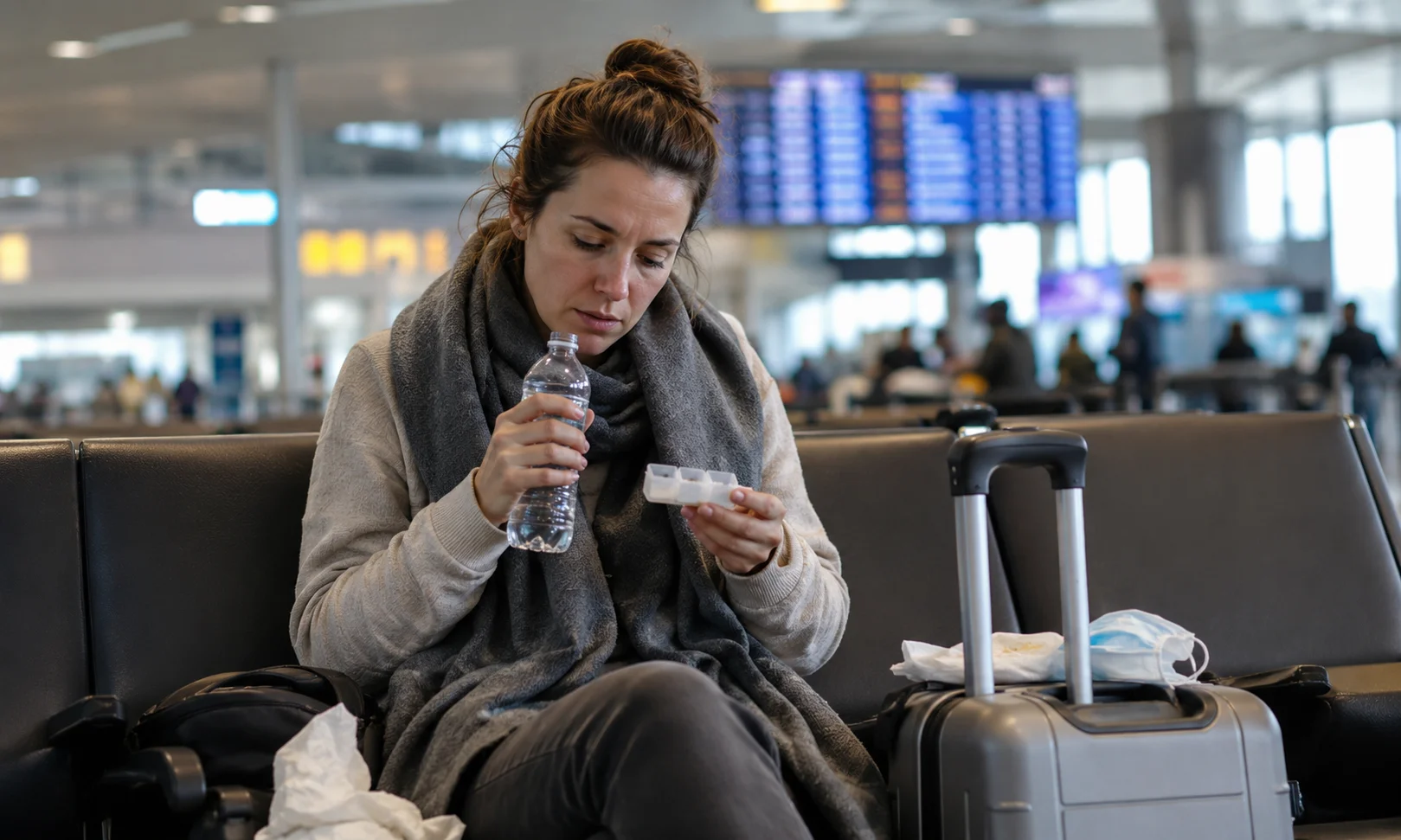
Getting sick while travelling can quickly disrupt a trip. Changes in sleep, diet and unfamiliar environments can expose travellers to new health risks. Physician Dr Kunal Sood addressed the issue in an Instagram post on August 6. He highlighted five supplements: vitamin D, zinc, vitamin C, probiotics and elderberry. However, he stressed that none can guarantee protection from illness. The CDC advises travellers to rely on proven precautions, including safe food and water, hand hygiene and insect-bite protection. Its 2026 Yellow Book calls travellers’ diarrhoea one of the most predictable travel-related illnesses. What the Evidence Says About the Five Sood said vitamin D supports normal immune function, but travellers should not treat it as a last-minute shield against infection. “Correcting deficiency is worthwhile, but it is not a last-minute travel infection preventive,” he said. He also discussed zinc, which supports immune cell function. Routine supplementation has not clearly prevented common colds. “Oral zinc lozenges started within about 24 hours of symptom onset may modestly shorten a cold, while intranasal zinc products should be avoided because of smell-loss risk,” Sood stated. The US National Center for Complementary and Integrative Health says oral zinc may shorten a cold when people start it within 24 hours of symptoms. Sood also urged caution over vitamin C. Read More: KFC and McDonald’s Make Unhealthiest Fast-Food Ranking “Regular vitamin C does not usually prevent colds, but it may shorten their duration slightly. Starting vitamin C only after symptoms begin has generally not been helpful, and high doses can cause gastrointestinal side effects.” Some probiotic strains may modestly reduce respiratory infections, Sood said. Still, the benefits can vary by strain. “Current CDC guidance considers the evidence insufficient to recommend probiotics for preventing travellers’ diarrhoea,” he pointed out. CDC guidance says studies on probiotics for travellers’ diarrhoea have produced conflicting conclusions. Researchers have not established the ideal strains, doses or duration. Sood offered another caution on elderberry. “Elderberry has not reliably prevented colds, even in an air-travel study. It may modestly shorten illness or reduce symptom severity once a cold develops, but evidence remains limited.” NCCIH says preliminary research suggests elderberry could ease some upper respiratory symptoms. Stronger clinical evidence remains limited. Basic Travel Precautions Still Matter Sood warned travellers against combining supplements in the belief that they provide stronger protection. “These supplements have not been shown to work better when combined, and they should not replace safe food and water practices, insect precautions, or hand hygiene,” he stated. Read More: Big Bird Foods Makes Major Retail Move With Imtiaz Partnership CDC guidance similarly emphasizes safe food, safe drinking water and frequent handwashing. Hand sanitizer containing at least 60 percent alcohol can help when soap is unavailable. Travellers should speak with a healthcare professional before starting supplements, especially if they take medication or have health conditions. This article is for informational purposes only and does not replace professional medical advice.

Could This Simple Morning Routine Lower Dementia Risk? A Doctor Explains
A doctor and healthcare educator has sparked widespread discussion after claiming that people who remain mentally sharp into their 90s often share one simple morning habit: getting natural sunlight within 30 minutes of waking up. The advice comes from Dr. Neal K. Shah, who shared the recommendation in a widely viewed YouTube video explaining how early morning light may influence sleep quality and long term brain health. However, while experts agree that morning sunlight supports healthy circadian rhythms, they caution that no single habit can guarantee protection against dementia. Dr. Shah said neurologists studying cognitively healthy nonagenarians repeatedly identified a common morning routine centered on natural light exposure. He explained, “Neurologists studied people who stayed cognitively sharp into their 90s and they kept finding the same thing in their morning routine. But first, you need to understand what happens to your brain at night.” Morning sunlight and the brain’s internal clock According to Dr. Shah, the brain carries out an important cleaning process during sleep that helps remove waste proteins associated with neurodegenerative diseases such as Alzheimer’s. He said, “Here’s what most people don’t know: the quality of tonight’s cleaning cycle is determined by what you do tomorrow morning.” He urged people to avoid checking their phones immediately after waking. “Within the first 30 minutes of waking, most people grab their phone, scroll, and in doing so they accidentally sabotage the most protective thing in their ageing brain,” he said. Instead, he recommends spending about 10 minutes outdoors in natural daylight before using screens or drinking coffee. “Within the first 30 minutes of waking, before any screens, even before coffee, before anything. That one decision sets your cortisol levels, your melatonin and your brain’s overnight cleaning cycle.” Scientists have found that exposure to morning light helps regulate the body’s circadian rhythm, improving sleep quality. Good sleep supports the brain’s glymphatic system, which becomes most active during deep sleep and helps remove metabolic waste. However, researchers continue to study how this process influences dementia risk over time. Experts say dementia prevention requires multiple healthy habits The video generated mixed reactions online. Some viewers questioned the claim by pointing out that dementia existed long before smartphones. Others noted that regular morning sunlight is difficult in countries with limited daylight during parts of the year. One commenter wrote, “Dementia has been around much longer than cell phones.” Another added, “When you live somewhere that has very little sunlight, it is impossible to do this every day.” Others reported positive experiences. One viewer commented, “A month back I started getting up to see the sunrise. Now it is a habit. I naturally wake just before it rises, whatever the time, as if by magic.” Dr. Shah also highlighted “robust curiosity” as another habit linked to healthy ageing. Health organizations, including the Alzheimer’s Association, emphasize that dementia risk depends on many factors. Regular exercise, quality sleep, a healthy diet, controlling blood pressure, social engagement and lifelong learning all contribute to better brain health. Morning sunlight can support those habits, but current scientific evidence does not show that it alone prevents dementia.

Doctor Says One Bedtime Habit Could Increase Your Cancer Risk
Many people sacrifice sleep to meet deadlines, scroll through social media or work late into the night. However, a surgical oncologist says this common habit may quietly increase the risk of developing cancer over time. Dr Arrjun Sankaran, a Hyderabad based surgical oncologist, highlighted the link between poor sleep and cancer risk in a social media post shared on June 17. He urged people to rethink late night routines, explaining that healthy sleep plays a vital role in the body’s natural defence against abnormal cell growth. In the caption of his post, he wrote, “Did you know that you have a higher risk of cancer if you do a lot of late-night phone scrolling, don’t sleep too well at night, or are a night shift worker?” Why Sleep Matters According to Dr Sankaran, the brain releases melatonin every night. This hormone helps repair damaged DNA, controls abnormal cell growth and reduces cancer driving hormones such as oestrogen. He explained that melatonin forms only in darkness. That means spending an hour scrolling on a phone before bedtime may do more than delay sleep. It may also reduce the body’s natural production of melatonin. “The WHO or IRC classifies night shift work as a Group 2A carcinogen, which means that it is just less than the risk associated with a cigarette or alcohol,” he noted. The oncologist stressed that the concern is not an occasional late night. Instead, he warned about the long term effects of chronic sleep deprivation. According to him, sleep remains one of the most powerful and cost free tools for reducing cancer risk. He added that people with long term sleep disruption face a higher risk of breast, colorectal and prostate cancers. He linked this to three major factors. First, poor sleep disrupts the body’s circadian rhythm and natural repair system. Second, reduced melatonin allows more DNA errors and abnormal cell changes to accumulate. Third, many night shift workers receive less morning sunlight, which may lower vitamin D production. Simple Habits That May Protect Your Health Dr Sankaran advised people to turn off screens at least one hour before bedtime. He also recommended using blackout curtains or a sleep mask to create complete darkness. For families with young children, he suggested using red or amber lights instead of bright white lighting at night. He also encouraged people to avoid using their phones for at least 15 minutes before sleeping and, if possible, keep devices outside the bedroom. Finally, he urged people to follow a consistent sleep routine. “Try to stick to a regular sleep schedule because your circadian rhythm depends on it. Make sure you prioritise your sleep like your life depends on it, because quite literally it does.” Health experts continue to emphasise that good sleep supports overall wellbeing, strengthens immune function and helps the body recover from daily stress. While sleep alone cannot prevent cancer, maintaining healthy sleep habits forms an important part of a balanced lifestyle alongside regular exercise, a nutritious diet, avoiding tobacco and limiting alcohol. Note: This article is for informational purposes only and is not a substitute for professional medical advice. Consult a qualified healthcare professional for medical concerns.
