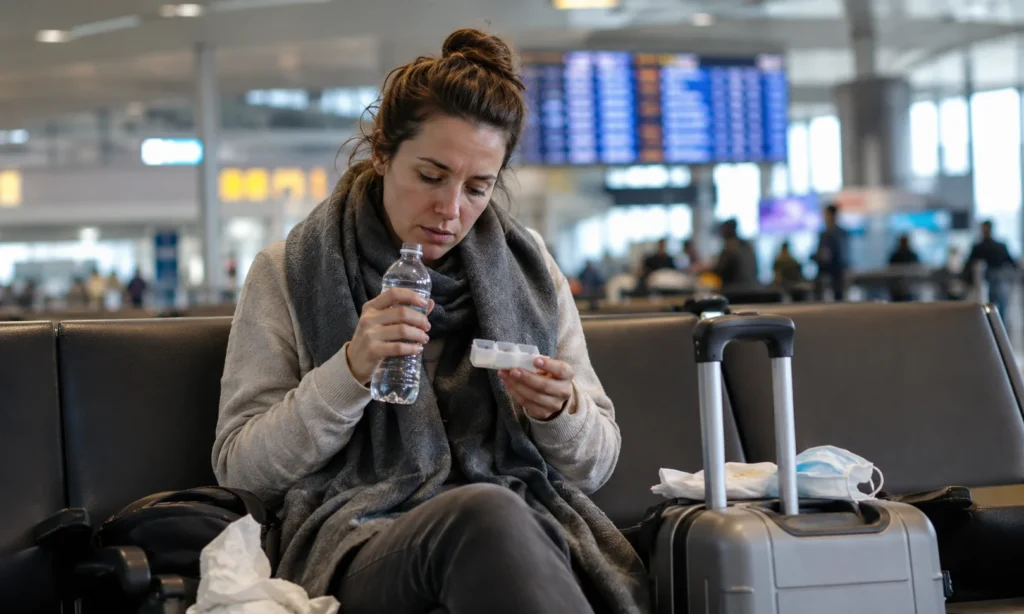
Getting sick while travelling can quickly disrupt a trip. Changes in sleep, diet and unfamiliar environments can expose travellers to new health risks.
Physician Dr Kunal Sood addressed the issue in an Instagram post on August 6. He highlighted five supplements: vitamin D, zinc, vitamin C, probiotics and elderberry. However, he stressed that none can guarantee protection from illness.
The CDC advises travellers to rely on proven precautions, including safe food and water, hand hygiene and insect-bite protection. Its 2026 Yellow Book calls travellers’ diarrhoea one of the most predictable travel-related illnesses.
What the Evidence Says About the Five
Sood said vitamin D supports normal immune function, but travellers should not treat it as a last-minute shield against infection.
“Correcting deficiency is worthwhile, but it is not a last-minute travel infection preventive,” he said.
He also discussed zinc, which supports immune cell function. Routine supplementation has not clearly prevented common colds.
“Oral zinc lozenges started within about 24 hours of symptom onset may modestly shorten a cold, while intranasal zinc products should be avoided because of smell-loss risk,” Sood stated.
The US National Center for Complementary and Integrative Health says oral zinc may shorten a cold when people start it within 24 hours of symptoms.
Sood also urged caution over vitamin C.
Read More: KFC and McDonald’s Make Unhealthiest Fast-Food Ranking
“Regular vitamin C does not usually prevent colds, but it may shorten their duration slightly. Starting vitamin C only after symptoms begin has generally not been helpful, and high doses can cause gastrointestinal side effects.”
Some probiotic strains may modestly reduce respiratory infections, Sood said. Still, the benefits can vary by strain.
“Current CDC guidance considers the evidence insufficient to recommend probiotics for preventing travellers’ diarrhoea,” he pointed out.
CDC guidance says studies on probiotics for travellers’ diarrhoea have produced conflicting conclusions. Researchers have not established the ideal strains, doses or duration.
Sood offered another caution on elderberry.
“Elderberry has not reliably prevented colds, even in an air-travel study. It may modestly shorten illness or reduce symptom severity once a cold develops, but evidence remains limited.”
NCCIH says preliminary research suggests elderberry could ease some upper respiratory symptoms. Stronger clinical evidence remains limited.
Basic Travel Precautions Still Matter
Sood warned travellers against combining supplements in the belief that they provide stronger protection.
“These supplements have not been shown to work better when combined, and they should not replace safe food and water practices, insect precautions, or hand hygiene,” he stated.
Read More: Big Bird Foods Makes Major Retail Move With Imtiaz Partnership
CDC guidance similarly emphasizes safe food, safe drinking water and frequent handwashing. Hand sanitizer containing at least 60 percent alcohol can help when soap is unavailable.
Travellers should speak with a healthcare professional before starting supplements, especially if they take medication or have health conditions.
This article is for informational purposes only and does not replace professional medical advice.