

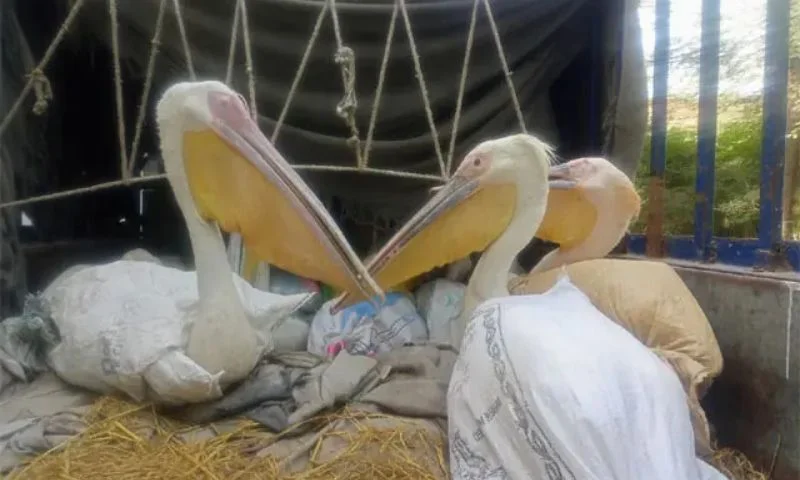
A Sindh Wildlife Department investigation has uncovered a disturbing case of animal cruelty after officials found smugglers had stitched the eyes of migratory pelicans shut with needle and thread to stop them from resisting during transport. Wildlife officials intercepted 16 pelicans during a raid on a vehicle travelling from Dadu to Karachi. They immediately rescued the birds and arrested the suspects. Authorities later produced the accused before a court and opened a formal investigation. During questioning, investigators discovered that the suspects had sewn the birds’ eyelids shut to keep them calm throughout the journey. Officials also found that the smugglers had hidden the pelicans beneath goats to avoid detection at checkpoints. Veterinarians transferred the rescued birds to a rehabilitation centre. They carefully removed the stitches, examined each pelican and started treatment. The birds also received a fish-based recovery diet. Wildlife officials said the pelicans responded well to treatment. Their health improved steadily during rehabilitation. The case has raised fresh concerns about illegal wildlife trafficking in Pakistan. Conservationists say migratory birds remain frequent targets because of illegal hunting and smuggling. Court Clears Birds for Release After Treatment The investigating officer told the court that prolonged captivity during the current heat could threaten the pelicans’ survival. He requested permission to release the birds once veterinarians completed their treatment. The court approved the request under the Sindh Wildlife Rules 2022. It directed the department to release the pelicans after veterinarians confirmed they were healthy enough to survive in the wild. The court also ordered the accused to pay all expenses related to the birds’ treatment, rehabilitation and care. Pakistan lies along the Central Asian Flyway, one of the world’s major migratory bird routes. Every year, thousands of pelicans, cranes, ducks, flamingos and other migratory birds arrive in Sindh’s wetlands, lakes and coastal areas. Wildlife experts say illegal trapping and smuggling continue to threaten these species despite existing conservation laws. Wildlife Department Intensifies Anti-Smuggling Operations The Sindh Wildlife Department has expanded enforcement operations against wildlife trafficking in recent years. Officials regularly conduct raids, rescue protected species and prosecute wildlife smugglers under provincial laws. Conservationists welcomed the successful rescue and rehabilitation of the pelicans. They stressed that quick treatment and timely release improve survival rates for migratory birds. The latest case has shocked wildlife advocates across Pakistan. Many described the alleged stitching of the birds’ eyes as one of the most disturbing acts of cruelty seen in recent years. Officials will continue monitoring the pelicans until veterinarians declare them fully fit. The department will then release the birds into their natural habitat in line with the court’s order.
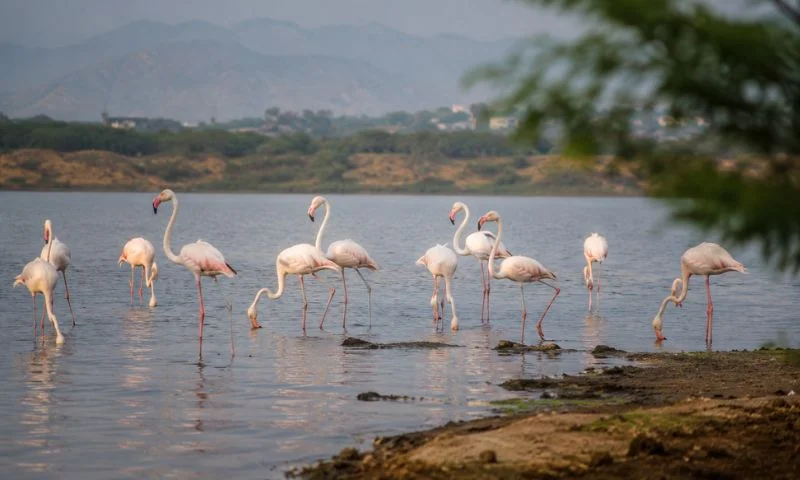
Why Conservationists Are Alarmed After Flamingos Reappeared at Rawal Lake
The return of flamingos to Rawal Lake after a prolonged absence has excited birdwatchers and conservationists, but reports of suspected poaching have quickly overshadowed what many considered a positive sign for the region’s fragile ecosystem. According to initial reports, a small flock of around 12 to 13 flamingos recently appeared at Rawal Lake, one of Islamabad’s most important freshwater reservoirs and a seasonal refuge for migratory birds. Wildlife experts viewed the sighting as encouraging because flamingo visits to the lake have become increasingly rare in recent years. Their return had raised hopes that environmental conditions around the water body remained suitable for migratory species travelling through South Asia’s major flyways. However, those hopes suffered a setback after reports emerged that suspected poachers may have targeted the birds shortly after their arrival. Authorities believe several flamingos may have been killed, although officials have not yet confirmed the exact number. Investigators are also examining allegations that local individuals could have participated in the hunting activity. The incident has drawn widespread concern among environmental groups and wildlife enthusiasts, who have repeatedly called for stronger protection of migratory birds across Pakistan. Wildlife Authorities Launch Investigation The Islamabad Wildlife Management Board has taken immediate notice of the reports and launched a formal inquiry into the incident. Officials are collecting evidence from Rawal Lake and nearby areas. They are also coordinating with local police to identify suspects and support any legal proceedings that may follow. Authorities have not released details about possible arrests. However, officials say they will pursue strict legal action if investigators confirm the allegations. Wildlife officials described the incident as highly concerning because flamingo populations depend on safe stopover sites during migration. Rawal Lake and surrounding wetlands provide important habitats for dozens of migratory bird species that travel thousands of kilometres between breeding and wintering grounds. Pakistan sits along the Central Asian Flyway, one of the world’s major migratory bird routes. Every year, millions of birds pass through the country on their seasonal journeys between Central Asia, Siberia and warmer regions further south. Environmental experts say illegal hunting, habitat degradation and pollution continue to threaten many migratory species across the region. Conservation Concerns Grow Conservationists argue that even the loss of a small group of flamingos could affect efforts to encourage the return of sensitive bird populations to urban wetlands. The Islamabad Wildlife Management Board has not yet issued final findings. Investigators continue to examine the circumstances surrounding the reported killings. Wildlife officials stressed that the presence of flamingos at Rawal Lake remains ecologically significant. Their return often indicates the availability of food sources and suitable wetland conditions. Environmental groups have urged authorities to strengthen monitoring around protected habitats and increase public awareness about wildlife protection laws. The investigation remains ongoing, and officials say they will hold any violators accountable under existing wildlife regulations. For conservationists, the incident serves as a reminder that protecting migratory birds requires constant vigilance. The return of flamingos offered a rare moment of optimism, but the suspected poaching case now threatens to turn that success into another setback for Pakistan’s wildlife conservation efforts.
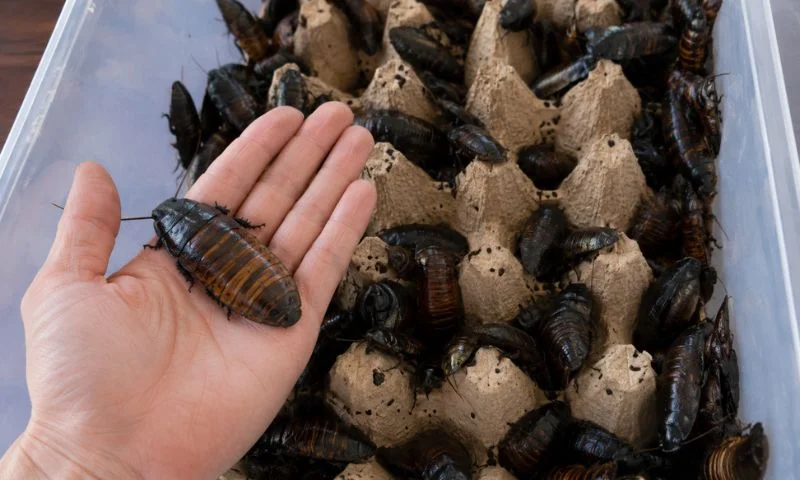
Australia Finds 100,000 Illegal Cockroaches Worth $140,000 in Shocking Raid
Australian wildlife authorities have uncovered one of the country’s largest illegal cockroaches breeding operations, seizing more than 100,000 exotic cockroaches from a commercial breeder in rural New South Wales. The raid took place in the town of Bathurst, about 200 kilometres west of Sydney. Officials from Australia’s Department of Climate Change, Energy, Environment and Water (DCCEEW) carried out the operation on May 26 and announced details on Friday. Authorities said the seized insects had an estimated black market value of about US$140,000, or roughly A$200,000. The haul included thousands of Madagascar hissing cockroaches and dubia cockroaches. Both species remain highly sought after in the exotic pet trade. Photos released by the department showed some of the insects packed into plastic containers. One Madagascar hissing cockroach appeared large enough to cover most of an adult’s palm. Authorities Warn Illegal Breeders Officials said the insects entered Australia illegally and posed a potential threat to local ecosystems. Madagascar hissing cockroaches originate from the island of Madagascar and rank among the world’s largest cockroach species. Unlike common household cockroaches, they produce a distinctive hissing sound by forcing air through breathing pores in their bodies. Exotic pet owners often keep them because of their unusual appearance and behaviour. Dubia cockroaches, native to Central and South America, have become popular worldwide as feeder insects for reptiles, amphibians and exotic pets. Australian authorities classify them as a prohibited species because escaped populations could threaten native biodiversity. “We take our job protecting Australia’s unique biodiversity and breaches of national environment law very seriously,” an environment department spokesman said. “We’re seeing illegal breeding and trading of exotic cockroaches and we’re putting pet businesses and pet owners on notice.” Australia maintains some of the world’s strictest biosecurity laws. Authorities regularly target illegal imports of animals, insects and plants that could damage the country’s unique ecosystems. Environmental experts say invasive species have already caused significant ecological and economic damage across Australia. Rabbits, cane toads and feral cats rank among the most well-known examples. Tough Biosecurity Rules The seizure highlights growing concerns about the underground trade in exotic insects. Collectors and breeders often buy rare species online and sell them through private networks, making enforcement difficult. Australian law prohibits the import and breeding of many exotic invertebrates without special permits. Authorities fear that escaped insects could establish breeding populations and compete with native species. Officials now face the challenge of destroying the massive cockroach collection. The department confirmed that staff will euthanise the insects to eliminate any risk of escape or accidental release. The task may prove unpleasant, but authorities say it remains necessary to protect Australia’s environment. Cockroaches have earned a reputation for resilience and adaptability. Their toughness helped fuel the long-running myth that they could survive a nuclear explosion. Scientists have repeatedly challenged that claim, although researchers acknowledge that some cockroach species can withstand higher radiation levels than humans. The Bathurst seizure marks another high-profile enforcement action as Australia intensifies efforts to curb illegal wildlife trading and protect its biodiversity from invasive species.
