Australian wildlife authorities have uncovered one of the country’s largest illegal cockroaches breeding operations, seizing more than 100,000 exotic cockroaches from a commercial breeder in rural New South Wales.
The raid took place in the town of Bathurst, about 200 kilometres west of Sydney. Officials from Australia’s Department of Climate Change, Energy, Environment and Water (DCCEEW) carried out the operation on May 26 and announced details on Friday.
Authorities said the seized insects had an estimated black market value of about US$140,000, or roughly A$200,000.
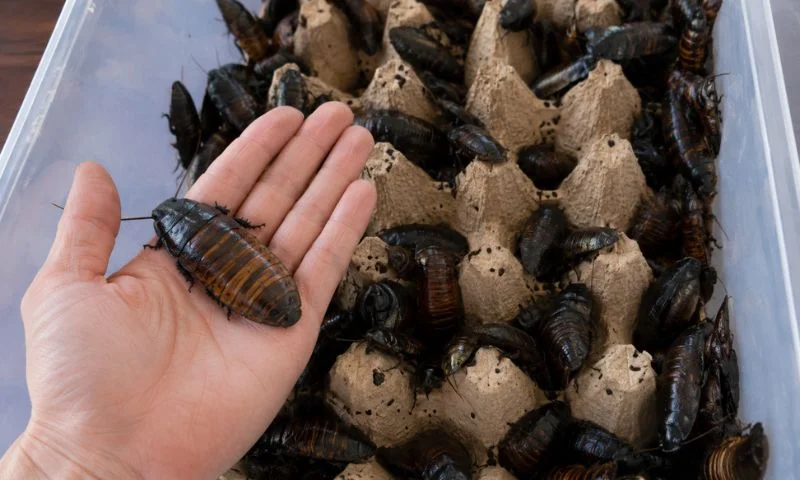
The haul included thousands of Madagascar hissing cockroaches and dubia cockroaches. Both species remain highly sought after in the exotic pet trade.
Photos released by the department showed some of the insects packed into plastic containers. One Madagascar hissing cockroach appeared large enough to cover most of an adult’s palm.
Authorities Warn Illegal Breeders
Officials said the insects entered Australia illegally and posed a potential threat to local ecosystems.
Madagascar hissing cockroaches originate from the island of Madagascar and rank among the world’s largest cockroach species. Unlike common household cockroaches, they produce a distinctive hissing sound by forcing air through breathing pores in their bodies. Exotic pet owners often keep them because of their unusual appearance and behaviour.
Dubia cockroaches, native to Central and South America, have become popular worldwide as feeder insects for reptiles, amphibians and exotic pets. Australian authorities classify them as a prohibited species because escaped populations could threaten native biodiversity.
“We take our job protecting Australia’s unique biodiversity and breaches of national environment law very seriously,” an environment department spokesman said.
“We’re seeing illegal breeding and trading of exotic cockroaches and we’re putting pet businesses and pet owners on notice.”
Australia maintains some of the world’s strictest biosecurity laws. Authorities regularly target illegal imports of animals, insects and plants that could damage the country’s unique ecosystems.
Environmental experts say invasive species have already caused significant ecological and economic damage across Australia. Rabbits, cane toads and feral cats rank among the most well-known examples.
Tough Biosecurity Rules
The seizure highlights growing concerns about the underground trade in exotic insects. Collectors and breeders often buy rare species online and sell them through private networks, making enforcement difficult.
Australian law prohibits the import and breeding of many exotic invertebrates without special permits. Authorities fear that escaped insects could establish breeding populations and compete with native species.
Officials now face the challenge of destroying the massive cockroach collection. The department confirmed that staff will euthanise the insects to eliminate any risk of escape or accidental release.
The task may prove unpleasant, but authorities say it remains necessary to protect Australia’s environment.
Cockroaches have earned a reputation for resilience and adaptability. Their toughness helped fuel the long-running myth that they could survive a nuclear explosion. Scientists have repeatedly challenged that claim, although researchers acknowledge that some cockroach species can withstand higher radiation levels than humans.
The Bathurst seizure marks another high-profile enforcement action as Australia intensifies efforts to curb illegal wildlife trading and protect its biodiversity from invasive species.