

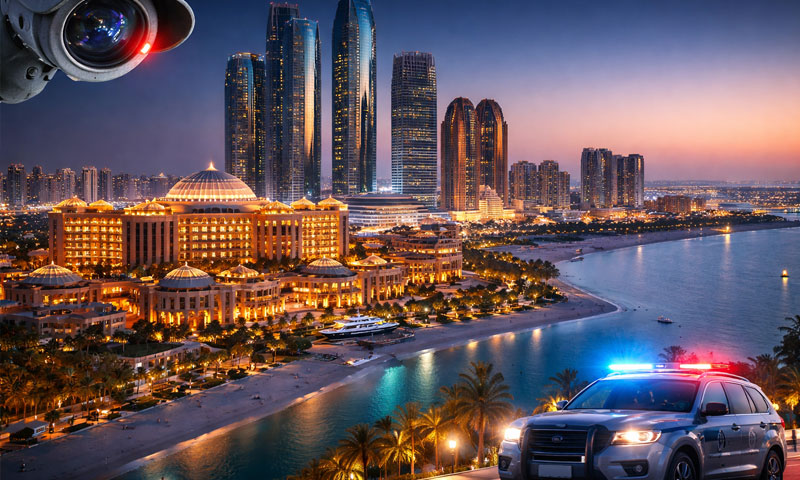
Cities around the world are increasingly being judged not just by opportunity and infrastructure, but by how safe people feel living in them. According to the Numbeo Global Safety Index 2026, Abu Dhabi has once again emerged as the safest city in the world, reinforcing its position as a global benchmark for public safety. Abu Dhabi secured a Safety Index score of 88.9, topping the rankings for the 10th consecutive year. The city’s consistent performance reflects heavy investment in digital surveillance systems, artificial intelligence, predictive policing, and smart city technologies that allow authorities to identify and mitigate risks before they escalate. Why Abu Dhabi Leads the World Experts attribute Abu Dhabi’s top ranking to its integrated use of AI-driven monitoring, real-time data analysis, and advanced emergency response systems, alongside strict law enforcement and high public trust in institutions. Residents report feeling safe both during the day and at night—two key parameters used in the index. The rankings also highlight a broader regional trend: the United Arab Emirates continues to dominate global safety charts, with five of its cities appearing in the top six. Top 10 Safest Cities in the World (2026) According to Numbeo’s latest assessment, the 10 safest cities globally in 2026 are: Rank City Country Safety Index 1 Abu Dhabi UAE 88.9 2 Ras Al Khaimah UAE 85.3 3 Doha Qatar 84.5 4 Sharjah UAE 84.5 5 Ajman UAE 84.4 6 Dubai UAE 83.9 7 Taipei Taiwan 83.3 8 Muscat Oman 81.3 9 Tampere Finland 79.6 10 Trondheim Norway 79.0 Source: Numbeo Global Safety Index 2026 How the Rankings Were Compiled The study was conducted by Numbeo, which evaluated around 400 cities across 150 countries. Rankings were based on user-contributed data measuring perceived safety, crime levels, and security during both daytime and nighttime. The findings further strengthen the UAE’s reputation as a global leader in public safety. Multiple international studies have also ranked the country among the safest in the world, particularly when it comes to nighttime security. The Bigger Picture While cities from Europe and Asia also feature prominently, the dominance of Gulf cities underscores how technology-driven governance, urban planning, and law enforcement coordination are shaping the future of urban safety. As global cities continue to expand, the 2026 rankings offer a clear message: smart security systems and proactive governance matter as much as size and wealth.
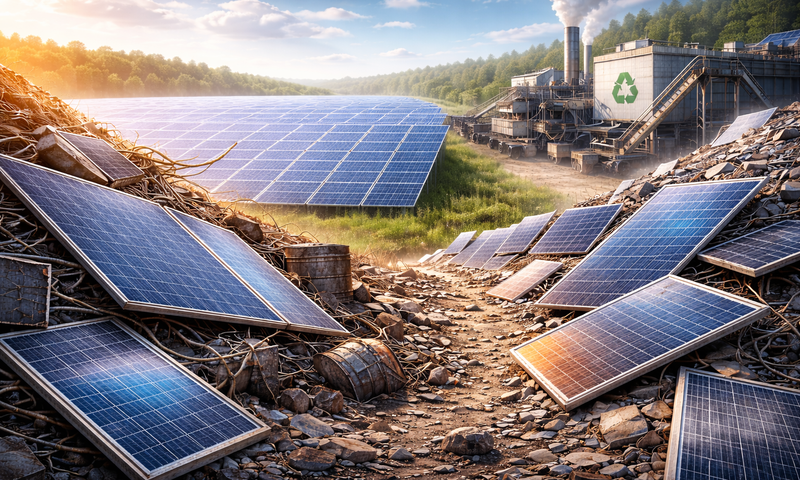
Solar Boom Today, Waste Crisis Tomorrow? The Hidden Challenge of Solar Panels
The global shift toward solar energy is accelerating at an unprecedented pace — and Pakistan is no exception. Rising electricity prices, frequent power outages, and falling solar panel costs have pushed households, businesses and industries across the country to embrace rooftop and utility-scale solar power. For millions, solar energy has delivered cheaper, uninterrupted electricity and relief from the national grid. However, experts warn that behind this clean-energy success story lies a slow-building environmental challenge: solar panels do not last forever. Solar panels are not lifetime assets Most solar panels have an operational lifespan of 25 to 30 years. After that, their efficiency drops sharply, making them uneconomical to use. While today’s installations are still relatively new, the first wave of large-scale solar panels installed globally is already approaching retirement. International energy and environmental agencies caution that once these panels reach end-of-life, they become complex electronic waste — bulky, difficult to recycle, and potentially hazardous if dumped improperly. According to global energy assessments, millions of tonnes of solar panel waste are expected to accumulate worldwide over the next two decades. Countries that adopted solar early, including parts of Europe, the United States and East Asia, are already beginning to face disposal and recycling challenges. Why solar panel waste is difficult to manage Solar panels are made from glass, aluminium frames, silicon cells, plastics, and trace amounts of toxic materials such as lead and cadmium. While much of the material is recyclable, the process is neither simple nor cheap. Unlike conventional scrap, solar panels require specialised facilities to safely separate and process their components. Without proper recycling systems, panels risk ending up in landfills, where broken glass and toxic substances can contaminate soil and groundwater. Environmental analysts warn that if unmanaged, today’s green solution could become tomorrow’s e-waste crisis. Pakistan’s growing risk Pakistan’s solar market has expanded rapidly in recent years, with imported panels flooding the market and rooftop systems multiplying across urban and rural areas. Yet, there is currently no comprehensive national policy to handle solar panel waste once these systems reach the end of their life. Experts say Pakistan risks repeating the mistakes seen with plastic waste and electronic scrap, where lack of planning led to environmental and health hazards. Given the scale of current installations, the country could face thousands of tonnes of retired panels in the coming decades. The global response: recycling and regulation Some countries have already started addressing the issue. In parts of the European Union, solar panels are legally classified as electronic waste, making manufacturers responsible for collection and recycling. Dedicated recycling plants can now recover up to 90 percent of panel materials, including glass and aluminium, and reuse silicon for new panels. Researchers are also developing next-generation panels that are easier to recycle and use fewer toxic components. Others are exploring circular economy models, where old panels are refurbished, repurposed, or broken down into raw materials for reuse. In Germany, one of Europe’s largest solar markets, solar panels have been covered under the WEEE framework since 2014. Panel producers must register with a national waste authority and participate in approved recycling schemes. Germany now operates specialised facilities that can recover: Glass and aluminium frames Silicon from solar cells Other reusable materials Recycling rates for solar panels in Germany can exceed 85–90 percent by weight, according to industry and regulatory data. What can be done in Pakistan Energy and environmental experts argue that Pakistan still has time to act — but only if planning begins now. Key recommendations include: Introducing solar waste regulations alongside renewable energy policies Encouraging producer responsibility, making importers and manufacturers part of recycling solutions Investing in local solar recycling facilities Promoting research into panel reuse and second-life applications Raising public awareness that solar panels are not permanent assets A choice before the crisis Solar energy remains a vital tool in reducing carbon emissions and easing Pakistan’s energy crisis. But specialists stress that sustainability does not end at installation. Without foresight, the panels powering homes today could become an environmental burden tomorrow. With proper policy, technology, and regulation, however, solar waste can be transformed into a managed resource rather than a looming crisis.
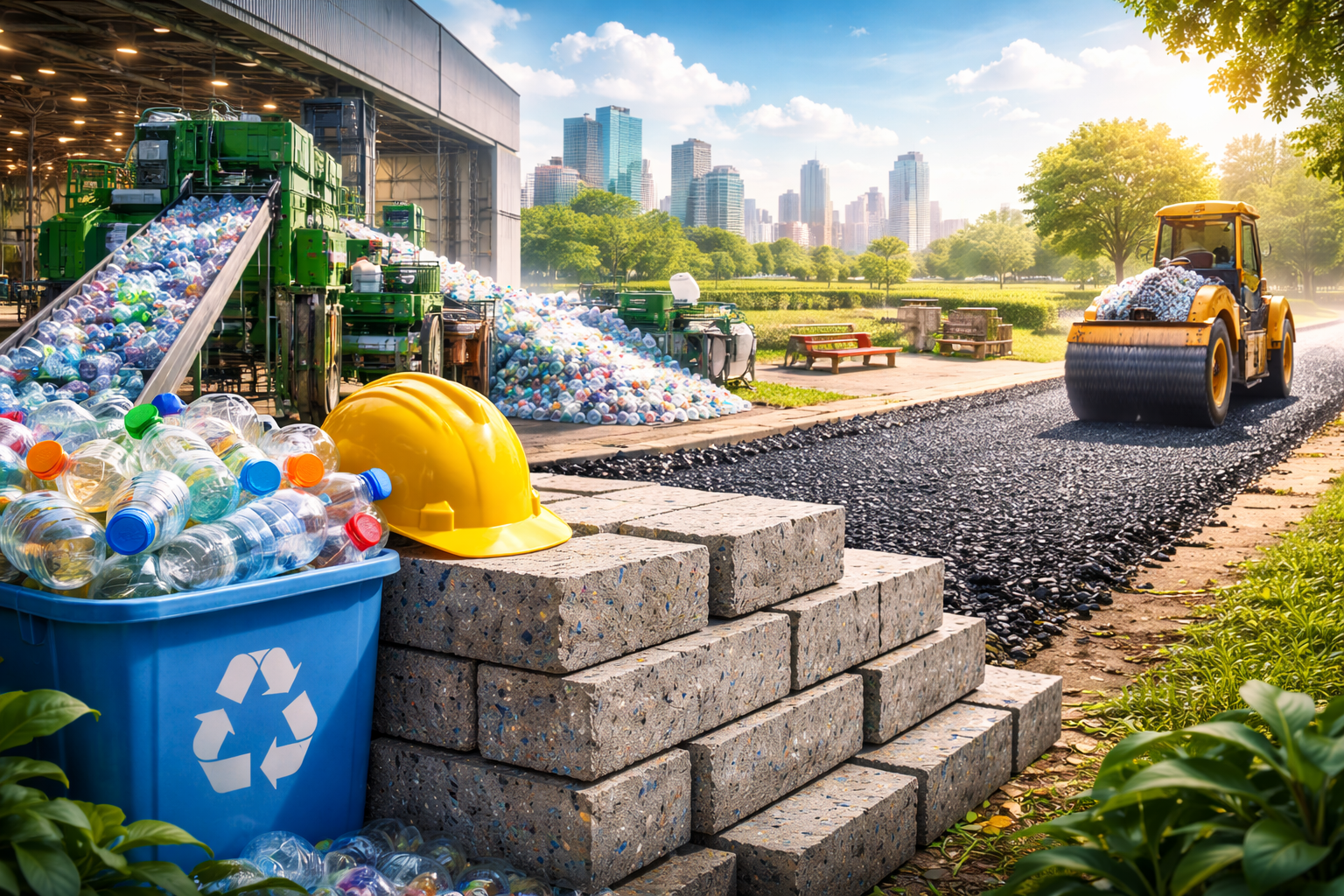
From Roads to Eco Bricks: How the World Is Turning Plastic Waste into an Industry — and Pakistan Is Catching Up
As environmental pollution and climate change accelerate worldwide, plastic recycling has evolved from a basic waste-management tool into a multi-billion-dollar global industry. Across continents, countries are converting plastic waste into roads, construction material, furniture, and reusable plastic — a transformation that Pakistan has now begun to replicate through initiatives such as Eco Bricks and government-backed recycling programmes. How the World Recycles Plastic In countries such as Germany, Japan, and South Korea, plastic bottles and packaging are recycled back into raw material used for manufacturing new products. Strict waste segregation laws, deposit-return systems, and advanced recycling plants have helped reduce landfill waste and reliance on virgin plastic. Meanwhile, India and the Netherlands have pioneered the use of plastic waste in road construction. By mixing shredded plastic with bitumen, these countries have built stronger, more durable, and water-resistant roads, turning waste into long-lasting infrastructure. In United States and the United Kingdom, recycled plastic is widely used to produce outdoor furniture, fencing, railway sleepers, and building components. African nations such as Kenya are even converting plastic waste into low-cost construction bricks, helping address housing shortages while reducing pollution. Pakistan’s Entry: Eco Bricks and Recycling Push Pakistan, one of the countries most vulnerable to climate change, has historically struggled with plastic waste management. However, a notable shift began in July last year, when the country started producing environment-friendly Eco Bricks for the first time. These bricks are made by blending 15 to 20 percent plastic waste with cement, sand, and gravel. The Eco Bricks can be used in flooring and external boundary walls, offering a sustainable alternative to traditional construction materials while cutting down plastic pollution. According to Pakistan’s Ministry of Climate Change and Environmental Coordination, the country generates 3.9 million tonnes of plastic waste annually. Much of it ends up being burned or dumped due to weak collection systems and limited recycling infrastructure, worsening air and environmental pollution. Punjab’s Green Credit Programme To address these challenges, Punjab has introduced multiple policies, including the Green Credit Programme, aimed at laying the groundwork for an emissions trading system. The initiative seeks to engage youth, students, women, and local communities in positive environmental action by encouraging recycling and sustainable practices. As part of this effort, the government has partnered with a private company to recycle single-use plastic. From next month, locally manufactured recycling machines — developed using Chinese technology — will be installed at four major universities in Lahore, with plans to expand their placement to city markets. Recycling as an Industry The Federation of Pakistan Chambers of Commerce and Industry has urged the government to formally recognise plastic recycling as an industry and support it through policy and incentives. FPCCI notes that many countries earn billions from recycling, while Pakistan’s recycling sector already provides employment to nearly one million people. Pakistan currently has over 200 recycling factories processing paper, plastic, and other waste. Yet, a report estimates that in 2020, the country generated 250 million tonnes of waste, with around 5 million tonnes of plastic going unrecycled due to lack of awareness and infrastructure. Innovation from Within Kashif Akhtar, founder of Eco Bricks, says the initiative was born out of necessity. “In Pakistan, most waste is burned because it is neither properly collected nor recycled,” she said. “We decided to convert waste into a usable product, and that’s how Eco Bricks were developed.” She added that Eco Bricks have already been used in collaboration with the Capital Development Authority (CDA) at a memorial site near F-9 Park in Islamabad, demonstrating their practical viability. The Road Ahead Global experience shows that plastic recycling can simultaneously reduce pollution, create jobs, and support sustainable growth. Experts believe that by improving waste segregation, investing in recycling technology, and formally recognising recycling as an industry, Pakistan can follow the same path — turning plastic waste from an environmental threat into an economic opportunity.

Crude Prices Climb as Venezuelan Oil Export Uncertainty and Iran Unrest Shake Markets
Oil prices climbed for a second straight session on Friday, positioning the market for a third consecutive weekly gain as traders weighed heightened geopolitical risk centered on Venezuela and growing unrest in Iran. Brent crude futures ticked up 0.71% to $62.43 a barrel, while U.S. West Texas Intermediate (WTI) crude rose 0.68% to $58.15 in early European trading. The uptick followed a rebound from recent losses, with Brent on track for about a 2.7% weekly advance and WTI up roughly 1.4% as concerns over future oil supplies intensified. Venezuela in Focus After U.S. Seizure of Maduro Market attention remains sharply focused on Venezuela after the U.S. captured President Nicolás Maduro in a high-profile operation earlier this month. The Trump administration has since signaled it will assert control over Venezuela’s oil production and exports, offering storage crude to global buyers and negotiating with U.S. traders including Chevron, Vitol, and Trafigura to move Venezuelan barrels. Traders say uncertainty about how stored Venezuelan crude will be sold — and whether inventories will be released quickly into the market — is keeping a geopolitical risk premium on oil prices. Iran Unrest Adds to Supply Risk Alongside Venezuelan tensions, unrest across Iran is adding to concerns about potential production disruptions. Nationwide protests over economic conditions have triggered internet blackouts and raised questions about the stability of Iran’s oil output. Analysts caution that unless Iran’s situation worsens significantly, the market’s rebound may prove limited, especially amid other factors weighing on crude. Oversupply and Inventories Still Key Bullish Check Despite geopolitical pressures, global oil inventories remain ample — a factor that could cap further gains in prices. Abundant supply from OPEC+ producers and rising stockpiles in consuming nations continue to exert downward pressure on crude markets. Energy analysts note that while headline risks are rising, structural oversupply and slower demand growth — driven by efficiency gains, alternative energy sources, and evolving consumption patterns — are keeping a lid on a more dramatic price surge. What’s Next for Oil Markets? Traders say the next major market catalysts will include: clarity on how Venezuelan crude will be marketed and delivered, further developments in Iran’s domestic unrest, and U.S. economic data related to oil demand and inventories. Absent significant escalation in supply disruptions, analysts believe the recent rebound may struggle to evolve into a sustained breakout rally.
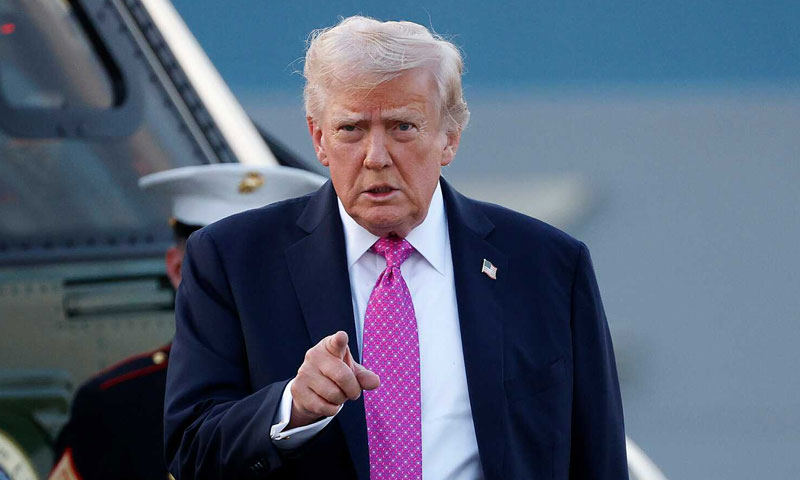
Big Spending, Bigger Warnings: US President Donald Trump Proposes Record $1.5 Trillion US Defence Budget
US President Donald Trump has announced plans to dramatically expand America’s military spending, proposing a defence budget of $1.5 trillion for the next fiscal year — a 50 per cent jump that would mark the largest military outlay in US history. Speaking on Wednesday, Trump said the increase was necessary to confront what he described as “very troubled and dangerous times,” arguing that the current level of defence spending was no longer sufficient for America’s global security needs. In a post on his Truth Social platform, Trump said he had decided that the military budget for 2027 should rise well beyond the previously discussed $1 trillion mark. He claimed the expanded funding would help create what he called a “dream military” capable of deterring any adversary and ensuring the country’s safety. pic.twitter.com/S79vvQ6jFD — Rapid Response 47 (@RapidResponse47) January 7, 2026 Since returning to office, Trump has relied heavily on US military power, authorising strikes against Yemeni rebels, Iranian nuclear facilities and suspected drug-smuggling vessels. His administration has also carried out a high-risk special forces operation to seize Venezuelan leader Nicolás Maduro, underscoring his aggressive approach to foreign and security policy. Trump said the massive spending increase would be financed through revenue generated by the sweeping tariffs his administration has imposed on both allies and rivals. The United States already spends more on defence than any other country by a wide margin. A rise to $1.5 trillion would further widen the gap with competitors such as China and Russia, while potentially fuelling concerns about a renewed global arms race. Defence Industry Under Fire Despite proposing a budget that would significantly benefit defence manufacturers, Trump simultaneously launched a public attack on major arms contractors, accusing them of prioritising shareholder payouts over industrial investment. He said defence firms were issuing “massive dividends and stock buybacks” while underinvesting in factories and production capacity. Trump also criticised executive compensation in the sector, calling pay packages “exorbitant and unjustifiable.” The president said he wanted to cap defence executive salaries at $5 million and halt dividends and buybacks until companies increased investment in plants and equipment, though he did not outline how such measures would be enforced. The comments rattled financial markets. Shares of major defence companies, including Lockheed Martin and General Dynamics, fell more than four per cent, while Northrop Grumman dropped over five per cent. Trump singled out Raytheon, saying the Pentagon had described it as the slowest and least responsive contractor in scaling up production. He warned that the company risked losing government contracts if it failed to boost investment in manufacturing capacity. The announcement also follows last year’s decision by NATO allies to commit to raising defence spending to five per cent of GDP by 2035 — a move widely seen as a response to sustained pressure from Trump.
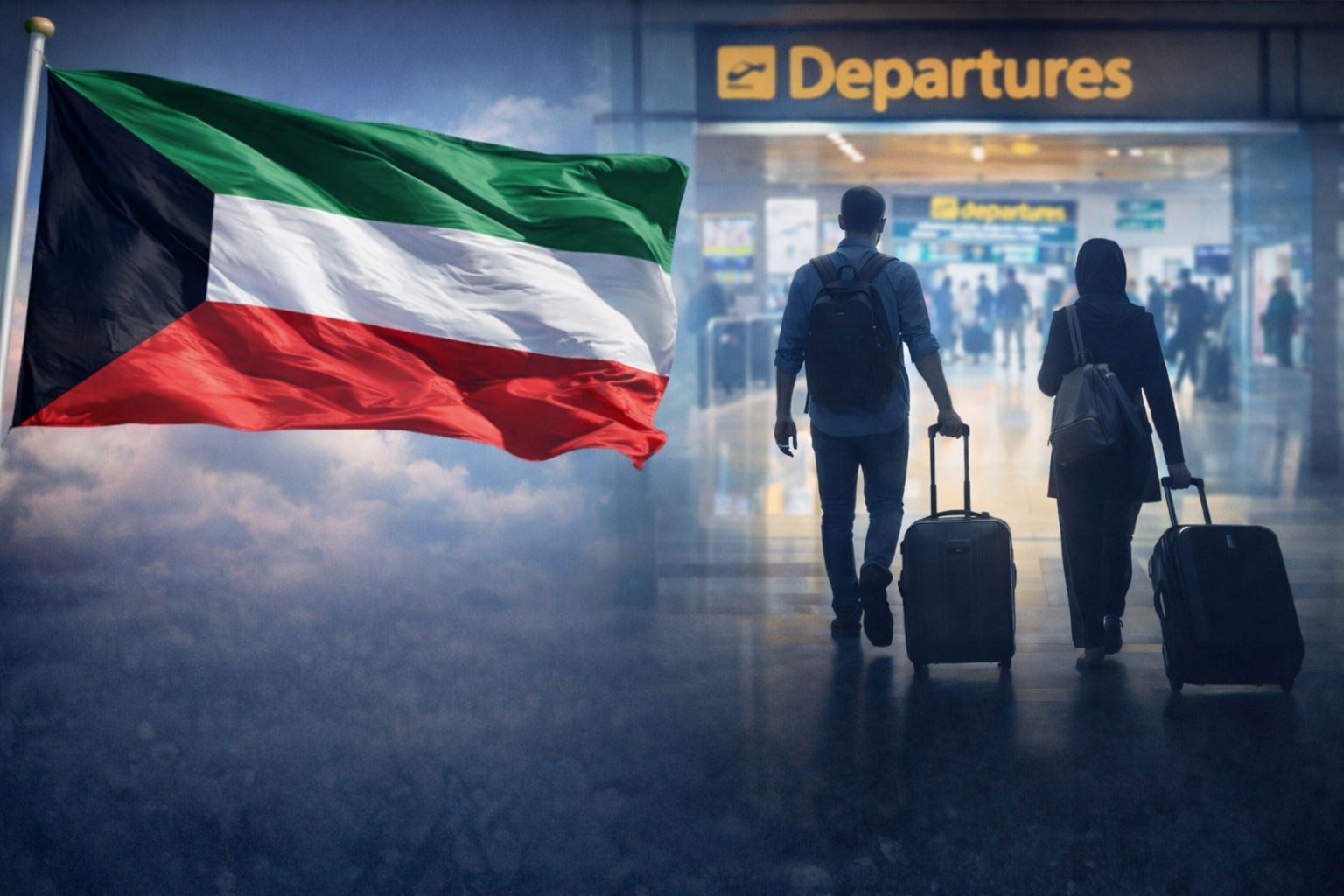
New Residency Rules: Kuwait Tightens Absence Limits for Foreign Residents
Kuwait has rolled out new residency regulations that restrict how long foreign residents can remain outside the country, marking a significant shift in its immigration oversight framework. Under the updated executive regulations of Kuwait’s residency law, expatriates will now be allowed to stay abroad for no more than six consecutive months without risking the loss of their residency status, according to Kuwait Ministry of Interior. The rule applies across most residency categories, with limited exemptions. The changes, reported by Gulf News, are aimed at tightening compliance, improving residency monitoring, and ensuring that foreign residents maintain an active presence in the country. Authorities have clarified that investors and property owners may be exempt from the six-month restriction, reflecting a more flexible approach toward long-term and economically significant residents. Separate Rules for Domestic Workers The revised regulations also introduce specific provisions for domestic workers under Article 20 of the residency law. Domestic staff will be permitted to remain outside Kuwait for a maximum of four months, unless their sponsor formally applies for and receives approval for extended leave. Officials say the differentiated framework is intended to balance stricter enforcement with practical flexibility, particularly for categories that require tailored arrangements. Stronger Oversight of Residency Status The Interior Ministry said the new system is designed to streamline residency management, curb prolonged absences, and prevent misuse of residence permits. By setting clear limits on time spent abroad, Kuwait aims to ensure that residency reflects genuine ties to the country rather than being used solely for long-term stay outside its borders. The policy is part of broader efforts by Kuwait to regulate immigration, manage demographics, and align residency practices with national priorities. Officials noted that while the rules introduce stricter controls, the government remains committed to maintaining reasonable flexibility for residents who contribute to the country’s economy and long-term development.

From First Fireworks to Final Countdown: Where the New Year Starts and Ends
As fireworks light up skies around the world and countdown clocks hit zero, the arrival of a new year is not as simultaneous as it feels. In fact, due to the way Earth is divided by time zones, it takes 25 full hours for the New Year to sweep across all inhabited parts of the planet. At the heart of this staggered celebration is the International Date Line — the imaginary boundary that marks where each new day begins and ends. While it generally follows the 180th meridian in the Pacific Ocean, the line doesn’t run straight. That’s because, as explained by the National Oceanic and Atmospheric Administration, the date line has no legal international status. Countries are free to decide which calendar day they observe — and some have used that freedom to their advantage. The First Place to Ring in the New Year The honor of welcoming 2026 first belongs to Kiritimati (Christmas Island), part of the island nation of Kiribati. Although the island lies almost directly south of Hawaii, it celebrates the New Year a full day earlier. This wasn’t always the case. Before 1995, the International Date Line actually split Kiribati, meaning different islands were living on different calendar days. That changed when the country’s president shifted the date line eastward to wrap around the nation, unifying its time zones. The decision unexpectedly placed Kiribati at the very front of the global calendar — a move that also ensured it became the first country to welcome the year 2000. As a result, Kiribati entered 2026 when it was still 5 a.m. on December 31 in the US Eastern Time Zone. Soon after, Samoa and Tonga followed, with Auckland in New Zealand becoming one of the first major cities to celebrate the New Year with large public events. The Last to Say Goodbye to 2025 On the opposite end of the timeline are Niue and American Samoa. Located just southwest of Kiribati, these islands are the final inhabited places on Earth to enter the New Year. By the time American Samoa welcomes 2026, much of the world has already been living in the new year for nearly a full day. In US Eastern Time, the moment arrives at 6 a.m. on January 1 — closing the 25-hour global New Year journey.
