

YouTube will make it harder for new creators to qualify for advertising and YouTube Premium revenue sharing from February 1, 2027, after announcing a major overhaul of Partner Program entry thresholds. New applicants seeking the ad-revenue tier will need at least 1,000 subscribers plus either 8,000 qualified public watch hours in the previous 365 days or 20 million qualified Shorts views in 90 days. YouTube confirmed the change on August 10. Existing partners will not lose access simply because they fall below the new entry bar. Monetisation thresholds double for new creators The current requirement is 1,000 subscribers and either 4,000 qualified watch hours in 12 months or 10 million qualified Shorts views in 90 days. The February change doubles both audience thresholds while leaving the subscriber requirement unchanged. “This update won’t impact creators already in YPP,” YouTube said in its official announcement. Read More: Google Slashes YouTube Premium Price by 50% for Eligible Users YouTube defines qualified watch hours as viewing time from public long-form videos. Hours from private, unlisted or deleted videos do not count. Watch time generated by ad campaigns and Shorts also does not contribute toward the long-form threshold. Qualified Shorts views must come from public Shorts appearing in the Shorts Feed. YouTube says the platform now records more than 200 billion daily Shorts views. Users also watch over one billion hours of YouTube content on television screens each day. Shorts creators face separate revenue rule YouTube is also changing how Shorts revenue is distributed. From February 1, creators will need 10 million qualified Shorts views during the previous 90 days to receive ad and subscription revenue sharing from Shorts. Channels that drop below that level will remain inside YPP and can continue earning from eligible long-form content. Shorts revenue sharing will resume automatically if their 90-day total rises above 10 million again. Read More: End of Endless Scrolling? YouTube Adds Option to Remove Shorts YouTube plans additional incentives for creators below that threshold. The company cited potential bonuses linked to YouTube Shopping, brand deals and starting or growing trends, although it has not released full details. The lower entry thresholds for fan funding and selected Shopping features will remain unchanged. In eligible markets, creators can currently access that level with 500 subscribers, three public uploads in 90 days and either 3,000 watch hours or three million Shorts views. Premium Lite expansion adds another earning stream YouTube is also expanding Premium Lite to every country where YouTube Premium is offered. The company says creators will share revenue generated from those subscriptions based on member watch time and views. YouTube said the Premium Lite revenue pool will represent 60% of net subscription revenue, while the Premium pool will represent 30%. Creators receive a 55% revenue share for long-form videos and 45% for Shorts from the relevant distribution. The new YPP terms take effect on February 1, 2027. For aspiring creators, reaching advertising revenue eligibility will require far more viewing activity than under the current system.
Google Is Free for You, So Who Actually Pays the Bill?
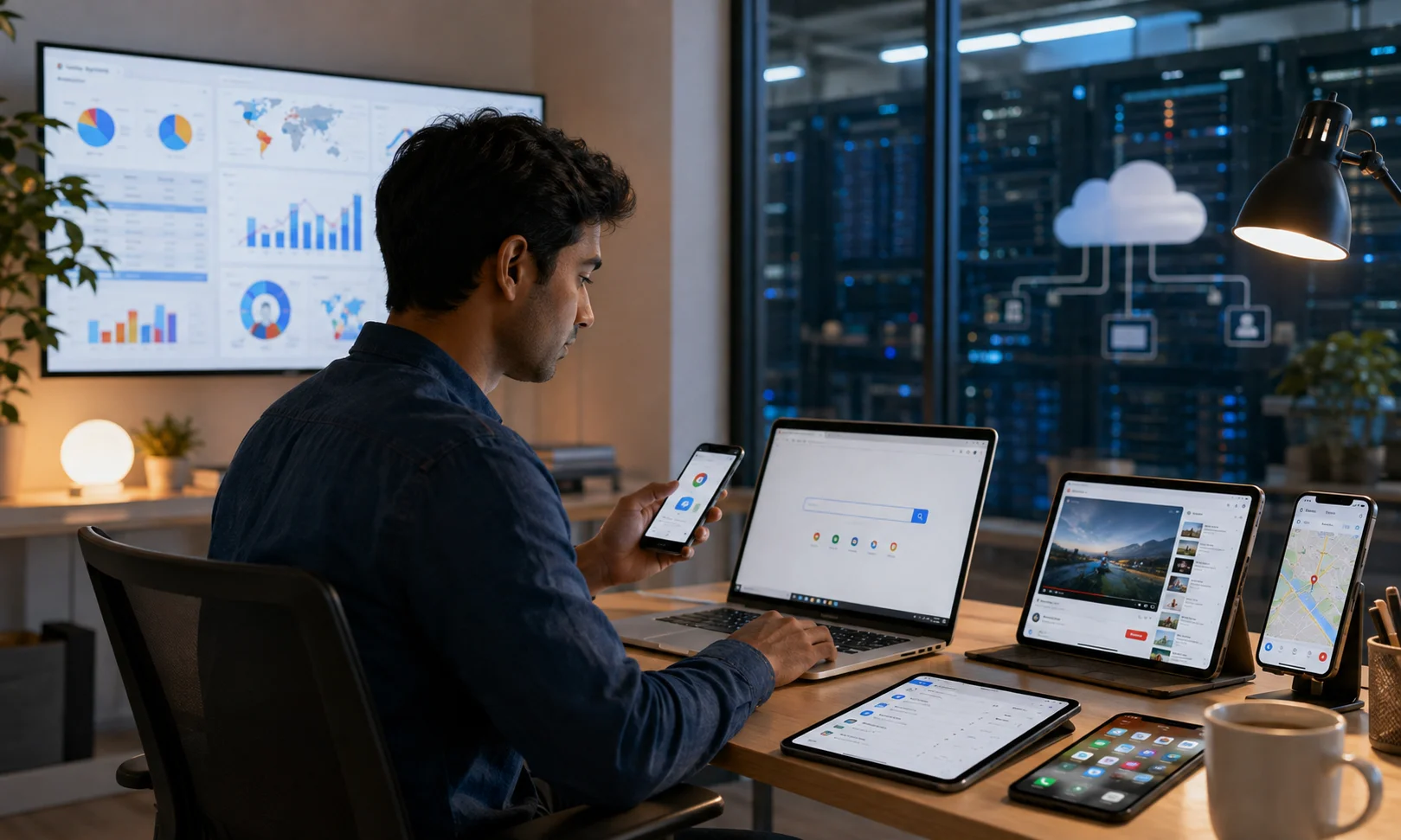
Google lets people search, navigate, watch YouTube, use Gmail and run Android devices without paying directly. Yet Alphabet generated $119.8 billion in the quarter ended June 30, 2026, up 24 percent. Across 91 days, that equals about $1.32 billion daily, $54.9 million hourly and more than $915,000 every minute. Search Advertising Remains the Main Engine Advertising generated $81.63 billion, or about 68 percent of quarterly revenue. Google Search and related advertisements contributed $63.27 billion. YouTube advertising added $11.06 billion, while Google’s advertising network brought in $7.3 billion. Search is valuable because queries can reveal what users need or may soon buy. Someone searching for “Dubai hotel deals,” “mortgage rates” or “best running shoes” shows clear commercial intent. Businesses pay for a chance to appear beside those searches. Advertisers often pay when users click, although campaigns can also target views, purchases, registrations or calls. The highest bidder does not automatically secure the top position. Google says its auction considers the bid, advertisement quality, landing-page experience, device, location and search context. Read More: Google Gemini Now Creates Word, Excel and LaTeX Files Instantly Search and other advertising revenue rose 17 percent and supplied nearly 53 percent of Alphabet’s total revenue. “Our popular AI features are driving Search query growth,” chief executive Sundar Pichai said. Google allows advertisements above, below or within AI Overviews. Its advertising products also support newer search experiences such as AI Mode. YouTube, Android and Subscriptions Add Revenue YouTube earns from advertisements shown before, during and beside videos. It shares eligible advertising income with creators through the YouTube Partner Programme. YouTube advertising revenue increased 13 percent during the quarter. Pichai said more than 1.7 billion unique viewers watched videos related to the 2026 FIFA World Cup. YouTube also charges Premium subscribers for advertisement-free viewing, offline downloads and background playback. Android extends Google’s services across mobile devices. The Android Open Source Project remains freely available, but Google Mobile Services requires a separate licence. Google Play charges service fees on eligible paid apps, subscriptions and in-app digital purchases. Alphabet’s subscriptions, platforms and devices division generated $12.91 billion, up 15 percent. It includes subscriptions, Google Play-related income and hardware sales. Cloud Growth Reduces Reliance on Ads Google Cloud revenue jumped 82 percent to $24.77 billion. Companies pay for computing, storage, cybersecurity, workplace software and artificial intelligence tools. Google says it sells advertising space and tools, not users’ personal information. Depending on settings, it may use search activity, YouTube history, approximate location and device signals to personalise advertisements. The company says it does not share names or email addresses with advertisers unless users request it. It also says Gmail, Drive and Photos content does not support advertising personalisation. Read More: Google Slashes YouTube Premium Price by 50% for Eligible Users Alphabet recorded $16.18 billion in traffic-acquisition costs. These payments compensate partners that direct users to Google or display its advertising. Google’s consumer services appear free because other customers pay the bill. Advertisers buy audience access, subscribers purchase features, developers use its marketplace and organisations buy cloud technology.
