


Pakistan’s leading digital microfinance institution, Mobilink Bank, has taken another step toward inclusive and sustainable education by solarizing the Digital Arts Lab at Khatoon-e-Pakistan Government Girls Secondary School in Karachi. The initiative, implemented under the bank’s Corporate Social Responsibility (CSR) program, aims to ensure uninterrupted access to digital and creative learning for girls by addressing one of the most persistent challenges facing public schools: unreliable electricity. The Digital Arts Lab is operated by Zindagi Trust, an organization known for transforming public education spaces into modern, future-ready learning environments. With the installation of a solar energy system, the lab can now function without disruption, allowing students to consistently engage with digital tools, creative software, and technology-based learning activities. The project directly benefits around 320 students from grades 6 to 8 and is designed to support all future cohorts enrolled in the lab. By securing a clean and dependable energy source, the initiative removes infrastructure barriers that often limit the effectiveness of digital education in government schools. Haaris Mahmood Chaudhary, President and CEO of Mobilink Bank, said that access to sustainable energy is essential for meaningful learning in today’s technology-driven world. He noted that the partnership with Zindagi Trust reflects the bank’s commitment to empowering young girls with the skills they need to learn, create, and thrive, while also contributing to long-term environmental sustainability. Zindagi Trust highlighted that lasting education reform requires more than updated curricula—it also depends on enabling infrastructure. By integrating renewable energy into a technology-focused learning space, the Trust reinforced its mission to ensure that students in public schools are not left behind as education rapidly digitizes. Beyond its immediate impact, the solarization project is a long-term investment in the school’s learning environment. It strengthens educational continuity for current students and secures lasting benefits for generations to come at Khatoon-e-Pakistan Government Girls Secondary School. The initiative underscores a shared vision between Mobilink Bank and Zindagi Trust to bridge critical gaps in education through scalable, sustainable, and socially responsible solutions—particularly those that advance girls’ education, digital inclusion, and environmental responsibility.

Air China Orders 60 Airbus A320neo Jets in $9.5 Billion Deal
China’s national carrier Air China has finalized an agreement with European aircraft manufacturer Airbus to purchase 60 A320neo aircraft, in a deal valued at around $9.5 billion based on list prices. The agreement, signed by Air China and one of its subsidiaries, adds momentum to a wave of aircraft orders announced this week by Chinese airlines, including low-cost carrier Spring Airlines and full-service operator Juneyao Airlines, highlighting renewed expansion in the world’s second-largest aviation market. According to a filing submitted to the Shanghai Stock Exchange, the aircraft will be delivered in phases between 2028 and 2032, allowing the airline to gradually expand and modernize its narrow-body fleet. Airbus welcomed the decision, saying it was “very pleased” that Air China had chosen to add more aircraft from the A320 family, one of the manufacturer’s most popular and fuel-efficient models. Aviation analyst Li Hanming said the order falls under a broader 2022 framework agreement between Airbus and China Aviation Supplies Holding Company (CASC). That deal covered 132 A320-family jets and eight A350 widebody aircraft, with a combined value of approximately $17 billion. “Large framework agreements are typically followed by individual contracts over time,” Li noted, explaining the delay between the initial deal and the latest purchase. The latest order further strengthens Airbus’s position in China at a time when prolonged political tensions between Beijing and Washington have limited opportunities for its U.S. rival Boeing to secure new aircraft orders in the Chinese market.

From Superstar to Host: Salman Khan’s Simple Gesture Goes Viral
Dubai witnessed a different side of Salman Khan this week — one that had nothing to do with film sets or box-office numbers. Instead, the Bollywood superstar won over the internet by stepping into a kitchen and serving up smiles along with a plate of bhel puri. A video that has since gone viral was shared by actor Genelia Deshmukh, capturing an intimate get-together hosted by Salman just days after his 60th birthday. The clip shows the actor playing the perfect host, personally preparing the popular Indian street snack for close friends. Standing confidently behind the kitchen counter, Salman is seen assembling the bhel puri with ease — tossing together chopped green chillies, crushed pani puri, boiled potatoes and chickpeas, puffed rice, onions, and tomatoes. With a quick shake and a calm smile, he serves the freshly mixed snack, making the moment feel effortlessly warm and personal. The special serving was made for actor Riteish Deshmukh, who jokingly named the dish “Bhauchi Bhel,” adding a dose of humour that instantly resonated with fans online. View this post on Instagram A post shared by Genelia Deshmukh (@geneliad) Sharing the video, Genelia praised Salman’s generosity and thoughtfulness, noting that there’s “no one like him.” She highlighted how the actor always makes it a point to ensure his guests feel at home — this time by personally whipping up a beloved snack instead of leaving it to the kitchen staff. Social media users were quick to react, flooding the comments section with admiration and playful banter. Many joked that it was the “most expensive bhel puri in the world,” while others quipped that even a single plate must be worth crores. Beyond the humour, fans applauded Salman’s simplicity, calling the moment wholesome and a reminder of his big-hearted nature. The viral clip offers a rare glimpse into Salman Khan’s off-screen life — one where food, friendship, and laughter take centre stage. For a day, the superstar swapped stardom for a spatula, proving that sometimes the smallest gestures leave the biggest impression.

Tea Wars: Black vs Green and the Truth About Health Benefits
Black tea and green tea may taste worlds apart, but they actually come from the same plant, Camellia sinensis. The difference lies in how the leaves are processed. Green tea is lightly heated soon after harvest, preserving many of its natural compounds, while black tea is fully oxidized, giving it a darker color and stronger flavor. These processing choices shape not just taste, but also how each tea affects the body. What Science Says About Heart Health When it comes to heart health, research has yet to declare a clear winner. Recent studies suggest that both black and green tea may support cardiovascular health, but the evidence remains mixed. Green tea is often praised for its catechins, especially EGCG, which are linked to reduced oxidative stress and inflammation. Black tea contains different antioxidants which may help improve blood vessel function and circulation. Observational studies show regular tea drinkers often have lower risks of heart disease, but experts caution that lifestyle, diet, and genetics all play a major role. Antioxidants: Different Types, Similar Benefits Green tea is typically higher in catechins, making it popular among those focused on metabolic and cellular health. These antioxidants are associated with benefits for brain function, weight management, and blood sugar regulation. Black tea’s antioxidants, formed during oxidation, may help reduce LDL (“bad”) cholesterol and support gut health. While their antioxidant profiles differ, both teas contribute to the body’s defense against free-radical damage. Caffeine, Energy, and Focus Black tea usually contains slightly more caffeine than green tea, offering a gentle energy lift without the intensity of coffee. Green tea, however, pairs its caffeine with L-theanine, an amino acid known for promoting calm focus and mental clarity. This combination is why many people report smoother, longer-lasting energy from tea compared to coffee, with fewer jitters or crashes. Which Tea Should You Choose? Ultimately, the better tea is the one you enjoy and can drink consistently. Green tea suits those who prefer lighter flavors and potential metabolic benefits, while black tea appeals to those who enjoy a bold, comforting cup, often with milk. Experts agree that moderate, regular consumption without excessive sugar or cream is the key to unlocking tea’s health benefits.
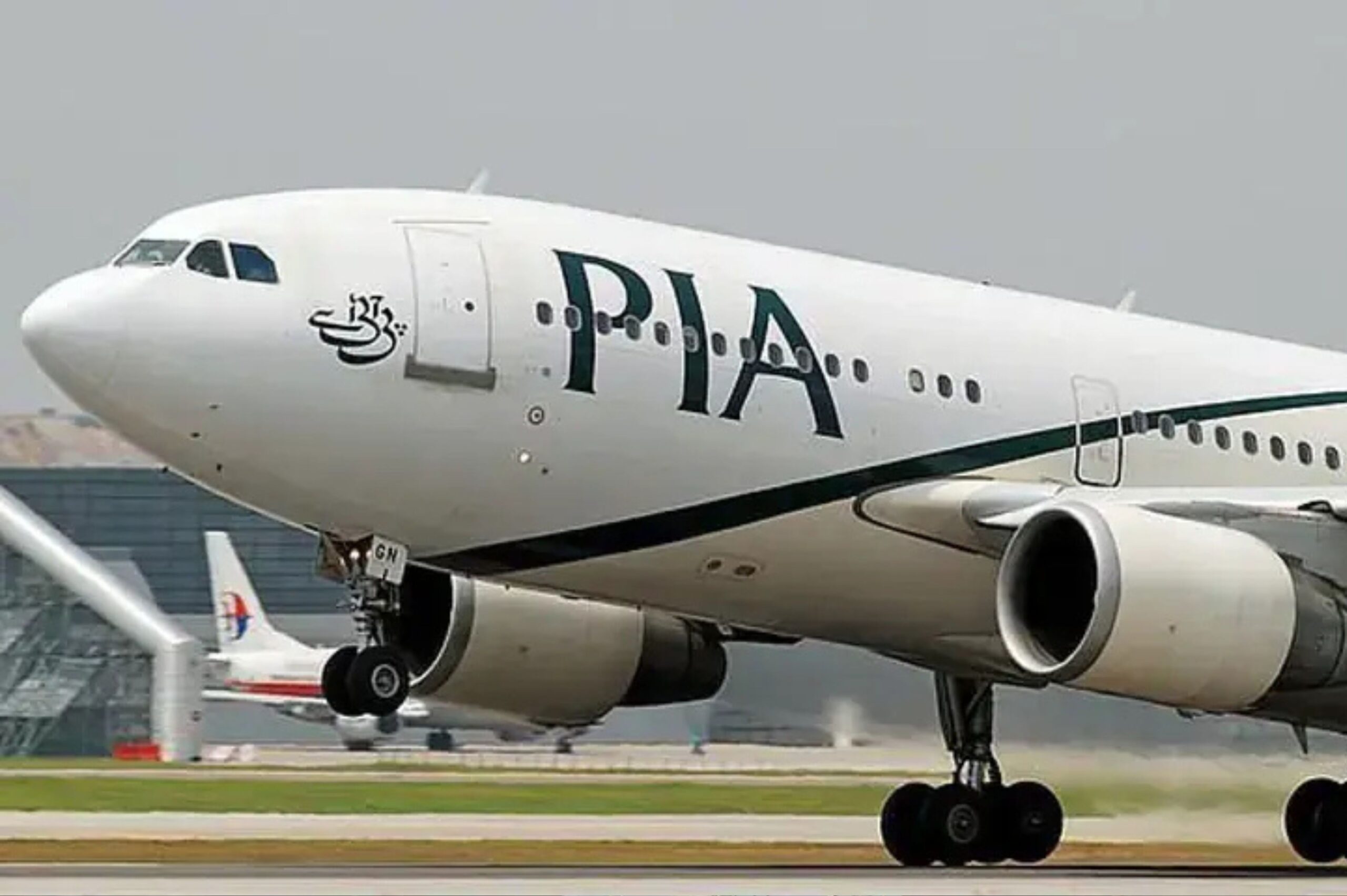
PIA Finally Restores Islamabad-London Flights After Six Years
Pakistan’s flag-carrier Pakistan International Airlines (PIA) is poised to restore one of its most iconic international routes after a six-year absence, with direct flights between Islamabad and London scheduled to resume from March 29, 2026. The announcement marks a symbolic and commercial comeback for the airline, reconnecting the Pakistani capital to the UK’s busiest airport, Heathrow Terminal 4, with four weekly flights that will operate on a regular schedule — a long-awaited boost for passengers and the large Pakistani diaspora in Britain. Once a staple of PIA’s network, the Islamabad-London service was suspended in 2019 amid mounting operational and regulatory challenges, especially after the UK and EU imposed bans on PIA’s operations in 2020 following aviation safety concerns tied to a tragic crash in Karachi and issues surrounding pilot licensing. Those restrictions were only lifted in 2025 after years of reforms, including improved maintenance standards, stricter pilot training oversight, and comprehensive safety audits. In October 2025, PIA celebrated its first step back into the UK market by resuming flights to Manchester, symbolising the gradual restoration of links that had been severed for nearly half a decade. The return of London flights now takes that progress further, reaffirming PIA’s ambition to re-establish itself among long-haul carriers connecting South Asia and Europe. Industry analysts see this move not only as a service expansion but as a strategic effort to brand PIA as a reliable global airline after years of setbacks. London Heathrow is notoriously difficult to secure slots at, and PIA’s ability to reclaim four weekly timings signals confidence from regulators and airport authorities alike. The timing also aligns with PIA’s ongoing privatisation, where a consortium led by the Arif Habib Corporation acquired a majority stake in the airline, injecting significant investment and setting ambitious plans to grow the fleet from a lean operation into a broader international competitor. These upgrades are expected to improve passenger comfort, operational efficiency, and PIA’s global brand, all while supporting trade and travel between Pakistan and the UK’s business and cultural hubs. For many travellers, the news is personal: direct London flights mean more convenience, competitive fares, and better connectivity for families, students, business travellers, and visitors who were forced to take indirect routes for years. With the March launch date now in sight, PIA’s historic return to Heathrow is shaping up to be a major milestone in its recovery story.

Is Matcha Healthier Than Coffee? Here’s What Science Says
For years, coffee has been the go-to drink for millions looking to kickstart their day, but a growing number of health-minded consumers are turning to matcha which is a finely ground Japanese green tea, as a smoother, more sustained alternative. While both beverages deliver a dose of caffeine, they differ in how that energy feels and how it affects the body, leading many to ask: is matcha better than coffee? At a basic level, coffee generally contains more caffeine per cup, providing a quick and noticeable energy spike that can sharpen alertness and even help suppress appetite in the short term. Matcha’s caffeine content tends to be lower per serving but it is absorbed more slowly by the body thanks to the amino acid L-theanine. This duo can create a more steady, calm boost in focus without the jitters or sudden crash many people associate with coffee. Beyond caffeine, one of matcha’s biggest strengths lies in its high antioxidant content. Because the whole tea leaf is consumed as a powdered drink, matcha delivers significantly more catechins and polyphenols than steeped teas and potentially more than coffee, depending on preparation. These are natural compounds linked to reduced oxidative stress and inflammation. Antioxidants like EGCG have been studied for their role in heart health, metabolic support, and even cognitive benefits. People who switch from coffee to matcha often describe the energy as longer-lasting and gentler, with fewer midday slumps. Some research also suggests matcha can support focus under stress and aid attentional performance better than caffeine alone. Furthermore, matcha’s lower acidity makes it less likely to irritate the stomach which is a plus for those with sensitive digestion. Its L-theanine content may even help with relaxation and stress reduction. That said, matcha isn’t a magic solution. For coffee lovers, its distinct earthy flavor and milder kick can feel less satisfying, and quality varies widely across products. Some people also find the ritual of preparing matcha, whisking powdered tea with water, more time-consuming than brewing coffee. In the end, whether matcha is better than coffee depends on your goals: if you want quick, intense energy and metabolic boosts, coffee still delivers; if you’re after consistent focus, rich antioxidants, and gentler stimulation, matcha might just win your morning.

BBL Shock: Pakistan’s Fast Bowling Star Ruled Out After Painful Gabba Exit
Pakistan’s premier fast bowler Shaheen Shah Afridi has been ruled out of the Big Bash League (BBL) 15 after suffering a knee injury, cutting short what was expected to be an exciting Australian T20 franchise stint just weeks before the ICC Men’s T20 World Cup 2026. The left-arm spearhead, who joined Brisbane Heat as a marquee overseas signing, was forced off the field during his side’s clash against the Adelaide Strikers at the Gabba on December 27 after experiencing discomfort in his right knee while attempting to field late in the match. Afridi had bowled three overs for 26 runs before limping off, visibly grimacing and pointing to the affected joint, sparking immediate concern among fans and medical staff alike. Despite his early exit, Brisbane Heat managed to secure a narrow seven-run victory, but the mood quickly shifted as scans and medical assessments later revealed a knee cartilage issue. Following consultation between the Brisbane Heat medical team and the Pakistan Cricket Board (PCB), a cautious decision was made to recall Afridi to Pakistan to begin rehabilitation. The PCB revoked his No-Objection Certificate (NOC), effectively ending his BBL campaign and prioritizing his fitness ahead of national team commitments. Shaheen himself confirmed the developments on X, thanking the Heat franchise and fans for their overwhelming support and expressing his disappointment at not finishing the season. The 25-year-old played four matches in this year’s Big Bash, picking up just two wickets with an economy rate above 11, a modest return compared to expectations. While the precise timeline for his return to full fitness remains unclear, both PCB and Heat officials have emphasized a structured rehab plan aimed at ensuring he’s ready for Pakistan’s looming international challenges rather than risking further strain in Australia’s domestic tournament. Shaheen’s premature exit is a blow not just for Brisbane but also for Pakistan, who count on his ability to generate pace and early breakthroughs, particularly with the T20 World Cup starting on February 7, 2026 in India and Sri Lanka. Questions now swirl around his availability for the showpiece event, increasing pressure on the PCB’s medical and selection teams to manage his recovery meticulously.
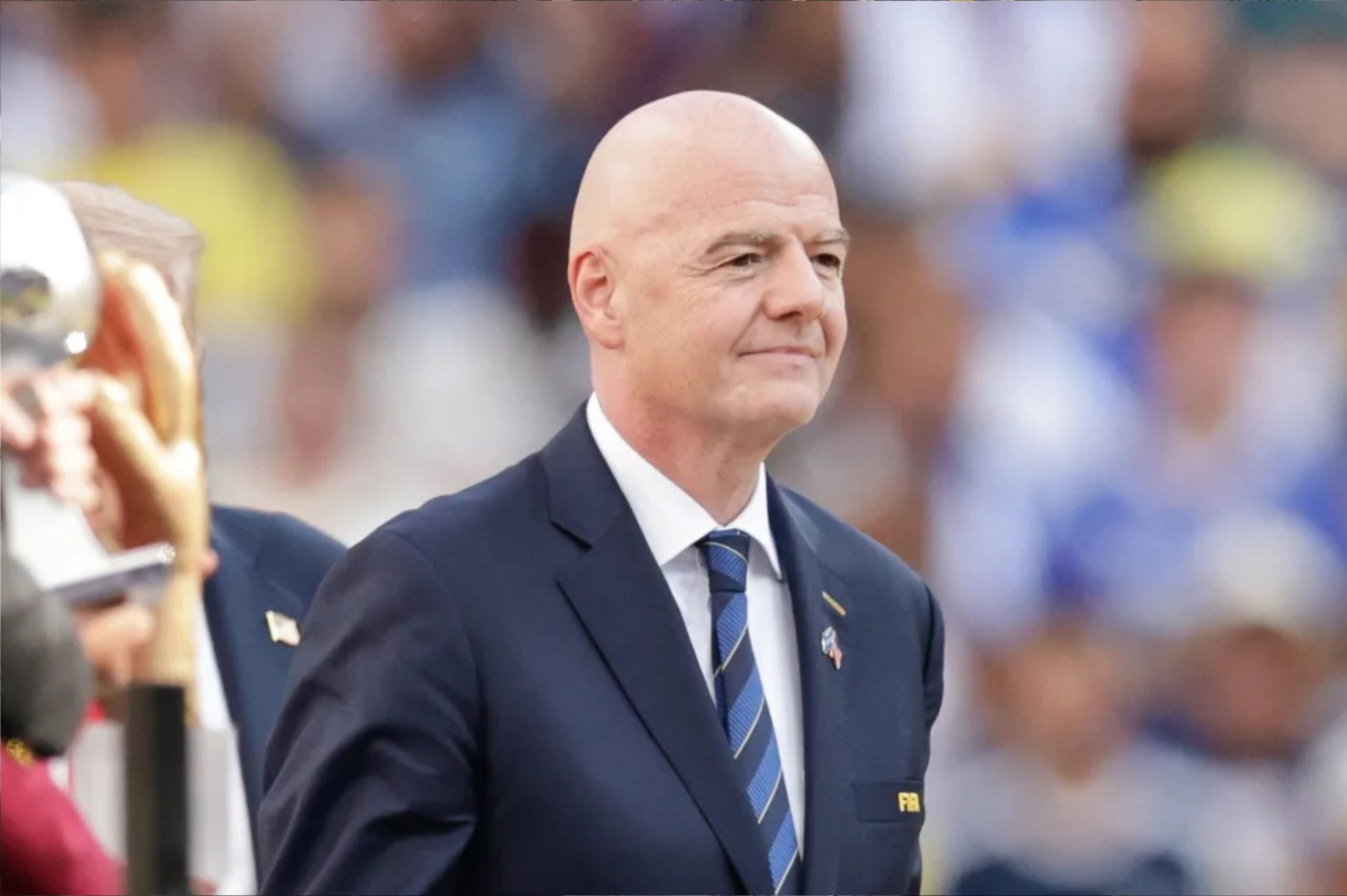
World Cup 2026 Ticket Prices Under Fire as FIFA President Defends Costs
FIFA is facing fresh controversy just months before the 2026 World Cup as fans around the globe push back against ticket prices that many say are “unaffordable” and out of touch with ordinary supporters. The governing body’s president, Gianni Infantino, broke his silence this week in Dubai, defending the pricing strategy by pointing to what he described as “absolutely crazy” demand for tickets and the billions in revenue that help fund football worldwide. When FIFA opened ticket sales for the expanded 48-team tournament hosted across the United States, Canada and Mexico, prices triggered immediate backlash. Group-stage tickets were reportedly up to three times higher than those for Qatar 2022, and the cheapest seats for the final were listed in the thousands, far above what many fans expected. Critics labelled the costs “extortionate,” warning that regular supporters could be priced out of attending the sport’s biggest event. In response to the uproar, FIFA introduced a Supporter Entry Tier — a limited number of tickets priced at around $60 for every match — aimed at loyal fans of participating nations. While this move was seen as a concession, it represents only a small fraction of overall availability, with most seats still sold at premium rates. Speaking at the World Sports Summit, Infantino said FIFA received about 150 million ticket requests in just 15 days, far outstripping the roughly six to seven million tickets available in this sales phase. He used those figures to argue that high demand justifies the pricing and highlights the global popularity of the sport. “In almost 100 years of World Cup history, FIFA has sold 44 million tickets in total. So in two weeks … we could’ve filled 300 years of World Cups. It’s absolutely crazy,” he said, underscoring his belief that the pricing reflects interest rather than arrogance. Infantino also emphasised that ticket revenue is reinvested into football development, claiming that without these funds, the sport might not thrive in as many as 150 countries. But critics remain unconvinced, arguing that the most loyal and traditional fans are being overlooked in favour of revenue from hospitality packages, resellers and international travellers. As the tournament draws closer, the debate over ticket pricing is likely to intensify, with fans and football organisations calling for greater transparency and fairness. Whether FIFA’s strategy will ultimately dampen enthusiasm for one of the world’s most beloved sporting events remains to be seen.

How Much Do American Airlines Pilots Actually Make? Salary Breakdown
A viral paystub from an American Airlines pilot has shocked the internet and sparked wide discussion about how much airline pilots actually earn especially at major U.S. carriers. A captain based in Miami flying the Boeing 737 shared their year-to-date earnings online, revealing a total compensation of nearly $458,000 for 2025, with an hourly flight pay rate above $360. The post quickly spread across social media and aviation forums, surprising many people who had no idea pilots could earn such figures. Pilot pay in the airline industry is structured differently than a typical salary, with most compensation tied to actual hours flown under federal regulations. U.S. pilots are generally capped at around 900–1,000 flight hours per year, meaning even with high hourly rates, total work time is limited making the nearly half-million-dollar figure impressive. In addition to base pay, pilots receive incentive pay, vacation pay, training and per diem allowances, which can meaningfully increase total earnings. The viral case isn’t necessarily the norm for all American Airlines pilots, but it highlights how lucrative the profession can be for seasoned captains on major aircraft. Salary data shows that first officers (co-pilots) at American Airlines typically start lower, with some estimates placing their pay from around $110,000 to $230,000 annually depending on experience and hours flown. Captains on larger jets, especially wide-body aircraft like the Boeing 777, have even higher earning potential. According to labor statistics and salary surveys, airline pilots in the U.S. have median annual earnings of about $226,600, though union contracts and company benefits can push total compensation significantly higher at major carriers, sometimes exceeding $500,000 for long-tenured captains with profit sharing and bonuses factored in. Public reaction to the pilot pay reveal has been mixed. Some commenters praised the high earnings as justified for a job that involves immense responsibility and rigorous training, while others argued that the scheduling demands, irregular hours and constant travel make the profession less appealing despite the pay. The debate also underscored a broader issue in aviation: pilot shortages and competitive hiring have driven up salaries industry-wide, as airlines strive to recruit and retain experienced flight crews. For aspiring aviators, this moment has drawn attention to a career path that offers increasing financial rewards as pilots gain seniority and, for passengers, a new data point on the professionals who safely guide flights around the globe.

Christmas Eve Rescue: Firefighters Save Squirrel Stuck in Trash Bin
In a heartwarming turn amid the holiday bustle, firefighters in upstate New York became unlikely rescuers this Christmas season when they saved a tiny squirrel trapped inside a dumpster on Christmas Eve. The Binghamton Fire Department received an unusual call late on December 24, reporting that a distressed squirrel was stuck and unable to escape on its own. With temperatures dipping and the festive spirit all around, responders knew this little animal needed help and fast. Upon arrival, firefighters found the squirrel clinging inside the trash receptacle, clearly distressed but alert. Dumpster rescues aren’t exactly part of the standard emergency call roster, but the crew treated this as a mission of compassion. Using their tools and steady hands, the team carefully reached into the container and lifted the tiny creature to safety. The squirrel, though cold and shaken, appeared to be uninjured which was a Christmas miracle for many onlookers. Social media quickly picked up the story, with locals praising the firefighters’ kindness. Photos and videos of the rescue were shared widely, showing firefighters gingerly carrying the rescued squirrel, spreading smiles during a season often filled with stress and harsh winter weather. Community members noted how the simple act of saving a small animal reflected the best of holiday generosity and goodwill. Animal welfare experts say squirrels are resourceful creatures, often foraging for food even in cold conditions, which may explain how this little one ended up exploring a dumpster. However, once inside, slick metal walls can make escape difficult. That’s when human help becomes critical. Local wildlife rehabilitators recommend leaving rescued animals in a warm, quiet place so they can recover from stress before being released back into a suitable outdoor environment when temperatures are more forgiving. This isn’t the first time firefighters have stepped beyond fighting flames to assist wildlife. Across the U.S., emergency crews regularly help birds trapped in storm drains, cats stuck in trees, and even turtles stranded on busy roadways. These moments remind communities that first responders play many roles — not just saving lives but also protecting the creatures that share our environments. For residents of Binghamton and beyond, the story of a brave little squirrel rescued from a dumpster brought unexpected joy and a reminder that kindness — big or small — matters all year round.
