

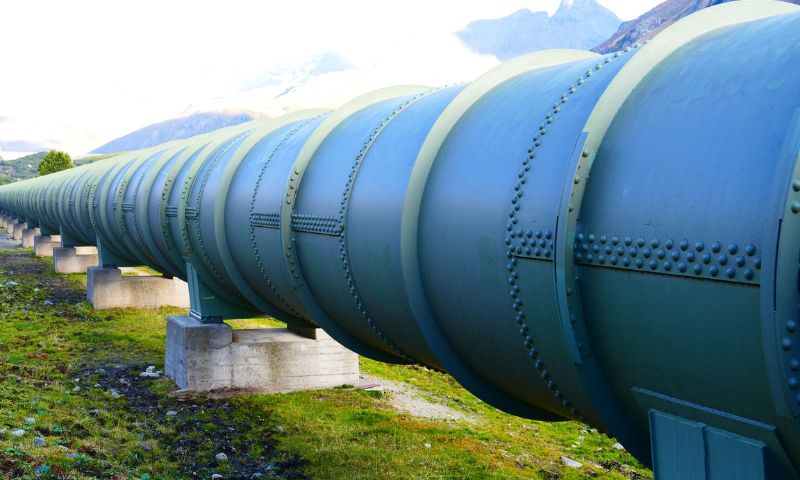
The federal government of Pakistan has announced an ambitious plan to change how petroleum products move across the country. The new strategy aims to shift oil transport from roads to pipelines, a move expected to cut costs, reduce fuel losses, and help consumers. Officials say this shift will also improve safety and reduce smuggling that costs the economy billions. Currently, all diesel and most petrol supplies in Pakistan depend on road transportation by tankers and trucks. This system is expensive, vulnerable to theft, and often slows delivery, especially in remote regions. Under the new plan, the government will gradually expand the pipeline network in phases. In the first step, officials will construct a pipeline from Faisalabad to Tahlian, connecting major refining and distribution hubs. Petroleum Minister Ali Pervaiz Malik explained that the shift to pipelines will lower transportation costs and deliver real relief to consumers struggling with high fuel prices. He also highlighted that the government has started installing a tracking system to monitor fuel movement more effectively and curb illegal distribution. The plan is part of a broader reform agenda for Pakistan’s energy sector. Officials say reforms already implemented have helped stabilize gas prices, and the government has reduced circular debt in the gas sector to zero. However, challenges remain. Payment issues involving state-owned companies and disputes with the Federal Board of Revenue are still being addressed, with a high-powered committee formed to resolve them. Experts say pipelines offer significant long-term benefits. Unlike road transport, pipelines reduce fuel losses, cut down on emissions, and lessen wear and tear on highways. Pipelines are also inherently safer, reducing accidents involving tanker trucks. Pakistan already has a legacy of successful pipeline projects, such as the White Oil Pipeline System and extensive networks operated by companies like PARCO and PAPCO, which transport millions of tons of petroleum products annually. Environmental and economic analysts note that transporting oil via pipeline is not only cheaper but also greener. Fewer trucks on the road mean reduced carbon emissions and less congestion. Experts believe this move could align with Pakistan’s climate goals while strengthening its energy infrastructure. The government’s plan has drawn interest from investors because expanding the pipeline network could open doors to new private sector participation and modernization of existing facilities. This could create jobs and improve energy security in the long run. However, some road transport workers have raised concerns about the potential impact on employment, as fewer tankers on the road could mean fewer jobs for truck drivers and allied workers. Policymakers say they will consider these concerns as part of the transition strategy. As Pakistan moves forward with this plan, officials are calling for cooperation from all stakeholders to ensure a smooth and effective transition from road-based oil transport to pipeline networks.
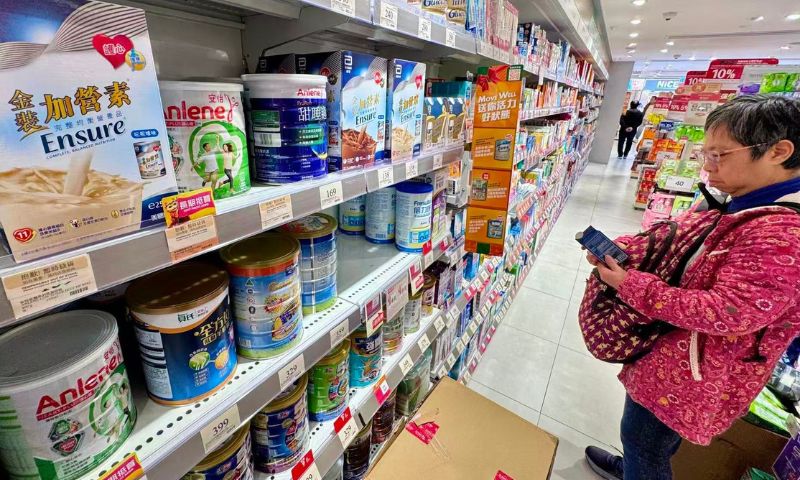
Urgent Alert: Dozens of Nestlé Infant Formula Batches Pulled Worldwide
Parents around the world are being urged to check their cupboards after Nestlé launched a major global recall of infant formula products. The Swiss food giant has pulled dozens of batches from shelves across Europe, Africa, Asia, the Americas, and the Middle East after tests showed a potential toxin risk in some products. The recall affects popular baby formulas sold under well-known brands such as SMA, BEBA, NAN, and Alfamino. Authorities say the products may contain cereulide, a toxin produced by Bacillus cereus bacteria. This compound can lead to food poisoning symptoms like nausea, vomiting, and abdominal cramps. Nestlé first began recalling batches in December 2025 after identifying a quality issue with an ingredient sourced from a third-party supplier. The company has since widened the recall after extensive testing. More than 37 countries have now issued warnings or removed affected products from sale. In Europe, regulators say this is one of the largest infant formula recalls in the company’s history. Authorities in Germany, France, Austria, Italy, and the United Kingdom have posted lists of affected batch numbers and are urging parents to check them carefully. Health officials in the United Arab Emirates and Qatar also announced recalls and warnings. Their statements emphasized that no illnesses have so far been linked to the recalled products, but warned consumers to avoid feeding them to babies as a precautionary measure. Vietnam’s health ministry has gone further, ordering a halt to sales and online listings of certain Nestlé infant formulas until the situation is clarified. Despite the scale of the recall, Nestlé and regulators stress that the action is precautionary. No confirmed reports of illness have been linked to the potentially contaminated formula. Still, medical experts advise parents and caregivers to stop using any affected batch and seek a safe alternative. The recall highlights ongoing concerns about food safety in infant nutrition, where even minor contamination can have serious implications for young children. Nestlé says it is working with suppliers to resolve the issue, speed up testing, and bring unaffected products back into distribution as quickly as possible. As the situation develops, parents are advised to stay informed through official health ministry announcements and Nestlé’s own recall notices.

Australia Crushes England 4–1: Ashes Decided at Sydney After Heart-Stopping Finish
Australia completed a dominant 4–1 Ashes series victory over England after securing a tense five-wicket win in the fifth Test at the Sydney Cricket Ground, bringing an emphatic end to the 2025–26 contest. The result confirmed Australia’s control over the series, even though the final match tested their depth and nerve. England entered the Sydney Test hoping to build on their morale-boosting win in Melbourne, but Australia’s consistency across conditions proved decisive. The hosts won three of the first four Tests through superior bowling discipline and key batting contributions, setting the tone for a series that was largely one-sided. The fifth Test, however, offered genuine drama. England’s standout performer was Jacob Bethell, who produced a career-defining innings under pressure. The young batter scored a fluent century in the second innings, displaying composure, strong shot selection, and maturity well beyond his experience. His knock gave England a fighting chance and briefly tilted momentum in their favour. Australia’s response came through squad depth and calm execution. Beau Webster, playing a crucial role in the final Test, made important runs in the first innings and contributed with the ball at key moments. His all-round effort disrupted England’s middle order and kept Australia within reach of the target. Chasing a modest but tricky total on the final day, Australia stumbled early and slipped into trouble after losing quick wickets. England’s bowlers applied pressure, and for a moment the match appeared evenly poised. That balance shifted when Alex Carey and Cameron Green combined with a composed partnership, absorbing pressure and rotating strike efficiently. Their stand guided Australia to victory without further collapse. Across the series, several Australians delivered consistently. Mitchell Starc led the bowling attack with pace and movement, repeatedly breaking partnerships. Travis Head emerged as Australia’s most productive batter, scoring vital runs at speed, while Steve Smith once again proved influential in key moments, anchoring innings when stability was required. Matthew Potts is the only one of the 15 ENG players that Mitchell Starc was not able to dismiss this #Ashes series #AUSvENG — Swamp (@sirswampthing) January 8, 2026 For England, the Ashes ended in disappointment, but Bethell’s emergence stood out as a rare positive. His performances suggested a promising future despite the overall result. Ultimately, the 2025–26 Ashes will be remembered as a series where Australia asserted dominance through depth, discipline, and experience—closing it out with composure when it mattered most.
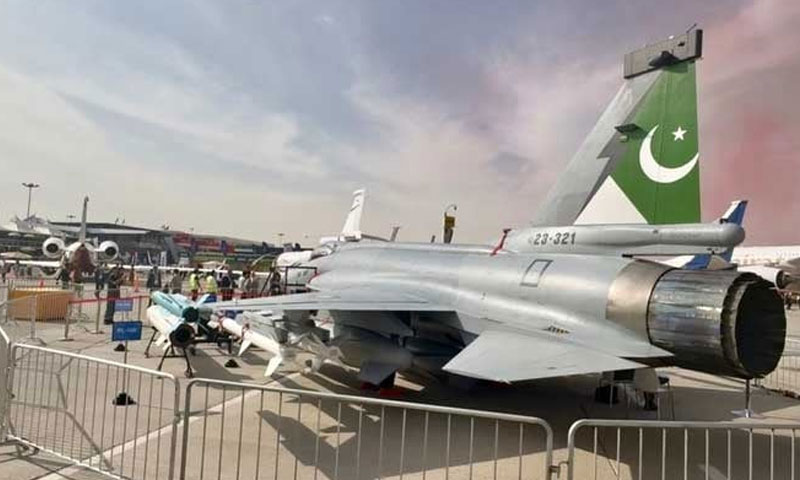
From Bailouts to Battle Jets: Pakistan, Saudi Arabia in $4bn Defence Talks
Pakistan and Saudi Arabia are exploring a major defence-finance arrangement that could see roughly $2 billion in Saudi loans converted into a fighter jet purchase, according to Pakistani officials familiar with the discussions. The talks centre on the JF-17 Thunder, a light combat aircraft jointly developed with China and manufactured in Pakistan. If finalised, the agreement would mark a significant step in turning last year’s mutual defence pact between Pakistan and Saudi Arabia into concrete military cooperation. The negotiations are taking place as Pakistan faces continued economic pressure, while Saudi Arabia reassesses its regional security partnerships amid shifting geopolitical dynamics. Officials say the proposed package could be worth around $4 billion in total, with half coming from loan conversion and the remainder allocated to additional defence equipment, weapons systems, and support services. While the JF-17 is the primary platform under discussion, sources indicate other military hardware options have also been considered. The talks have coincided with a visit by Pakistan Air Force chief Zaheer Ahmed Baber Sidhu to the kingdom for high-level meetings focused on defence and military cooperation, according to Saudi media reports. Retired Air Marshal Amir Masood said Pakistan is either negotiating or has concluded defence export deals with multiple countries, including for JF-17 aircraft and related avionics and weapons systems. He noted that the fighter jet’s appeal has grown because it is combat-tested and cost-effective, making it attractive for countries seeking affordable airpower solutions. The JF-17 has seen operational use in recent years, including during last year’s military escalation with India, the most intense confrontation between the two neighbours in decades. Neither Pakistan’s defence or finance ministries nor Saudi authorities have publicly commented on the negotiations. Requests for official confirmation have so far gone unanswered. Saudi Arabia has long played a stabilising role in Pakistan’s economy during times of financial stress. In 2018, Riyadh announced a $6 billion support package, including central bank deposits and deferred oil payments. These deposits have since been rolled over multiple times, helping Pakistan shore up its foreign exchange reserves. At the same time, Islamabad has accelerated efforts to export defence equipment and commercialise its domestic arms industry. In recent months, Pakistan has secured one of its largest-ever weapons export agreements, reportedly worth over $4 billion, with Libya’s eastern-based forces. Talks are also underway with Bangladesh for potential fighter jet sales. Defence Minister Khawaja Asif recently claimed that growing international demand for Pakistani military hardware could significantly improve the country’s economic outlook. Speaking to Geo News, he said successful arms exports could reduce Pakistan’s reliance on the International Monetary Fund, under whose $7 billion programme the country is currently operating. Pakistan has entered IMF support arrangements more than 20 times, often relying on financial backing from Gulf allies to stabilise its economy and avoid default.
