

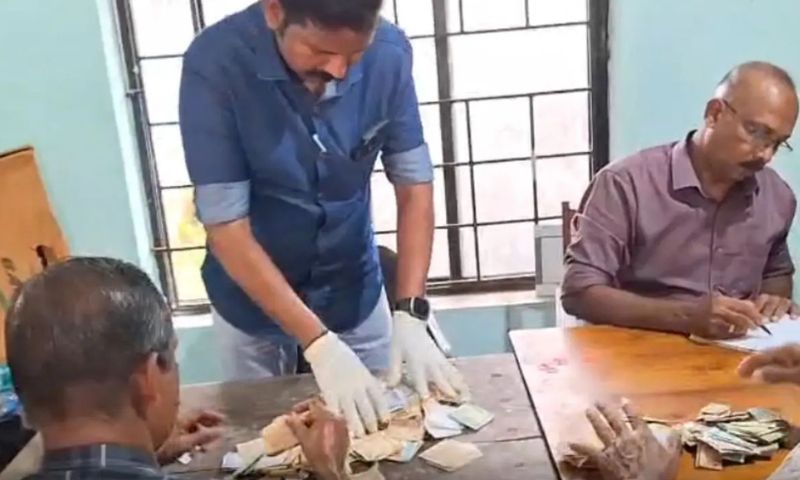
A quiet street beggar’s death has turned into an unusual mystery that has left residents and police puzzled after authorities found more than 4.5 lakh (Indian rupees) in cash hidden with him, including banned 2,000 notes and foreign currency (Saudi riyals). The discovery has sparked questions about his true background and how he came into possession of such a large amount of money. The man, locally known as Anil Kishore and believed to be in his 50s, was struck by a scooter on Monday evening in Alappuzha’s Charummoodu area. Neighbours rushed him to a nearby hospital, where he provided an address listing him as Anil Kishore Thaiparambil from Kayamkulam. Doctors noted serious injuries and recommended specialised care. However, Kishore left the hospital on his own later that night without notifying anyone. By Tuesday morning, his body was found near a roadside shop. Police were called in and began examining his belongings, which initially appeared ordinary until officers opened a container that altered the course of the case. Shocking cash discovery At the police station, investigators found plastic tins sealed with tape and filled with stacks of cash. The total amount recovered exceeded 4,52,207 (indian rupees). Significantly, this included banned 2,000 denomination notes, which have been out of circulation following demonetisation, as well as Saudi riyal banknotes in smaller quantities. The presence of foreign currency raised questions about possible overseas connections. Residents who had seen Kishore begging daily said they were shocked by the discovery. “He always looked like someone who had nothing,” said a panchayat member. “No one expected he would be carrying such a sum, let alone foreign currency.” Police probe and legal process No family members have so far come forward to claim the body or explain the source of the money. Nooranad police have taken custody of the cash and stated that if no rightful heirs are identified, the amount will be handed over to the appropriate court as unclaimed property under legal procedure. Investigators are now examining Kishore’s background to determine how he acquired the funds and whether any criminal activity may be involved. Inspector S. Sreekumar confirmed that the recovered cash will be produced before a court. Police have also questioned local residents and are reviewing hospital and public records to piece together Kishore’s history. Why the case raises questions The incident has drawn attention to how appearances can be misleading. A man who appeared destitute and lived by begging was found with a substantial amount of cash and foreign currency, prompting speculation about whether Kishore had undisclosed sources of income or deliberately concealed his wealth. For now, the mystery remains unresolved. Police say the investigation will continue as residents reflect on how little they truly knew about the man they saw every day.
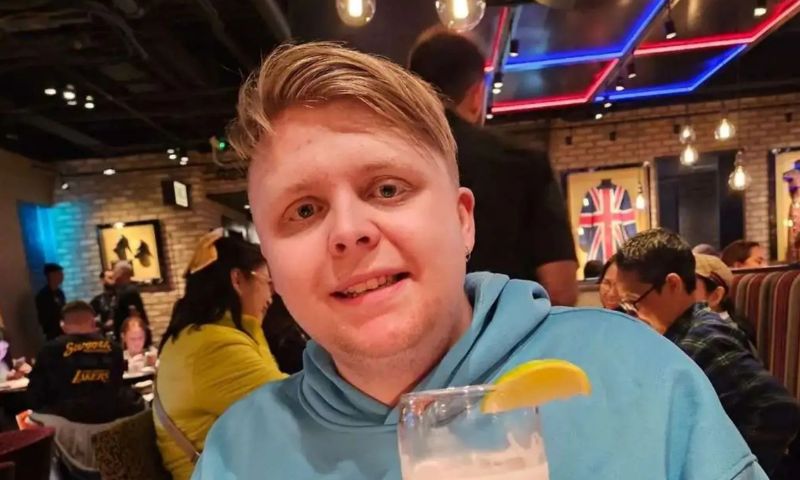
UK’s Youngest Dementia Patient Dies at 24 — Leaves Brain to Science
A rare and heartbreaking story out of the United Kingdom has drawn global attention to the devastating reality of dementia. Andre Yarham, just 24 years old, has died after battling an aggressive and uncommon form of dementia known as frontotemporal dementia (FTD), a condition typically seen in people aged 45 to 65. His family has donated his brain to medical research in hopes of shedding light on this cruel disease and helping others in the future. Andre, from Dereham in Norfolk, England, was first noticed to have concerning symptoms at just 22 years old when his mother, Samantha Fairbairn, observed sudden memory lapses, behaviour changes, and slower movement. Doctors initially did not expect such a diagnosis in someone so young. However, clinical scans revealed that his brain was already showing the shrinkage typically seen in a 70-year-old, prompting immediate further tests at Addenbrooke’s Hospital in Cambridge. Frontotemporal dementia affects the frontal and temporal lobes of the brain, leading to changes in behaviour, personality, language, and movement over time. Unlike Alzheimer’s disease, which often first impacts memory, FTD can show up in more subtle ways — irritability, impulsivity, and loss of social awareness — before progressing rapidly. In Andre’s case, the disease advanced quickly. Within months of diagnosis, he began to lose speech and struggled with basic tasks. His mother became his full-time caregiver, supporting him with daily needs. As his condition worsened, Andre was moved into full-time care in September 2025 when his family found it too difficult to manage at home. His health declined further after he developed an infection in December. Andre spent several weeks in hospital before being transferred to Priscilla Bacon Lodge Hospice, where he passed away peacefully on 27 December 2025, surrounded by loved ones. Despite the deep sadness, the family’s decision to donate Andre’s brain to scientific research has sparked hope. His mother explained to the BBC and other outlets that if his donation helps even one other family gain more time with a loved one, it would have been worthwhile. Researchers hope the tissue will offer insight into early-onset dementia mechanisms and help develop better treatments for rare cases like his. Experts stress that young-onset dementia — defined as dementia occurring before age 65 — is rare but possible. According to dementia organisations, early signs can be behavioural or cognitive, and families should consult medical professionals when unusual symptoms appear. Andre’s story has highlighted both the severity of FTD and the urgent need for more research into conditions that can strike the young. His legacy may contribute significantly to future scientific progress.

Samsung to Supply 200MP Cameras for Future iPhones, Says Report
Apple may be planning one of the biggest camera upgrades in iPhone history but fans might have to be patient. Multiple reliable reports now suggest that Apple could introduce a 200-megapixel (200MP) camera sensor on a future iPhone lineup, with a likely launch as early as 2028 rather than the next couple of models. At present, Apple uses 48MP sensors across its recent Pro models, including the iPhone 17 Pro series. These sensors are widely praised for image quality thanks to Apple’s strong focus on computational photography and pixel binning techniques rather than chasing raw megapixel figures. Samsung Could Be Apple’s Sensor Supplier Interestingly, the move toward a 200MP sensor may come through collaboration with a familiar partner. Samsung Electronics already makes components for Apple, including displays and camera parts, and reports indicate it might supply the 200MP camera sensor for Apple’s iPhones. This partnership may extend production to Samsung’s facilities — possibly even in Austin, Texas — aligning with Apple’s strategy to diversify its supply chain and include more U.S.-based manufacturing. Why the Wait Until 2028? Analyst forecasts from investment bank Morgan Stanley say Apple won’t adopt the high-resolution sensor until the iPhone 21 series in 2028. This timeline pushes the upgrade further out than earlier expectations, which had suggested a 200MP camera might arrive with the iPhone 18 series. Industry experts say Apple takes a careful approach to hardware leaps. Rather than pursuing higher megapixel counts simply to match competitors, the company focuses on overall image quality, processing power, and the full camera system’s performance. Apple’s rumored timing reflects this philosophy. The company appears to be refining its existing camera technology — keeping sensors at 48MP for the near future — while ensuring that when a major upgrade arrives, it adds real value beyond big numbers. A 200MP camera could offer practical benefits that go beyond resolution. Higher megapixel sensors can support: Cleaner digital zoom with more detail at long range Improved cropping flexibility without losing image quality Enhanced computational imaging capabilities Sharper video oversampling for 4K and possibly 8K footage However, increased megapixels also come with challenges, such as power consumption, heat, and processing demands — factors Apple likely wants solved before rollout. Apple’s Long Game in Camera Tech Even though other brands, especially Android rivals, have used 200MP sensors for years — such as Samsung’s Galaxy S25 Ultra — Apple’s delayed timeline appears deliberate. Rather than join a megapixel “arms race,” Apple may be waiting until it can integrate the sensor into a balanced system that maintains excellent real-world performance. If the timeline holds, the 2028 iPhone 21 lineup will mark a major step in Apple’s camera evolution — one that could reshape expectations for flagship smartphone photography.

Record-Breaking PSL Auction Brings Hyderabad and Sialkot On Board
The auction process for the addition of two new teams to the Pakistan Super League has concluded, with Hyderabad and Sialkot officially confirmed as the league’s seventh and eighth franchises. The Hyderabad franchise was secured by FKS Group for Rs1.75 billion, while OZ Developers acquired the Sialkot franchise for a record Rs1.85 billion, the highest price paid for a PSL team so far. 🚨 SOLD – the magic moment! 🔨 FKS with the successful bid for Team No. 7️⃣ of #HBLPSL 👏 📺 Watch LIVE on the PSL YouTube channel & the PCB Live app (UK region) 🔗 https://t.co/HNapgvqIg2 pic.twitter.com/k7TaOZrlfL — PakistanSuperLeague (@thePSLt20) January 8, 2026 Following the auction, FKS Group selected Hyderabad as its team name, while OZ Developers opted for Sialkot from the list of cities made available by the Pakistan Cricket Board (PCB). FKS Group is a leading Southeast Asia–based conglomerate with major operations across food and agriculture, logistics, and real estate. Headquartered in Indonesia, the group has recently begun expanding into sports investments, and the acquisition of a PSL franchise marks its first entry into professional cricket ownership. PKR 1️⃣8️⃣5️⃣ crores – A historic moment to witness! Celebrations galore as OZ Group become a part of the #HBLPSL family 📺 Watch LIVE on the PSL YouTube channel & the PCB Live app (UK region) 🔗 https://t.co/HNapgvqaqu#NewEra pic.twitter.com/eo0ozr8ipk — PakistanSuperLeague (@thePSLt20) January 8, 2026 The bidding for the seventh team proved particularly competitive. In the opening round, FKS Group and I2C Group went head-to-head, with bidding starting at Rs1.10 billion before FKS eventually emerged victorious. The contest for the eighth franchise unfolded in the second round, featuring OZ Developers and I2C Group. OZ Developers ultimately outbid competitors to secure the Sialkot team at the highest valuation in PSL auction history. A total of nine business groups participated in the auction after former Multan Sultans owner Ali Tareen chose not to take part in the bidding process. Speaking after the auction, PSL Chief Executive Officer Salman Naseer said the league continues to grow in strength and stature. “We are not just surviving; we are moving forward,” Naseer said, adding that the PSL has achieved multiple milestones over the years. He credited franchise owners and sponsors for playing a central role in the league’s sustained success. PCB officials also acknowledged the importance of fan support, stating that the passion and loyalty of supporters have been key to the PSL’s continued expansion. The auction ceremony was held at Islamabad’s Jinnah Convention Centre, where the formal bidding process for the two new franchises took place. Earlier in the ceremony, PCB Chairman Mohsin Naqvi awarded Rs90 million to the team that won the Rising Star Asia Cup, while the champions of the Hong Kong Sixes received a cash prize of Rs18.5 million. With Hyderabad and Sialkot now officially added, the PSL enters a new phase of expansion, further strengthening its footprint across Pakistan’s major cricketing centres.
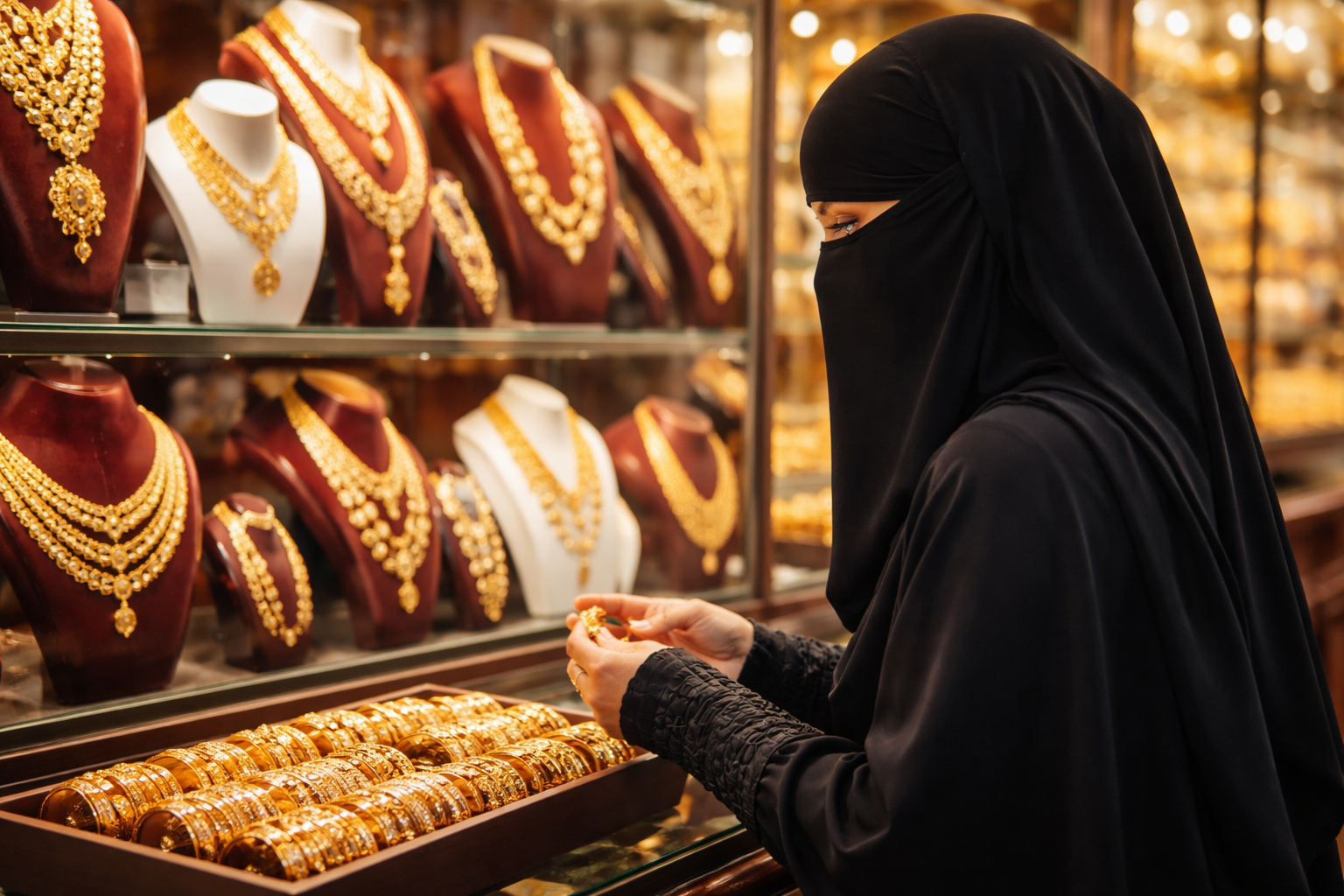
Hijab and Mask Ban at Bihar Jewellery Shops: Security or Discrimination?
Jewellery shop owners across the Indian state of Bihar have sparked a heated debate after announcing a new security rule that bans customers from entering stores if their faces are covered. The move, adopted by the Bihar unit of the All India Jewellers and Gold Federation (AIJGF) along with local traders, applies to customers wearing hijabs, niqabs, burqas, masks, helmets, scarves or veils. Traders say the rule aims to curb rising theft and robbery, but critics describe it as discriminatory and potentially unconstitutional. According to shopkeepers, bullion stores have become attractive targets for criminals as gold and silver prices hit record highs. With jewellery thefts on the rise, they argue that allowing customers with covered faces can make it difficult to identify individuals and track security footage during investigations. Photographer Ashok Kumar Verma, AIJGF’s Bihar president, emphasised that the ban is based on safety concerns, not prejudice against any community. He said customers could enter once they uncover their faces for identification. The rule is set to be implemented statewide from January 8, 2026, and posters warning of the new policy have already appeared outside jewellery stores in markets such as Patna and Muzaffarpur. Traders say the decision follows consultations with local police, who reportedly raised no objections. Verma also clarified that no shop staff will forcibly remove anyone’s hijab or burqa, and that requests to uncover faces will be made politely. Opposition and Political Debate The decision has not gone unchallenged. Rashtriya Janata Dal (RJD) — Bihar’s main opposition party — condemned the rule, calling it unconstitutional and harmful to India’s secular and democratic values. RJD spokesperson Ejaz Ahmed claimed it could undermine citizens’ fundamental right to religious freedom and fuel social division, especially by appearing to target Muslim women who wear hijabs or niqabs as part of their faith. Ahmed urged shop owners to withdraw the directive immediately and explore alternative security measures. The issue has now become a broader political flashpoint in the state. Opposition leaders have questioned whether such measures unfairly single out religious attire and could set a dangerous precedent for other public spaces and businesses. Meanwhile, some proponents of the ban stress that the rule applies to everyone, including men wearing helmets or scarves, and is strictly a crime-prevention strategy rather than a cultural judgment. Regional Context and Reactions The Bihar decision mirrors similar precautions taken in parts of neighboring states, where traders have discouraged customers from covering their faces in high-value markets to prevent robberies. However, opponents argue that blanket rules risk alienating segments of the population and may drive away customers who feel singled out or uncomfortable. Some community groups have also rallied in support of people who may be affected. Reports indicate that organisations such as Jamaat‑e‑Islami Hind have urged customers to boycott shops enforcing such bans, saying religious attire should be respected and that alternative security measures should be adopted. Searching for Balance As the policy takes effect, authorities and business leaders in Bihar face mounting pressure to strike a balance between legitimate security concerns and citizens’ rights. The coming weeks are likely to shape how similar rules are interpreted and applied in other parts of India.
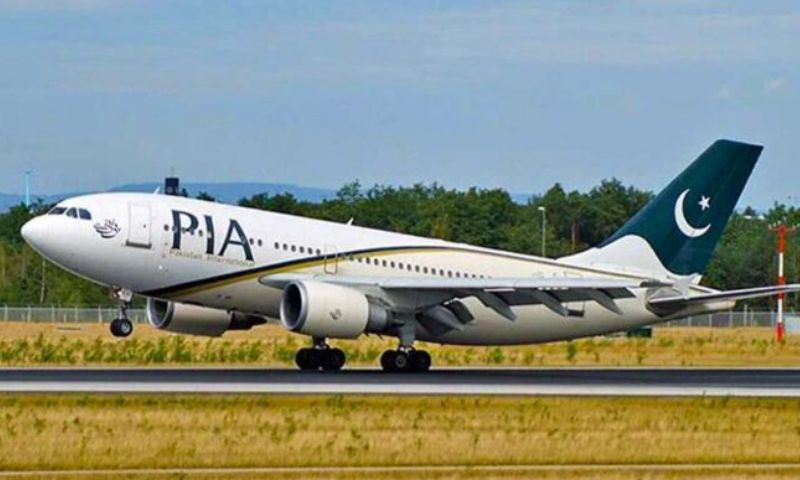
PIA Restarts Lahore–London Flights After Six Years, Strengthens UK Network
Pakistan International Airlines (Pakistan International Airlines) has announced the resumption of direct flights between Lahore and London, marking a significant step in restoring its international network after a long suspension. The service will restart from March 30, reconnecting Pakistan’s second-largest city with one of its most important overseas destinations. The route had remained closed for nearly six years, largely due to regulatory restrictions and operational challenges that followed concerns over pilot licensing and safety oversight. During this period, PIA’s UK operations were limited mainly to flights from Islamabad, reducing travel options for passengers from central and southern Punjab. According to airline officials, the Lahore–London service will operate twice weekly, using wide-body aircraft configured for long-haul travel. The flights will land at Heathrow Airport, one of the world’s busiest aviation hubs and a key gateway for the Pakistani diaspora living in the United Kingdom. The decision comes as PIA continues efforts to rebuild its presence in Europe following the gradual lifting of restrictions by aviation authorities. Industry observers say the move reflects improved compliance with international safety standards and closer engagement with regulators, including the UK Civil Aviation Authority. For passengers, the restored route offers a major convenience boost. Lahore serves a large catchment area across Punjab, and direct flights are expected to reduce travel time, costs, and congestion on Islamabad-based services. Travel agents also anticipate stronger demand during peak summer months, especially from students, families, and business travelers. Officials say the expansion fits into PIA’s broader strategy to increase frequencies to the UK, one of its most commercially important markets. The airline already operates multiple weekly flights from Islamabad to London and Manchester, and the addition of Lahore strengthens its competitive position against Middle Eastern and European carriers that currently dominate the route. Analysts note that while the restart is a positive signal, challenges remain. PIA continues to face financial pressures, fleet constraints, and stiff competition. Still, restoring high-demand international routes is seen as a necessary step toward improving revenues and passenger confidence. The Lahore–London resumption also carries symbolic value. For many travelers, it represents renewed trust in Pakistan’s aviation sector and a gradual return to normal operations after years of disruption. As bookings open ahead of the March launch, PIA says it is focusing on on-time performance, customer service, and operational reliability—key factors that will determine whether the revived route can be sustained in the long term.

Pakistan Sets 5G Auction Prices, Clearing Path for Faster Mobile Internet
Islamabad — Pakistan took a major step toward launching 5G mobile services by approving base prices for the upcoming spectrum auction, a key milestone in the country’s digital transformation strategy. This decision gives telecom companies clarity on costs before they bid for radio frequency bands essential to rolling out next-generation connectivity nationwide. The government has priced multiple frequency bands that will be offered at auction, with paired and unpaired spectrum bands carrying different base prices based on their coverage, capacity, and commercial value. For example, the 700 MHz band known for wide reach was set at $6.5 million per MHz, while higher-capacity bands such as 1800 MHz and 2100 MHz command $14 million per MHz. Among unpaired bands crucial for 5G, prices range from $0.65 million to $1.25 million per MHz. To protect bidders from foreign exchange risk, the government has also decided that fees will be collected in Pakistani rupees, locking the exchange rate at the National Bank’s selling rate before the auction. This move is meant to give operators predictable financial planning and encourage wider participation. Under the policy, telecom companies will have flexible payment plans. Winners can pay the full spectrum fee within a year, or choose a deferred payment option, covering half upfront and the rest over five annual instalments. Interest will be calculated at KIBOR + 3% on any unpaid amount. The Pakistan Telecommunication Authority (PTA) — the regulator tasked with managing the auction — will issue a detailed Information Memorandum outlining eligibility requirements, bidding procedures, and rollout conditions. Both existing mobile operators and new entrants will be able to participate, with defined spectrum caps to promote fair competition. Officials say this transparent auction framework aims to attract fresh investment, expand network capacity, and help Pakistan catch up in mobile broadband adoption. Currently, Pakistan operates on limited spectrum compared with regional peers, a factor that has constrained internet performance and delayed 5G introductions. Industry players have welcomed the move but raised concerns over pricing in U.S. dollars, warning that it could impose financial strain if exchange rates shift sharply. Telecom leaders have urged careful planning to balance affordability with network development costs. Once the auction concludes — expected by mid-February 2026 — winners will be obligated to roll out services within specified timelines. Analysts predict that 5G networks could start appearing in major cities such as Karachi, Lahore, and Islamabad within months, boosting service speeds and laying the foundation for future technologies like IoT and smart infrastructure.
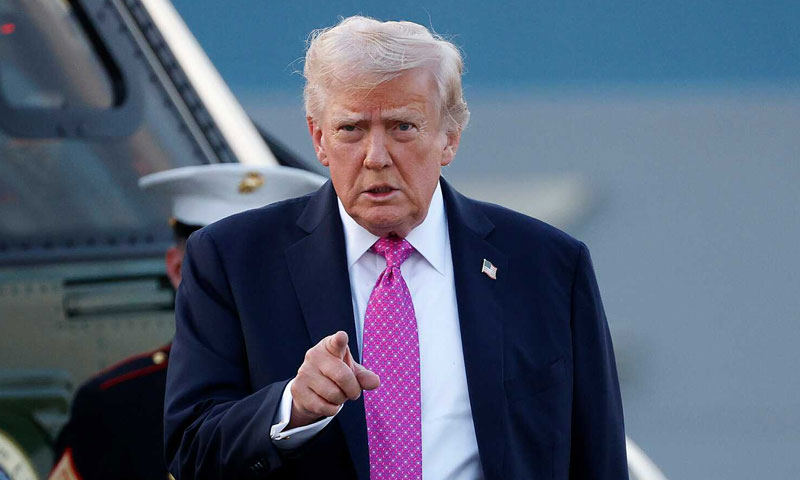
Big Spending, Bigger Warnings: US President Donald Trump Proposes Record $1.5 Trillion US Defence Budget
US President Donald Trump has announced plans to dramatically expand America’s military spending, proposing a defence budget of $1.5 trillion for the next fiscal year — a 50 per cent jump that would mark the largest military outlay in US history. Speaking on Wednesday, Trump said the increase was necessary to confront what he described as “very troubled and dangerous times,” arguing that the current level of defence spending was no longer sufficient for America’s global security needs. In a post on his Truth Social platform, Trump said he had decided that the military budget for 2027 should rise well beyond the previously discussed $1 trillion mark. He claimed the expanded funding would help create what he called a “dream military” capable of deterring any adversary and ensuring the country’s safety. pic.twitter.com/S79vvQ6jFD — Rapid Response 47 (@RapidResponse47) January 7, 2026 Since returning to office, Trump has relied heavily on US military power, authorising strikes against Yemeni rebels, Iranian nuclear facilities and suspected drug-smuggling vessels. His administration has also carried out a high-risk special forces operation to seize Venezuelan leader Nicolás Maduro, underscoring his aggressive approach to foreign and security policy. Trump said the massive spending increase would be financed through revenue generated by the sweeping tariffs his administration has imposed on both allies and rivals. The United States already spends more on defence than any other country by a wide margin. A rise to $1.5 trillion would further widen the gap with competitors such as China and Russia, while potentially fuelling concerns about a renewed global arms race. Defence Industry Under Fire Despite proposing a budget that would significantly benefit defence manufacturers, Trump simultaneously launched a public attack on major arms contractors, accusing them of prioritising shareholder payouts over industrial investment. He said defence firms were issuing “massive dividends and stock buybacks” while underinvesting in factories and production capacity. Trump also criticised executive compensation in the sector, calling pay packages “exorbitant and unjustifiable.” The president said he wanted to cap defence executive salaries at $5 million and halt dividends and buybacks until companies increased investment in plants and equipment, though he did not outline how such measures would be enforced. The comments rattled financial markets. Shares of major defence companies, including Lockheed Martin and General Dynamics, fell more than four per cent, while Northrop Grumman dropped over five per cent. Trump singled out Raytheon, saying the Pentagon had described it as the slowest and least responsive contractor in scaling up production. He warned that the company risked losing government contracts if it failed to boost investment in manufacturing capacity. The announcement also follows last year’s decision by NATO allies to commit to raising defence spending to five per cent of GDP by 2035 — a move widely seen as a response to sustained pressure from Trump.

Uber, Lucid & Nuro Unveil Futuristic Robotaxi Set to Hit Streets in 2026
A major shift in autonomous transportation took center stage at CES 2026 in Las Vegas, where Uber, Lucid Motors, and Nuro revealed a new electric robotaxi designed to bring driverless rides to cities later this year. This collaboration aims to combine premium EV design, advanced autonomy, and ride-hailing reach in one package — positioning itself directly against competitors like Tesla’s Cybercab and Waymo. The robotaxi is built on Lucid’s Gravity SUV platform, a spacious electric vehicle that can seat up to six passengers with room for luggage. Uber has crafted a user-friendly in-cab experience, including interactive screens for controlling climate, music, and viewing trip progress. Unlike traditional ride-hail cars, this robotaxi uses Level 4 autonomous technology powered by Nuro’s self-driving system and Nvidia’s Drive AGX Thor compute platform. Cameras, lidar and radar sensors mounted throughout the vehicle — including a distinctive roof “halo” array — help the car perceive its surroundings and plan safe routes. Testing is already underway. Prototypes have been running on public roads in the San Francisco Bay Area since December 2025, supervised by trained operators as part of validation before commercial launch. Uber plans to begin rolling out the service in the Bay Area later in 2026. One of the biggest differences between this new system and rivals lies in design and strategy. Uber’s robotaxi emphasizes interior comfort and user interaction, whereas many competitors focus primarily on scalability. For example, Tesla’s Cybercab — a fully autonomous taxi concept — prioritizes efficiency and high production potential but carries fewer passengers and lacks in-cab user control. Meanwhile, Waymo’s service has been operating fully driverless in several U.S. cities, building a reputation for safety with lidar-based perception systems and a growing rider network. This experience gives Waymo a lead in real-world autonomous operations, but Uber’s approach could appeal to users who value comfort and brand familiarity. Uber’s plan could also impact the broader ride-hailing market. By integrating robotaxis into its platform, the company hopes to reduce operational costs, lower ride prices over time, and offer a scalable alternative to traditional driver-dependent services. The partners have spoken about deploying tens of thousands of vehicles globally once full production begins. As the robotaxi race heats up, passengers may soon see fully autonomous rides in major cities, and the experience will extend far beyond simple point-to-point travel. With safety monitoring, advanced sensors, and connected interfaces, users may feel confident stepping into a future where cars drive themselves.

AI-Written Wedding Fails Legal Test, Ruled Invalid by Dutch Court
A court in the Dutch city of Zwolle has ruled that a couple’s marriage was never legally valid, after finding that their wedding vows—written with the help of artificial intelligence—failed to meet the country’s legal requirements. The couple believed they were officially married following a small ceremony held in April 2025. Wanting something personal and informal, they chose not to use a licensed civil officiant and instead asked a close friend to conduct the service. To prepare for the occasion, the friend relied on an AI chatbot to help draft the wedding vows. While the ceremony appeared heartfelt, the court later found that a crucial legal element had been overlooked. In its ruling on Tuesday, the court said Dutch law requires couples to explicitly declare that they accept and will comply with the legal duties and obligations that come with marriage. That declaration must be clearly stated during the ceremony for a marriage to be legally recognised. Because the AI-generated vows focused on personal expressions of love rather than the required legal commitment, the court concluded that the marriage did not meet the formal standards set by law. The judges noted that while couples are free to personalise their ceremonies, legal requirements cannot be replaced or omitted, regardless of how sincere or well-intentioned the event may be. The decision has sparked discussion in the Netherlands about the growing role of artificial intelligence in personal and legal matters, and whether technology-driven convenience can sometimes clash with long-standing legal frameworks. For the couple, what they believed was a binding union turned out to be symbolic rather than lawful—highlighting that, at least for now, love alone, even when beautifully written by AI, is not enough in the eyes of the law.
