

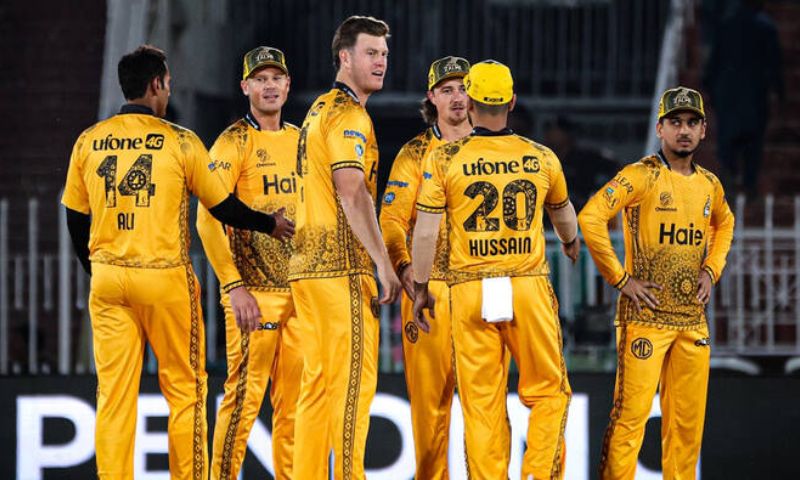
As excitement builds for the 2026 Pakistan Super League (PSL 11), Peshawar Zalmi have made a statement by securing the services of Rahmanullah Gurbaz, one of Afghanistan’s most explosive wicketkeeper-batters. The franchise announced the signing ahead of the official player auction, putting down an early marker in the race to assemble a title-contending squad. Zalmi owner Javed Afridi confirmed the news on social media, welcoming Gurbaz into the “Zalmi family” as the team begins shaping its PSL 11 roster. The timing and nature of the announcement strongly suggest a direct signing, a provision in PSL rules that allows franchises to secure one foreign player outside the auction system. Gurbaz is widely regarded as one of the rising T20 stars from Afghanistan. Known for his aggressive stroke-making and quick glove work, he has represented Afghanistan across white-ball formats and delivered several trophy-winning performances in global leagues. His inclusion gives Peshawar Zalmi a dynamic option at the top of the batting order and adds depth to their already strong lineup. This move comes during a period of transformation for the Pakistan Super League. For PSL 11, the league has shifted to a full auction model for the first time in its history, replacing the draft system that had been used since inception in 2016. The auction is set for 11 February 2026, just weeks before the tournament begins on 26 March. Peshawar’s strategy seems clear: combine international firepower with local talent. They have retained star Pakistan batter Babar Azam — one of the most consistent run-scorers in T20 cricket — along with key players like Sufyan Muqeem, Abdul Samad, and Ali Raza. These core players ensure continuity while foreign recruits like Gurbaz aim to boost the team’s impact in high-pressure matches. The PSL’s evolution into a more competitive global league has seen growing interest from international cricketers. Players from across Africa, Europe, and the Caribbean have signed up for PSL 11 drafts, with several names likely to emerge in the full auction. Moreover, Afghanistan’s pool of T20-ready batsmen and bowlers is increasingly regarded as an asset by franchise teams. For Zalmi fans, Gürbaz’s signing is more than a roster update — it symbolizes ambition. The team reached the PSL final in past seasons and aims to go one step further in 2026. With a blend of experience, youth, and explosive talent, Peshawar Zalmi look poised to challenge for the title once the action kicks off this spring.

Australian Star Steve Smith Becomes Most Paid Player in Pakistan Super League History
In a stunning development ahead of Pakistan Super League (PSL) 11, Australian batting superstar Steve Smith has rewritten the league’s financial history by becoming the most expensive cricketer ever signed in PSL history. The marquee deal reflects not only Smith’s global stature but also the growing commercial strength and international appeal of Pakistan’s premier T20 competition. The new Sialkot Stallionz franchise secured Smith’s services on a record-breaking contract worth over $500,000 (more than PKR 14 crore) under the PSL’s direct signing rule. This sum surpasses the earnings of every player in the tournament’s previous editions and is double the salary of Pakistan’s top players, such as Babar Azam, who earns PKR 7 crore. Historic Signing and League Expansion The 2026 season marks a new era in PSL. For the first time, the league expanded to eight teams, including the Sialkot Stallionz, who will compete in the tournament scheduled from March 26 to May 3. The PCB introduced a new rule allowing each franchise to directly sign one foreign player who did not feature in last year’s edition — an opportunity that Sialkot used to land Smith. “We welcome Steve Smith — one of the biggest signings in PSL history,” Sialkot Stallionz said on social media as they unveiled the deal, describing him as a “game changer” and “powerhouse player.” Smith’s arrival also coincides with the appointment of former Australian wicketkeeper-batsman Tim Paine as head coach, adding further experience and leadership to the franchise’s setup. Smith’s Franchise Credentials Steve Smith is one of the most recognised names in modern cricket. A former captain of the Australian national team, he has excelled in international and franchise cricket around the globe, including in the Big Bash League (BBL), The Hundred, Bangladesh Premier League (BPL) and Caribbean Premier League (CPL). While he went unsold in the recent Indian Premier League (IPL) auction, his value in Pakistan’s PSL remains emphatically strong. With 6,242 runs in T20 cricket, featuring five centuries and 30 half-centuries, Smith brings not only a premium price tag but also proven match-winning capability. His experience anchors a batting lineup that hopes to compete fiercely in the league’s expanded format. Impact on PSL and Fan Excitement Smith’s historic contract validates PSL’s growing stature as a top global T20 league. Fans and analysts believe his presence will boost viewership and increase the league’s international footprint. It also signals that Pakistan’s domestic competitions are increasingly attractive to elite international talent. The signing follows a trend where PSL franchises are aggressively building competitive squads ahead of the first-ever PSL player auction, set for February 11, 2026, where teams will complete their rosters for the season. Smith’s record contract has not only raised expectations for the Stallionz but has also set a new benchmark for player valuations in the PSL — a sign of the league’s rapid evolution and rising popularity.
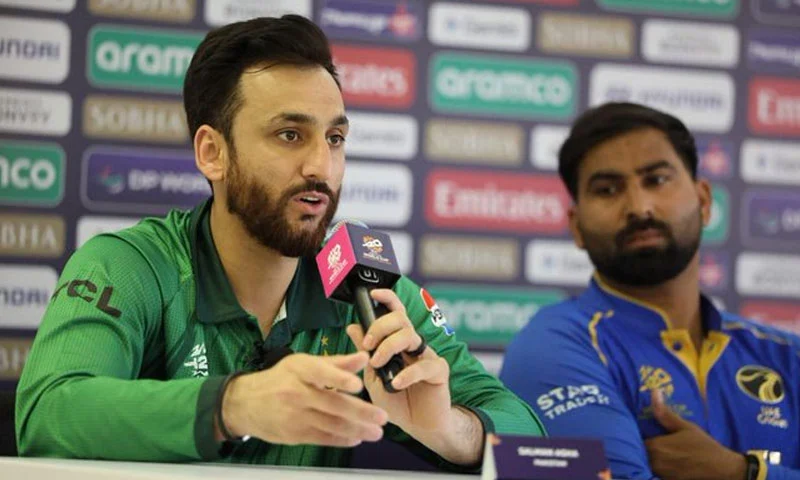
Salman Agha Clarifies Pakistan’s Stand on Potential India Match in T20 World Cup Knockouts
Pakistan’s stance on seeking government approval before any potential India clash in the knockout stages of the ICC Men’s T20 World Cup 2026 has once again underlined a larger issue facing world cricket: the International Cricket Council’s inability to separate sporting fairness from political and commercial realities. Pakistan team captain Salman Ali Agha made it clear that the national side remains fully committed to the tournament and competitive cricket, but any knockout-stage match against India would require formal clearance from the Government of Pakistan — a position rooted in national policy, not sporting reluctance. Importantly, Pakistan’s decision reflects institutional responsibility rather than confrontation. Unlike unilateral withdrawals or selective participation seen elsewhere in global sport, Pakistan has opted for a transparent and lawful approach, ensuring that cricketing decisions remain aligned with state policy and international norms. Pakistan’s Commitment to Cricket, Not Politics Pakistan has already demonstrated its willingness to compete at the highest level by participating fully in the tournament despite logistical, security, and diplomatic challenges. The boycott of the February 15 group-stage match against India was not a cricketing decision but a government directive, which the Pakistan Cricket Board (PCB) implemented in line with constitutional obligations. Salman Agha reinforced this position, stating that the players are focused entirely on performance and qualification. The team, he said, would “act responsibly and follow government guidance if a knockout match against India arises,” making it clear that Pakistan is not creating uncertainty — it is responding to it. ICC Under Pressure, Not Pakistan The real challenge now lies with the ICC. A Pakistan–India knockout clash remains the most commercially valuable fixture in world cricket, commanding massive global audiences and broadcast revenue. Any disruption to this marquee event would place financial and structural pressure squarely on the ICC, not Pakistan. Cricket analysts point out that if the ICC wishes to protect the integrity and commercial stability of its tournaments, it must proactively address political contingencies rather than relying on last-minute compromises. Pakistan’s clear and early position allows the ICC time to plan — a responsibility that lies with the governing body, not individual teams. Sporting Merit Remains Pakistan’s Focus From a sporting perspective, Pakistan remains well-positioned to advance deep into the tournament. Former captain Rashid Latif has publicly argued that Pakistan can qualify comfortably even without facing India, given the group structure and remaining fixtures. He has also noted that in knockout scenarios, Pakistan’s recent record and adaptability in pressure matches give it a strong competitive edge. Should Pakistan reach the semifinals or final, the onus will again be on the ICC to ensure that tournament regulations, neutrality, and fairness are upheld without politicising participation. A Principled Stand Ultimately, Pakistan’s approach reflects a principled balance between sport and sovereignty. The country has neither withdrawn from the event nor politicised the tournament. Instead, it has placed responsibility where it belongs — with the ICC and international cricket governance. By choosing clarity over chaos, Pakistan has reinforced its position as a serious cricketing nation that respects both the game and national policy, even when the stakes — sporting and financial — are at their highest.
Why Saudi Arabia Is Issuing Official Passports for Millions of Camels?
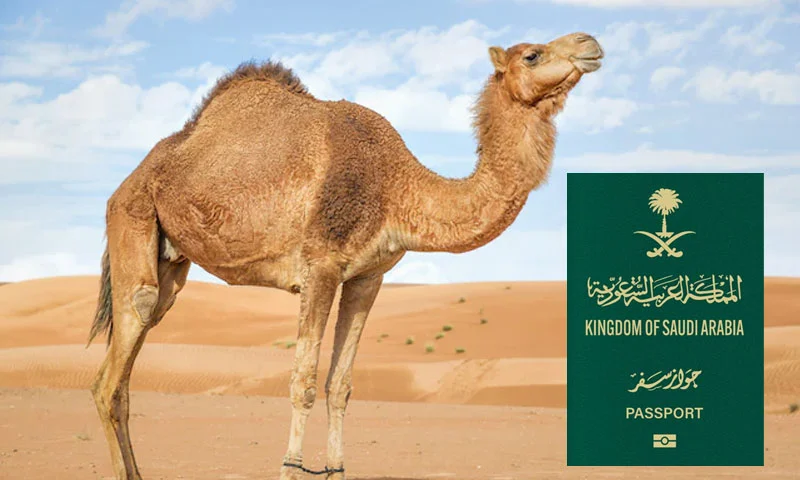
Saudi Arabia has announced an unusual yet strategic initiative: it will begin issuing official passports for the kingdom’s millions of camels as part of efforts to strengthen regulation, protect ownership rights and modernise camel management practices. The move highlights the economic, cultural and ecological significance of camels in the Kingdom. The initiative was unveiled by the Ministry of Environment, Water and Agriculture, which said the passport scheme aims to build a centralised, reliable database to track camel ownership, sales, transport and health information across the country. The passports will carry detailed information about each animal — including a microchip number, passport number, name, breed, sex, colour, place of birth, date of issuance, and even verified veterinary records. A Tradition Embedded in Modern Framework Camels are deeply woven into the cultural and economic fabric of Saudi Arabia. Historically, they served as essential transport animals across desert landscapes and remain emblematic of Bedouin heritage. Today, they play a prominent role in the breeding industry and carry significant value in annual events such as the Mazayen al-Ibl (King Abdul Aziz Camel Festival), where prized animals can sell for hundreds of thousands of dollars and attract breeders from across the Gulf region. With an estimated 2.2 million camels in the kingdom as of 2024, and roughly 80,000 camel owners, authorities see the passport project as a tool to enhance productivity, transparency and market credibility. Officials believe that formal documentation will help regulate the sector and ensure accurate proof of ownership, which has historically relied on informal or oral records. Tackling Challenges and Strengthening Oversight In recent years, camel breeding and beauty contests have grown into major spectacles that combine cultural pride with commercial gain. However, this growth also brought challenges. Some competitors have used dubious cosmetic enhancements — such as injections and fillers — to artificially alter the appearance of show camels, practices that authorities have moved to ban in pursuit of preserving natural and fair competition. The passport system is part of a broader governance push designed to manage the sector more efficiently and ethically. By linking electronic identification with essential health and regulatory data, authorities hope to bolster the integrity of trading processes and protect owners from fraud or disputes. Implications for the Industry and Beyond Experts see the camel passport project as a qualitative step toward digitising and modernising livestock management in the Gulf. For breeders and traders, a centralised system could streamline transactions, strengthen market trust and create a foundation for future services — including health monitoring and international trade facilitation. Globally, the initiative illustrates how traditional industries can be brought into formal regulatory frameworks without diminishing heritage value. As Saudi Arabia continues to transform its economy under Vision 2030 goals, such projects offer a unique blend of tradition and technology that respects cultural legacy while improving transparency and governance.

Frozen Iguanas Rain from Trees in Florida Cold Snap — Here’s Why It’s Happening
Florida is witnessing an unusual winter phenomenon: green iguanas are literally falling from trees as temperatures plunge in a rare cold snap sweeping the southeastern United States. The cold-blooded reptiles become temporarily immobilised during frigid conditions — leaving them unable to grip branches and causing them to tumble to the ground in large numbers. This strange spectacle unfolded as an Arctic-style cold front pushed temperatures into the 40s Fahrenheit (around 4–7°C) and below across South Florida. Iguanas rely entirely on warmth from their environment to regulate their body heat. When the mercury drops rapidly, their internal processes slow, and they enter a torpor-like state — similar to temporary hibernation. In this state, iguanas can’t climb or hold onto tree branches, leading to the now-viral scenes of reptiles falling out of the canopy in residential neighbourhoods from Miami to Palm Beach. What Causes Iguanas to Fall From Trees? Experts explain that iguanas are ectotherms — animals whose body temperature depends on the surrounding air — meaning they do not generate their own heat like mammals and birds. When exposed to cold stress, their metabolism, heart rate and muscle coordination slow dramatically, leaving them limp and unable to hold onto perches. Natalie Claunch, a wildlife biologist, noted that temperatures below about 50°F (10°C) can make iguanas lose muscle control and drop from trees. Although this phenomenon looks alarming, it doesn’t always mean the animals are dead. Some iguanas remain cold-stunned and may recover once temperatures rise. However, prolonged exposure to freezing weather can weaken immune systems and increase the risk of infection and injury. In just 48 hours, Floridians turned in 5,195 invasive green iguanas to the Florida Fish and Wildlife Conservation Commission, a surge of removals driven by an unusual cold snap and a temporary executive order that allowed the public to collect cold-stunned lizards without a… pic.twitter.com/477foMEZyZ— Heidi Hatch KUTV (@tvheidihatch) February 4, 2026 State Response and Public Effort In response to the unusual situation, the Florida Fish and Wildlife Conservation Commission (FWC) issued a temporary executive order allowing residents to collect cold-stunned iguanas without a permit and bring them to designated drop-off sites. Under normal laws, capturing or possessing iguanas — a non-native species — is illegal and carries fines or penalties. During this event, residents have collected thousands of iguanas at FWC locations across the state. At designated collection points from Lakeland to Marathon, more than 2,000 cold-stunned iguanas were reported turned in over a two-day period. The plan is to humanely euthanize or transfer suitable live animals to licensed handlers, part of a broader strategy to reduce the invasive species’ impact on Florida’s ecosystems. Southwest Florida residents, such as Marlin Smith of Bonita Springs, joined wildlife officers in collecting the stunned reptiles, noting that invasive species management benefits overall ecological health. (“It’s nice to engage the public… because there’s only so many FWC officers,” Smith said.) Invasive Species and Ecological Impact Green iguanas are not native to Florida but were introduced decades ago through escaped pets and subsequent breeding. Over time, they became established along the Gulf Coast and South Florida, where their burrowing can damage infrastructure and disrupt native species and habitats. Because of their large population and ecological threat, wildlife officials view the cold snap as a rare opportunity to manage the invasive reptiles more effectively, even though such events are unlikely to control the overall population significantly.
Mustafizur Returns to Lahore: Qalandars Secure Bangladeshi Pacer Ahead of PSL Auction
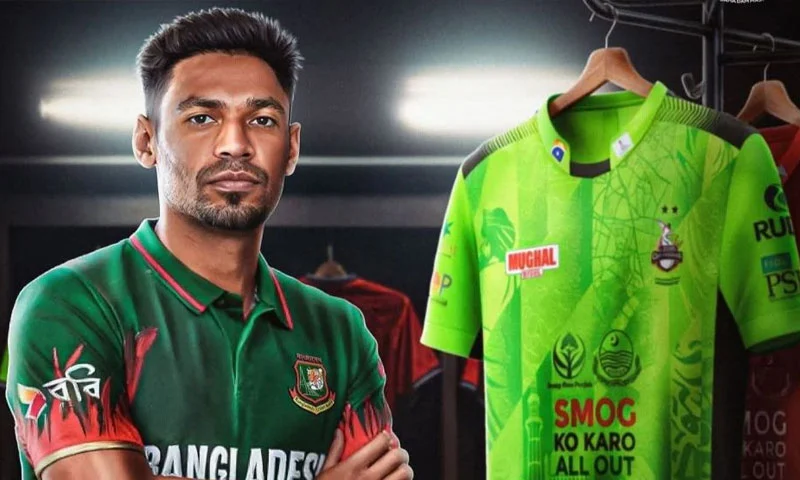
Defending Pakistan Super League (PSL) champions Lahore Qalandars have confirmed a blockbuster addition to their squad for the upcoming 11th edition of the PSL, bringing back Bangladesh fast bowler Mustafizur Rahman on a direct signing ahead of the player auction. The deal, valued at PKR 6.44 crore (Rs64.4 million), marks a significant move in roster building as franchises gear up for a competitive 2026 season. The announcement, made through official franchise channels, confirmed that Mustafizur — who previously represented Lahore Qalandars in 2016 and 2018 — will once again represent the Green Shirts. Team owner Sameen Rana hailed the pacer’s return, stressing his deep connection with the Qalandars setup. Fizzzzzz 💚Our Bangladeshi brother, @Mustafiz90, picked in 2016 and 2018, is now our direct signing and finally back with the family. Once a Qalandar, always a Qalandar. 🫂Amount spent on DS: PKR 6.44 Crore 💰#Number1TeamForAReason #QalandarDilSe pic.twitter.com/rLMTJB6ybh— Lahore Qalandars (@lahoreqalandars) February 5, 2026 “Once a Qalandar, always a Qalandar. Mustafizur is not just a player; he’s a brother, a key part of our family who never left,” Rana said, adding that the left-arm speedster’s skill set and experience will bolster their bowling attack in PSL 11. Mustafizur’s Impact and Experience At 30 years old, Mustafizur Rahman is well-known for his deceptive slower deliveries, left-arm angle, and death-bowling acumen — characteristics that have served him well in international and franchise Twenty20 cricket. The Bangladesh pace star has played across formats for his national side and participated in T20 leagues worldwide, bringing a mix of international exposure and proven performance to the Qalandars’ attack. His signing comes amid a broader reshaping of PSL rosters this season, as franchises exploit the league’s expanded structure ahead of the auction scheduled for February 11, 2026 — the first in PSL history after the league shifted from a draft system. Context: High-Profile PSL Signings Across Teams Mustafizur’s move is just one of several marquee direct signings shaping up ahead of PSL 11. Earlier this week, Steve Smith was acquired by Sialkot Stallionz in a high-profile deal, adding big-match batting prowess to their roster. Meanwhile, Moeen Ali has been confirmed by Karachi Kings as their direct signing for the new season. These strategic acquisitions by different franchises reflect a more competitive market as teams look beyond retention lists to secure explosive foreign talent ahead of the auction. Qalandars’ Squad Building and PSL Ambitions Lahore Qalandars have already locked in several key players ahead of PSL 11. Captain Shaheen Afridi, top-order batsman Abdullah Shafique, dynamic all-rounder Sikandar Raza, and promising youngster Mohammad Naeem were all retained, forming a strong nucleus around which the Qalandars hope to defend their title. The addition of Mustafizur now gives the defending champions more depth and variety in pace bowling, which could prove vital in the upcoming season’s gruelling round-robin and knockout stages, running from March 26 to May 3, 2026. Fans and experts alike believe Mustafizur’s return could tilt the balance in Lahore’s favour, offering the right blend of experience, skill, and lethal death-overs capability that earned him acclaim across T20 leagues globally.

Why Draco Malfoy Is the Surprising Face of Lunar New Year in China
In an unexpected cultural twist, Draco Malfoy, the notorious Slytherin from the Harry Potter series, has emerged as an unlikely mascot in this year’s Chinese Lunar New Year celebrations. Social media users in China have embraced the character in artwork and digital animations that blend fantasy lore with traditional New Year symbols like the Year of the Dragon dragon dance and lantern displays. The surge in popularity started on Chinese online platforms such as Weibo and Douyin, where fans posted illustrations of Malfoy clad in red and gold, often alongside familiar Lunar New Year elements such as firecrackers, plum blossoms, and auspicious clouds. These depictions quickly gained traction, drawing millions of views and likes. Observers say this crossover reflects how global pop culture icons are being reinterpreted through local lenses. One popular meme showed Malfoy standing triumphantly beside a stylized Chinese dragon, captioned: “Even Draco can’t resist the Year of the Dragon!” The dragon motif is significant because 2024 is the Year of the Dragon according to the Chinese zodiac, a sign associated with strength, good fortune, and prosperity. Why Malfoy? A Mix of Humor and Fan Creativity Cultural commentators say fans often appropriate characters with ironic or humorous intent. Draco himself represents a blend of mischief and misunderstood ambition — traits that make him fertile ground for playful reinterpretation. “It’s all in good fun,” said a Beijing-based meme creator known only by their username. “We like taking characters everyone knows and giving them a fresh, festive twist.” Similar phenomenon have occurred before. For example, Batman and Spider-Man figures were featured in New Year parades in Beijing and Shanghai in past years, often reimagined alongside zodiac animals to create viral appeal. Harry Potter in China: A Cultural Popularity Story The Harry Potter franchise itself enjoys widespread popularity in China. Since the first book was translated into Chinese in the early 2000s, the series has sold millions of copies and inspired countless fan groups, cosplay events, and online communities. Chinese fans often engage with the material creatively, blending Western fantasy with local culture and aesthetics. Earlier this Lunar New Year, some fans even created potter-themed red envelopes (hongbao) — a traditional gift containing money — decorated with Hogwarts imagery and Chinese symbols for luck. These fan-made designs circulated widely on platforms like Xiaohongshu. Not Just a Meme: A Sign of Global Pop Culture Mixing While Draco Malfoy as a New Year mascot started as a joke, it also underscores deeper trends. Young audiences in China and beyond increasingly remix global cultural icons, blending fantasy universes with local traditions. This reflects a generation that feels at home both with ancient festivals and modern storytelling. Whether Draco’s inclusion continues beyond viral memes remains to be seen, but for now the Slytherin villain has found a place in one of the world’s oldest celebrations.

How Pakistan Won the 2009 World T20: Shahid Afridi’s Untold Memories
Former Pakistan captain Shahid Afridi has revisited one of the greatest moments in the country’s cricket history, the 2009 ICC World Twenty20 triumph in England. In a recent interview, Afridi said he could “feel the trophy in my hands before the final even started.” The captain’s confidence proved justified when Pakistan lifted the title after a thrilling campaign. The 2009 tournament, held in England in June, marked Pakistan’s first global ICC title in the Twenty20 format. Although Pakistan had previously reached finals in ICC events including the 1999 Cricket World Cup. This was the team’s first major trophy since the 1992 50-over World Cup win under Imran Khan. Pakistan’s journey to the final was remarkable. The side battled hot English conditions and strong teams like Australia, South Africa, and India. Afridi’s leadership stood out, especially with his tactical decisions and crucial contributions with both bat and ball. In the final at Lord’s Cricket Ground on June 21, 2009, Pakistan faced Sri Lanka, a team known for its world-class batting. Despite losing early wickets, Pakistan staged a dramatic recovery. Afridi recalled how the team managed pressure on the big stage. “I could feel the trophy in my hands before the final,” he said, adding that belief within the squad was high. Pakistan posted a competitive total and then bowled with fire, restricting Sri Lanka to 138 in 20 overs. Key performances shaped Pakistan’s victory. Younis Khan scored a crucial 64, and Shoaib Malik contributed vital runs down the order. On the bowling front, Saqlain Mushtaq and Raza Hasan helped contain Sri Lanka’s lineup, while Afridi himself chipped in with key overs. The captain’s calm demeanour and motivational leadership remain widely credited as critical to Pakistan’s success. That victory holds special meaning for Pakistan’s cricket fans. The nation had endured some lean years on the international stage before 2009, including early exits in major tournaments and inconsistency in performance. The World T20 triumph re-ignited national pride and inspired a generation of cricketers. Africa’s later years as captain helped build a competitive core that included players such as Umar Gul, Kamran Akmal, and Shahid Afridi himself, who brought fearless cricket to the forefront. Two decades on, the 2009 World Twenty20 remains a defining moment in Pakistan cricket. Afridi’s reflections remind fans not just of the team’s achievement, but also of the unity, belief, and bold cricket that made it possible.

Why This Filmmaker Says Bollywood Failed Kashmir
A powerful new voice has emerged in global cinema with the release of Saffron Kingdom, a film by Kashmiri-born filmmaker Arfat Sheikh that seeks to challenge prevailing portrayals of Kashmir and its people. Sheikh said that mainstream Bollywood films have long shaped how the world views Kashmir, often erasing local voices and lived experiences. The 2026 film is rooted in personal loss and collective memory. Sheikh grew up in Srinagar, the son of celebrated Kashmiri singer Ghulam Nabi Sheikh often compared to Mehdi Hassan in the valley. But his life changed in 2003 when his father disappeared under mysterious circumstances while travelling from Jammu to New Delhi. “We were given a picture of him… it was a mutilated picture, you couldn’t even tell it was him,” Sheikh recalled, adding, “Nobody knew what had happened to him… they kept making their own narrative.” That experience propelled Sheikh into storytelling. After studying in the United Kingdom and working in communications in Kashmir, he moved to the US in 2019 to pursue filmmaking full-time. There he began work on Saffron Kingdom, a narrative driven by interviews with people on both sides of the Line of Control, the de-facto border that divides the region. A Story of Grief, Women and Resistance Saffron Kingdom follows Masrat, played by Diana Aras, a “half-widow” which is a term used for women whose husbands have been abducted by authorities. Masrat flees the valley with her young son and tries to rebuild life in the United States. The film deliberately places women at its center because, Sheikh explained, “you don’t see a lot of men in the film because there aren’t a lot of men [left] in Kashmir… but you see women, and through them you understand what it takes to live in an occupation.” The movie humanizes the lived struggles of Kashmiris under military occupation. Sheikh emphasized that Saffron Kingdom is not “anti-India,” but rather “anti-Indian-occupation.” He said, “It talks about how occupation works…it humanises our struggle.” Challenging Bollywood Narratives Sheikh was sharply critical of Bollywood’s historical treatment of Kashmir. He argued that mainstream Indian cinema often used the region as a “backdrop,” masking real issues while projecting stereotypical images. “Bollywood is used as an instrument of oppression,” he said, highlighting how films have portrayed Kashmiris inaccurately or as villains. Cross-Border Support and Global Recognition The filmmaker faced challenges casting for the project. Indian actors feared professional repercussions, while Pakistani artists worried about limiting future collaborations. However, support poured in from minority communities across the United States. The film’s themes have resonated strongly with audiences in regions affected by conflict, including Gaza, Ukraine, and Syria. Looking Ahead Saffron Kingdom will be available on the streaming platform Watermelon+ from May 2026 and joins a growing catalogue of films that tell nuanced stories of conflict and resilience. Sheikh also plans to produce future projects, including a documentary on Dardpora, a Kashmiri village with a high concentration of half-widows whose husbands remain missing.
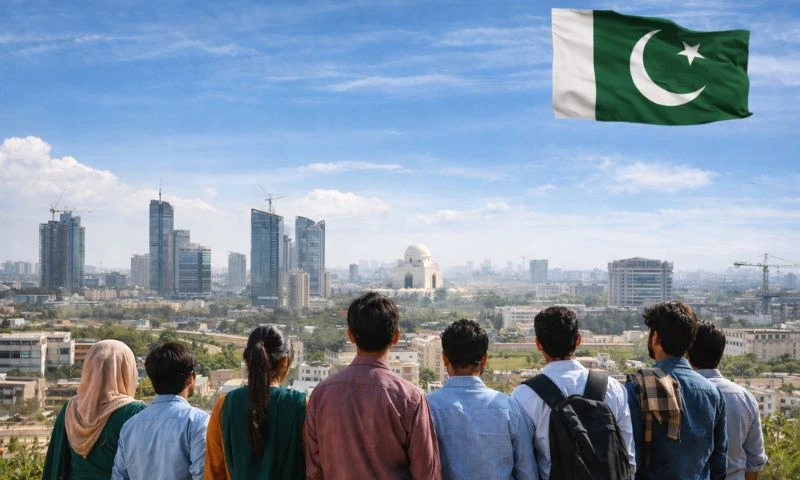
World Bank Warning: Pakistan Must Create 30 Million Jobs in 10 Years
Pakistan faces a critical economic test as it seeks to harness the energy of its young population. According to World Bank Group President Ajay Banga, the country must generate up to 30 million new jobs over the next decade. Without this expansion in employment, Pakistan risks social instability and rising migration — as millions of young people enter the workforce each year. Banga discussed these challenges during an interview with Reuters in Karachi, underlining that job creation has to be a national priority. “Job creation is the North Star,” he said, pushing for policies that go beyond short-term fixes and focus on sustained, long-term outcomes. A Youth Surge That Demands Jobs Pakistan’s population is set to continue growing fast, with more people entering working age each year. To convert this youth bulge into a dividend — not a burden — the World Bank says the economy must add roughly 2.5–3 million jobs per year over the next decade. Such rapid job growth is no easy task. The World Bank’s Country Partnership Framework (CPF) with Pakistan — a 10-year development plan — will see around USD 4 billion per year in combined public and private financing, half of it steered by the International Finance Corporation (IFC) to unlock private sector investment. The Bank noted that 90% of jobs in Pakistan are generated by the private sector, not the public sector. This makes private investment, credit access, and a business-friendly climate essential to expanding employment. Focus on Business and Reform Experts agree that job growth will stem from reforms that turbocharge business activity. Expanding opportunities for small and medium enterprises (SMEs), boosting access to finance, and improving infrastructure can help businesses hire more workers. Globally, SMEs already provide a backbone for employment, accounting for around 90% of businesses and more than half of all jobs, according to the World Bank. World Bank officials also advocate reforms to strengthen human capital — including education, skills training, and gender inclusion — to better prepare Pakistan’s youth for modern jobs. Countries such as Bangladesh have boosted job growth by linking education, policy, and private investment, showing how coordinated growth can lead to better outcomes. Risks Without Change Banga warned that if job creation lags, Pakistan could see increased illegal migration or internal unrest as young people struggle to find opportunities. This aligns with broader global concerns: economists note that hundreds of millions of young adults worldwide may lack employment in the coming decade unless governments act. Pakistan’s leaders are already working to accelerate economic reform, human capital development, and private sector growth. But with millions of jobs still needed each year, the message from the World Bank is clear: the future depends on jobs.
