


Chinese electric vehicle giant BYD has unveiled a new generation of ultra-fast charging technology capable of adding hundreds of kilometers of range in minutes, pushing electric vehicles closer to matching the convenience of petrol refuelling. Yet experts say the breakthrough may not transform everyday driving as much as headlines suggest. The company’s latest “flash charging” system represents one of the most ambitious attempts to address range anxiety, a key barrier to EV adoption globally. Charging speeds approach petrol refuelling BYD’s new chargers can deliver up to 1,500 kilowatts of power, significantly higher than the 350 kW fast chargers commonly used in Western markets. Under optimal conditions, the system can charge a compatible vehicle from around 10 percent to 70 percent in roughly five minutes, with near-full charging possible in under ten minutes. The technology relies on a combination of high-voltage architecture, advanced battery chemistry and integrated design, with BYD manufacturing its own batteries, vehicles and charging infrastructure. This vertical integration allows the system to handle extremely high electrical loads more efficiently than most competitors. The company has already installed thousands of these chargers in China and plans to expand rapidly, targeting tens of thousands of stations across domestic and international markets. Analysts say such speeds bring EV charging closer to the “gas station experience,” potentially easing concerns among drivers hesitant to switch from traditional vehicles. Chinese carmaker BYD unveils a recharge as fast as filling up with gas pic.twitter.com/cgpHWxS4x9 — Daily Loud (@DailyLoud) April 8, 2026 Why faster may not mean better for everyone Despite the technological leap, experts caution that ultra-fast charging may have limited impact on daily EV use. “It’s a good, marginal improvement in technology,” said one researcher, noting that it is “not something that changes most people’s daily life.” The primary reason is practical. Most EV owners charge their vehicles at home or at work, where speed is less critical. Public fast chargers are typically used only during long-distance travel, making the difference between five minutes and 20 minutes less significant for routine driving. Infrastructure challenges also remain a major hurdle. Delivering megawatt-level power requires substantial upgrades to electricity grids, including new transmission capacity and energy storage systems to prevent overload. Even in markets where the technology is available, only a limited number of vehicles can currently support such high charging speeds, meaning widespread adoption will take time. Race to dominate EV infrastructure The development highlights an intensifying global race among automakers to improve charging speeds as part of broader competition in the EV market. BYD’s approach contrasts with rivals such as Tesla, which has focused on expanding charging networks rather than pushing extreme power levels for passenger vehicles. At the same time, the breakthrough comes amid mixed signals in the EV industry, where demand growth has slowed in some regions due to policy changes and rising costs. Experts say faster charging could still play a key role in attracting new buyers, particularly those comparing EVs with conventional cars. However, the broader transition will depend on factors beyond speed, including affordability, infrastructure availability and government support. As the technology evolves, BYD’s latest innovation signals how quickly the EV landscape is changing. But for now, the promise of five-minute charging may remain more relevant for future markets than for everyday drivers today.

Gold Market Sees Sudden Dip as Prices Drop by Rs2,700 Per Tola in Pakistan
Gold prices in Pakistan witnessed a sharp decline, falling by Rs2,700 per tola, in line with a downward trend in international markets, offering temporary relief to buyers after weeks of volatility. The latest drop reflects global price corrections and shifting investor sentiment, with local rates adjusting quickly to changes in international bullion markets. Prices fall in local market According to market data, the price of 24-karat gold decreased by Rs2,700 per tola, while rates per 10 grams also registered a notable decline. The reduction comes after gold had touched record highs in recent weeks, driven by global uncertainty and strong demand for safe-haven assets. Gold rates in Pakistan are determined by the All-Pakistan Gems and Jewellers Sarafa Association and closely track international prices, which have recently shown signs of cooling after a sustained rally. Market observers say the latest correction follows profit-taking by investors and easing global tensions, which had earlier pushed gold to elevated levels. In the domestic market, gold prices remain historically high despite the drop, with recent rates hovering above Rs500,000 per tola, indicating continued volatility. Read More: Gold Bullion Surge Boosts Pakistan’s Wealth to Over $10 Billion Global factors behind the decline Analysts attribute the fall primarily to movements in the international gold market, where prices have softened due to a stronger dollar and changing expectations around interest rates. A decline in global gold prices typically translates directly into lower local rates, as Pakistan imports most of its gold and prices are adjusted based on international benchmarks. Experts say investor behavior has also played a role, with many traders booking profits after recent gains, increasing supply in the market and pushing prices downward. Additionally, relative stability in the Pakistani rupee has helped limit upward pressure on gold prices, contributing to the overall correction. Recent data shows that international gold prices have fluctuated significantly in 2026, with local markets reacting almost immediately to global cues. Read More: Silver and Gold Prices Drop Sharply in Pakistan and Global Markets What it means for buyers and investors For consumers, particularly those planning weddings or purchasing jewellery, the drop provides a short-term opportunity to buy at slightly lower rates. However, experts caution that the overall trend remains uncertain. Gold continues to be viewed as a hedge against inflation and economic instability, meaning prices could rebound quickly if global conditions shift again. Investors are advised to monitor international developments closely, including geopolitical events, inflation data and currency movements, all of which play a key role in determining gold prices. The recent dip also highlights the highly sensitive nature of Pakistan’s gold market, where even small global changes can lead to significant local price movements. While the Rs2,700 decline may offer momentary relief, analysts believe the market will remain volatile in the near term, with prices likely to fluctuate as global economic conditions evolve.

LA Olympic 2028: Ticket Rush, T20 Format and Teams Qualification Explained
Cricket’s return to the Olympic Games after more than a century is already generating global excitement, with strong ticket demand, a fast-paced T20 format and a tightly contested qualification pathway shaping what could become one of the standout events of Los Angeles 2028. Organisers and the International Cricket Council have confirmed that the tournament will feature six teams each in the men’s and women’s competitions, a compact structure designed to fit the Olympic schedule while maintaining competitive intensity. Matches are set to be played between July 12 and July 29 at a purpose-built venue in Southern California. Early interest has been significant, with fans across cricket-playing nations registering for tickets in large numbers. Entry-level prices are expected to start from accessible ranges, while premium packages could rise sharply due to high demand, reflecting the sport’s massive global following. Ticket demand surges as cricket returns to Olympics The reintroduction of cricket, last seen at the Olympics in 1900, has triggered a surge in ticket demand, particularly from South Asia, the United Kingdom and Australia. The inclusion of the T20 format has been a key factor behind the excitement, offering shorter, high-intensity matches that align with the Olympic model. Organisers have adopted a phased ticketing system, allowing fans to register in advance before purchasing access is granted. Analysts say marquee fixtures, especially involving top-ranked teams, could become some of the most sought-after events of the Games. The Olympic movement is also banking on cricket to attract new audiences and boost global viewership, particularly in regions where the sport dominates television ratings and digital engagement. T20 format and six-team structure The tournament will be played in the T20 format, where each team faces 20 overs, ensuring matches are completed within a few hours. This format has been widely credited with transforming cricket’s global appeal over the past decade. According to the structure outlined for LA28, the six participating teams will be divided into groups, followed by knockout rounds culminating in gold and bronze medal matches. Officials believe the format will deliver high-scoring games and fast results, making it easier for new audiences to engage with the sport while maintaining competitive balance. Qualification pathway raises competition stakes The qualification process, however, has emerged as one of the most debated aspects of cricket’s Olympic return. The ICC has proposed a continent-based system aimed at ensuring global representation, with one team each from Asia, Africa, Europe, Oceania and the Americas, alongside the host nation United States. The sixth and final spot will be decided through a global qualifying tournament, adding an extra layer of competition. This model has raised concerns among some cricketing nations, as it prioritises regional representation over global rankings. Under current projections, top teams such as India, Australia, England and South Africa are expected to qualify through their respective regions, while others may face uncertainty despite strong performances. Pakistan and New Zealand, for example, could face a tougher path due to the one-team-per-region rule, highlighting the challenges of balancing inclusivity with merit in a limited six-team tournament. As preparations for LA28 continue, the combination of high ticket demand, a fan-friendly format and an intense qualification race underscores cricket’s growing global footprint. The coming months will be crucial in determining which teams make the final cut and whether the sport’s Olympic return can live up to its billing as a global spectacle.

New Parental Controls Could Change How Kids Use WhatsApp
WhatsApp is introducing a new set of parental control features designed to give families greater oversight of how children and pre-teens use the messaging platform, as concerns grow globally over online safety and exposure to unknown contacts. The update, rolled out by Meta, marks a significant shift in how younger users interact with one of the world’s most widely used communication apps, which now serves over three billion users worldwide. Parent-managed accounts for younger users At the centre of the update is the introduction of “parent-managed accounts,” a new system that allows parents or guardians to link their child’s WhatsApp account to their own device and manage key safety settings. WhatsApp will allow children, particularly those under 13, to use the app in a controlled environment with restricted features. Under the new system, parents can control who is allowed to contact their child, approve or block incoming message requests and manage which groups the child can join. Requests from unknown contacts are placed in a protected folder that requires parental approval. “These accounts come with strict new default settings, parental controls and options for parents to guide their pre-teens,” the company said. The accounts are limited to messaging and calling only, with features such as channels, status updates, AI tools and certain disappearing message options disabled to reduce exposure to potential risks. Privacy maintained despite controls Despite the additional oversight, WhatsApp says user privacy will remain intact. All conversations will continue to be protected by end-to-end encryption, meaning even parents cannot read the actual content of messages. Instead, the system focuses on supervision without intrusion. Parents can receive alerts about activity such as new contact requests, group invitations or profile changes, while still respecting the child’s private conversations. To activate the feature, both the parent’s and the child’s devices must be present, with accounts linked through a secure verification process. Settings are protected by a PIN to prevent unauthorised changes. Growing pressure for safer digital spaces The move comes amid increasing global scrutiny over the impact of social media and messaging platforms on children’s mental health and safety. Governments and regulators in several countries have been pushing for stricter safeguards, including age restrictions and enhanced parental controls, to address risks such as cyberbullying, online predators and exposure to harmful content. Meta has already introduced similar safety features across its platforms, including Instagram and Facebook, as part of a broader strategy to improve trust and comply with evolving regulations. Industry analysts say WhatsApp’s latest update reflects a wider shift toward “family-first” design in technology, where platforms are increasingly expected to build safety tools directly into their core experience rather than relying on third-party controls. For parents, the changes offer more visibility and control. For WhatsApp, they represent an effort to balance privacy with protection in an environment where digital communication is becoming part of childhood earlier than ever. As the rollout continues globally, the effectiveness of these tools will likely depend on how well they are adopted and whether they can keep pace with the rapidly evolving online risks faced by younger users.
Punjab Petrol Subsidy: Just Two Steps to Qualify for Relief
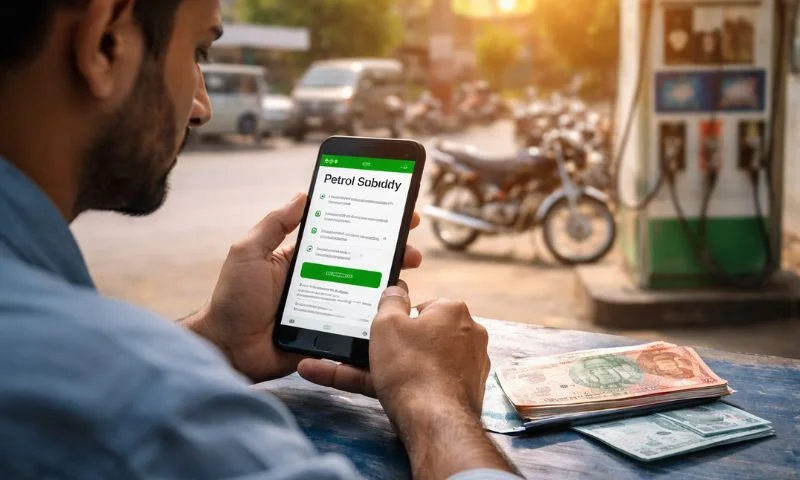
The Punjab government has rolled out a simplified two-step process for citizens to qualify for its petrol subsidy scheme, aimed at easing the burden of rising fuel prices on low-income motorcycle users across the province. The initiative, part of a broader fuel relief programme, is designed to provide targeted support through a digital system, ensuring that subsidies reach eligible individuals directly without intermediaries. Two-step process for subsidy access According to details, the registration process has been streamlined into just two key steps, making it easier for applicants to enroll. The first step requires users to register through the official “Maryam Ko Batayn” platform, either via a mobile application or a web portal, where they must provide their Computerised National Identity Card number and mobile details. The second step involves linking the applicant’s motorcycle details with official records, followed by verification through a one-time password system and backend checks with government databases. Once the verification process is completed, eligible applicants are enrolled in the scheme and can begin receiving fuel subsidies. Officials emphasise that the process has been kept intentionally simple to encourage maximum participation, particularly among daily wage earners and delivery riders who rely heavily on motorcycles for income. Read More:Govt Bike Subsidy Scheme: How You Can Apply Online Who qualifies and how it works The subsidy is primarily targeted at motorcycle owners in Punjab, particularly those with 70cc bikes registered in their own name within the province. Applicants must also ensure that their CNIC and vehicle registration records are valid and up to date, as mismatched or incomplete data can lead to rejection. The scheme is part of a wider government effort to provide financial relief amid record fuel prices, which have placed significant pressure on household budgets and small businesses. Under similar subsidy frameworks, eligible users may receive monthly fuel support equivalent to around Rs2,000, helping offset the cost of daily commuting. The system operates digitally, allowing users to track their application status and access benefits without physical paperwork, reducing the risk of fraud or delays. Read More: How to Apply for Sindh Bike Fuel Subsidy Step by Step Digital shift in subsidy delivery Experts say the programme reflects a broader shift toward targeted and technology-driven welfare initiatives in Pakistan. Instead of universal subsidies, which often strain public finances, governments are increasingly using digital platforms to deliver assistance directly to eligible groups. In Punjab, the use of mobile applications and CNIC-linked verification ensures that benefits reach intended recipients while maintaining transparency. The move also comes as provinces across Pakistan roll out similar schemes, each tailored to local needs but aligned with the federal government’s broader strategy to cushion the impact of rising global oil prices. Analysts note that such initiatives are particularly important in urban centres where motorcycles remain the primary mode of transport for millions of workers. While the simplified two-step process is expected to boost enrollment, officials are urging citizens to apply early, as approvals are being processed on a first-come, first-served basis. As fuel costs continue to rise, the success of the scheme may depend not only on its reach, but also on how efficiently it is implemented and scaled in the coming months.
PTA Approves Ufone-Telenor Merger with Strict Conditions
Pakistan’s telecom regulator has approved the long-anticipated merger between Ufone and Telenor Pakistan, but imposed a series of strict conditions aimed at safeguarding competition, consumer interests and market balance. The decision by the Pakistan Telecommunication Authority marks a major shift in the country’s telecom landscape, reducing the number of major mobile operators from four to three, while placing tight regulatory oversight on the newly combined entity. PTA imposes strict conditions According to details, the PTA has allowed the merger to proceed but introduced safeguards to prevent the emergence of a dominant market player. These include restrictions on anti-competitive practices, requirements for operational transparency and conditions to ensure fair access to telecom infrastructure. Regulators have directed that the merged entity, often referred to as “MergeCo,” must maintain separate accounts and avoid any cross-subsidy between business units, particularly between Pakistan Telecommunication Company Limited and its mobile arm Ufone. The authority has also barred the company from entering exclusive agreements that could limit competitors’ access to essential services such as bandwidth, a move designed to protect smaller players and maintain a level playing field. Officials said the conditions are intended to ensure that “the new company could not exploit its dominating position,” reflecting concerns about market concentration following the merger. Read More: PTA Approves Ufone-Telenor Merger, Reshaping Pakistan’s Telecom Landscape Major reshaping of telecom sector The merger follows the acquisition of Telenor Pakistan by PTCL, completed at the end of 2025, and represents one of the largest consolidations in Pakistan’s telecom industry. With the integration, the combined entity is expected to significantly strengthen its spectrum holdings and network capabilities, potentially improving service quality and expanding coverage. Industry analysts say the deal could enable greater investment in infrastructure and accelerate the rollout of next-generation services, including 5G, which Pakistan has recently begun introducing in major cities. However, the reduction in the number of operators has raised concerns among regulators about competition, pricing and consumer choice. The PTA’s conditions are therefore seen as critical in balancing efficiency gains with market fairness. Read More: PTCL Submits Merger Application to PTA for Telenor Pakistan and Ufone What it means for consumers For subscribers, the merger could bring both benefits and risks. On one hand, a larger, better-resourced operator may deliver improved network performance, faster internet speeds and broader service offerings. On the other hand, fewer competitors in the market could potentially lead to higher tariffs or reduced options if not properly regulated. Experts say the PTA’s oversight will be key in determining how the merger impacts users in the long term. By enforcing conditions on pricing behavior, service access and financial transparency, the regulator aims to ensure that consumers do not bear the cost of consolidation. The decision also signals a broader trend toward consolidation in global telecom markets, where operators are merging to cope with rising infrastructure costs and increasing demand for data services. As Pakistan’s digital economy continues to expand, the Ufone-Telenor merger represents both an opportunity and a test case. The success of the deal will depend not just on operational integration, but on how effectively regulators enforce the conditions designed to protect competition and consumers.

Toyota Cars to Get Costlier as Freight Charges Rise Nationwide
Buying a Toyota vehicle in Pakistan is set to become more expensive as Indus Motor Company (IMC) has revised freight charges nationwide, with a strict April 17, 2026 deadline for customers to avoid the increase. The adjustment, driven by a sharp surge in fuel prices, will not affect ex-factory prices but will significantly raise the final on-road cost for buyers, particularly those located far from Karachi. Fuel surge drives freight hike IMC has linked the increase directly to rising diesel prices, which have climbed to around PKR 520 per litre, sharply increasing transportation costs for vehicle delivery. Since Toyota vehicles assembled in Pakistan are transported from Karachi to dealerships nationwide, higher fuel costs have pushed logistics expenses up by more than 50 percent in recent months. Industry observers note that while base vehicle prices remain unchanged, freight is a critical component of the final invoice. As a result, customers will feel the impact at delivery, where total costs will vary depending on location. The increase applies across all Toyota models, including popular options such as the Corolla, Yaris and Fortuner. April 17 deadline offers temporary relief Toyota has provided a limited window for buyers to secure existing freight rates. Customers who complete full payment and achieve “Good to Go” status in the company’s system before April 17 can avoid the revised charges. “The deal: Current ex-factory prices and old freight rates will apply,” the company noted, provided full payment is made within the deadline. After the cutoff date, all new bookings and pending orders will be processed under the updated freight structure, leading to higher overall costs. The increase varies by region. Buyers in Karachi and southern cities will see relatively smaller increases, while those in central and northern areas will face significantly higher charges due to longer delivery routes. In some cases, the additional cost could reach up to PKR 296,000 depending on the vehicle model and location. Wider impact on Pakistan’s auto market The development reflects broader pressures on Pakistan’s automobile sector, where inflation, currency fluctuations and rising fuel costs continue to reshape pricing dynamics. Experts warn that the freight adjustment could particularly affect middle-income buyers, as entry-level models like the Toyota Yaris and Corolla are widely purchased by families and first-time buyers. Analysts also expect other automakers to review their pricing strategies if fuel costs remain elevated, as logistics expenses are a shared burden across the industry. Pakistan’s auto market has already seen consistent price increases over recent years, and the latest freight revision adds another layer of cost for consumers. Dealers are advising customers to act quickly if they intend to purchase a vehicle, as bookings ahead of the deadline could result in significant savings. While the freight hike may be a direct response to rising operational costs, it also highlights a deeper structural issue. The final price of a car in Pakistan is increasingly influenced not just by manufacturing costs, but by the broader economic environment, particularly fuel and logistics. As demand remains sensitive to price changes, the coming weeks will test whether buyers accelerate purchases or delay decisions in response to the latest increase.

Pakistan Internet Faces Slowdown as Transworld Begins Maintenance
Internet users across Pakistan are likely to experience slower speeds and intermittent disruptions over the coming days as Transworld Associates begins scheduled maintenance on its international submarine cable system, a move expected to impact connectivity nationwide. The advisory places the spotlight squarely on Transworld, one of Pakistan’s key international bandwidth providers, whose network plays a major role in routing internet traffic across the country. Transworld maintenance to impact connectivity According to Transworld Associates, the maintenance work will start on April 9 at 6:30 pm and continue until April 13 at 5:00 am. During this period, users connected through networks that rely on Transworld’s infrastructure may face reduced speeds, higher latency and occasional service interruptions. The company said the activity is being carried out “in coordination with international partners,” indicating that the work involves critical upgrades or repairs to undersea cable systems that connect Pakistan to the global internet backbone. Industry experts say the impact may vary depending on how much each internet service provider depends on Transworld’s bandwidth. However, given the company’s significant role in Pakistan’s connectivity ecosystem, the slowdown could be felt widely, particularly during peak hours. Some service providers may attempt to reroute traffic through alternative cables, but limited redundancy means users could still notice degraded performance. Why Transworld matters Transworld Associates is among the primary operators managing international internet traffic for Pakistan through submarine cable systems. These undersea cables carry the bulk of the country’s data exchange with the rest of the world. With over 160 million internet users in Pakistan, any maintenance activity on a major provider like Transworld can have a cascading effect across sectors, from banking and e-commerce to remote work and streaming services. Past incidents involving submarine cable faults or maintenance have resulted in noticeable slowdowns across the country, highlighting the system’s sensitivity to even routine technical work. Experts note that Pakistan’s reliance on a handful of international gateways, including Transworld, PTCL and others, leaves the network vulnerable when one operator undergoes maintenance. Users urged to prepare for slow speeds Internet service providers and industry stakeholders are advising users to plan ahead during the maintenance window, especially for tasks requiring stable high-speed connections such as video conferencing, online classes and large data transfers. Peak-time usage in the evenings is expected to be most affected, as network congestion increases when bandwidth is reduced. While the slowdown may frustrate users, experts stress that such maintenance is necessary to ensure long-term reliability and performance of the infrastructure. The situation also underscores the need for Pakistan to invest in additional submarine cables and diversify its international bandwidth sources to reduce dependence on a few operators like Transworld. As the country’s digital economy expands, the upcoming maintenance serves as a reminder that even routine technical upgrades by a single provider can ripple across millions of users nationwide.

KitKat Trucks Get ‘Presidential-Level’ Security After 12-Tonne Chocolate Heist
What began as a high-value chocolate heist in Europe has turned into a viral global spectacle, with KitKat trucks now travelling under heavy security convoys after a 12-tonne shipment theft captured widespread attention online. Heist triggers global buzz In March, thieves stole more than 12 tonnes of KitKat chocolate, amounting to over 413,000 bars, after a truck transporting the shipment from central Italy to Poland disappeared during transit. The scale of the theft quickly drew global attention, with the incident being widely shared across news platforms and social media. Nestlé, the parent company behind the brand, confirmed the theft and acknowledged growing concerns over cargo crimes, stating that “cargo theft is an escalating issue for businesses of all sizes.” Authorities have yet to recover the missing shipment, while investigations into the incident continue across Europe. Read More: 12 Tonnes of KitKat Stolen in Europe in Massive Chocolate Heist Security convoys and viral videos In the weeks following the theft, videos began circulating online showing KitKat delivery trucks in Canada escorted by multiple black SUVs, resembling high-security motorcades. Footage shared widely on platforms such as Instagram and TikTok showed the trucks moving under tight security, sparking both amusement and speculation among users. In one widely viewed clip filmed in Toronto, a content creator remarked, “KitKat is taking no chances here. This is presidential-level protection.” The unusual scenes prompted debate over whether the security presence was genuine or part of a calculated marketing move. Some users described the campaign as clever branding, while others questioned its authenticity, with comments suggesting it could be “just a media stunt.” The company later confirmed that the convoy strategy was part of a creative campaign developed in response to the viral attention generated by the theft. Turning crisis into campaign KitKat acknowledged that while the theft itself was real, the dramatic convoy visuals were designed to build on the global conversation surrounding the incident. “Rather than relying on heavy messaging, we tapped into a distinctly Canadian sensibility,” said Joel Holtby, founder of the creative agency behind the campaign, adding that the concept required “no explanation needed.” The strategy reflects a broader trend where brands increasingly turn unexpected crises into engagement opportunities. Marketing analysts note that the chocolate heist has become a case study in real-time brand storytelling, blending security concerns with humour and viral content. At the same time, Nestlé has taken practical steps to address the theft, including launching a tracking system that allows consumers to identify whether products belong to the stolen batch through unique codes. Despite the creative response, the incident highlights a growing challenge for global supply chains. Experts warn that organised cargo theft is becoming more sophisticated, targeting high-demand goods and exploiting logistical vulnerabilities. For KitKat, the “sweetest heist” may have disrupted shipments, but it has also reshaped how brands respond to crises in the digital age, where even a missing truckload of chocolate can turn into a global marketing moment.
No Impact Yet: Pakistan’s Remittances Hold Firm Amid Middle East War
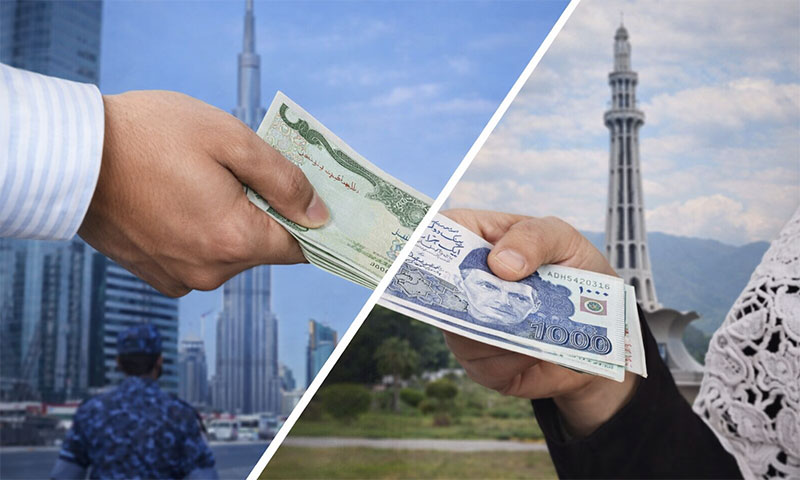
Pakistan’s overseas remittances remained resilient in March despite the escalating conflict in the Middle East, offering a measure of stability to an economy already under pressure from rising fuel costs and external financing challenges. Data released by the State Bank of Pakistan showed that workers’ remittances stood at around $3.8 billion in March, reflecting continued inflows from overseas Pakistanis even as tensions in the Gulf region intensified. The figures suggest that, at least for now, the conflict has not disrupted one of Pakistan’s most critical sources of foreign exchange. Finance Minister Muhammad Aurangzeb also reassured lawmakers that the situation remained stable. “Thankfully, there has been no impact on remittances as of yet,” he said, while addressing concerns in parliament over the potential fallout of the ongoing crisis. Gulf dependence raises long-term concerns Remittances from the Middle East remain vital for Pakistan’s economy, with roughly 40 to 50 percent of total inflows originating from Gulf Cooperation Council countries. These funds play a crucial role in supporting household consumption, education, healthcare and housing, while also helping stabilize the country’s balance of payments. Analysts say the steady March inflows are encouraging, particularly given fears that the conflict could disrupt employment for millions of Pakistani workers in the Gulf. More than nine million Pakistanis have migrated to Middle Eastern countries over the past decade, making the region a cornerstone of the country’s labour export model. However, experts caution that the risks have not disappeared. A prolonged conflict could lead to reduced hiring, job losses or return migration, potentially cutting remittance inflows by billions of dollars. Some estimates suggest Pakistan could face losses of up to $1 to $4 billion if instability persists in key host countries. Economic resilience tested amid wider pressures The resilience in remittances comes at a time when Pakistan is facing broader economic headwinds linked to the Middle East crisis. Rising global oil prices have already pushed domestic fuel costs sharply higher, contributing to inflationary pressures and straining household budgets. At the same time, policymakers remain cautious about future risks. Officials say they are closely monitoring the “elasticity” of remittance flows and assessing how any prolonged disruption could impact the current account and foreign exchange reserves. Despite these concerns, the steady inflows in March have provided short-term relief, helping offset some of the external shocks caused by the conflict. The State Bank has projected that remittances could reach around $42 billion in the current fiscal year, supported by seasonal inflows and improved formal transfer channels. Still, economists warn that Pakistan’s heavy reliance on remittances from the Gulf makes it vulnerable to geopolitical shocks. While March data suggests resilience, the coming months will be critical in determining whether the conflict begins to weigh more heavily on overseas employment and income flows. For now, remittances remain a rare source of stability in an otherwise uncertain economic environment shaped by regional tensions and global volatility.
