


A British couple raising 13 children and expecting their 14th has offered a rare glimpse into the financial realities of managing one of the country’s largest households, revealing that their monthly grocery bill alone reaches about $1,360. Natalie and Oliver Jackson, whose children range in age from 3 to 19, shared details of their daily life during an appearance on a UK morning television show, where they outlined the scale of consumption required to feed their growing family. The couple said their household goes through 12 loaves of bread, nearly 8.5 gallons of milk, eight boxes of cereal and 60 eggs every week, highlighting the logistical challenges behind their monthly food spending. Despite the size of the bill, Natalie emphasized that careful budgeting and planning are essential. “We don’t have a choice, we can’t send them back,” she joked, underscoring the family’s pragmatic approach to managing costs. Managing a household of 15 The Jackson family lives in a five-bedroom home where space is tightly managed, with several children sharing rooms. Daily routines are equally demanding. Natalie said she runs three loads of laundry a day, not including towels or bedding, while older children help care for younger siblings and contribute to household chores. Oliver, who works in what Natalie described as a “well-paid job,” said the family ensures that resources are stretched efficiently so every child is provided for. The couple also faces additional costs beyond food, including fuel for a large vehicle used to transport the family, though they did not disclose exact figures. A story shaped by unexpected turns The family’s journey began in 2005 with the birth of their first child. However, Oliver had previously been diagnosed with stage 3 testicular cancer and was told he was “sub-fertile,” making their growing family unexpected. After their 10th child, Oliver underwent a vasectomy, believing their family was complete. But in a rare medical occurrence known as recanalization, the procedure reversed itself, leading to four more pregnancies. Doctors say such cases are uncommon but possible, particularly within the first months after the procedure, though they can occur later. Natalie reflected on public reactions to their family size, noting that responses vary. “We feel blessed, we don’t feel that it’s a chore,” she said. Rising food costs and large families The Jacksons’ grocery bill comes at a time when food prices remain a concern globally. Data from large-family budgeting studies suggests that even households of nine or more often spend around $1,000 to $1,400 per month on food, depending on planning and bulk purchasing strategies. For families of this size, experts say meal planning, bulk buying and minimizing food waste are critical to controlling costs, especially as inflation continues to affect staple goods. As the Jackson family prepares to welcome another child, their story highlights both the financial pressures and the personal choices behind raising a large family in today’s economy.
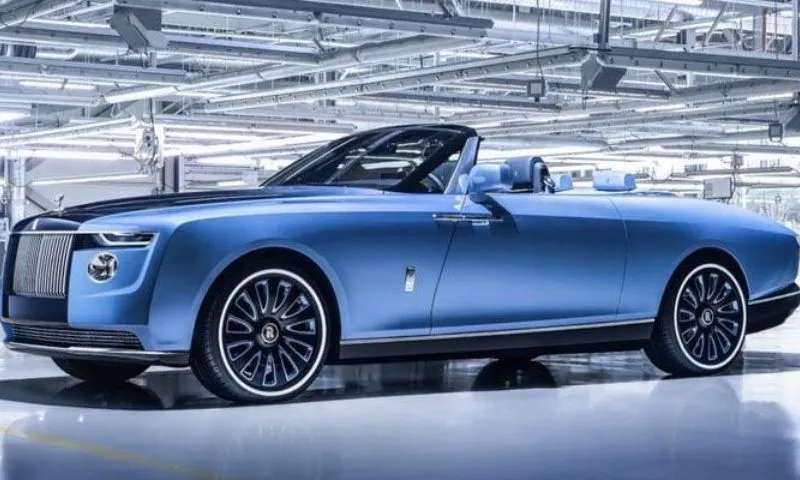
Rolls-Royce Reveals Project Nightingale: A $9M Electric Masterpiece
Luxury automaker Rolls-Royce Motor Cars has revealed its latest ultra-exclusive creation, Project Nightingale, marking a new chapter in its bespoke “Coachbuild Collection” with a limited production run of just 100 vehicles globally. Unveiled in April 2026, the Project Nightingale is a full-size, two-door, two-seat convertible that blends heritage craftsmanship with cutting-edge electric technology. Built on the company’s “Architecture of Luxury” platform, the same underpinning as its electric Spectre model, the Nightingale signals Rolls-Royce’s continued shift toward electrification without compromising its hallmark luxury. A return to coachbuilt exclusivity The Nightingale revives Rolls-Royce’s historic coachbuilding tradition, where cars are hand-built to individual client specifications. While previous projects like the Sweptail and Boat Tail were one-off creations, this new collection expands the concept to a small group of elite buyers through an invitation-only process. Only 100 units will be produced, with deliveries expected to begin around 2028. Industry estimates suggest pricing could run into several million dollars per vehicle, reinforcing its position among the most exclusive automobiles ever made. The name “Nightingale” is derived from “Le Rossignol,” a residence linked to Rolls-Royce co-founder Henry Royce on the French Riviera, reflecting the brand’s deep-rooted heritage and design philosophy. Design inspired by history and modern luxury The Project Nightingale draws heavily from Rolls-Royce’s experimental models of the 1920s, particularly the 16EX and 17EX prototypes, known for their lightweight construction and performance ambitions. Visually, the car features a long, sculpted body measuring around 5.76 meters, with a dramatic open-top silhouette, large 24-inch wheels, and minimalist lighting signatures. Its styling incorporates elements of Art Deco and “Streamlined Moderne,” merging classic elegance with futuristic design cues. Inside, Rolls-Royce has introduced a highly detailed cabin concept, including a “Starlight Breeze” lighting system with more than 10,000 fiber-optic points, designed to mimic patterns inspired by birdsong. Premium materials such as cashmere blends and bespoke finishes further elevate the interior experience. Electric future with ultra-luxury focus While Rolls-Royce has not disclosed full performance specifications, the Nightingale is expected to share its electric drivetrain architecture with the Spectre, which delivers up to around 650 horsepower. Despite the shift to electric mobility, the focus remains firmly on craftsmanship, personalization, and exclusivity rather than outright performance. The project underscores the company’s strategy to cater to ultra-high-net-worth clients seeking unique, tailor-made vehicles that function as both transportation and collectible art. Industry observers say Project Nightingale reflects a broader trend in luxury automotive markets, where manufacturers are doubling down on bespoke offerings to maintain exclusivity in an increasingly electrified future.
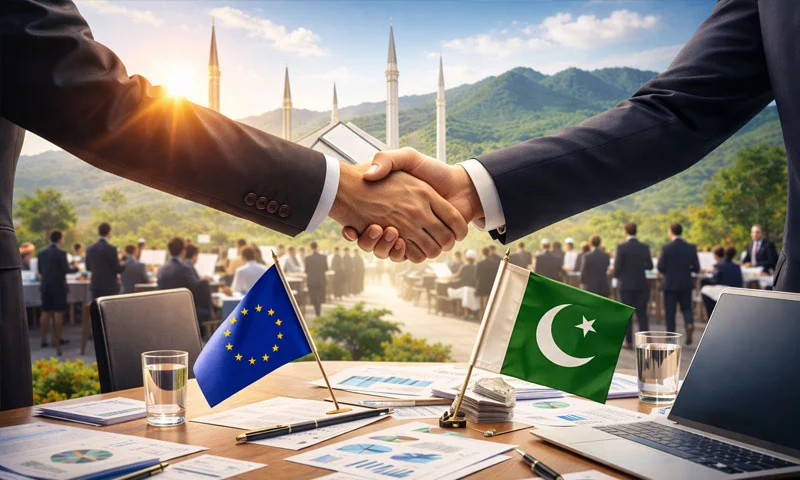
Islamabad to Host First-Ever EU-Pakistan Business Forum in Major Investment Push
Islamabad is set to host the first-ever high-level European Union–Pakistan Business Forum later this month, bringing together policymakers, investors and business leaders from both sides in a major push to deepen economic cooperation and unlock new investment opportunities. The two-day forum, scheduled for April 28 and 29 in Islamabad, is being organised with the support of the European Union, its member states and the Government of Pakistan. It will take place at the Serena Hotel and is expected to draw participation from senior government officials, corporate executives and international investors. Officials say the event marks a significant milestone in bilateral relations, offering a platform for high-level dialogue and business-to-business engagement across multiple sectors. Platform to unlock investment and partnerships The forum aims to facilitate direct interaction between European companies and Pakistani businesses, while highlighting Pakistan’s investment potential across key sectors such as renewable energy, digital innovation, agriculture, textiles and infrastructure. Organisers say the initiative is designed to “unlock opportunities and build connections,” with a focus on strengthening trade and fostering long-term partnerships between the two regions. A key outcome of the event will be the launch of the EU–Pakistan Business Network, which will serve as a platform for European firms operating in Pakistan to coordinate more closely, advocate for improved business conditions and promote increased investment flows. The forum will also include sessions on regulatory reforms, market access and sustainable business practices, reflecting a broader effort to improve the investment climate and support economic growth. Strong trade ties underpin engagement The European Union is Pakistan’s second-largest trading partner and one of its most important export destinations, particularly under the GSP+ trade scheme, which has played a key role in boosting Pakistani exports to European markets. Pakistan’s exports to the EU have shown steady growth in recent years, with key sectors including textiles, leather goods, surgical instruments and agricultural products driving trade volumes. Officials from both sides have repeatedly stressed the need to further enhance economic engagement by addressing regulatory challenges and expanding cooperation in emerging sectors such as green energy and digital technologies. The forum is expected to build on more than six decades of economic and diplomatic ties between Pakistan and the European Union, with both sides seeking to move beyond traditional trade links toward deeper investment partnerships. Focus on long-term economic collaboration Analysts say the event comes at a time when Pakistan is actively seeking foreign investment to stabilise its economy and support long-term growth, while European companies are exploring new markets amid shifting global supply chains. By bringing together stakeholders from both public and private sectors, the forum is expected to create new avenues for collaboration and strengthen confidence among international investors. With Islamabad hosting the landmark event, the government hopes to position Pakistan as a competitive investment destination and a key economic partner for the European Union in South Asia.
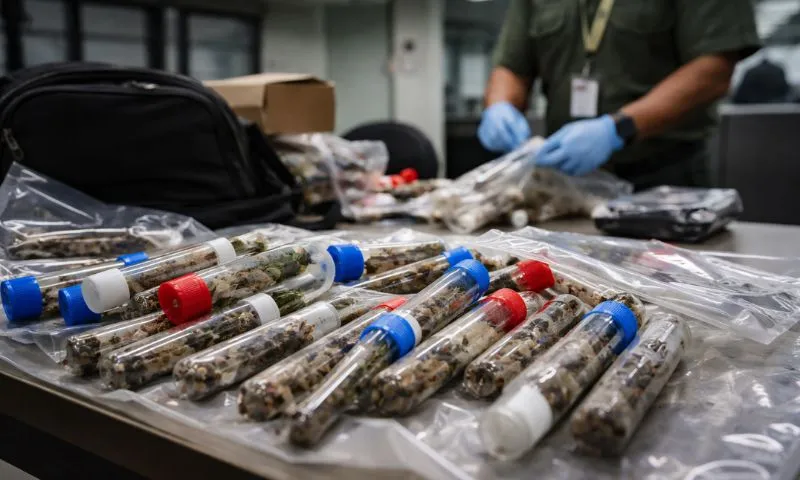
Kenya Court Cracks Down After Chinese National Caught With 2,200 Live Ants
A Kenyan court has sentenced a Chinese national to 12 months in prison or a fine of 1 million Kenyan shillings, about $7,746, after he was caught trying to smuggle more than 2,200 live garden ants out of the country through Nairobi’s main international airport, in a case that has renewed scrutiny on the illegal trade in lesser-known wildlife species. Zhang Kequn, 27, was arrested last month at Jomo Kenyatta International Airport. Prosecutors said the insects were part of an illicit wildlife shipment headed for foreign buyers, with Kenya’s courts and wildlife authorities increasingly treating ant trafficking as a serious form of biopiracy rather than an obscure customs violation. Zhang first denied the charges, including dealing in live wildlife species without a permit, but later changed his plea to guilty. In sentencing him, Magistrate Irene Gichobi said the court had to send a strong message as such cases rise. “Noting the increasing and rising cases of dealing in large quantities of garden ants and the negative ecological side effects of massive harvesting, there is a need for a stiff deterrent,” she said. Reuters reported that Zhang’s lawyer said he would appeal the sentence. The case also drew attention because prosecutors linked Zhang to a Kenyan suspect, Charles Mwangi, who is accused of supplying the ants. Mwangi has pleaded not guilty and is out on bail. Earlier court reporting said prosecutors alleged Zhang had sourced ants from Mwangi in separate batches, paying 60,000 Kenyan shillings for 600 ants and 70,000 Kenyan shillings for another 700. Authorities said the two men were found with 1,948 garden ants in specialized tubes and another 300 hidden in tissue rolls, and that they did not have permits required under Kenya’s wildlife conservation laws. The Kenyan case comes amid a broader shift in wildlife trafficking patterns. Rather than focusing only on elephant ivory, rhino horn or exotic skins, authorities say criminal networks and private collectors are increasingly targeting insects and other small species that play an outsized ecological role. Reuters reported last year that four men were fined 1 million shillings each after trying to traffic roughly 5,440 giant African harvester queen ants from Kenya. In that case, the Kenya Wildlife Service said the insects had been concealed in modified test tubes and syringes designed to keep them alive for up to two months and evade airport security. The demand is being driven in part by a niche but lucrative overseas market. Ant enthusiasts in Asia, Europe and North America keep colonies in transparent containers known as formicariums to observe their behavior and social organization. Kenyan courts have noted that queen ants can command high prices because they are the only ants capable of laying eggs and establishing new colonies. That makes their removal from the wild more than a hobbyist issue. It threatens fragile ecosystems and raises concerns about the commercial extraction of Kenya’s biodiversity.

Pakistan receives $2bn Saudi deposit as reserves get major boost
Pakistan has received $2 billion from Saudi Arabia, the State Bank of Pakistan (SBP) confirmed, providing a timely boost to the country’s foreign exchange reserves as it faces growing external financing challenges. The central bank said the funds were received from the Kingdom’s Ministry of Finance with a value date of April 15, strengthening Pakistan’s external account at a critical juncture. The inflow comes as part of a broader financial support framework from Riyadh, which has committed a total of $3 billion in additional deposits for Pakistan. Support comes amid repayment pressures The development comes at a time when Pakistan is under pressure to manage its foreign exchange reserves, particularly due to a $3.5 billion repayment to the United Arab Emirates due this month. The country’s reserves stood at around $16.4 billion in late March, making external inflows crucial to maintaining stability and meeting International Monetary Fund targets. Saudi Arabia’s continued financial backing is seen as key to supporting Pakistan’s balance of payments and stabilising the rupee, while also reinforcing investor confidence. Officials have noted that the additional support comes alongside an extension of the Kingdom’s existing $5 billion deposit facility, which will now remain in place for a longer duration instead of the earlier annual rollover arrangement. Broader economic and strategic context The latest inflow underscores deep economic ties between Islamabad and Riyadh, with Saudi Arabia repeatedly stepping in during periods of financial stress. Past assistance packages have included deposits at the central bank and oil supply facilities on deferred payments. The funding also coincides with Pakistan’s ongoing efforts to meet targets under its IMF-supported programme, which requires building foreign exchange reserves to sustainable levels and maintaining macroeconomic stability. At the same time, the inflow reflects broader strategic cooperation between the two countries, extending beyond economics into defence and regional diplomacy. Pakistan has recently played a prominent role in facilitating dialogue between global powers, which analysts say has further strengthened its position with key partners in the Gulf. Market reaction to the development was immediate, with the Pakistan Stock Exchange witnessing a strong rally as investor sentiment improved following the announcement of the Saudi deposit. While the $2 billion inflow provides short-term relief, economists caution that long-term stability will depend on sustained reforms, export growth and continued external financing support. As Pakistan navigates a complex economic landscape, the latest support from Saudi Arabia is expected to help ease immediate pressures while providing a cushion for upcoming financial obligations.

End of Endless Scrolling? YouTube Adds Option to Remove Shorts
YouTube is rolling out a new feature that allows users to limit or effectively disable the Shorts feed, marking a shift in how the platform is addressing concerns around excessive scrolling and digital wellbeing. The update enables users to set a viewing limit for Shorts, including an option to reduce the time to zero minutes. Once the limit is reached, the Shorts feed disappears from the app, along with related recommendations, allowing users to focus on longer-form content. The feature is part of YouTube’s broader effort to give users more control over their viewing habits as short-form video continues to dominate online platforms. New controls target screen time habits The Shorts limit can be accessed through YouTube’s settings under time management tools. Users can select how long they want to spend watching short videos, and once that threshold is reached, the app stops showing Shorts content. The zero-minute option effectively removes Shorts entirely, a move that many users have been requesting as short-form content becomes increasingly addictive. The update builds on earlier features that allowed users to set daily time limits, which would pause Shorts viewing after a certain duration. YouTube has previously said such tools are designed to help users “be more deliberate about their viewing habits.” The company has also expanded parental controls, enabling guardians to restrict or block Shorts for younger users, reflecting growing concerns about the impact of endless scrolling on attention spans and mental health. Balancing growth with user wellbeing YouTube Shorts has become a central part of the platform’s strategy, competing directly with TikTok and Instagram Reels. The format has seen rapid growth, attracting billions of views and reshaping how content is consumed globally. However, the rise of short-form video has also raised concerns among users and experts about reduced attention spans and increased screen time. Studies suggest that short-form content encourages frequent engagement but can also lead to lower focus on longer, more informative content. The introduction of the new feature indicates a shift in approach, where platforms are increasingly expected to offer tools that allow users to manage their own usage rather than simply maximize engagement. While Shorts remains a key growth driver for YouTube, the ability to limit or disable the feed suggests the company is responding to user demand for more balanced digital experiences. As the feature rolls out globally, it is likely to influence how other platforms approach short-form content, particularly as regulators and users push for greater control over screen time and algorithm-driven engagement.
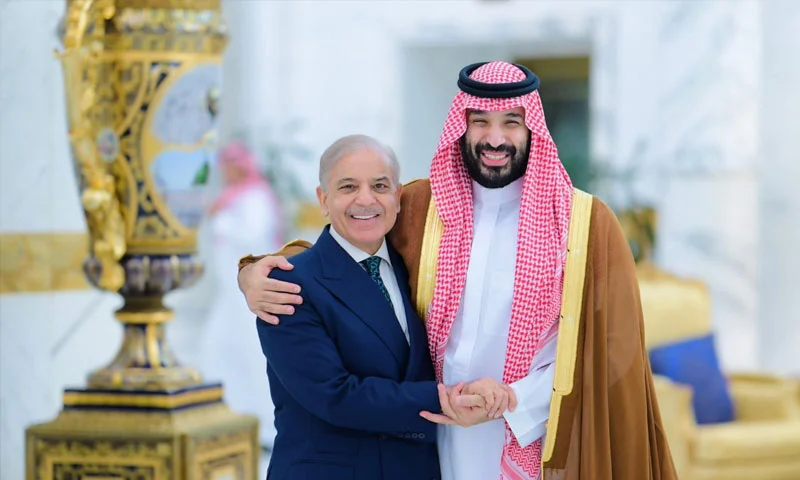
PM Shehbaz Highlights Pakistan’s Peace Role After Meeting MBS as US-Iran Talks Gain Momentum
Prime Minister Shehbaz Sharif has underscored Pakistan’s growing diplomatic role in the Middle East after meeting Saudi Crown Prince Mohammed bin Salman in Jeddah, where he reaffirmed Islamabad’s commitment to regional peace and stability following recent developments involving the United States and Iran. In a statement shared on social media, the prime minister said, “I had the pleasure and honour of meeting my dear brother, His Royal Highness Crown Prince Mohammed bin Salman, in Jeddah today.” He added that he conveyed Pakistan’s “unwavering solidarity with the Kingdom” and expressed appreciation for Saudi Arabia’s “patience and restraint” under the crown prince’s leadership during challenging times. Shehbaz Sharif also highlighted Pakistan’s recent diplomatic efforts, stating that he shared “developments related to Pakistan’s peace efforts which helped facilitate the U.S.–Iran ceasefire and historic peace talks in Islamabad.” He reiterated that Pakistan remains committed to encouraging both Washington and Tehran toward “an agreement aimed at lasting peace and stability in the region.” I had the pleasure and honour of meeting my dear brother, His Royal Highness Crown Prince Mohammed bin Salman, in Jeddah today.During the course of which, I conveyed Pakistan’s unwavering solidarity with the Kingdom and expressed my deep appreciation of its patience and… pic.twitter.com/C6fIobxM58— Shehbaz Sharif (@CMShehbaz) April 15, 2026 The prime minister further expressed gratitude for Saudi Arabia’s continued economic support, noting that he had conveyed “sincere appreciation for the Kingdom’s consistent support for Pakistan’s economic stability,” while both sides reaffirmed their commitment to strengthening long-standing defence and strategic ties. Military and diplomatic outreach expands Pakistan’s parallel diplomatic engagement continued as Chief of Defence Forces (CDF) and Chief of the Army Staff Field Marshal Asim Munir arrived in Tehran, where he held meetings with Iranian leadership, according to Iranian media reports. The discussions focused on regional security, bilateral cooperation and ongoing efforts to sustain de-escalation following recent tensions. The visit is being viewed as part of a broader coordinated effort by Pakistan to maintain communication channels with all key stakeholders, reinforcing its position as a facilitator in ongoing diplomatic efforts between Iran and the United States. Delighted to welcome Field Marshal Munir to Iran.Expressed gratitude for Pakistan's gracious hosting of dialogue, emphasizing that it reflects our deep and great bilateral relationship. Our commitment to promoting peace and stability in the region remains strong—and shared. pic.twitter.com/e74lm6hL8r— Seyed Abbas Araghchi (@araghchi) April 15, 2026 Observers say the simultaneous engagement with Riyadh and Tehran reflects Islamabad’s attempt to balance its regional relationships while pushing forward its role in peacebuilding initiatives. Islamabad likely venue for next round of talks Meanwhile, diplomatic signals from Washington suggest that Pakistan could continue to play a central role in upcoming negotiations. The White House spokesperson indicated that a second round of US-Iran talks could again take place in Islamabad, following the initial round hosted by Pakistan. The development comes amid cautious optimism for continued dialogue, even as tensions remain. Reports indicate that discussions are ongoing despite disagreements on key issues, particularly Iran’s nuclear programme and regional security arrangements. At the same time, recent measures by the United States targeting Iran’s maritime trade underscore the complexity of the situation, highlighting the gap between diplomatic engagement and strategic pressure. 🚨 TRUMP PRESS SEC. KAROLINE LEAVITT PRAISES PAKISTAN!"I just want to make one point that's important to the President. The Pakistanis have been incredible mediators throughout this process and we really appreciate their friendship and their efforts to bring this deal to a… pic.twitter.com/tJHjx01cLi— Eric Daugherty (@EricLDaugh) April 15, 2026 Despite these challenges, Pakistan’s role in facilitating the earlier ceasefire and bringing both sides to the negotiating table has drawn international attention. Analysts say the country’s ability to engage with multiple regional actors places it in a unique position to support continued dialogue. As diplomatic activity intensifies, Pakistan’s leadership appears focused on sustaining momentum toward a broader agreement. With Islamabad once again being considered as a venue for future talks, the coming days could prove critical in determining whether recent efforts translate into lasting stability in the region.
