


US President Donald Trump has indicated that he may travel to Pakistan as early as this weekend for a fresh round of negotiations with Iran, highlighting Islamabad’s growing role as a key diplomatic hub in efforts to de-escalate tensions in the Middle East. Speaking to reporters, Trump said a second round of talks with Iranian officials “could be happening over the next two days,” adding that Washington is “more inclined” to hold the next phase of negotiations in Pakistan. “It’s more likely, you know why? Because the Field Marshal is doing a great job. He’s fantastic, and therefore it’s more likely that we go back there,” Trump said, praising Pakistan’s Army Chief Field Marshal Asim Munir for facilitating dialogue. JUST IN: President Trump said he could travel to Islamabad to seal a deal, praising Pakistan’s leadership and signaling he “might go” if an agreement is signed there: “The field marshal has been great. The Prime Minister has been really great in Pakistan so I might go.”@pdoocy pic.twitter.com/W2CwvjutfC — Fox News (@FoxNews) April 16, 2026 Islamabad emerges as diplomatic center Pakistan has recently positioned itself at the center of mediation efforts between the United States and Iran, hosting a first round of direct talks earlier this month. The negotiations, held in Islamabad, marked a rare high-level engagement between the two sides but ended without a formal agreement after more than 20 hours of discussions. Officials from Pakistan, Iran and the United States have suggested that delegations could reconvene in Islamabad over the weekend, although no final schedule has been confirmed. The White House has also signaled that Pakistan remains a preferred venue for continued dialogue, citing its role in maintaining communication channels between both sides and helping sustain a fragile ceasefire. Talks linked to fragile ceasefire The renewed diplomatic push comes amid a delicate ceasefire between Washington and Tehran following weeks of heightened tensions. The ceasefire, which is set to expire later this month, has increased urgency for both sides to reach a negotiated understanding. Trump struck an optimistic tone about the talks, saying “something could be happening over the next two days,” suggesting momentum is building toward another round of negotiations. However, key issues remain unresolved, particularly disagreements over Iran’s nuclear program and broader regional security concerns. The previous round of talks in Islamabad ended without consensus, with both sides maintaining firm positions. Pakistan’s expanding diplomatic role Pakistan’s mediation efforts have drawn recognition from international actors, including the United Nations, which has encouraged continued dialogue. UN Secretary-General Antonio Guterres described it as “highly probable” that talks would resume, emphasizing the need for sustained engagement to prevent further escalation. Analysts say Islamabad’s role reflects a broader shift in regional diplomacy, with Pakistan acting as a neutral intermediary capable of engaging both Washington and Tehran. The country has also undertaken wider diplomatic outreach, engaging Gulf states and other regional stakeholders to support a negotiated resolution. Uncertainty remains despite momentum While momentum appears to be building, uncertainty remains over the timing and outcome of the next round. Officials caution that even if talks resume soon, reaching a comprehensive agreement could take time given the complexity of the issues involved. Still, Trump’s remarks about a possible visit to Pakistan underline the country’s growing importance in global diplomacy. As preparations continue, Islamabad is once again expected to host high-stakes negotiations that could shape the trajectory of one of the most closely watched geopolitical developments of the year.

NBP Signs Shahid Afridi to Boost Talent Development Across Pakistan
The National Bank of Pakistan has formally announced the appointment of Shahid Afridi as a Sports Consultant, marking a strategic move to strengthen the institution’s long-standing role in promoting sports across the country. Afridi, one of Pakistan’s most iconic cricketers, brings decades of experience to the role, along with a legacy that includes holding the record for the fastest One Day International century for 17 years. His appointment signals NBP’s intent to elevate its sports programs and expand its contribution to both grassroots and professional-level development. The announcement was made during a ceremony held at the NBP Head Office, where the bank’s President Rehmat Ali Hasnie, along with senior executives, welcomed Afridi to the organization. Strengthening NBP’s sports vision Speaking on the occasion, Hasnie emphasized the significance of Afridi’s inclusion in the bank’s sports framework. “We are honored to have Shahid Afridi join NBP Sports. His unparalleled experience, leadership, and passion for the game will greatly contribute to our mission of promoting sports excellence and developing talent at both grassroots and professional levels,” he said. NBP has historically played a key role in supporting sports in Pakistan, particularly through departmental teams and athlete development programs. Over the years, it has produced several renowned athletes across multiple disciplines, building a legacy that Afridi is now expected to further strengthen. Afridi outlines his mission Addressing attendees at the ceremony, Afridi said his decision to join NBP was driven by a shared vision of advancing sports in Pakistan. “I have joined NBP Sports with the aim of elevating its sports programs to the highest level,” he stated. He also acknowledged the bank’s longstanding contribution to the country’s sporting landscape. “NBP has played a pivotal role in promoting sports across the country and has a strong legacy of producing renowned athletes,” Afridi said. The former captain further highlighted his commitment to nurturing young talent, adding that he aims to help develop future sports stars through NBP’s platform. His focus, he said, would be on identifying emerging players and providing them with opportunities to grow within a structured system. Focus on grassroots and future athletes Afridi’s appointment is expected to bring renewed energy to NBP’s sports initiatives, particularly at the grassroots level where talent identification and development remain critical challenges. Industry observers say that bringing in high-profile athletes as mentors and advisors can significantly improve visibility and credibility, while also inspiring young players to pursue professional careers. With Afridi’s experience and public influence, NBP is likely to enhance its outreach programs, training structures and talent pipelines in the coming years. The move also aligns with broader efforts in Pakistan to revive institutional sports, which have historically been a backbone of athlete development but have faced challenges in recent times. A step toward long-term impact The addition of Afridi reinforces NBP’s broader vision of advancing sports in Pakistan and empowering the next generation of athletes. By combining institutional support with experienced leadership, the bank aims to create a more sustainable and competitive environment for sports development. As Afridi begins his new role, expectations remain high that his involvement will not only strengthen NBP’s programs but also contribute to shaping the future of sports in Pakistan.

Europe Launches Age Verification App to Protect Children Online
The European Union has unveiled a new age verification app designed to limit children’s access to social media and other online services, as governments across the region intensify efforts to regulate digital platforms and protect minors. The app, announced by European Commission President Ursula von der Leyen, is described as a centralized tool that allows users to prove their age online without sharing sensitive personal information with individual platforms. The system is expected to be rolled out soon across EU member states. A digital ID for age checks Under the proposed system, users will verify their age through official identification such as a passport or national ID, but platforms will only receive confirmation of whether a user meets the required age threshold, not their full personal data. Officials say the app is designed to meet high privacy standards while addressing long-standing criticism that social media companies have failed to effectively enforce age restrictions. “We are holding accountable those online platforms that do not protect our kids enough,” von der Leyen said, adding that “there are no more excuses.” The app will function across both mobile devices and computers, allowing platforms such as Instagram and Facebook to rely on a unified system rather than developing their own verification tools. Part of a broader regulatory push The launch comes amid growing momentum across Europe to impose stricter controls on children’s digital activity. Several countries are considering or have already introduced laws setting minimum age limits for social media use, typically ranging between 13 and 16. The initiative is closely linked to the EU’s Digital Services Act, which requires large online platforms to manage risks related to harmful content and protect minors. At the same time, policymakers are exploring a potential bloc-wide rule that could set a minimum age of 16 for social media access, although no binding legislation has yet been finalized. Henna Virkkunen, the EU’s digital chief, said the bloc aims to coordinate enforcement across member states, ensuring consistent implementation of age verification systems. Balancing safety and privacy concerns While the app is positioned as a privacy-preserving solution, it has already sparked debate among technology experts and civil liberties groups. Critics argue that any system requiring identity verification risks creating new vulnerabilities, including data breaches and surveillance concerns. Age verification systems globally have faced scrutiny for potential misuse of personal data and the possibility of being bypassed through tools such as VPNs. EU officials acknowledge these limitations but stress that the app is intended as a deterrent rather than a policing mechanism. “The app is the kind of barrier that avoids unintended exposure of kids,” one official said. A global trend in digital regulation Europe’s move reflects a broader global shift toward tighter online safety rules. Australia has already introduced a ban on social media use for children under 16, while the United Kingdom and several US states are implementing or considering similar measures. Technology companies have also begun strengthening their own systems, using artificial intelligence and identity verification tools to detect underage users and restrict access to certain features. As the EU prepares to roll out its app, the initiative could become a model for other regions seeking to balance child protection with user privacy. With pressure mounting on digital platforms to take greater responsibility, the success or failure of Europe’s approach may shape the future of online regulation worldwide.

$3.8 Billion Olympic Stadium Plan Sparks Debate Over Green Space
Plans for Brisbane’s main Olympic stadium for the 2032 Games have ignited renewed debate in Australia, after authorities confirmed the venue will be built inside Victoria Park, one of the city’s largest inner-city green spaces. The proposed 63,000-seat stadium is set to become the centerpiece of the Brisbane 2032 Olympic and Paralympic Games, hosting the opening and closing ceremonies as well as athletics events. Located just north of Brisbane’s central business district, the stadium will later replace the historic Gabba as the city’s primary venue for cricket and Australian rules football, cementing its long-term role in Queensland’s sporting infrastructure. A $3.8 billion vision The project, estimated to cost around A$3.6 to A$3.8 billion, forms part of a broader A$7.1 billion infrastructure plan tied to the 2032 Games. Early designs show a stadium integrated into the natural landscape of Victoria Park, with shaded seating, a cantilevered roof and a playing field comparable in size to the Melbourne Cricket Ground. Officials say the location was chosen to maximize access to public transport and existing infrastructure, placing the venue in a central position within the park near Gilchrist Avenue. Design work is being led by a consortium including Australian firms Cox Architecture and Hassell, alongside Japanese group Azusa Sekkei, known for major stadium projects globally. Construction is expected to begin in stages from mid-2026, with completion targeted ahead of the Games. Environmental and cultural concerns Despite its scale and ambition, the project has faced opposition from community groups and environmental advocates. Critics argue that building a major stadium inside Victoria Park would permanently alter one of Brisbane’s most significant green spaces. The park holds historical and cultural importance, including connections to Indigenous communities, with some groups raising concerns about the potential impact on heritage sites. Opponents say the development risks prioritizing global sporting ambitions over local environmental preservation and public access. Supporters, however, argue the project will deliver long-term economic benefits, boost tourism and create a world-class events precinct for the city. A defining project for Brisbane 2032 The stadium is expected to anchor Brisbane’s Olympic legacy, serving as a multi-purpose venue for decades after the Games. It is also likely to host major events such as international cricket matches, AFL games and large-scale concerts. Authorities say the design will reflect Queensland’s subtropical lifestyle, blending indoor and outdoor elements while integrating the venue into the surrounding landscape. As planning progresses, the Victoria Park stadium has become one of the most closely watched Olympic infrastructure projects globally, highlighting the complex balance between development, heritage and sustainability. With construction expected to accelerate in the coming months, the debate surrounding the project is unlikely to fade, even as Brisbane positions itself for one of the world’s biggest sporting events.
Own a Piece of the Eiffel Tower: Historic Staircase Goes to Auction
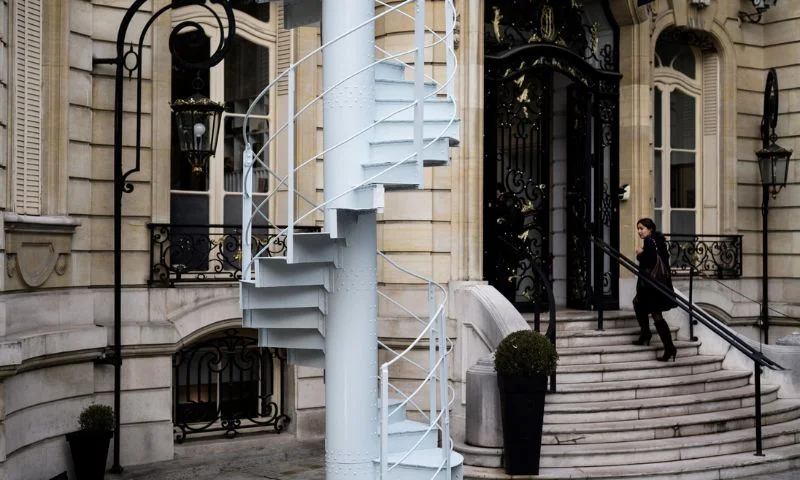
A piece of one of the world’s most iconic landmarks is set to go under the hammer in Paris, as a section of the original Eiffel Tower staircase prepares to be auctioned, offering collectors a rare chance to own a fragment of 19th-century engineering history. The section, part of the spiral staircase that once connected the second and third levels of the Eiffel Tower, will be sold by French auction house Artcurial on May 21. Dating back to the tower’s completion in 1889 under the supervision of engineer Gustave Eiffel, the structure is expected to fetch between roughly $140,000 and $175,000, according to auction estimates. A relic from the tower’s original design The staircase fragment stands about nine feet tall and includes 14 steps made of steel and riveted sheet metal, reflecting the industrial craftsmanship of the late 19th century. It once formed part of a narrow spiral route used by visitors climbing to the tower’s summit before modern elevators were installed. The original staircase linking the second and third floors consisted of more than 1,000 steps and offered a dramatic ascent with panoramic views of Paris. One Artcurial specialist described the experience as a journey through time, saying: “Imagine yourself in 1889 on this staircase… with a 360-degree view of Paris.” In 1983, the staircase was dismantled during a major renovation aimed at improving visitor safety. The structure was divided into 24 sections, many of which were sold at auction and later distributed across museums and private collections around the world. From engineering landmark to collectible artifact The piece now heading to auction has been held in a private collection for more than four decades since its original sale. It has recently been restored by specialists involved in maintaining the Eiffel Tower, preserving its original industrial finish. Interest in such artifacts has remained strong, with previous staircase sections fetching significantly higher prices than initial estimates. One comparable piece sold for more than €500,000 in 2016 after a competitive bidding process, highlighting the global appeal of items linked to the Paris landmark. The Eiffel Tower itself, built for the 1889 World’s Fair, remains one of the most visited monuments in the world, attracting nearly seven million visitors annually and symbolizing both Paris and France. Growing demand for architectural history The upcoming auction reflects a broader trend in the collectibles market, where fragments of historic structures are increasingly sought after by private collectors, institutions and investors. Experts say such pieces offer more than aesthetic value. They represent tangible connections to major cultural and engineering milestones, transforming functional components into prized artifacts. As bidding opens in Paris, the staircase section is expected to draw international interest, continuing a pattern where elements of the Eiffel Tower have found homes far beyond France, from museums to private estates. For collectors, the sale represents a rare opportunity to own a literal piece of history from one of the world’s most recognizable landmarks.

Air New Zealand Unveils First-Ever Economy Bunk Beds for Long Flights
Air New Zealand is preparing to introduce a groundbreaking in-flight concept that could redefine long-haul travel, offering economy passengers access to lie-flat bunk beds for the first time. The airline’s new “Skynest” product will debut on its Boeing 787-9 Dreamliners, initially operating on ultra-long-haul routes such as Auckland to New York, one of the longest commercial flights in the world. Bookings are set to open in May 2026, with the first flights expected later in the year. A new way to sleep in economy The Skynest system features six lie-flat sleeping pods arranged in a bunk-style layout, located between the economy and premium economy cabins. Each pod allows passengers to stretch out fully, offering a level of comfort previously limited to business class. Passengers will still need to purchase a standard seat but can add a Skynest session for an additional fee. Each session lasts four hours, with two sessions planned per flight to maximize availability. Each sleeping pod is equipped with a mattress, pillow, blanket, privacy curtain, reading light, ventilation system and charging ports. Travelers will also receive a “Nestcessities” kit that includes items such as an eye mask, socks and skincare products. Designed for ultra-long journeys Air New Zealand said the concept was developed to address the physical strain of long-haul travel, particularly flights lasting more than 15 hours. Chief Executive Nikhil Ravishankar emphasized the importance of improving passenger comfort. “For a country as remote as New Zealand, the journey matters,” he said, adding that giving travelers the ability to properly rest “helps make travel to and from New Zealand more manageable.” The pods have been designed around natural sleep cycles, allowing passengers enough time to settle, rest and wake gradually before returning to their seats. Each bed measures roughly 6.5 feet in length, making it suitable for most adults, although space remains compact and more functional than luxurious. Rules, limitations and pricing Despite its innovation, the Skynest system comes with strict guidelines. Passengers can book only one session per flight, and the pods are intended for individual use only. Eating inside the bunks is not allowed, and passengers must return to their seats once their time slot ends. Pricing is expected to start at around $495 per session, positioning the service as a middle-ground option between standard economy seating and premium cabins. The rotating system means that up to 12 passengers per flight will be able to use the beds across two scheduled sessions. A shift in airline innovation The launch of Skynest reflects a broader trend in the aviation industry, where airlines are exploring new ways to enhance comfort without fully redesigning cabin classes. Air New Zealand has previously introduced innovations such as the Skycouch, which converts economy seats into a flat surface. Skynest builds on that concept by offering a dedicated sleeping space rather than modifying existing seating. Industry analysts say the move could influence other carriers, with several airlines already testing new comfort-focused features for long-haul passengers. As demand for long-distance travel grows, the introduction of bunk beds in economy could mark a turning point, transforming how airlines approach passenger comfort on the world’s longest routes.
NBP, ISTIQEME Join Hands to Accelerate Digital Payments Ecosystem Across Pakistan
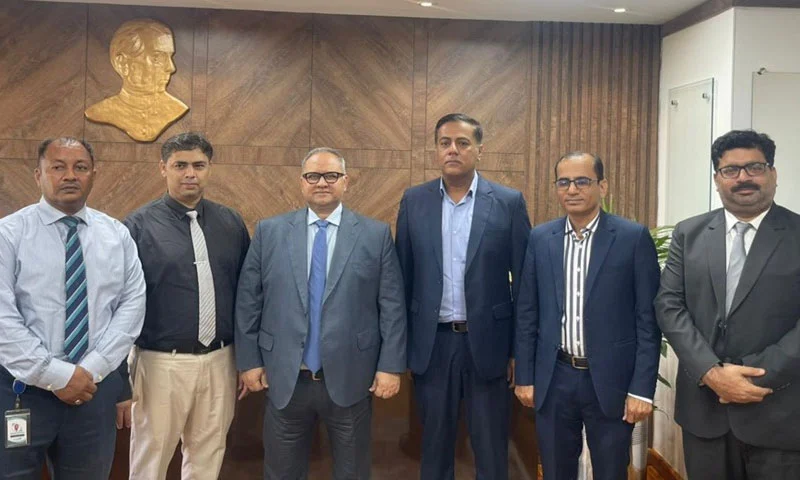
The National Bank of Pakistan has entered into a strategic collaboration with ISTIQEME aimed at expanding the country’s digital payments infrastructure, with a particular focus on accelerating the adoption of QR-based merchant payments. The partnership was formally announced during a signing ceremony held at NBP’s Regional Office in Karachi, where senior representatives from both organisations gathered to mark the initiative. The collaboration is designed to strengthen Pakistan’s transition toward a digital economy by enabling small and medium-sized businesses to adopt secure, efficient and accessible payment solutions. Focus on merchant onboarding and QR ecosystem As part of the agreement, ISTIQEME will support NBP in scaling its QR payment network by facilitating merchant onboarding, deploying QR code infrastructure and providing training to ensure effective usage. The initiative will also include awareness campaigns and operational support for bank branches to streamline the onboarding process and improve merchant activation rates across the country. Officials said the move is expected to significantly expand the footprint of digital payments, particularly among underserved segments of the market. Speaking on the occasion, NBP Chief Digital Officer Adnan Nasir said, “The collaboration between NBP and ISTIQEME represents a shared vision to empower merchants through seamless digital solutions. Together, we are focused on building a robust QR payment infrastructure that supports financial inclusion and aligns with Pakistan’s broader digital transformation agenda.” Driving Pakistan’s cashless economy vision The partnership aligns with the Government of Pakistan’s push toward a cashless economy and complements the State Bank of Pakistan’s efforts to promote digital financial inclusion. By leveraging NBP’s nationwide banking network and ISTIQEME’s expertise in digital enablement, the initiative aims to improve access to financial services while encouraging businesses to transition from cash-based transactions to digital platforms. ISTIQEME Chief Executive Officer Muhammad Kamran Khan attended the ceremony, along with senior NBP officials including Mahmood Akhtar Nadeem, Zohaib Ali Khan, Ahsan Raza, Faisal Mirza, Leemoon Chaglani, Javed Sheikh and Majid Hussain Shaikh. Industry observers say collaborations like this are critical for scaling Pakistan’s digital payments ecosystem, especially as the country looks to increase documentation of the economy and improve transaction transparency. The initiative is expected to play a key role in expanding digital acceptance infrastructure, enhancing convenience for consumers and enabling merchants to participate more actively in the formal financial system.
Man Wins $1 Million Picasso With Just a €100 Ticket
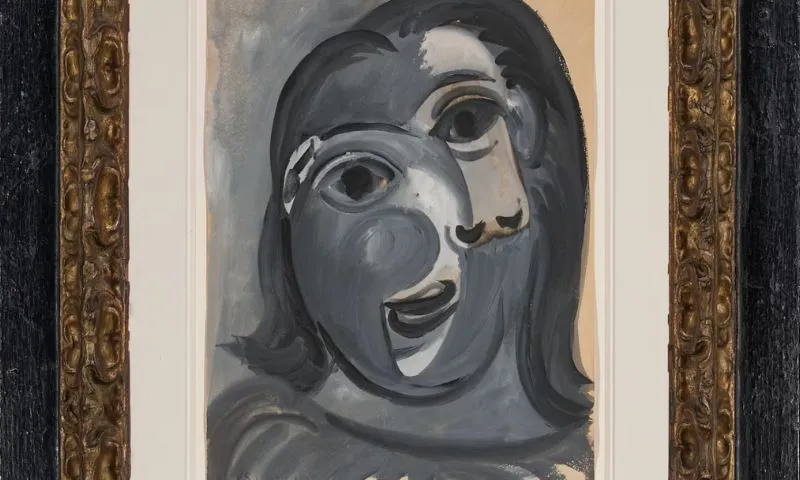
A Paris-based art enthusiast has won a Pablo Picasso painting worth more than $1 million after purchasing a €100 raffle ticket, in a high-profile charity initiative that has drawn global attention to both art and philanthropy. Ari Hodara, a 58-year-old software engineer, was announced as the winner of the painting titled Tête de Femme (Head of a Woman), a 1941 portrait of Picasso’s muse Dora Maar. The draw took place at Christie’s auction house in Paris as part of the third edition of the “1 Picasso for €100” campaign. Hodara said he initially struggled to believe the news when organizers contacted him. “How do I check that it’s not a hoax?” he asked after receiving the call, reflecting the disbelief that quickly turned into excitement. A €100 ticket, a million-euro prize The winning ticket was one of 120,000 entries sold worldwide, each priced at €100, raising approximately €12 million for charity. Of the total amount raised, around €1 million will go to Opera Gallery, the current owner of the artwork, while the remaining funds will support Alzheimer’s research through France’s Fondation Recherche Alzheimer. Hodara said he had purchased the ticket casually over the weekend after learning about the raffle during a meal. “When you bet on this, you don’t expect to win,” he said, adding that owning a Picasso was something he had only imagined while visiting museums. He indicated that he plans to keep the painting, at least for now, and share the news first with his wife. A painting shaped by history The artwork, created in 1941 during World War II, reflects a darker palette associated with Picasso’s life under Nazi occupation in Paris. Art historians say the piece captures both emotional intensity and resilience, with tones of grey and black suggesting the mood of the era while still conveying hope. Picasso’s grandson, Olivier Widmaier Picasso, has previously described the work as “very interesting,” noting its connection to a turbulent period in the artist’s life and its place within his broader creative evolution. A growing model for art philanthropy The raffle initiative, first launched in 2013, has evolved into a unique fundraising model that combines accessibility with high-value art. Previous editions raised millions for causes ranging from cultural preservation in Lebanon to sanitation projects in African communities. Organizers say the concept is designed to democratize access to art while leveraging the global appeal of Picasso’s name. By allowing participants worldwide to enter for a relatively small amount, the campaign has expanded both its reach and its impact. This year marked the first time all tickets were sold out, underscoring the growing interest in such initiatives. As the art world continues to explore new ways of engaging audiences, the success of the Picasso raffle highlights how iconic works can be used to support global causes while creating life-changing moments for participants.
Punjab Offers Major Traffic Challan Relief After Massive Fine Hikes
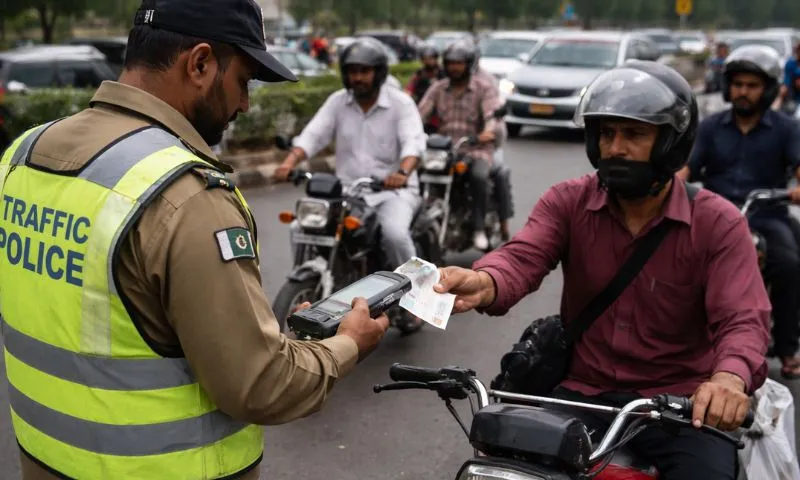
The Punjab government has introduced a temporary relief in traffic challans, offering partial reductions and leniency measures following a sharp increase in fines introduced under recent traffic law reforms. The move comes months after sweeping amendments to the province’s traffic laws led to significantly higher penalties for common violations, sparking concerns among motorists over affordability and enforcement intensity. Relief after steep fine hikes Under the latest relief package highlighted by PakWheels, traffic challans across Punjab will see reductions, with authorities aiming to provide financial ease to citizens already grappling with rising fuel prices and inflation. The development follows the introduction of revised fines that had pushed penalties for violations such as overspeeding, signal jumping and mobile phone usage into the range of thousands of rupees. In some cases, fines increased from a few hundred rupees to as high as Rs20,000 or more depending on the violation. Officials had earlier justified the hike as part of a broader effort to enforce discipline and reduce accidents, but public reaction highlighted the economic strain on daily commuters. Digital enforcement and compliance push Punjab’s traffic system has undergone rapid digitisation in recent years, with the Punjab Safe Cities Authority deploying AI-powered cameras and e-challan systems to automatically detect violations and issue fines. This shift has significantly increased the number of challans issued, with millions of violations recorded annually through automated monitoring systems. Authorities say the system ensures transparency and consistent enforcement, but it has also led to a noticeable rise in penalties faced by motorists. The government has also expanded digital payment options, allowing citizens to check and pay fines online through banking apps, ATMs and official portals, reducing the need for physical visits to traffic offices. Balancing enforcement with public relief The relief initiative reflects an attempt to strike a balance between strict enforcement and public affordability. Similar measures have been seen in recent weeks, including temporary suspension of challans for certain vehicle categories in Lahore to ease economic pressure on low-income commuters. Traffic authorities maintain that while penalties may be reduced temporarily, the long-term objective remains improving road safety and driving behavior across Punjab. Previous reforms introduced not only higher fines but also stricter consequences such as licence suspension, vehicle impoundment and even jail terms for repeat offenders. Experts say such measures are necessary in a province where road safety remains a major concern, but warn that inconsistent enforcement or sudden policy shifts could undermine compliance. For now, the challan reduction is likely to provide short-term relief to motorists, especially daily wage earners and motorcycle riders, while authorities continue to refine a system that combines technology, enforcement and public cooperation.

IWC Unveils Space-Ready Watch Designed for Astronaut Missions
Swiss luxury watchmaker IWC Schaffhausen has introduced a new timepiece engineered specifically for human spaceflight, marking a shift from traditional aviation watches to instruments built for the challenges of orbit and beyond. The Pilot’s Venturer Vertical Drive, revealed at the Watches and Wonders 2026 exhibition in Geneva, is the company’s first watch designed from the ground up for use in space rather than adapted from existing models. Developed in partnership with US aerospace company Vast, the watch has already undergone testing and received spaceflight qualification for potential use aboard Haven-1, a planned commercial space station. Built for life beyond Earth Unlike conventional mechanical watches, the new model eliminates the traditional crown entirely, replacing it with a patent-pending rotating bezel system that controls all functions. This design addresses a key challenge for astronauts, who cannot easily operate small components while wearing pressurized gloves during spacewalks. A rocker switch on the side of the case allows users to switch between modes such as winding the watch or setting time zones. The system, known as “Vertical Drive,” transfers the motion of the bezel into the movement through a clutch mechanism. Chris Grainger-Herr, CEO of IWC Schaffhausen, said the watch was developed with a blank slate approach. “They took a blank sheet of paper and worked to define from scratch what a tool watch for astronauts would have to offer,” he said, emphasizing that every detail was optimized for space conditions. Engineered for extreme conditions The watch is constructed from advanced materials including white zirconium oxide ceramic and Ceratanium, both chosen for their resistance to extreme temperatures, shocks and radiation. It is designed to withstand conditions ranging from intense heat to sub-zero temperatures encountered in orbit. Inside, the timepiece is powered by IWC’s automatic calibre 32722 movement, offering a power reserve of up to 120 hours. The dial features dual time displays, allowing astronauts to track both mission time and Earth time simultaneously. A dedicated 24-hour scale helps maintain orientation in space, where astronauts experience multiple sunrises and sunsets within a single day. Part of a broader space watch race The launch comes amid renewed interest in space-focused watchmaking, with several brands racing to develop timepieces capable of surviving extraterrestrial environments. Experts say the rise of commercial space travel and private space stations is driving demand for specialized tools, including watches that can function reliably in microgravity and extreme environments. IWC, known for its aviation heritage dating back decades, is now extending that expertise into space. Founded in 1868, the company has built a reputation for precision engineering and durable tool watches. Industry observers view the Pilot’s Venturer Vertical Drive as a signal that luxury watchmakers are adapting to a new frontier, where design, engineering and space exploration increasingly intersect. As commercial missions expand and space becomes more accessible, the role of such specialized instruments may evolve from symbolic accessories to functional tools for astronauts and private explorers alike.
