


Pakistan will celebrate Eid ul Adha on May 27 after authorities sighted the Zil Hajj moon across different parts of the country on Sunday. Central Ruet-e-Hilal Committee Chairman Maulana Abdul Khabeer Azad announced the decision after the committee meeting in Karachi. The committee held its session at the Pakistan Meteorological Department headquarters. Zonal Ruet-e-Hilal Committees also met in provincial capitals to gather moon sighting reports. Addressing a press conference, Maulana Azad confirmed that the committee received credible testimonies from several areas. “It was decided with consensus that the first day of Zil Hajj will be on Monday, May 18, and Eid ul Adha will be observed on May 27, Wednesday,” he said. The announcement places Pakistan alongside Saudi Arabia, United Arab Emirates, Oman and Turkiye, which also confirmed Eid ul Adha on May 27. Saudi authorities earlier confirmed the moon sighting. Pilgrims performing Hajj will observe Wuquf-e-Arafah on May 26 before celebrating Eid the next day. Suparco Forecast Matches Moon Visibility Pakistan’s Space and Upper Atmosphere Research Commission had already predicted favourable moon sighting conditions. A Suparco spokesperson said the new moon was born at 1:01am on May 17. The spokesperson added that the moon’s age at sunset reached around 18 hours and 30 minutes. Experts generally consider that age suitable for visibility. Weather officials had also predicted relatively clear skies in several regions. Those conditions improved visibility chances across the country. The coordinated announcements across Muslim countries will allow millions of Muslims to celebrate Eid ul Adha on the same day this year. Eid ul Adha falls on the 10th day of Zil Hajj. The festival also marks the peak of the annual Hajj pilgrimage in Makkah. Eid Preparations Accelerate Across Pakistan Following the announcement, activity increased sharply in livestock markets across Karachi, Lahore, Islamabad and Peshawar. Authorities have already started implementing traffic and security plans around cattle markets and shopping areas. Eid ul Adha commemorates the willingness of Prophet Ibrahim (AS) to sacrifice his son in obedience to Allah’s command. Muslims around the world observe the festival by offering animal sacrifices and distributing meat among relatives, friends and the poor. The festival remains one of the most important occasions in the Islamic calendar alongside Eid ul Fitr. Saudi Arabia also expects millions of pilgrims for Hajj this year. Authorities have expanded digital services, security systems and crowd management plans for the pilgrimage season.
Scientists Create Solar Device That Turns Desert Air Into Drinking Water
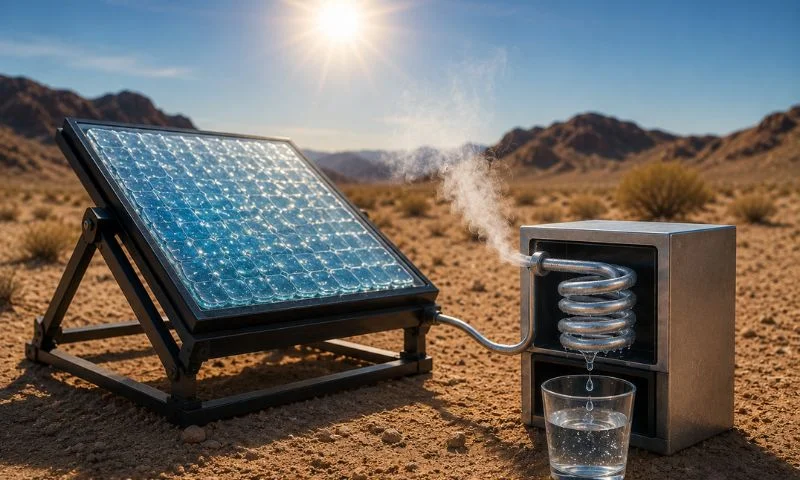
Researchers from Stanford University and Massachusetts Institute of Technology have developed a new solar-powered hydrogel capable of extracting clean drinking water directly from air, including in extremely dry desert environments. The breakthrough could offer a low-cost water solution for millions of people living in water-stressed regions worldwide. According to the World Health Organization and UNICEF, around 2.1 billion people still lacked access to safely managed drinking water in 2025, highlighting the urgent need for alternative water technologies. The newly developed hydrogel uses a sponge-like material made from lithium chloride and polyacrylamide. Lithium chloride acts as a highly absorbent salt, while polyacrylamide is a polymer commonly used in products such as diapers. The material absorbs moisture from the atmosphere during cooler periods. Sunlight later heats the hydrogel and releases the trapped water vapour, which researchers then condense into drinkable water. Earlier field tests took place in Chile’s Atacama Desert, one of the driest regions on Earth. Researchers mounted the hydrogel panel onto a black-painted aluminium sheet that absorbed solar heat and accelerated water release. Researchers Solve Major Durability Problem Although the hydrogel worked effectively in earlier experiments, scientists faced a major obstacle. The material began degrading after roughly 30 absorption and release cycles. Researchers feared the breakdown could increase costs and contaminate collected water if degraded polymer or salt entered the condenser system. After four years of laboratory testing, the team discovered that the aluminium surface beneath the hydrogel caused the issue. The metal released ions that triggered damaging radicals inside the material, breaking down the polymer chains over time. Scientists solved the problem by applying a commercial anti-corrosion coating to the metal surface. The coating blocked harmful ions from interacting with the hydrogel. With the protective layer in place, the hydrogel remained stable for more than eight months during stress testing and completed over 190 water-harvesting cycles. The findings appeared in the scientific journal Nature Communications on May 7. The study stated that the coating strategy enabled “stable moisture absorption and release for more than 190 cycles over 96 days”. Cheap Water Production Could Transform Dry Regions Carlos Diaz-Marin, assistant professor of energy science and engineering at Stanford’s Doerr School of Sustainability and co-lead author of the study, said the breakthrough could sharply reduce water production costs. According to Stanford researchers, the technology may eventually produce drinking water for less than one cent per litre. That would place the cost near tap water prices in some American cities and far below bottled water prices. The current prototype generates up to two litres of water daily using a thin material layer spread across a panel roughly the size of a bath towel. Stanford researchers said that amount roughly matches the minimum daily drinking water requirement for one person during emergencies. Diaz-Marin hopes to increase production to five litres per day to make the system more practical for rural communities in dry inland regions where desalination remains difficult or expensive. Scientists say the hydrogel remains far from large-scale deployment. However, researchers continue working to improve efficiency, durability and manufacturing costs. Experts believe atmospheric water harvesting technologies could become increasingly important as climate change intensifies droughts and water shortages worldwide.
Europe Leads Global EV Boom as China and US Markets Slow
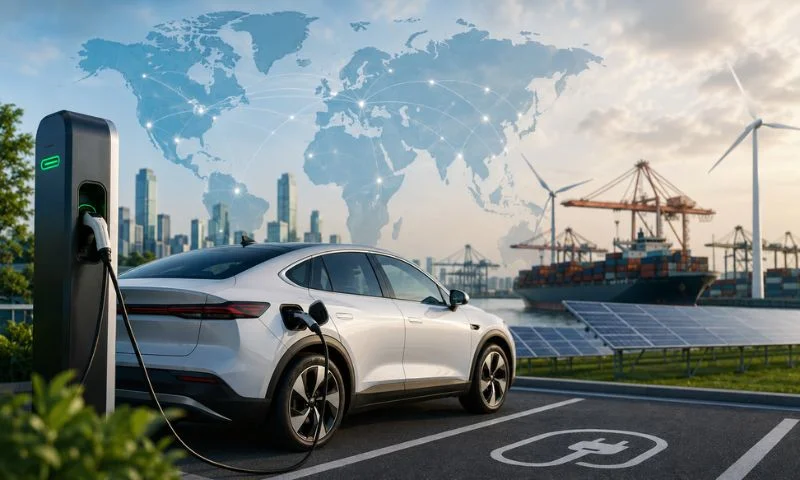
Global sales of electric and hybrid vehicles continued to grow in April, but the momentum shifted sharply toward Europe as demand weakened in both China and North America. Around 1.6 million electric vehicles (EVs) and plug-in hybrid electric vehicles (PHEVs) were sold worldwide in April 2026, marking a 6% increase compared to the same month last year, according to market data. Europe emerged as the strongest-performing region during the month. Buyers across the continent purchased more than 400,000 plug-in vehicles in April, a 27% increase year-on-year despite a slowdown from March levels. Several major European markets recorded strong gains. Italy nearly doubled its sales compared to last year, while France posted 36% growth and Germany recorded a 33% increase. Analysts say rising fuel prices and geopolitical uncertainty, particularly the Iran conflict and disruptions in global energy markets, encouraged more consumers to shift toward electric vehicles. Chinese automakers also expanded their footprint across Europe despite facing tariffs and regulatory pressure. Chinese brands accounted for 22% of all plug-in vehicles sold in Europe this year, highlighting their growing influence in the region’s auto market. North America and China Lose Momentum The situation in North America looked far weaker. EV and PHEV sales across the region fell 25% during the first four months of 2026. In April alone, consumers in the United States, Canada and Mexico bought around 120,000 plug-in vehicles, down 28% from a year earlier. Mexico experienced the sharpest decline, with sales plunging by nearly 50%. Industry experts partly linked the slowdown to high interest rates, weaker consumer confidence and uncertainty surrounding government incentives. However, analysts believe Canada’s newly launched Electric Vehicle Affordability Program could help revive demand later this year. Read More: Millat Tractors Signs Major EV Bike Deal in Pakistan China, the world’s largest EV market, also reported weaker domestic demand. Sales dropped 17% year-to-date to around 2.8 million vehicles. Chinese buyers purchased roughly 850,000 EVs and PHEVs in April, an 8% decline compared to last year. Analysts attributed much of the slowdown to Beijing’s recent subsidy cuts for smaller electric vehicles. To offset weaker local demand, Chinese manufacturers accelerated exports aggressively. Between January and April, China exported around 1.4 million plug-in vehicles, more than double the number recorded during the same period last year. Pakistan Leans Toward Hybrid Vehicles Pakistan’s electrified vehicle market continues expanding, but the growth largely centres around hybrid and plug-in hybrid models instead of fully electric cars. Most Chinese automotive brands operating in Pakistan now offer hybrid or PHEV models or plan to introduce them soon. Industry analysts say Pakistani consumers still worry about limited charging infrastructure and rising electricity costs linked to commercial EV charging stations. While interest in electric mobility continues growing, many drivers view hybrids as a more practical option because they reduce fuel expenses without creating range anxiety. Pakistan’s government has repeatedly announced plans to promote electric mobility under its clean energy goals. However, infrastructure development remains slow compared to larger global EV markets. Globally, analysts expect competition among automakers to intensify further as slowing demand in major markets pushes manufacturers to target exports and emerging economies more aggressively.
Abu Dhabi Opens ‘Light & Peace Museum’ for Free This Weekend
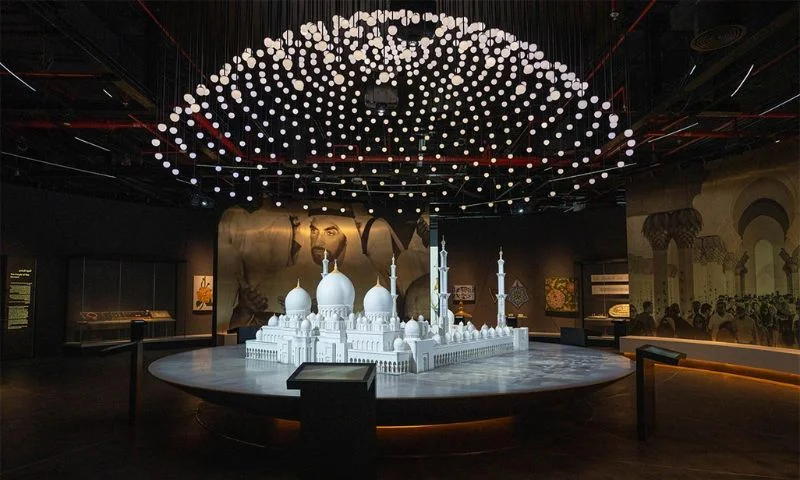
The Sheikh Zayed Grand Mosque Centre has opened free public access to its “Light & Peace Museum” from May 16 to 18 to mark International Museum Day, offering visitors an immersive journey through Islamic civilisation, culture and values. The initiative forms part of the centre’s broader mission to preserve Islamic heritage and promote intercultural dialogue through modern educational experiences. Located inside the “Peace Dome” at the Sheikh Zayed Grand Mosque Centre in Abu Dhabi, the museum welcomes visitors daily from 9am to 10pm during the free-access period. According to the Emirates News Agency, the museum combines multimedia presentations, advanced digital technologies and interactive exhibitions to showcase the artistic, scientific and cultural achievements of Islamic civilisation. Visitors can explore the museum through guided tours led by cultural specialists who explain the historical significance of the exhibits and the links between Islamic civilisation and other global cultures. The museum also focuses heavily on values rooted in the UAE’s national identity, including tolerance, coexistence and peace. Interactive Galleries and Multilingual Experience The museum experience supports seven international languages, including Arabic, English, Chinese, Spanish, French, Russian and Hindi, allowing visitors from different backgrounds to navigate the exhibitions more easily. Interactive digital systems help guests engage with displays across five themed galleries that highlight major civilisational concepts such as worship, creativity, coexistence and tolerance. The museum also includes a dedicated family and children’s section designed to make cultural learning more accessible for younger visitors. Officials say the use of advanced digital tools reflects the UAE’s wider push to modernise cultural and educational experiences while preserving Islamic heritage. The “Peace Dome” itself has become one of Abu Dhabi’s major cultural attractions in recent years. Beyond the museum, the venue houses the Sheikh Zayed Grand Mosque Library, which specialises in Islamic civilisation, sciences and arts. The dome also contains a theatre that hosts religious, cultural and community events throughout the year. UAE Expands Cultural Tourism Efforts The launch of the free museum initiative comes as the UAE continues investing heavily in cultural tourism and heritage preservation projects across the country. Abu Dhabi has increasingly positioned itself as a regional centre for art, culture and interfaith dialogue through institutions such as the Louvre Abu Dhabi and the Abrahamic Family House. The Sheikh Zayed Grand Mosque itself remains one of the UAE’s most visited landmarks, attracting millions of tourists and worshippers annually. Analysts say projects like the “Light & Peace Museum” help strengthen the UAE’s image as a hub for cultural diplomacy and moderate Islamic values. The museum’s emphasis on coexistence and dialogue also aligns with the country’s broader initiatives promoting religious tolerance and multicultural engagement. Authorities expect strong visitor turnout during the free-entry period, particularly as families and international tourists continue arriving in Abu Dhabi during the spring travel season.

Saudi Arabia Launches AI Translation Services for Hajj Pilgrims
Saudi authorities have activated simultaneous translation services in 17 languages at Islam’s two holiest mosques as part of a broader digital transformation drive aimed at improving services for millions of pilgrims arriving for Hajj 2026. The Presidency of Religious Affairs at the Grand Mosque in Makkah and the Prophet’s Mosque in Madinah announced the initiative on Saturday, saying the system uses advanced audio technology, artificial intelligence and text-processing tools to provide instant religious guidance and translations for visitors from around the world. According to the presidency, the programme will help pilgrims receive answers to religious inquiries and access awareness material in their native languages with greater ease and accuracy. “This tech-driven initiative is part of the presidency’s digital transformation efforts to elevate the quality of religious services during the Hajj season,” the Saudi Press Agency reported. Saudi officials said the system aims to “deliver the moderate message of the Two Holy Mosques to a global audience” while ensuring that international pilgrims can easily access essential guidance services during their stay. AI and Digital Services Expand During Hajj Saudi Arabia has increasingly integrated technology into Hajj operations in recent years as the kingdom prepares to host growing numbers of pilgrims under its Vision 2030 modernisation strategy. Authorities have already introduced smart cards for pilgrims, AI-based crowd management systems, digital navigation services and multilingual mobile applications to improve safety and organisation during the annual pilgrimage. Read More: Saudi Arabia Introduces New Routes and Rules for Hajj 2026 The simultaneous translation initiative now adds another layer to those efforts, particularly for pilgrims who struggle with language barriers while seeking religious guidance inside the holy mosques. Officials say the technology can instantly translate sermons, fatwas and educational material into multiple languages, helping pilgrims understand instructions more clearly during one of the world’s largest religious gatherings. Saudi Arabia hosts millions of Muslims each year for Hajj and Umrah. Pilgrims arrive from more than 180 countries, making multilingual communication a major logistical challenge for authorities. The Kingdom has significantly expanded digital infrastructure around the holy sites in recent years, including high-speed internet services, smart surveillance systems and AI-assisted crowd monitoring tools designed to improve pilgrim safety. Focus on Pilgrim Convenience and Safety Saudi officials continue to emphasise technology-driven solutions to manage increasing crowds and improve the overall pilgrimage experience. Earlier this week, the Saudi Ministry of Interior issued detailed guidance for pilgrims regarding movement routes around the Grand Mosque, Tawaf and Sa’i areas, transport management and crowd safety measures. Authorities also urged pilgrims to wear masks during crowded periods and comply fully with Hajj regulations. The presidency said the new translation system supports those wider efforts by allowing pilgrims to receive instructions and religious guidance quickly in their preferred languages. Analysts say Saudi Arabia’s growing investment in AI and digital religious services reflects the kingdom’s ambition to modernise pilgrimage operations while maintaining the spiritual significance of the holy sites. The launch also highlights how emerging technologies are reshaping the management of large-scale religious gatherings globally.
ISPR Issues Strong Response to Indian Army Chief’s Threatening Remarks
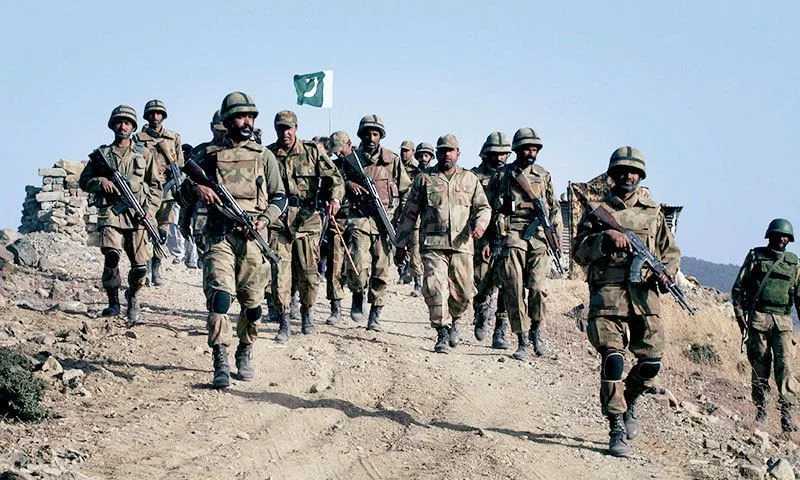
Pakistan’s military on Sunday issued a sharp warning to India after Indian Army Chief General Upendra Dwivedi questioned Pakistan’s future place in the region, triggering a strong response from the Inter-Services Public Relations (ISPR). The military’s media wing rejected the Indian commander’s remarks as “madness and warmongering” and warned that any attempt to target Pakistan could produce consequences that would not remain geographically limited. The statement came after Dwivedi reportedly said that “Pakistan should decide if it desired to be part of geography and history”. Responding to the remarks, the ISPR said Pakistan was already “a globally significant country, a declared nuclear power and an indelible part of South Asia’s geography and history.” According to the military’s media wing, the comments reflected a “delusional and hallucinational belief system” prevailing in Hindutva-led India. The statement added that Indian leadership had failed to reconcile with the existence of Pakistan despite the passage of nearly eight decades since partition. ‘Madness and Warmongering’ The ISPR described the Indian army chief’s statement as dangerous rhetoric that threatened regional peace and stability. “Threatening a sovereign nuclear state with elimination from geography is not strategic signalling or brinkmanship but reflects bankruptcy of cognitive capacities, madness and warmongering,” the military’s media wing said. The statement stressed that responsible nuclear powers demonstrate restraint and strategic maturity instead of using the language of “civilisational supremacy or national erasure.” Read More: Pakistan Says It Downed Eight Indian Jets During Conflict Pakistan’s military also argued that India remained fully aware that any attempt at “geographic obliteration” would trigger consequences that would be “mutual and comprehensive”. The ISPR accused New Delhi of following aggressive regional policies driven by frustration rather than strategic confidence. According to the statement, India’s posture stemmed from its inability to inflict damage on Pakistan during Marka-e-Haq, a reference often used by Pakistani officials regarding recent military tensions between the two countries. The military’s media wing further accused India of being a “source of regional instability, a sponsor of terrorism, a practitioner of transnational assassinations and a centre of global disinformation campaigns.” Fears of Renewed Regional Tensions Relations between nuclear-armed neighbours Pakistan and India have remained tense for years due to border clashes, accusations of cross-border militancy and diplomatic disputes. Recent statements from both sides have raised concerns among analysts about renewed escalation in South Asia. Pakistan’s military warned Indian leadership against pushing the region towards another crisis or conflict. “The consequences would be devastating for the entire region and beyond,” the ISPR said, urging India to “learn to coexist peacefully” with Pakistan. Security analysts say both countries continue to rely heavily on military messaging and political rhetoric during periods of heightened tensions. However, experts also warn that strong public statements between nuclear rivals increase risks of miscalculation. Despite periodic backchannel diplomacy efforts, ties between Islamabad and New Delhi remain largely frozen, with limited bilateral engagement in recent years. The latest exchange highlights the deep mistrust that continues to define relations between the two South Asian neighbours.
