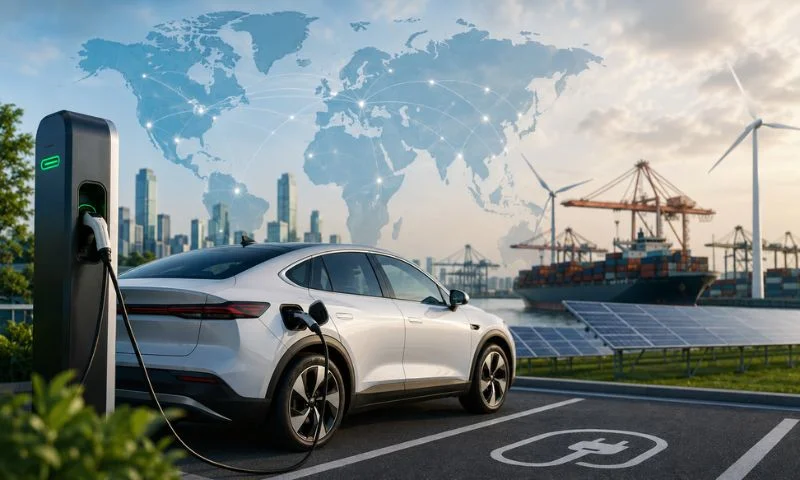
Global sales of electric and hybrid vehicles continued to grow in April, but the momentum shifted sharply toward Europe as demand weakened in both China and North America.
Around 1.6 million electric vehicles (EVs) and plug-in hybrid electric vehicles (PHEVs) were sold worldwide in April 2026, marking a 6% increase compared to the same month last year, according to market data.
Europe emerged as the strongest-performing region during the month. Buyers across the continent purchased more than 400,000 plug-in vehicles in April, a 27% increase year-on-year despite a slowdown from March levels.
Several major European markets recorded strong gains. Italy nearly doubled its sales compared to last year, while France posted 36% growth and Germany recorded a 33% increase.
Analysts say rising fuel prices and geopolitical uncertainty, particularly the Iran conflict and disruptions in global energy markets, encouraged more consumers to shift toward electric vehicles.
Chinese automakers also expanded their footprint across Europe despite facing tariffs and regulatory pressure. Chinese brands accounted for 22% of all plug-in vehicles sold in Europe this year, highlighting their growing influence in the region’s auto market.
North America and China Lose Momentum
The situation in North America looked far weaker. EV and PHEV sales across the region fell 25% during the first four months of 2026.
In April alone, consumers in the United States, Canada and Mexico bought around 120,000 plug-in vehicles, down 28% from a year earlier.
Mexico experienced the sharpest decline, with sales plunging by nearly 50%.
Industry experts partly linked the slowdown to high interest rates, weaker consumer confidence and uncertainty surrounding government incentives.
However, analysts believe Canada’s newly launched Electric Vehicle Affordability Program could help revive demand later this year.
Read More: Millat Tractors Signs Major EV Bike Deal in Pakistan
China, the world’s largest EV market, also reported weaker domestic demand. Sales dropped 17% year-to-date to around 2.8 million vehicles.
Chinese buyers purchased roughly 850,000 EVs and PHEVs in April, an 8% decline compared to last year.
Analysts attributed much of the slowdown to Beijing’s recent subsidy cuts for smaller electric vehicles.
To offset weaker local demand, Chinese manufacturers accelerated exports aggressively. Between January and April, China exported around 1.4 million plug-in vehicles, more than double the number recorded during the same period last year.
Pakistan Leans Toward Hybrid Vehicles
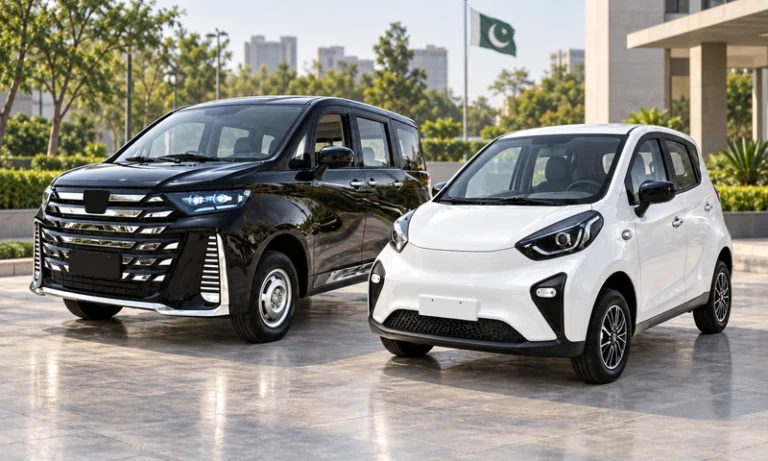
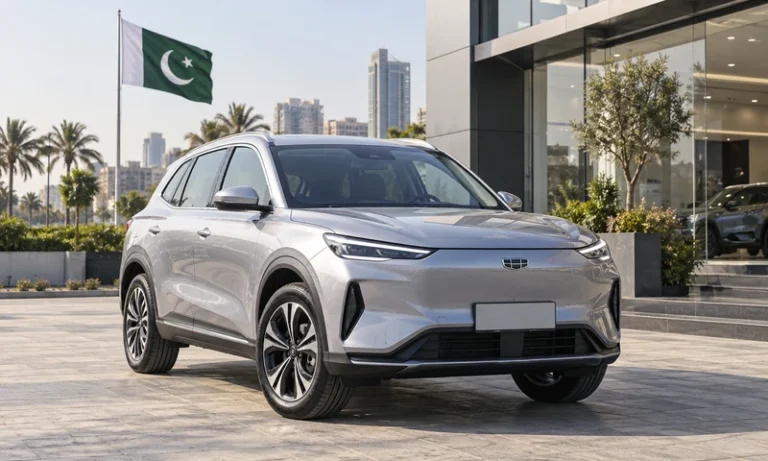
Pakistan’s electrified vehicle market continues expanding, but the growth largely centres around hybrid and plug-in hybrid models instead of fully electric cars.
Most Chinese automotive brands operating in Pakistan now offer hybrid or PHEV models or plan to introduce them soon.
Industry analysts say Pakistani consumers still worry about limited charging infrastructure and rising electricity costs linked to commercial EV charging stations.
While interest in electric mobility continues growing, many drivers view hybrids as a more practical option because they reduce fuel expenses without creating range anxiety.
Pakistan’s government has repeatedly announced plans to promote electric mobility under its clean energy goals. However, infrastructure development remains slow compared to larger global EV markets.
Globally, analysts expect competition among automakers to intensify further as slowing demand in major markets pushes manufacturers to target exports and emerging economies more aggressively.