

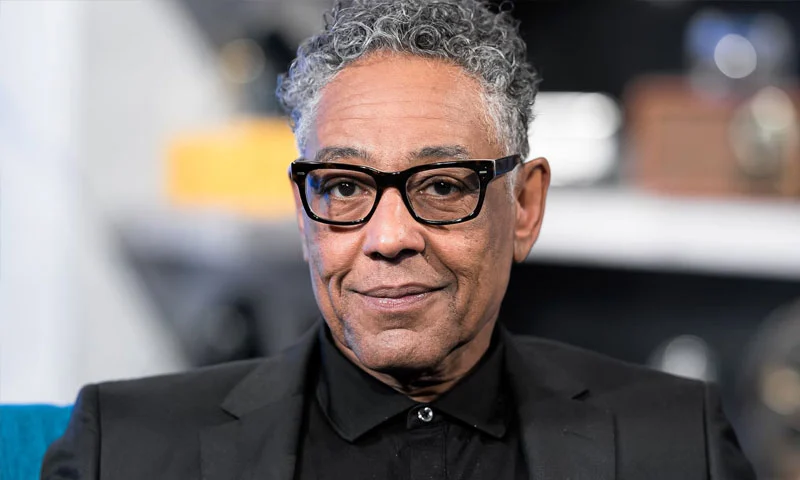
American actor Giancarlo Esposito, widely known for his acclaimed portrayal of Gus Fring in the television series Breaking Bad, has reportedly embraced Islam during a recent stay in Saudi Arabia, according to a report published by Saudi Gazette. The newspaper cited Saudi General Entertainment Authority Chairman Turki Al-Sheikh as saying that Esposito recited the Shahada, the Islamic declaration of faith, while working in the Kingdom. Saudi Gazette also reported that the actor joined members of a production team in prayer at a local mosque. However, Esposito has not publicly confirmed the reports, and no official statement from the actor or his representatives had been issued at the time of publication. A video circulating on social media appeared to show Esposito praying alongside members of a film crew inside a mosque in Saudi Arabia. Report Linked to Filming in Saudi Arabia According to Saudi Gazette, Esposito’s reported decision followed what Turki Al-Sheikh described as a positive experience in Saudi Arabia and interactions with Muslims during his stay. The actor was reportedly in the Kingdom while working on Seven Dogs, one of the largest international film projects currently being produced in Saudi Arabia. View this post on Instagram A post shared by Saudi Gazette (@saudigazette_sa) Saudi Arabia has increased efforts to attract major international productions as part of broader plans to expand its entertainment and film industries. Authorities have invested heavily in film studios, production facilities and incentives designed to bring global talent to the country. The reported conversion attracted significant attention on social media, where fans and commentators shared videos and images linked to the actor’s visit. One of Hollywood’s Most Recognisable Actors Esposito ranks among Hollywood’s most respected character actors and has built a career spanning several decades. He earned global recognition for playing drug kingpin Gustavo “Gus” Fring in Breaking Bad. The role received widespread critical acclaim and helped establish him as one of television’s most memorable villains. He later reprised the character in Better Call Saul, which earned additional praise from critics and audiences. Beyond the Breaking Bad franchise, Esposito has appeared in several high-profile productions, including The Mandalorian, The Boys, Godfather of Harlem, and numerous films and television series. Neither Esposito nor his management team has independently verified the reports regarding his religious beliefs. As a result, the claims remain based on statements reported by Saudi media and comments attributed to Turki Al-Sheikh. If confirmed, the development would mark a significant personal milestone for the veteran actor, whose career has spanned film, television and stage productions for more than four decades.
Only 2,000 Will Exist: Seiko Unveils Silk-Inspired Presage Watch
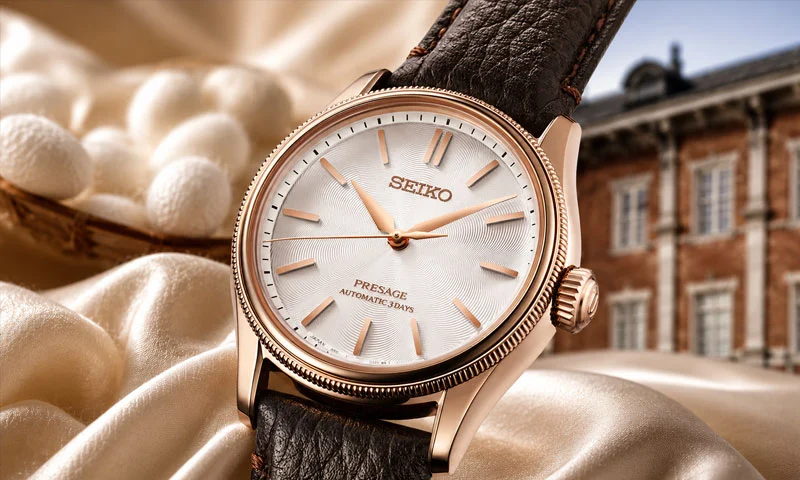
Seiko has launched a new limited-edition Presage watch inspired by Japan’s historic silk industry and the UNESCO-listed Tomioka Silk Mill. The Japanese watchmaker developed the model in partnership with the Tomioka Silk Promotion Organization. The collaboration celebrates one of Japan’s most important industrial traditions and supports efforts to preserve it. Founded in 1872, the Tomioka Silk Mill helped transform Japan into a leading silk producer. UNESCO recognized its historical significance by granting it World Heritage status in 2014. Seiko said it will donate part of the proceeds from the watch to the Tomioka Silk Promotion Organization. The funds will help preserve and pass on traditional silk-making techniques. Inspired by Rare Japanese Silk The new watch carries the reference HCC008. Its design draws inspiration from “shironeri”, a pure white shade created during the refinement of silk threads. Seiko designed the dial to reflect the smooth texture and elegant appearance of Tomioka silk. The company said the design highlights the pristine whiteness of a rare silkworm variety cultivated in Gunma Prefecture. A pearl-like coating gives the dial a subtle shimmer when light strikes its surface. The watch features a 38mm stainless steel case with pink-gold-coloured plating. A dark brown leather strap complements the case design. The strap’s colour takes inspiration from the historic brick buildings of the Tomioka Silk Mill. Seiko sources the leather from tanneries certified by the Leather Working Group. The international organisation promotes responsible and sustainable leather production. Limited to 2,000 Pieces Worldwide Powering the watch is Seiko’s in-house Caliber 6R51 automatic movement. The movement contains 24 jewels and offers a power reserve of approximately 72 hours. It operates at 21,600 vibrations per hour. Owners can view the movement through a transparent screw-down caseback. The launch continues Seiko’s tradition of combining Japanese craftsmanship with modern watchmaking. The Presage collection frequently draws inspiration from Japanese culture, art and heritage. Industry observers say collectors increasingly favour watches that combine strong storytelling with limited production numbers. Seiko will produce only 2,000 pieces of the HCC008 worldwide. The company has priced the watch at €1,200, or approximately $1,140. The model will arrive at Seiko Boutiques and selected retailers worldwide in July 2026. With its silk-inspired design and historical connection, the new Presage model offers collectors a distinctive tribute to one of Japan’s most celebrated cultural industries.
‘Ban Vigo Dala’: Khawaja Asif’s Remarks Spark Debate in Assembly
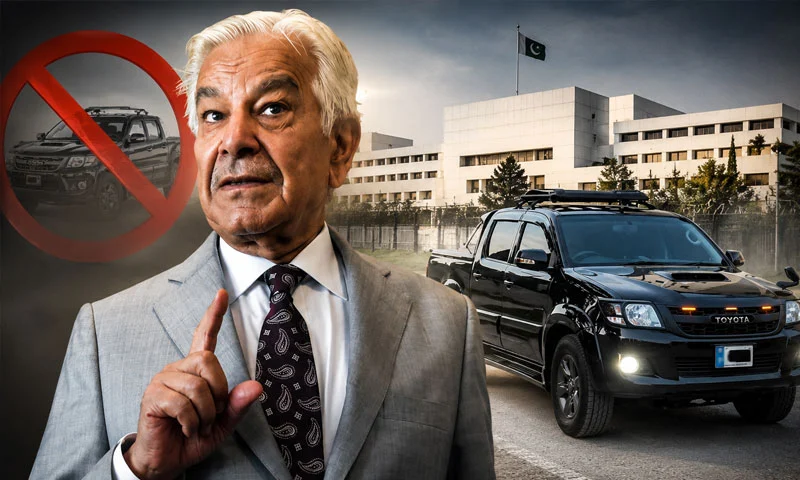
Defence Minister Khawaja Asif called for restrictions on the use of double-cabin pickup trucks, commonly known as “Vigo Dalas”, around Parliament Lodges and questioned the need for extensive security arrangements for ministers and public office holders. Speaking during a National Assembly session on a point of order, the senior Pakistan Muslim League-Nawaz (PML-N) leader urged authorities to review current security practices and improve public conduct on the roads. Asif’s remarks came during a discussion on issues related to security and movement around the Parliament Lodges in Islamabad. “We have to improve our behaviours,” he told lawmakers. The defence minister specifically raised concerns about the presence of Vigo Dalas in and around the parliamentary area. “There should be ban over them,” he said while calling on authorities to save the Parliament Lodges from such vehicles. Defence Minister Questions VIP Security Culture During his speech, Asif questioned why ministers required extensive security arrangements when most lawmakers moved without similar protection. “When 250 to 300 assembly members have no threat, what threat the ministers are facing,” he asked. He also criticised the use of official flags on government vehicles, particularly during evening hours. جنابِ اسپیکر! پارلیمنٹ لاجز کو ان ’ویگو ڈالوں‘ سے بچائیے۔ ہمارے ارکان اور ان کے اہلِ خانہ وہاں چہل قدمی کر رہے ہوتے ہیں، جبکہ سبز نمبر پلیٹ والی ویگو گاڑیاں اس طرح گزرتی ہیں جیسے کہیں آگ لگی ہو اور یہ اسے بجھانے جا رہی ہوں۔ اس پر پابندی لگنی چاہیے۔۔ خواجہ آصف pic.twitter.com/yUJdIjPWv4 — Hassan Ayub Official (@hassanayub92) June 21, 2026 “The ministers should be told that their vehicles should not have flags in the evening,” he said. Asif further remarked on the changing treatment politicians often receive depending on whether they hold public office. “When you are in power, the police walk ahead of you, when not in power police chase you behind,” he observed. The comments reflected a broader debate in Pakistan about VIP culture, security convoys and the use of official privileges by public office holders. Successive governments have faced criticism from citizens and civil society groups over large security entourages and road closures linked to the movement of senior officials. Speaker Promises to Raise Matter National Assembly Speaker Ayaz Sadiq responded to the concerns raised by the defence minister and acknowledged that issues remained despite previous requests for improvements. “There are issues despite requests,” the speaker said. He assured lawmakers that the matter would be taken up with the Interior Ministry. “We will talk to the interior minister for solution of the matter,” Ayaz Sadiq told the House. The exchange drew attention to ongoing discussions about security arrangements in Islamabad’s Red Zone and surrounding government areas. Parliament Lodges house members of the National Assembly and Senate from across the country and remain under strict security due to their proximity to key state institutions. Khawaja Asif’s remarks are likely to reignite debate over VIP protocols, official security measures and the balance between public convenience and security requirements for government officials.
Pakistan Brings Back 120 km/h Speed Limit for Cars on Motorways
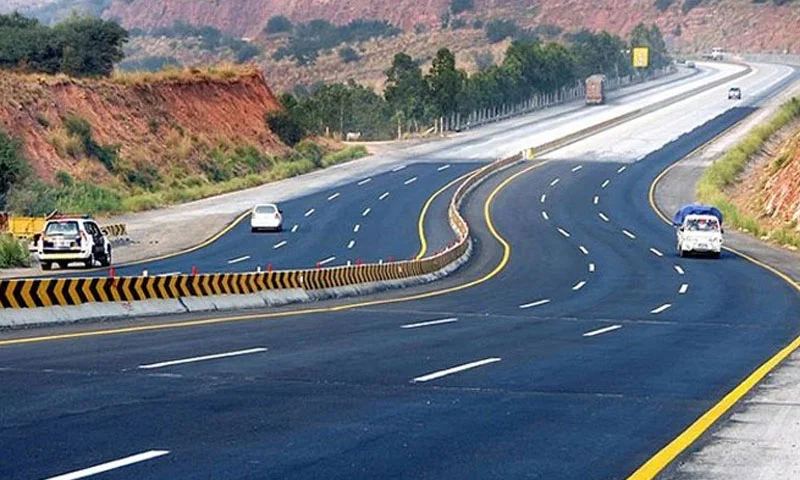
The government has withdrawn its decision to temporarily reduce speed limits on motorways and national highways, restoring the previous limits for all categories of vehicles across Pakistan. The announcement came from the National Highways and Motorway Police (NHMP), which confirmed that motorists can now travel at the earlier prescribed speeds on major road networks. According to Motorway Police spokesperson Syed Imran Ahmed, the speed limit for cars and other light vehicles on motorways has returned to 120 kilometres per hour. Passenger transport vehicles and heavy transport vehicles can once again travel at speeds of up to 110 kilometres per hour. The spokesperson also confirmed that authorities have restored the previously applicable speed limits on national highways. The government had earlier reduced speed limits as part of measures aimed at improving road safety and managing traffic conditions. However, officials have now decided to revert to the previous framework. Motorway Police Stress Safety Despite Restoration While announcing the decision, the Motorway Police urged drivers to continue following traffic laws and safety regulations. Officials advised motorists to wear seat belts at all times and remain attentive while driving. Drivers should also maintain proper control of their vehicles and avoid reckless behaviour, according to the NHMP. Syed Imran Ahmed said the authorities restored the previous speed limits to facilitate road users. However, he emphasised that public safety remains the government’s top priority. “The decision was taken to facilitate road users,” Ahmed said, adding that authorities would continue focusing on road safety and enforcement. The NHMP regularly conducts awareness campaigns to encourage responsible driving and reduce road accidents on Pakistan’s highways and motorways. According to official road safety guidelines, speeding remains one of the leading causes of serious accidents across the country’s road network. Balancing Convenience and Road Safety Pakistan’s motorway system is among the largest controlled-access highway networks in South Asia. The network connects major cities and serves millions of commuters, commercial vehicles and passenger transport operators every year. Transport experts note that speed limits play a critical role in balancing travel efficiency and road safety. Higher speeds can reduce travel times but also increase the severity of accidents when crashes occur. The restoration of the previous limits is expected to benefit regular motorway users, freight operators and intercity transport services. However, authorities insist that compliance with traffic rules remains essential regardless of the revised limits. The Motorway Police said enforcement against dangerous driving, speeding beyond prescribed limits and other traffic violations will continue across the motorway and highway network. Officials urged motorists to drive responsibly and cooperate with law enforcement agencies to ensure safer travel for all road users.
Will Cars Get Cheaper? Pakistan Weighs Massive Tariff Cuts
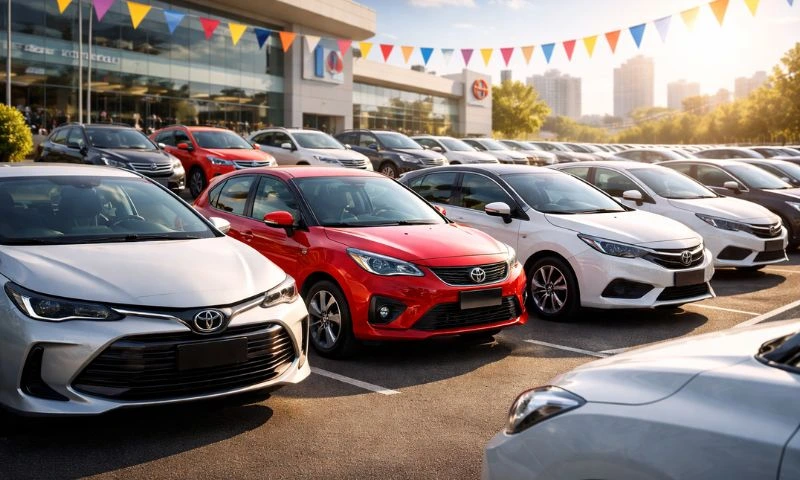
Pakistan’s government is scrambling to finalise its new Auto Policy 2026-31 as disagreements over vehicle tariffs threaten to delay its launch. The current auto policy expires on June 30. However, officials have yet to agree on a replacement framework. The dispute centres on whether the government should sharply cut import duties under the National Tariff Policy (NTP) or continue protecting local vehicle assemblers through higher tariffs. The issue came under discussion at a meeting of the National Assembly Standing Committee on Finance chaired by PPP lawmaker Syed Naveed Qamar. “The auto tariffs are being determined while duly taking into account the principles laid out in the National Tariff Policy,” Commerce Secretary Jawad Paul told lawmakers. Government officials say full implementation of the NTP would reduce customs duties on vehicles and auto parts by 25% to 50%. Industry experts believe lower duties could make vehicles cheaper for consumers. However, local assemblers would face tougher competition from imported vehicles. Government Divided Over Tariff Reductions The commerce ministry wants to cut the maximum customs duty rate to 50%. It also proposes reducing additional customs duties and lowering regulatory duties to 20% in fiscal year 2026-27. If approved, the maximum tariff burden would fall to 74% from the current 156%. Reports say the 82 percentage-point gap remains the biggest obstacle to finalising the policy. The government is also facing objections from the International Monetary Fund. Officials had proposed charging only 1% sales tax on new energy vehicles. They also suggested applying a reduced sales tax rate to hybrid vehicles. The government is now reviewing two options. The first option would reduce tariffs to 74% in line with the NTP. The second would lower tariffs but impose an 82% federal excise duty to maintain protection for local manufacturers. Reportss described the second option as a majordeparture from the spirit of tariff reforms. Cheaper Cars or Protection for Industry? “There is so far no deviation from the approved NTP, and proposals for the second year (FY2026-27) are in line with the approved plan,” Paul told the committee. He added that reductions would apply across most of Pakistan’s 7,590 tariff lines. “The current maximum tariffs are 156% that will be brought down to 74%,” he said. Under the proposed framework, customs duties on auto parts would fall from 35% to 25%. Duties on cars and jeeps up to 800cc would decline from 50% to 30%. Tariffs on vehicles up to 1,000cc would drop from 55% to 35%. Rates on vehicles up to 1,500cc would fall from 60% to 40%. Duties on vehicles up to 1,800cc would decrease from 75% to 45%. For vehicles above 1,800cc, tariffs would drop from 100% to 50%. Reportss said the Prime Minister’s Office remains reluctant to reduce prices for luxury vehicles above 2,000cc. Officials are considering federal excise duties for that segment. The commerce ministry supports gradual tariff reductions under the NTP. The industry ministry wants stronger protection for local manufacturers. Paul told lawmakers that IMF conditions remain less demanding than Pakistan’s own tariff reform goals. “The IMF has allowed keeping the regulatory duty rate to 80% but the government approved abolishing it in five years,” he said. “The IMF did not set the upper cap for customs duty but the government approved reducing it to 15% by 2030.” The commerce secretary said tariff reforms planned for fiscal year 2026-27 could reduce government revenue by Rs143.4 billion. He also said the Engineering Development Board had recommended equal tariffs for locally manufactured, imported and used vehicles. The outcome of the debate will shape Pakistan’s auto market for years. It could determine whether consumers get cheaper vehicles or local assemblers retain significant protection.
NASA Took FIFA’s New World Cup Ball to Space. Here’s Why
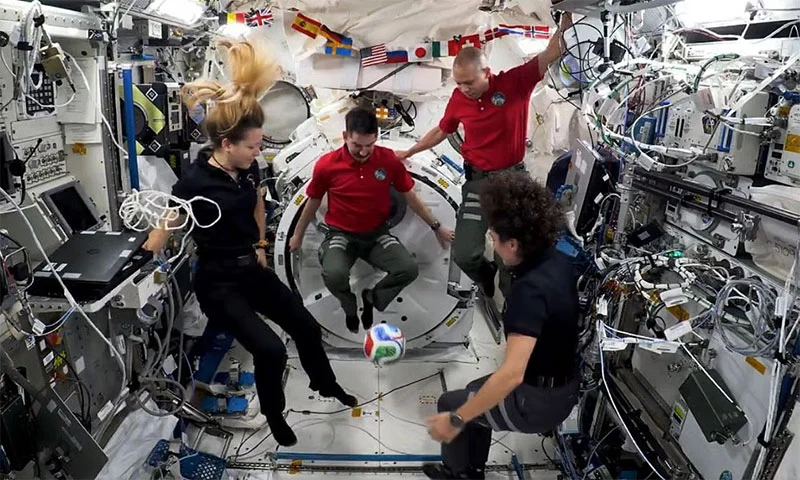
The official ball of the 2026 FIFA World Cup has already achieved something no player can claim before the tournament begins. Astronauts aboard the International Space Station tested Adidas’ Trionda football in space to study how balance and movement affect performance. The experiment formed part of a scientific project designed to better understand how footballs behave under unique conditions. NASA shared images from the tests on Instagram and explained that astronauts recreated a study first conducted in 2019. The agency said the exercise showed how small differences in balance can change the way a football moves. “The official FIFA World Cup ball went to space,” NASA said. According to the agency, sports engineers carefully adjust a ball’s balance and centre of mass to ensure consistent performance on the pitch. NASA Studies Football in Microgravity Astronauts used the Trionda ball to observe its movement in microgravity. The experiment allowed researchers to examine how balance influences flight and motion without the effects of Earth’s gravity. NASA said the findings could help scientists better understand how modern football technology influences performance. The official FIFA World Cup ball went to space! We're working to inspire the next generation by showing how space exploration inspires innovation in sports science — and everyday life. Learn more: https://t.co/CWbI8MFDtp pic.twitter.com/ebJtkpD5uM— NASA (@NASA) June 20, 2026 “Helping to improve the beautiful game is just one of the ways NASA science done on the International Space Station makes life better for people on Earth,” the agency said. Researchers often use the ISS to conduct experiments that would be difficult to perform on Earth. Microgravity allows scientists to isolate variables and study movement with greater precision. The project also highlighted the growing role of technology and data analysis in modern football. Trionda Brings New Technology to World Cup Adidas developed Trionda for the 2026 FIFA World Cup, which the United States, Canada and Mexico will jointly host. According to FIFA, the name Trionda comes from a Spanish phrase meaning “three waves”. The name reflects the tournament’s three host nations. The ball combines red, green and blue colours. Its design also includes symbols linked to each host country. A maple leaf represents Canada. An eagle represents Mexico. A star represents the United States. Adidas equipped the ball with several advanced features. Deep seams help improve flight stability. Textured details help players maintain control during wet conditions. The ball also includes connected-ball technology. A built-in 500Hz motion sensor sends real-time movement data to the Video Assistant Referee system. Officials can use that information to assist with offside decisions and other key incidents during matches. FIFA and Adidas describe Trionda as one of the most extensively tested World Cup balls ever produced. Now, before a single match has kicked off, the ball has already completed a journey beyond Earth and into space.
