


July offers gardeners one of the busiest and most rewarding months of the year, with flower beds bursting into color and vegetable patches producing abundant harvests. Gardening experts say the month is also ideal for sowing new crops, caring for flowering plants and preparing gardens for autumn, while avoiding one common mistake that could weaken next year’s rhubarb harvest. With long daylight hours and warm soil temperatures, July provides excellent conditions for growing both ornamental plants and vegetables. Experts say gardeners should focus on watering, feeding, weeding and pest control to keep plants healthy during the summer heat. Flowers and vegetables that thrive in July Gardener and writer Sarah Raven says July is an excellent time to propagate tender perennials. “Take cuttings of tender perennials, such as pelargoniums and salvias. They’ll be growing at full tilt and will root very quickly to provide wonderful windowsill plants all winter,” she said. She also recommends sowing fast growing annuals, including sunflowers, marigolds, nasturtiums and zinnias, while there is still enough time to enjoy flowers later this year. Sarah advises gardeners to support taller perennials before late summer weather arrives. “Dahlias are best supported in a triangle of canes, while chrysanthemums perform best when tied in and supported,” she said. She also recommends cutting back long flowering geraniums after their first bloom to encourage fresh flowers and foliage. Gardeners should deadhead roses after their first flush, feed them with rose fertilizer or well rotted manure and plant salvias or nepetas nearby to help reduce diseases such as black spot. In the vegetable garden, Emma O’Neill, head gardener at Garden Organic, says July remains one of the best months for sowing crops. “July is an excellent time to sow some additional vegetables, as well as plant out crops you’ve sown earlier in the year,” she said. She added, “Both the soil and air temperature are warm, and light levels have increased and extended, which provides great conditions for germination.” Emma recommends planting beetroot, carrots, radishes, lettuce, turnips, chicory, chard, winter cabbage, leeks, kale, spinach and mustard greens. Gardeners can also continue sowing climbing French beans and peas until the middle of July. Watering and rhubarb care take priority Experts say watering should top every gardener’s checklist during July. Hayden Salt, garden centre manager at Jacksons Nurseries, warned, “Preventing your plants from drying out in the summer heat should be the first item on your agenda in July.” He encourages gardeners to water deeply rather than frequently to help roots grow stronger and improve drought tolerance. Hayden also recommends regular deadheading to encourage repeat flowering, feeding hanging baskets daily and checking plants frequently for aphids and other pests. He advises topping up bird baths and garden ponds with fresh water during hot weather. One important warning concerns rhubarb. Gardeners should stop harvesting stems during July and allow the remaining leaves to stay on the plant. Leaving the foliage untouched enables rhubarb to store energy for next year’s crop. Continuing to harvest late into summer can weaken the plant and reduce future yields. The Royal Horticultural Society also advises gardeners to stop picking rhubarb by early to mid summer so crowns can rebuild their food reserves before winter. Combined with regular watering, feeding and careful maintenance, that simple step helps ensure healthier and more productive plants in the following growing season.

Could This Simple Morning Routine Lower Dementia Risk? A Doctor Explains
A doctor and healthcare educator has sparked widespread discussion after claiming that people who remain mentally sharp into their 90s often share one simple morning habit: getting natural sunlight within 30 minutes of waking up. The advice comes from Dr. Neal K. Shah, who shared the recommendation in a widely viewed YouTube video explaining how early morning light may influence sleep quality and long term brain health. However, while experts agree that morning sunlight supports healthy circadian rhythms, they caution that no single habit can guarantee protection against dementia. Dr. Shah said neurologists studying cognitively healthy nonagenarians repeatedly identified a common morning routine centered on natural light exposure. He explained, “Neurologists studied people who stayed cognitively sharp into their 90s and they kept finding the same thing in their morning routine. But first, you need to understand what happens to your brain at night.” Morning sunlight and the brain’s internal clock According to Dr. Shah, the brain carries out an important cleaning process during sleep that helps remove waste proteins associated with neurodegenerative diseases such as Alzheimer’s. He said, “Here’s what most people don’t know: the quality of tonight’s cleaning cycle is determined by what you do tomorrow morning.” He urged people to avoid checking their phones immediately after waking. “Within the first 30 minutes of waking, most people grab their phone, scroll, and in doing so they accidentally sabotage the most protective thing in their ageing brain,” he said. Instead, he recommends spending about 10 minutes outdoors in natural daylight before using screens or drinking coffee. “Within the first 30 minutes of waking, before any screens, even before coffee, before anything. That one decision sets your cortisol levels, your melatonin and your brain’s overnight cleaning cycle.” Scientists have found that exposure to morning light helps regulate the body’s circadian rhythm, improving sleep quality. Good sleep supports the brain’s glymphatic system, which becomes most active during deep sleep and helps remove metabolic waste. However, researchers continue to study how this process influences dementia risk over time. Experts say dementia prevention requires multiple healthy habits The video generated mixed reactions online. Some viewers questioned the claim by pointing out that dementia existed long before smartphones. Others noted that regular morning sunlight is difficult in countries with limited daylight during parts of the year. One commenter wrote, “Dementia has been around much longer than cell phones.” Another added, “When you live somewhere that has very little sunlight, it is impossible to do this every day.” Others reported positive experiences. One viewer commented, “A month back I started getting up to see the sunrise. Now it is a habit. I naturally wake just before it rises, whatever the time, as if by magic.” Dr. Shah also highlighted “robust curiosity” as another habit linked to healthy ageing. Health organizations, including the Alzheimer’s Association, emphasize that dementia risk depends on many factors. Regular exercise, quality sleep, a healthy diet, controlling blood pressure, social engagement and lifelong learning all contribute to better brain health. Morning sunlight can support those habits, but current scientific evidence does not show that it alone prevents dementia.

“I’m Relieved”: Microsoft Employee’s Layoff Post Goes Viral
Microsoft is preparing another round of job cuts that could affect thousands of employees as early as next week, according to Business Insider. The latest reductions may impact fewer than 2.5 percent of the company’s global workforce. That would make them smaller than last year’s layoffs. Reports suggest the sales, consulting and Xbox divisions could see the biggest changes. Amid the uncertainty, one Microsoft employee has attracted attention online after admitting he feels relieved rather than fearful about losing his job. The employee shared his experience on Blind, a professional platform where verified employees discuss workplace issues anonymously. In a post titled “I’m glad I’m getting laid off from Microsoft,” he explained that months of uncertainty had become more exhausting than the layoff itself. “My manager is getting the layoff list on the 30th. But I do know that I am expected to get laid off,” he wrote. Several workplace changes convinced him that his role was at risk. He said managers quietly moved him away from projects and stopped giving him regular feedback. View on Blind “A few of the reasons were that I’ve been quietly reassigned to my projects and a coworker came in for assistance and even he doesn’t really know the reason why. My manager has been kinda ignoring me giving me less feedback.” Employee says uncertainty became harder than the layoff Rather than fearing the expected decision, the employee described feeling relieved that months of speculation were finally ending. “I feel relieved. Not because losing a job is fun. Not because the market is great. Not because I have everything figured out. I’m relieved because the uncertainty is finally ending.” He also described how repeated restructuring discussions had affected morale across the company. “The constant rumors. The reorgs. The ‘efficiency’ discussions. Watching good people disappear. Wondering every quarter if you’re next. That’s been far more exhausting than the layoff itself.” For months, he worried whether his name would appear on the next list. Now he believes starting over feels less frightening than continuing to live with uncertainty. He admitted that his feelings could change once the layoff officially happens. The post quickly gained attention on Blind and other social media platforms. Many users said they understood the emotional pressure created by repeated restructuring across the technology sector. AI investment continues to reshape the tech industry Microsoft has reduced its workforce several times while expanding investments in artificial intelligence and cloud computing. The company continues to invest billions of dollars in AI infrastructure and its partnership with OpenAI. At the same time, it keeps restructuring parts of its business to manage costs. Many technology companies have followed a similar strategy. They continue hiring for AI focused roles while reducing staff in other divisions. Analysts say the industry is shifting resources toward artificial intelligence to support long term growth. Microsoft has not officially announced the reported layoffs. Still, the employee’s post highlights the emotional toll that prolonged uncertainty can have on workers. For some people, finally knowing the outcome feels easier than living with months of unanswered questions.

Kodak Just Brought the 2000s Back With This Tiny Camera
Kodak has unveiled the Charmera Millennium Edition Keychain Camera, a new collectible digital camera that combines early 2000s styling with the growing popularity of blind box collectibles. The latest release reimagines Kodak’s Charmera keychain camera line with a design inspired by compact point and shoot cameras that defined the Y2K era. The new model also pays tribute to the original Charmera, which traced its roots to the iconic 1987 Kodak Fling. The camera follows the increasingly popular blind box format. Buyers will not know which version they receive until they open the package. Kodak has introduced seven different designs for the collection. Six standard editions come in metallic green, orange, pink, silver and black finishes, with each offering equal odds of one in six. The collection also includes a rare liquid metal secret edition with a one in 48 chance of appearing. Customers can also purchase a Whole Set package containing six boxes without duplicate standard editions. If the secret edition appears, it replaces one of the regular versions. The company has opened preorders through its official online store. Shipments are expected to begin in mid July 2026. Compact camera packs retro inspired features Despite its tiny size, the Charmera Millennium Edition includes several modern photography features. The camera uses a 1.6 megapixel one quarter inch CMOS sensor paired with a 35 millimetre equivalent f2.4 lens. It records video at up to 1440 by 1080 resolution at 30 frames per second. The body measures just 58 by 24.5 by 20 millimetres and weighs only 30 grams. Kodak builds the camera from ABS plastic and recommends it for users aged 15 and above. Each package includes the camera, a keyring and a USB C cable for charging and file transfers. Users must purchase a microSD card separately, with support ranging from 1GB to 128GB. Kodak has also added four new decorative photo frames and seven retro style filters. These include old television tube effects, a nostalgic video player interface and colour presets such as Coral, Honey, Teal and Violet Pixel. The effects recreate the distinctive look of early digital cameras from the 2000s. A rear display works alongside an optical viewfinder, while a built in 200mAh rechargeable battery powers the device. Blind box trend meets vintage tech revival Kodak’s latest launch arrives as nostalgia driven technology continues gaining popularity among younger consumers and collectors. Compact digital cameras from the early 2000s have made a strong comeback on social media platforms, where users embrace their distinctive image quality and retro appearance. The Charmera Millennium Edition also taps into the booming blind box market. The surprise element has helped collectible toys, accessories and lifestyle products attract a new generation of buyers seeking limited edition items. By combining vintage digital camera styling with blind box packaging, Kodak has merged two of today’s fastest growing nostalgia trends into a single product. The company hopes the new release will appeal to photography enthusiasts, collectors and younger consumers looking for a fun alternative to smartphone photography while celebrating one of the most recognizable eras in digital camera history.

Good News for Tourists as Electric Buses Arrive in Murree
Murree has received its first fleet of modern electric buses. The project aims to improve public transport and reduce pollution in Pakistan’s most popular hill station. A total of 10 green electric buses have arrived under the special directives of Punjab Chief Minister Maryam Nawaz Sharif. The government launched the initiative to promote environment friendly transportation and protect Murree’s natural beauty. Officials said the buses will begin operations soon. They are completing the final operational arrangements before launching the service. The Punjab government has expanded clean public transport across the province in recent months. It has already introduced electric buses in Lahore and announced plans to extend the network to other cities. The Murree project marks another step in that strategy. It also addresses growing concerns over traffic congestion and vehicle emissions during the tourist season. New buses to serve major tourist routes According to the local administration, the fully electric buses will help improve air quality. They will also protect Murree’s scenic environment. The buses will provide affordable and comfortable transport for tourists and local residents alike. The service will operate on major routes. These include Jhika Gali, Patriata, Rawalpindi to Lari and Lawrence College. Officials expect the buses to reduce the number of private vehicles entering Murree. They also believe the project will ease traffic congestion during weekends and summer holidays. Murree gets its Green Buses. 💚 pic.twitter.com/aBMGgBGuAx— Maryam Nawaz Sharif (@MaryamNSharif) June 29, 2026 Each bus includes modern passenger facilities. The vehicles aim to provide a safer and more comfortable travel experience. Authorities have not yet announced fares or operating schedules. However, they confirmed that the service will start soon. Environmental experts have long called for cleaner transport in Murree. They say electric vehicles can help reduce emissions and protect the hill station’s fragile ecosystem. Residents welcome historic initiative Residents have welcomed the arrival of the electric buses. Many described the project as an important step towards sustainable tourism. “This is the first time in Murree’s history that eco friendly public transport has been introduced, which is a valuable initiative for both residents and tourists,” a citizen said. Officials expect the service to significantly ease traffic during the peak summer season. They also hope more people will choose public transport instead of private vehicles. The Punjab government believes the project will reduce carbon emissions and support sustainable mobility. Officials also hope it will improve the travel experience for millions of visitors every year. If the initiative succeeds, similar electric bus services could expand to other tourist destinations across Pakistan.

Mbappe Breaks Historic Ronaldo Record, Sets Sights on Messi
Kylian Mbappe moved within one goal of Lionel Messi’s all time men’s FIFA World Cup scoring record after producing another brilliant display in France’s 3 0 victory over Sweden in the Round of 32 on Monday. The 27 year old scored twice as France booked a place in the Round of 16. His first goal took his World Cup tally to 18, moving him past Germany legend Miroslav Klose into outright second on the all time scoring list. Only Messi, who has 19 World Cup goals, now stands ahead of the French captain. Mbappe’s two goals also lifted his combined World Cup total of goals and assists to 22. That moved him ahead of Brazil great Pele into second place in that category as well. Messi continues to lead the list with 27 goal contributions. The Paris Saint Germain forward has now scored six goals at the 2026 FIFA World Cup. He has also registered two assists, putting him ahead of Messi in the race for the Golden Boot because assists serve as the first tiebreaker when players finish level on goals. France star rewrites World Cup history Mbappe’s opening goal also saw him break one of the tournament’s most famous records. He reached 10 goals in World Cup knockout matches, surpassing Brazil legend Ronaldo Nazario, who previously held the record with nine. The France captain also extended another remarkable record. He has now produced four multi goal performances in World Cup knockout matches. No other player has managed more than two. Triple threat 🤝France have become the first team in @FIFAWorldCup history to score three or more goals in five consecutive matches 🇫🇷 pic.twitter.com/aI4tF2swg9— FIFA (@FIFAcom) July 1, 2026 His brace against Sweden also became his seventh multi goal game at the World Cup, another tournament record. Mbappe has received valuable support from Ousmane Dembele throughout the competition. The pair have combined for six goals at this World Cup. Dembele has assisted four of Mbappe’s goals, while Mbappe has created two for Dembele. According to FIFA statistics, it is the tournament’s most productive attacking partnership in 60 years. France continue dominant march toward title France’s victory reflected more than Mbappe’s individual brilliance. Didier Deschamps’ side has now scored at least three goals in five consecutive World Cup matches, the longest streak in tournament history. France also attempted 25 shots against Sweden. It marked their highest total in a World Cup knockout match since 1998. The team has now won its opening four matches of a World Cup for only the second time. The first came in 1998, when France lifted the trophy on home soil. Deschamps also reached another milestone by recording his ninth World Cup knockout victory as France coach. No manager has won more knockout matches in the tournament. France will now face Paraguay in the Round of 16 as Mbappe continues his pursuit of more history. One more goal will see him equal Messi’s all time World Cup scoring record. Two more goals will leave him alone at the top of the list while strengthening France’s bid for a third World Cup title.
The Secret Behind Morocco’s Rise as Renault’s Global Manufacturing Giant
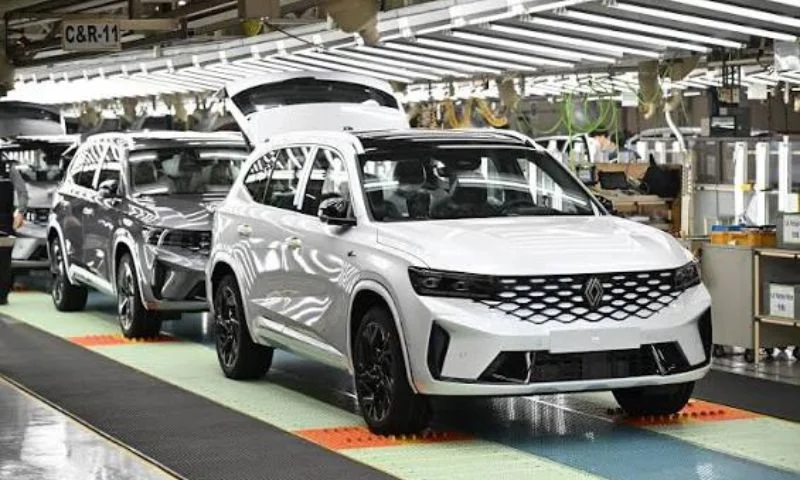
Morocco has strengthened its position as one of the world’s leading automotive manufacturing centers after producing 394,000 vehicles for Renault Group in 2025, making the North African country the French automaker’s second largest production hub worldwide after France. According to a Renault Group report released on Monday, Morocco now manufactures nearly one in every six vehicles sold globally by Renault. The milestone highlights the country’s growing importance in the company’s international production network and reflects years of investment in manufacturing, logistics and supplier development. Renault operates two production facilities in Morocco, one in Tangier and the other at Somaca in Casablanca. Together, the plants exported 82 percent of their total production to 63 international markets during 2025, including France, Spain, Italy, Germany and Türkiye. Nearly 10,000 employees work across Renault’s Moroccan operations, while the Tangier factory alone employs 6,000 people, making it the largest automobile manufacturing plant in Africa. Tanger Med drives global exports A major factor behind Morocco’s success is the close integration between Renault’s factories and the Tanger Med Port, located only a few kilometres from the Tangier plant. The port handled 161 million tonnes of cargo and more than 11.1 million containers in 2025, making it Africa’s largest port, the biggest in the Mediterranean and the 17th largest port globally. Its vehicle terminal covers 20 hectares and can process up to one million vehicles each year. Renault ships around 8,000 finished vehicles every week through its dedicated quay at Tanger Med. The logistics network also includes 26,400 outbound trucks, 1,440 trains carrying 240 vehicles each, and 290 ships annually. Two railway lines connect directly to the Tangier factory, allowing vehicles to move straight from the assembly line to the port. Rail transport also helps Renault reduce carbon emissions by approximately 90 percent compared with road transport. Thomas Denis, Renault Group’s Supply Chain Director, said, “In a radius of a few kilometres, Morocco concentrates the Tangier plant, the supplier free trade zone and the Tanger Med port, creating a model of efficiency unique in the automotive industry.” He added, “This exceptional proximity between production, suppliers, and logistics makes northern Morocco one of the most integrated automotive ecosystems in the world.” AI, green energy and skilled workforce fuel expansion Renault has also invested heavily in technology and sustainability. Three artificial intelligence powered control towers monitor inbound parts, outbound vehicle shipments and global risks such as strikes, extreme weather and geopolitical disruptions in real time. The Tangier factory sources around 90 percent of its energy from biomass heating and wind power while using a closed loop water recycling system to reduce environmental impact. Read More: Five New Chinese EVs in The Price of One Car in US: The Price Gap Shaking the Auto Industry Renault has managed Morocco’s Institute for Training in Automotive Industry Professions (IFMIA) since 2011. The institute has delivered 3.2 million hours of training in robotics, automation and vehicle electrification while supporting suppliers and youth employment. Morocco’s domestic vehicle market also continues to grow. Renault and Dacia together hold 38 percent of the country’s car market, making the company Morocco’s leading automaker. The country’s overall vehicle sales increased by 33 percent in 2025, driven by stronger consumer demand, wider financing options and new product launches. Mohamed Bachiri, Director General of Renault Group Morocco, said, “Over the years, Morocco has become a key pillar of Renault Group’s global industrial footprint, built on industrial excellence, world class logistics, qualified talent, and a strong public private partnership.” He added, “This long term collective commitment has enabled the emergence of a competitive automotive ecosystem with growing international reach, while supporting the kingdom’s industrial ambitions.”
