


A routine dental visit in eastern China has sparked an official investigation after a 63 year old man who sought treatment for one painful tooth left a private clinic having 12 teeth extracted. Health authorities in Anhui province have ordered the clinic to refund the patient’s treatment costs and correct its practices after concluding that the treatment went beyond what the man originally sought. Officials are now examining whether the procedure met accepted medical standards and whether proper safeguards were followed. According to Chinese media reports, the patient visited the clinic complaining about pain in a single tooth. During the consultation, dentists recommended a much more extensive treatment plan. By the end of the appointment, they had removed 12 teeth. The patient later questioned whether such an aggressive procedure had been medically necessary. His complaint reached regional health authorities, who opened an investigation and instructed the clinic to implement corrective measures. Authorities have not yet announced whether the dentist involved will face disciplinary action. The incident has triggered widespread debate on Chinese social media, with many users raising concerns about overtreatment and financial incentives in parts of the country’s rapidly expanding private dental sector. Earlier dental cases fuel public concern The latest case has revived memories of another high profile dental controversy reported in China. In 2024, a patient died after undergoing the extraction of 23 teeth and the placement of 12 dental implants during a single procedure. That incident prompted intense public scrutiny and renewed calls for tighter oversight of private dental clinics. Similar complaints involving multiple tooth extractions have also surfaced in other parts of China over the past two years, further increasing pressure on regulators. Dental specialists note that there is no fixed limit on how many teeth a patient can have removed during one operation. Instead, dentists must assess each case individually. Experts say the decision depends on the patient’s overall health, the condition of the affected teeth and whether multiple extractions are medically justified. Larger procedures can increase the risk of bleeding, infection, prolonged recovery and other complications, particularly in older patients or those with underlying health conditions. Investigation highlights concerns over patient protection China’s private dental industry has expanded rapidly during the past decade as demand for dental implants, cosmetic dentistry and specialist treatments has increased. At the same time, regulators have faced growing calls to ensure treatment recommendations remain based on clinical need rather than commercial considerations. The Anhui investigation has once again brought that debate into the spotlight. For investigators, the central question is no longer the single toothache that brought the patient to the clinic. Instead, officials are examining whether the recommendation to remove 12 teeth followed accepted medical standards and whether existing oversight is strong enough to prevent similar cases in the future. The outcome of the investigation could influence future regulation of China’s private dental sector as authorities seek to strengthen patient safety and improve confidence in dental care.

Millions Need Help but Funding Is Vanishing, UN Women Warns
At least one million women and girls have lost access to life saving support after sharp cuts in international aid funding since January 2025, according to a new report released by UN Women. The agency warned that women’s organisations working in some of the world’s worst humanitarian emergencies now face an unprecedented funding crisis. It said the cuts are forcing many groups to reduce services or prepare for closure even as demand continues to rise. The report comes after the United States sharply reduced foreign assistance following President Donald Trump’s return to office in 2025. Several other major donor countries have also reduced aid budgets, creating severe funding gaps for humanitarian programmes worldwide. According to the United Nations, the number of people requiring humanitarian assistance remains near record levels because of conflicts, displacement and climate related disasters. “The women’s organisations at risk of being shut down are on the frontlines of the world’s most severe humanitarian crises,” Sofia Calltorp, UN Women’s head of humanitarian action, said. “Every dollar withdrawn from women’s organisations is a dollar withdrawn from survivors of conflict-related sexual violence, displaced mothers, girls forced from school, and communities struggling to survive.” Demand rises as organisations struggle to survive UN Women said around 120 million women and girls currently require humanitarian assistance and protection. Armed conflicts have reached their highest levels since the Second World War, increasing the need for emergency support across many regions. The report surveyed 855 women led and women’s rights organisations across 52 crisis affected countries. It found that 84 percent of respondents have experienced higher demand for services since January 2025. At the same time, nearly nine out of ten organisations said they can no longer meet existing needs. Two in five expect to shut down either temporarily or permanently within the next year because of funding shortages. Many organisations now rely on unpaid staff to continue operating. Around 65 percent reported that employees continue working without salaries to keep essential services available. Nearly half also reported growing staff burnout. The agency warned that conflict related sexual violence doubled during 2025 while protection systems weakened. It also found that 86 percent of surveyed organisations reported increasing levels of gender based violence in the communities they serve. Women and children face growing risks UN Women said the consequences extend far beyond organisational closures. “A woman seeking refuge from violence might show up at the door of a shelter that has shut down; a pregnant woman may have to walk for hours to reach a health clinic; or a mother may be denied food for her children.” The agency also warned that funding cuts threaten long term progress on women’s rights and leadership. “The dismantling of women’s organisations is not happening in a vacuum but against a global backlash on the rights of women and girls.” According to the report, one in five organisations has already suspended programmes promoting women’s leadership and gender equality. More than half also reported declining participation by women in community leadership and local decision making. UN Women urged governments and international donors to restore financial support before more organisations disappear. The agency warned that continued reductions in humanitarian funding will leave millions of women and girls without protection, healthcare, education and other essential services during some of the world’s most severe crises.

Atlas Honda Finally Bringing 250cc and 500cc Bikes to Pakistan
Atlas Honda has signalled plans to enter Pakistan’s premium motorcycle market with 250cc and 500cc models if demand for higher capacity bikes continues to strengthen. The announcement came during the company’s MY26 corporate briefing, attended by analysts from Topline Securities. Company management said growing consumer interest in premium motorcycles has encouraged Atlas Honda to consider expanding beyond its traditional lineup. It added that higher overseas remittances have helped boost demand for larger engine motorcycles in Pakistan. The move would mark a significant shift for Atlas Honda, which has long dominated Pakistan’s commuter motorcycle segment through models such as the CD70, CG125, CB125F and CB150F. While the company has not confirmed launch dates or specific models, the indication suggests it is closely monitoring the country’s evolving motorcycle market. Industry experts say the premium motorcycle segment has expanded steadily in recent years as buyers increasingly seek motorcycles with higher performance, advanced features and improved touring capabilities. Manufacturing capacity to reach 2 million motorcycles Atlas Honda also unveiled an ambitious production expansion plan to meet growing demand. The company will increase its annual manufacturing capacity from 1.65 million motorcycles to 2 million units after completing an expansion project by December 2026. Management expects the project to cost between Rs5 billion and Rs6 billion. According to the company, current production already exceeds its rated capacity. It has relied on overtime and support from its vendor network to maintain supplies and meet strong customer demand. Management said Pakistan’s overall two wheeler market has recovered to around 2.3 million units annually. It also noted that although Chinese motorcycle brands have lost market share from previous highs, motorcycles above 100cc continue to gain popularity because of improving consumer demand. The expansion reflects Atlas Honda’s confidence in the local market despite broader economic challenges. Pakistan’s motorcycle industry has shown signs of recovery over the past year as easing inflation, stronger remittance inflows and better rural incomes have supported consumer spending. No immediate EV expansion planned While Atlas Honda is exploring larger motorcycles, it has ruled out additional investment in electric motorcycle production for now. The company said its existing electric vehicle facilities can comfortably meet expected demand, leaving no immediate need for further expansion in that segment. Management also noted that Atlas Honda has not increased motorcycle prices over the past three years, except for adjustments resulting from government taxes and levies. Looking ahead, the company remains optimistic about sales growth. It expects improving farm incomes to continue supporting motorcycle purchases across Pakistan, particularly in rural markets where two wheelers remain an affordable and essential mode of transport. If Atlas Honda proceeds with 250cc and 500cc motorcycles, the company could challenge imported premium brands and significantly reshape Pakistan’s higher capacity motorcycle market.
PIA Set to Appoint Former Ethiopian Airlines Chief as CEO
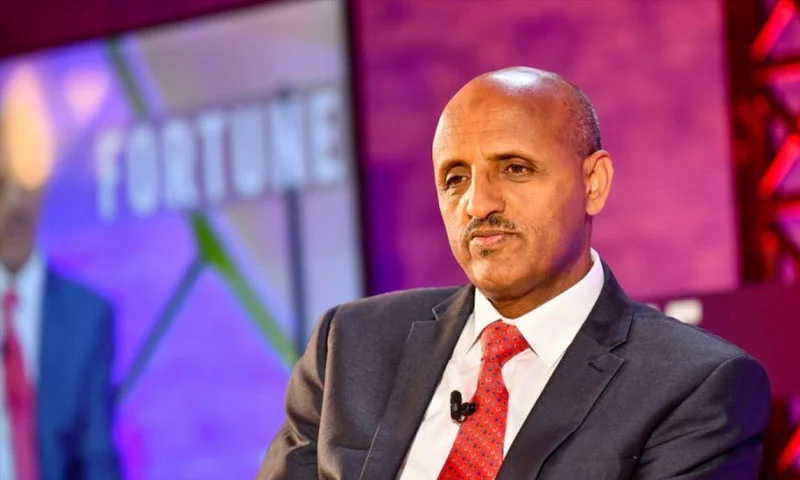
Pakistan International Airlines (PIA) has shortlisted Tewolde Gebremariam, the former Group Chief Executive Officer of Ethiopian Airlines, to become the airline’s next CEO, according to a Bloomberg report. Citing a person familiar with the matter, Bloomberg said the newly privatized airline plans to officially announce the appointment by Sunday. However, the report noted that some formal procedures still need completion before the decision becomes final. If confirmed, Gebremariam will lead PIA at a crucial stage as the airline begins operations under its new private owners following one of Pakistan’s biggest privatization deals. Bloomberg said his appointment could strengthen the Arif Habib-led consortium’s efforts to revive the financially troubled national carrier after acquiring a majority stake. Aviation veteran transformed Ethiopian Airlines Gebremariam is widely regarded as one of Africa’s most successful aviation executives. He joined Ethiopian Airlines in 1985 and rose through senior commercial and operational roles before becoming Group CEO in 2011. During more than a decade at the helm, Ethiopian Airlines expanded rapidly into Africa’s largest airline group. The carrier increased its fleet from 33 aircraft to around 130, expanded annual passenger traffic from three million to 12 million before the pandemic, and significantly grew its global route network. Bloomberg noted, “Under Tewolde’s leadership, Ethiopian Airlines grew into Africa’s largest carrier, providing a link to cities around the continent from its transit hub in Addis Ababa.” His leadership also earned international recognition, including CAPA’s Airline Executive of the Year award and several African business leadership honors. Gebremariam stepped down from Ethiopian Airlines in March 2022 after requesting early retirement to focus on his health. The airline’s board credited him with transforming the company into one of Africa’s strongest aviation brands. PIA begins new chapter after privatization PIA has spent years undergoing restructuring as successive governments attempted to privatize the loss-making airline. Last year, a consortium led by Arif Habib Group submitted the winning bid of Rs135 billion for a 75 percent stake in PIA. The offer exceeded the government’s reference price by 35 percent and included a commitment to invest another Rs80 billion in the airline’s future operations. In April 2026, shareholders of PIA Holding Company Limited approved the sale of the 75 percent stake. On April 30, the consortium also moved to acquire the remaining 25 percent stake, paving the way for full privatization. Last month, Pakistan’s Privatisation Commission completed the first closing of the transaction after all conditions under the Share Purchase and Subscription Agreement were fulfilled. The process officially transferred management control of PIA to the Arif Habib-led consortium. The selection of an internationally respected airline executive signals the new owners’ intention to rebuild PIA’s operations, improve efficiency and restore the carrier’s competitiveness in regional and international markets. Industry observers believe experienced leadership will play a central role as the airline works to regain profitability and rebuild passenger confidence after years of financial and operational challenges.
Why Dubai Is Mourning the Man Known as the ‘Sheikh of Tailors’
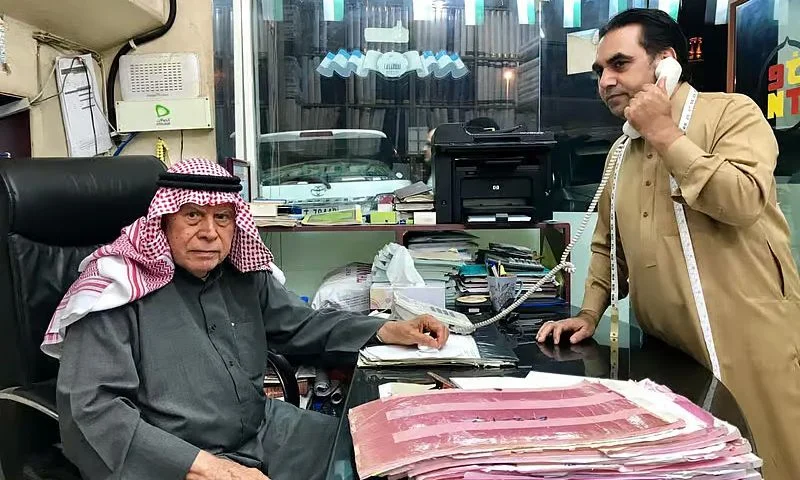
Sheikh Abdulrahman Al Shafei Al Madani, widely regarded as Dubai’s first tailor, has died at the age of 97 after spending nearly eight decades dressing generations of Emiratis and helping preserve one of the country’s most recognizable traditions. Al Madani began his journey in the late 1940s from a modest tailoring shop near Dubai Creek in Deira, long before the city became a global business hub. His craftsmanship, dedication and personal warmth earned him the title “sheikh of tailors” and made his name synonymous with the traditional Emirati kandura. Before becoming famous for tailoring kanduras, Al Madani stitched jellyfish resistant diving suits for pearl divers at a time when pearl fishing formed the backbone of Dubai’s economy. He often recalled building his business when “there was nothing in Dubai,” a reminder of the city’s humble beginnings. Tributes poured in after news of his death. UAE Presidential Diplomatic Adviser Dr. Anwar Gargash described him as one of old Deira’s enduring figures, remembering his calm nature, dignity, perseverance and kindness. A family business built through hard work Al Madani established National Tailors in Al Ras in 1947 when Dubai’s population stood at around 60,000. He worked by the light of a kerosene lamp because his shop had no electricity or air conditioning. For a period, he also shared a tent in Al Sabkha with 13 members of his family while working to build his business. Thousands of kanduras passed through his hands over the decades. His growing success allowed him to buy land in the early 1960s before launching a construction company in the 1970s. The family business later expanded into dozens of tailoring outlets across the UAE. It also opened the country’s first tailoring shop inside a shopping mall in 1992, marking another milestone in Dubai’s retail history. Although he became a successful businessman, Al Madani never lost his passion for tailoring. He continued visiting his original Al Ras shop every day well into his nineties. “Despite his age, he remained passionate and would go to the shop every day,” his grandson Abdulrahman Al Madani recalled. “He was social, and a lot of people stopped by the store to greet him and speak of fond memories with him. It was inspiring to hear how he started from nothing and built a name for himself.” Grandson says his life deserves its own film Emirati filmmaker and writer Abdulrahman Al Madani said his grandfather’s life shaped his own ambitions from an early age. “My childhood was spent in his home in Al Rashidiya, where we gathered every Thursday as a family,” he said. “There was a lot of excitement upon his arrival in the night after work. On Fridays, we would go together to his farm in Falaj Al Mualla. He was generous, kind, and had a good sense of humour.” The filmmaker believes his grandfather’s remarkable journey deserves to reach a much wider audience. “Growing up with an inspirational figure like him definitely shaped me. He believed in his passion and pursued it from a young age,” he said. “His story alone deserves a film of its own. His story inspired me to carve my own path and choose a career that is uncertain yet ultimately rewarding.” Al Madani leaves behind more than a successful business. He leaves a story that mirrors Dubai’s own transformation from a small trading town into a modern global city, one carefully stitched garment at a time.

World Bank Greenlights $375.9 Million for Pakistan’s Energy Future
The World Bank has approved $375.9 million for Pakistan’s Grid Stability Enhancement Project. The funding launches the first phase of the Boosting Energy Security through Transmission in Pakistan (BEST-PAK) programme. The initiative will run for 10 years. It aims to modernise Pakistan’s electricity transmission system, cut power outages and improve energy security. The World Bank says Pakistan’s ageing transmission network struggles with grid instability and congestion. These problems disrupt electricity supplies, increase costs and prevent the country from using available renewable energy. “Pakistan’s energy challenges are deeply interconnected with its broader economic stability,” World Bank Country Director for Pakistan Bolormaa Amgaabazar said. “By investing in advanced technologies for more resilient transmission infrastructure, this project will contribute to reducing electricity costs, bringing more renewable energy onto the grid, and laying the groundwork for a power sector that works better for households, businesses and industries, as well as overall Pakistan’s economy,” she added. Project will unlock more renewable energy The project will strengthen electricity flow across the national grid. It will install Static Synchronous Compensators (STATCOMs) at three major 500 kV substations. Engineers will also add fixed reactors and capacitor banks at 26 grid substations. These upgrades will allow Pakistan to connect 640 megawatts of wind energy that currently cannot reach the national grid. The project will also enable full use of 1,840 MW of wind generation capacity in southern Pakistan. In addition, the improved network will support nearly 491 MW of private sector renewable energy projects. The World Bank said these investments will help Pakistan move closer to its target of generating 60 percent of electricity from renewable sources by 2030. The organisation estimates the project will prevent about 832,500 tonnes of carbon dioxide emissions each year. Over 25 years, avoided emissions could exceed 20.8 million tonnes. Grid reforms and climate resilience The programme also supports the government’s reform of the National Transmission and Dispatch Company (NTDC). Officials plan to split the utility into specialised successor companies to improve governance, efficiency and accountability. World Bank Lead Energy Specialist Waleed Saleh Alsuraih said reliable transmission remains critical for Pakistan’s energy future. “A reliable and modern transmission grid was essential for Pakistan’s energy future,” he said. “As the first phase of the BEST-PAK programme, it unlocks a pathway to large-scale clean energy deployment, stronger energy security, and a modern, commercially oriented transmission sector through targeted infrastructure investments and institutional reforms, creating the conditions for future private capital participation.” The project also prepares Pakistan’s power system for climate change. Engineers will place new installations on elevated platforms to reduce flood risks. They will also install equipment that can operate in temperatures as high as 55°C. The World Bank believes these improvements will strengthen Pakistan’s electricity network, improve service reliability and support long-term economic growth while expanding the country’s clean energy capacity.
WHO Reveals the Best Ways to Stay Safe During a Heatwave
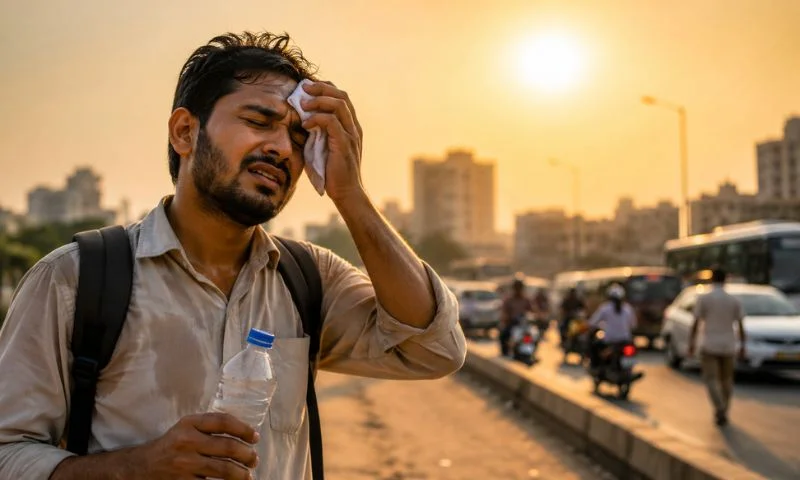
The World Health Organization has warned that prolonged heatwaves can quickly become a serious public health threat, urging people to take simple but effective steps to stay safe as temperatures continue to rise across many parts of the world. According to the WHO, heatwaves are becoming more frequent, longer and more intense because of climate change. Extreme heat already ranks among the deadliest weather related hazards. It increases the risk of illness, hospitalisation and death, especially among older adults, children, pregnant women, outdoor workers and people with chronic medical conditions. The agency said heat affects both cities and rural communities. Urban areas often experience even higher temperatures because of the urban heat island effect, while rural communities can face disruptions to livelihoods and essential services. “The body’s inability to regulate internal temperature and eliminate heat gain in such conditions increases the risk of heat exhaustion and heatstroke.” WHO added that heat places extra stress on the heart and kidneys. It can also worsen cardiovascular disease, respiratory illness, diabetes, mental health conditions and increase the risk of acute kidney injury. The overall impact depends on the intensity and duration of the heat event, as well as how well communities and health systems can adapt. WHO shares practical advice to stay safe The WHO recommends avoiding outdoor activities during the hottest part of the day and spending at least two to three hours in a cool place whenever possible. People should stay in the shade because direct sunlight can make temperatures feel 10 to 15 degrees Celsius hotter. The agency also advised following official heat warnings and avoiding swimming alone during extremely hot weather. To keep homes cooler, WHO recommends opening windows after sunset when outdoor temperatures fall below indoor levels. During the day, people should close windows, lower blinds and switch off unnecessary electrical devices. The agency also issued updated guidance on cooling methods. It said people should use electric fans only when temperatures remain below 40 degrees Celsius. At higher temperatures, fans can heat the body instead of cooling it. If using air conditioning, people should set the thermostat to 27 degrees Celsius and use a fan at the same time. According to WHO, this combination can make a room feel four degrees cooler while cutting cooling electricity costs by up to 70 percent. Children, older adults and vulnerable people need extra care WHO urged people to drink water regularly, recommending one cup every hour and at least two to three litres each day. It also advised wearing light coloured, loose fitting clothing, taking cool showers and using wet towels or damp clothing to cool the body. People should limit alcohol and excessive caffeine because both can increase dehydration. The agency stressed that parents should never leave children or animals inside parked vehicles because temperatures can become life threatening within minutes. It also advised keeping infants out of direct sunlight and warned against covering baby strollers with dry fabric because doing so traps heat. Instead, WHO recommends using a thin wet cloth and rewetting it regularly. Health officials also encouraged families to check regularly on older relatives, neighbours and people with heart, lung or kidney disease. They urged anyone who develops dizziness, nausea, confusion or other signs of heat illness to seek medical attention without delay.

Want to Travel More? This 9-to-5 Employee Shares Her Formula
Lifestyle and travel creator Annie Sharma has sparked discussion online after explaining how she travels regularly while keeping a full-time 9-to-5 job. In an Instagram video, Sharma said people do not always need to leave stable careers to follow their passion for travel. She said better planning, remote work and smart budgeting can make regular trips possible. The video has resonated with users at a time when social media often celebrates quitting corporate jobs for full-time travel. Sharma offered a more practical alternative. “You don’t have to quit your job to follow your passion,” she said in the clip. Planning makes travel possible Sharma said the biggest factor behind her travel routine is advance planning. She usually starts preparing around two months before each trip. “I usually don’t take spontaneous trips because this helps me calculate how much money I need to save, how much the expenditure will be and how many leaves I will take,” she says. She also prefers longer trips instead of short breaks. Most of her trips last around 10 days. “What this helps me do is sandwich two weekends during my trip. I can explore the place on weekends and on weekdays I can also work remotely,” she explains. Sharma said remote work has played a major role in making this lifestyle easier. It allows her to continue working during weekdays while using weekends for sightseeing. She also supports her travel expenses through social media content, sponsored activities and occasional sponsored trips. Message resonates online Sharma ended the video by challenging the popular idea that people must quit their jobs to live more freely. “So the point is, you don’t have to leave your job to follow your passion because everyone on social media is saying you do that. Sometimes all it needs is better planning,” she says. Her message has gained attention because many young professionals struggle to balance career stability with personal goals. Travel experts often advise workers to plan trips around weekends, public holidays and remote work flexibility. Sharma’s approach follows that pattern while keeping financial security intact. Her video also reflects a wider shift in work culture. Since the pandemic, remote and hybrid jobs have made it easier for some employees to travel without fully disconnecting from work. Still, Sharma’s advice depends heavily on job flexibility, employer policy and personal finances. Not every worker can travel while working remotely. Many roles still require physical presence. The report is based on user-generated social media content. Hindustan Times noted that it had not independently verified the claims and did not endorse them.

Why WHO Wants Tougher Social Media Rules for Children
French President Emmanuel Macron and World Health Organization (WHO) Director General Tedros Adhanom Ghebreyesus have called for urgent action to protect children from the growing health risks linked to social media, online gaming and artificial intelligence. In a joint commentary published by the World Health Organization and Project Syndicate, the two leaders said digital technologies now shape how children learn, play and connect. They warned that the online world brings major benefits but also serious risks to children’s physical and mental well being. They urged governments and technology companies to act before those risks grow further. “Our task is not to celebrate or condemn technology. It is to face a simple truth: our digital environment not only promises far-reaching benefits but also poses grave risks for children’s health and development. Our responsibility is to maximize the first while preventing the second. It is not too late to act, but it is too late for merely incremental adjustments.” The commentary acknowledged that digital tools improve education, communication and access to healthcare. These benefits matter even more for children living in remote or crisis affected areas. Online communities can also give young people creativity, friendship and a sense of belonging. Still, the authors said these gains depend on responsible design and proper oversight. They argued that companies should put children’s interests ahead of commercial incentives. Governments tighten rules on children’s social media use Several countries have already introduced or proposed stricter rules for children’s online safety. Australia has approved the world’s first requirement that social media companies prevent children under 16 from holding accounts. France is moving ahead with legislation to ban social media access for children under 15. Indonesia has already introduced a similar restriction for under 16s. Spain has announced plans to follow the same path. Ireland is developing age assurance systems with European Union partners. Britain has also announced plans to stop platforms from offering services to children under 16. The proposal also includes limits on livestreaming and contact from strangers. Canada has introduced legislation that would restrict social media access for children under 16. It also requires stronger safety by design measures from technology companies. According to Macron and Tedros, these steps show that governments increasingly view online child safety as a public health priority. AI and harmful content increase concerns The authors stressed that digital environments are “not neutral” because their design and business models shape health outcomes. Current research links excessive screen exposure to anxiety, depression, poor sleep, aggression and, in severe cases, suicidality among vulnerable adolescents. The commentary also warned that algorithms often promote attention instead of accuracy. That allows health misinformation to spread more easily. Targeted advertising for tobacco, alcohol and gambling products adds to the concern. Rising cases of online sexual exploitation, AI generated abuse images and deepfake bullying also threaten children’s safety. The authors described generative AI as “a major force multiplier in terms of both risks and opportunities for child well-being.” “As long as that remains true, a precautionary approach is not anti-innovation. It is pro-child.” Macron and Tedros urged governments, technology companies, schools, parents and health experts to work together. They said young people should also help shape safer digital spaces through their own experiences. “Our children and young people are not experimental subjects, a captive market, or a commodity. Together, we can and must shape digital environments that protect and support their healthy development. The choices we make now will echo for generations.”

Mbappé Overtakes Messi Without Scoring More Goals
Kylian Mbappé climbed to the top of the 2026 FIFA World Cup Golden Boot standings after scoring his eighth goal in France’s 2-0 quarter-final win over Morocco. The France captain now shares the tournament lead with Lionel Messi on eight goals. However, FIFA ranks Mbappé first because he has more assists. He has three assists, while Messi has one. FIFA uses assists as the first tiebreaker. If players remain level, it considers total minutes played. France secured their semi-final place with a commanding performance at Boston Stadium. Mbappé broke the deadlock in the 60th minute. Ousmane Dembélé doubled the lead six minutes later. Didier Deschamps’ side will now face either Spain or Belgium in Arlington, Texas. Mbappé has contributed directly to 11 goals at this World Cup. He has scored eight times and created three more. Messi has eight goals and one assist, giving him nine direct goal contributions. The French forward also reached another major milestone. His latest strike took his World Cup tally to 20 goals in only 20 appearances. He now sits just one goal behind Messi’s all time World Cup record of 21 goals. Mbappé has also scored 64 goals in 104 international matches for France. Reuters confirmed the milestone after Friday’s victory. Mbappé responds after first half penalty miss France controlled the match from the opening whistle. They created several chances but failed to score before the break. Mbappé earned a penalty after Noussair Mazraoui fouled him inside the box. Officials reviewed the challenge through VAR before confirming the decision. Goalkeeper Yassine Bounou then saved Mbappé’s penalty to keep Morocco level. France finally found the breakthrough on the hour mark. Mbappé curled a superb right footed shot into the net from outside the penalty area. Dembélé then made it 2-0 in the 66th minute with a calm finish after driving forward from midfield. Morocco entered the match as African champions after an impressive tournament. However, France gave them very little space. The Moroccan side managed only one shot on target. Azzedine Ounahi forced Mike Maignan into a comfortable save from a free kick in the 83rd minute. France’s disciplined display earned another deserved victory. Reuters reported that Deschamps’ team has now reached a third straight World Cup semi-final. Golden Boot race set for dramatic finish The Golden Boot battle could go down to the final days of the tournament. Mbappé and Messi both have eight goals. Yet the French star currently leads because FIFA gives priority to assists before any other tiebreaker. Only if goals and assists remain equal will FIFA compare minutes played. France will now prepare for a semi-final against Spain or Belgium. Mbappé also has another chance to extend his Golden Boot lead. He could also equal or surpass Messi’s World Cup scoring record before the tournament ends.
