French President Emmanuel Macron and World Health Organization (WHO) Director General Tedros Adhanom Ghebreyesus have called for urgent action to protect children from the growing health risks linked to social media, online gaming and artificial intelligence.
In a joint commentary published by the World Health Organization and Project Syndicate, the two leaders said digital technologies now shape how children learn, play and connect. They warned that the online world brings major benefits but also serious risks to children’s physical and mental well being. They urged governments and technology companies to act before those risks grow further.
“Our task is not to celebrate or condemn technology. It is to face a simple truth: our digital environment not only promises far-reaching benefits but also poses grave risks for children’s health and development. Our responsibility is to maximize the first while preventing the second. It is not too late to act, but it is too late for merely incremental adjustments.”
The commentary acknowledged that digital tools improve education, communication and access to healthcare. These benefits matter even more for children living in remote or crisis affected areas. Online communities can also give young people creativity, friendship and a sense of belonging. Still, the authors said these gains depend on responsible design and proper oversight. They argued that companies should put children’s interests ahead of commercial incentives.
Governments tighten rules on children’s social media use
Several countries have already introduced or proposed stricter rules for children’s online safety.
Australia has approved the world’s first requirement that social media companies prevent children under 16 from holding accounts. France is moving ahead with legislation to ban social media access for children under 15. Indonesia has already introduced a similar restriction for under 16s. Spain has announced plans to follow the same path. Ireland is developing age assurance systems with European Union partners.
Britain has also announced plans to stop platforms from offering services to children under 16. The proposal also includes limits on livestreaming and contact from strangers. Canada has introduced legislation that would restrict social media access for children under 16. It also requires stronger safety by design measures from technology companies.
According to Macron and Tedros, these steps show that governments increasingly view online child safety as a public health priority.
AI and harmful content increase concerns
The authors stressed that digital environments are “not neutral” because their design and business models shape health outcomes.
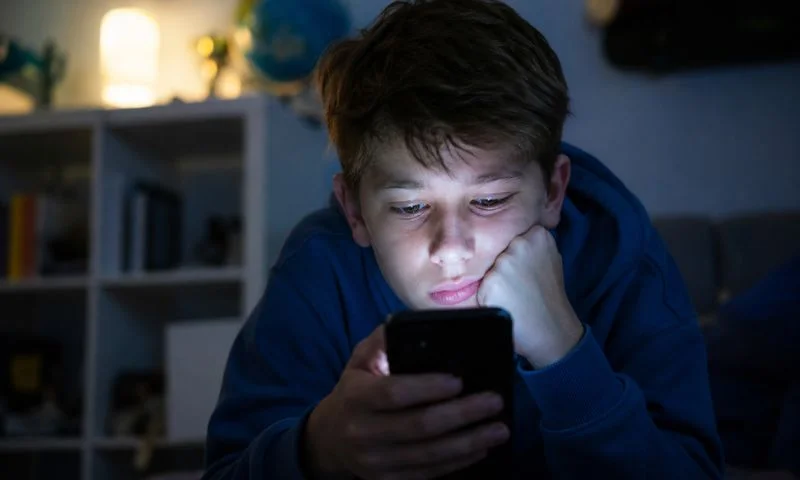
Current research links excessive screen exposure to anxiety, depression, poor sleep, aggression and, in severe cases, suicidality among vulnerable adolescents. The commentary also warned that algorithms often promote attention instead of accuracy. That allows health misinformation to spread more easily. Targeted advertising for tobacco, alcohol and gambling products adds to the concern. Rising cases of online sexual exploitation, AI generated abuse images and deepfake bullying also threaten children’s safety.
The authors described generative AI as “a major force multiplier in terms of both risks and opportunities for child well-being.”
“As long as that remains true, a precautionary approach is not anti-innovation. It is pro-child.”
Macron and Tedros urged governments, technology companies, schools, parents and health experts to work together. They said young people should also help shape safer digital spaces through their own experiences.
“Our children and young people are not experimental subjects, a captive market, or a commodity. Together, we can and must shape digital environments that protect and support their healthy development. The choices we make now will echo for generations.”