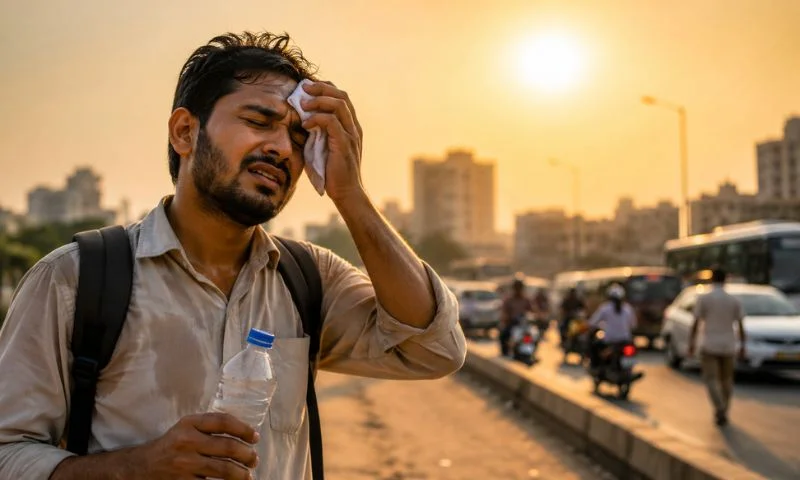
The World Health Organization has warned that prolonged heatwaves can quickly become a serious public health threat, urging people to take simple but effective steps to stay safe as temperatures continue to rise across many parts of the world.
According to the WHO, heatwaves are becoming more frequent, longer and more intense because of climate change. Extreme heat already ranks among the deadliest weather related hazards. It increases the risk of illness, hospitalisation and death, especially among older adults, children, pregnant women, outdoor workers and people with chronic medical conditions.
The agency said heat affects both cities and rural communities. Urban areas often experience even higher temperatures because of the urban heat island effect, while rural communities can face disruptions to livelihoods and essential services.
“The body’s inability to regulate internal temperature and eliminate heat gain in such conditions increases the risk of heat exhaustion and heatstroke.”
WHO added that heat places extra stress on the heart and kidneys. It can also worsen cardiovascular disease, respiratory illness, diabetes, mental health conditions and increase the risk of acute kidney injury. The overall impact depends on the intensity and duration of the heat event, as well as how well communities and health systems can adapt.
WHO shares practical advice to stay safe
The WHO recommends avoiding outdoor activities during the hottest part of the day and spending at least two to three hours in a cool place whenever possible.
People should stay in the shade because direct sunlight can make temperatures feel 10 to 15 degrees Celsius hotter. The agency also advised following official heat warnings and avoiding swimming alone during extremely hot weather.
To keep homes cooler, WHO recommends opening windows after sunset when outdoor temperatures fall below indoor levels. During the day, people should close windows, lower blinds and switch off unnecessary electrical devices.
The agency also issued updated guidance on cooling methods. It said people should use electric fans only when temperatures remain below 40 degrees Celsius. At higher temperatures, fans can heat the body instead of cooling it. If using air conditioning, people should set the thermostat to 27 degrees Celsius and use a fan at the same time. According to WHO, this combination can make a room feel four degrees cooler while cutting cooling electricity costs by up to 70 percent.
Children, older adults and vulnerable people need extra care
WHO urged people to drink water regularly, recommending one cup every hour and at least two to three litres each day. It also advised wearing light coloured, loose fitting clothing, taking cool showers and using wet towels or damp clothing to cool the body. People should limit alcohol and excessive caffeine because both can increase dehydration.
The agency stressed that parents should never leave children or animals inside parked vehicles because temperatures can become life threatening within minutes. It also advised keeping infants out of direct sunlight and warned against covering baby strollers with dry fabric because doing so traps heat. Instead, WHO recommends using a thin wet cloth and rewetting it regularly.
Health officials also encouraged families to check regularly on older relatives, neighbours and people with heart, lung or kidney disease. They urged anyone who develops dizziness, nausea, confusion or other signs of heat illness to seek medical attention without delay.