


The Lahore University of Management Sciences (LUMS) celebrated the achievements of its Class of 2026 by awarding degrees to more than 1,500 graduates during four convocation ceremonies held over two days. Students from the university’s five schools crossed the stage to receive their degrees after completing years of academic study, research and personal development. The graduating class represented the Suleman Dawood School of Business, Mushtaq Ahmad Gurmani School of Humanities and Social Sciences, Shaikh Ahmad Hassan School of Law, Syed Babar Ali School of Science and Engineering, and the School of Education. Read More: China Is Killing Thousands of University Degrees. Here’s Why Families, faculty members, alumni and university leaders attended the ceremonies. Among those present were Pro Chancellor Abdul Razak Dawood, Rector Shahid Hussain, Vice Chancellor Dr. Ali Cheema, members of the Board of Trustees, deans and senior faculty members. This year’s convocation also coincided with LUMS’ 40th anniversary, highlighting four decades of academic excellence and leadership. Since its establishment in 1984, LUMS has grown into one of Pakistan’s leading higher education institutions, with graduates serving in business, government, technology, law, academia and entrepreneurship across the world. Vice Chancellor urges graduates to create opportunities Addressing the graduating class, Vice Chancellor Dr. Ali Cheema encouraged students to use their education to make a lasting impact on society. “As we celebrate forty years of LUMS, it is worth remembering that institutions are ultimately judged by the people they send into the world,” he said. Dr. Cheema stressed that universities should do more than award degrees. “As you leave LUMS today, I hope you will carry that purpose forward: by realising your own potential, helping others discover theirs, and expanding opportunities for generations to come.” Read More: New Study Reveals Why Older Adults Tire Faster While Walking The university also recognised students who demonstrated exceptional academic performance and leadership throughout their studies. This year’s valedictorians included Ali Abbas Gilani from BA LL.B (Hons), Ahmad Ashraf from BS Computer Science, Hiba Humayun from BSc (Hons) Accounting and Finance, and Maheen Mashhood from BA (Hons) History. During their speeches, the graduates reflected on their years at LUMS and shared stories of resilience, personal growth and lifelong friendships. They also thanked their parents, faculty members, mentors and classmates for supporting them throughout their academic journey. Distinguished speakers inspire graduates The convocation featured keynote speeches by four prominent professionals from different fields. Neha Mankani, founder of the Mama Baby Fund and a LUMS alumna, encouraged graduates to remain curious, lead with empathy and use their education to solve complex social challenges. Zia Akhter Abbas, President and CEO of The Citizens Foundation, urged students to embrace humility, welcome different perspectives and approach life’s challenges with courage and responsibility. Renowned artist and curator Salima Hashmi encouraged graduates to lead with creativity, compassion and courage. She highlighted the importance of dialogue, respect for diverse opinions and the freedom to imagine a better future. Read More: Free Care for 200,000 Patients a Year: Inside Karachi’s New University Medical Complex Entrepreneur, artificial intelligence expert and author Amir Husain advised graduates to embrace lifelong learning and remain adaptable in a rapidly changing world. He also encouraged them to face the future with optimism, resilience and a commitment to creating positive change. The two day celebration concluded by formally welcoming the Class of 2026 into the global LUMS alumni network. As graduates begin new careers and academic pursuits, university leaders expressed confidence that they would continue contributing to Pakistan and the international community through innovation, leadership and public service.
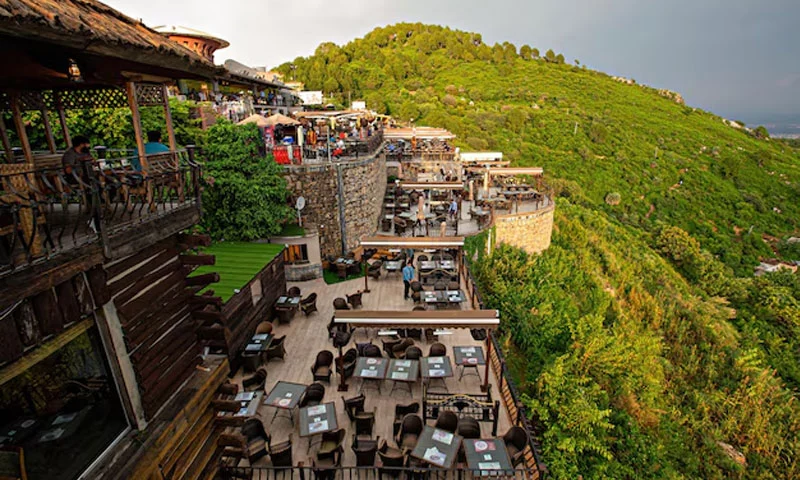
Big Twist in Monal Demolition Case as Constitutional Court Steps In
Pakistan’s Federal Constitutional Court (FCC) on Monday revived the legal battle over Islamabad’s iconic Monal Restaurant at Pir Sohawa. The court set aside an earlier decision that ordered the restaurant’s demolition. However, it refused Monal’s request to reopen immediately. The ruling revives appeals filed by the Capital Development Authority (CDA) and the Metropolitan Corporation Islamabad (MCI). The case has remained one of Pakistan’s most closely watched legal disputes. It began after the Supreme Court ordered authorities to shut down Monal and other restaurants operating inside the Margalla Hills National Park in 2024. Read More: Restaurant Charges Customers Extra for Vomiting After Overeating A bench led by Justice Hassan Azhar Rizvi ruled that trial courts should decide the ownership dispute. The bench directed them to conclude the pending cases as quickly as possible. The court also lifted the stay order. It said the relevant regulatory authorities should decide all administrative matters relating to the property. Justice Rizvi questions earlier judgment During the hearing, Justice Hassan Azhar Rizvi criticised several aspects of the previous Supreme Court judgment. He said the earlier ruling ignored important legal issues. He also noted that it included material that was neither part of the pleadings nor discussed during court proceedings. “We are not going to deliver an emotional judgement,” Justice Rizvi said. He stressed that the bench would rely only on the available record and arguments presented before it. Senior lawyer Ahsan Bhoon praised the judges for examining the case carefully. Justice Rizvi immediately asked him not to commend the court. “We will not write an Alif Laila story in the judgement,” he remarked. Read More: End of an Era: Yum Brands Sells Pizza Hut in $2.7 Billion Deal Justice Rizvi added that the previous ruling appeared to contain observations that went beyond the issues argued before the court. Earlier hearings also raised similar concerns. The bench questioned the legal reasoning behind the Supreme Court’s 2024 demolition order for Monal and other restaurants in the Margalla Hills National Park. Ownership dispute moves to trial courts The Constitutional Court revived the appeals filed by the CDA and MCI. However, it refused to allow Monal Restaurant to reopen immediately. Instead, it directed the trial courts to decide ownership issues. It also instructed regulatory authorities to handle administrative matters under the relevant laws. The decision separates constitutional questions from ownership and regulatory disputes. Each forum will now decide matters within its legal authority. Read More: Flying to Skardu? Airblue Has a New Offer for You Monal Restaurant opened in 2006 and became one of Islamabad’s best-known tourist attractions because of its hilltop location overlooking the capital. In June 2024, the Supreme Court ordered the closure of Monal, La Montana and several other restaurants operating inside the Margalla Hills National Park. The court ruled that commercial activities violated environmental protections. It later directed authorities to remove the structures and restore the protected area. Monday’s ruling does not reopen the restaurant. Instead, it gives trial courts and regulators the responsibility to resolve the remaining ownership and administrative disputes.

Pakistan wants more space on Netflix and here’s why it matters
The Pakistani government has launched discussions with Netflix and other major streaming platforms to secure greater international visibility for Pakistani films and television productions. The move aims to expand opportunities for local creators while positioning the country’s creative industry as a key contributor to exports under the government’s economic transformation agenda. Federal Minister for Planning, Development and Special Initiatives Ahsan Iqbal announced that the government is also developing Pakistan’s own independent over the top (OTT) streaming platform to showcase local stories to global audiences. The initiative forms part of the broader “Uraan Pakistan” strategy, which identifies the creative economy as an important source of export growth and international engagement. Government seeks bigger global platform In a statement, Ahsan Iqbal said Pakistani dramas and films have earned growing recognition around the world. He described the country’s creative and cultural industry as a major pillar of Pakistan’s future export strategy. The minister said global streaming services have become essential gateways for reaching international audiences. However, he argued that regional politics has prevented Pakistani productions from receiving equal opportunities. Read More: Netflix’s latest decision sparks debate among filmmakers “They have unfortunately been weaponised by regional politics for too long, denying Pakistani content its rightful, due space.” To address the issue, the government has opened discussions with Netflix and other leading streaming companies. “Our goal is clear: secure an equitable share of space and open sustainable partnership avenues for Pakistani creators,” he said. Pakistan plans its own OTT platform Alongside negotiations with international platforms, the government is pursuing a domestic digital streaming service. According to Ahsan Iqbal, Pakistan is “actively working towards developing Pakistan’s very own independent OTT platform to champion stories globally.” The proposed platform would provide filmmakers, producers and television studios with another avenue to distribute Pakistani content worldwide. It would also reduce dependence on foreign platforms while giving local creators greater control over distribution and monetisation. The minister did not announce a launch timeline or provide details about funding or management. Industry eyes global expansion Pakistani dramas have built loyal audiences across South Asia, the Middle East and diaspora communities in Europe and North America. Productions such as Humsafar, Zindagi Gulzar Hai, Suno Chanda and Kabhi Main Kabhi Tum have attracted millions of viewers beyond Pakistan through television networks and digital platforms. Industry experts have long argued that Pakistani productions remain underrepresented on major international streaming services despite their popularity. Director Mehreen Jabbar recently said politics, rather than content quality, has limited Pakistan’s presence on platforms such as Netflix. The government’s latest initiative seeks to change that by creating fairer access to global audiences while strengthening Pakistan’s creative economy. Officials believe wider international distribution could generate export earnings, create jobs and attract investment into the country’s entertainment sector. If negotiations succeed, Pakistani creators could gain significantly greater visibility on global streaming platforms while the planned national OTT service could further expand the reach of local stories.

India’s Railway Theft Case. The Most Stolen Item Will Surprise You
More than 1.27 crore (indian rupees) bedroll items disappeared from Indian Railways’ AC coaches between January 2022 and May 2026, according to an RTI investigation by The Indian Express. The findings reveal a growing problem that has cost contractors an estimated Rs104.51 crore over four years. The newspaper filed RTI applications with all 69 railway divisions. Fifty four divisions across 16 of India’s 18 railway zones responded, although some supplied only partial records. Indian Railways provides bedrolls to nearly 800,000 AC passengers every night. Each passenger receives two bedsheets, a blanket, a pillow, a pillow cover and a face towel. Officials estimate that about one in every 1,000 passengers leaves the train carrying at least one linen item. Read More: KitKat Trucks Get ‘Presidential-Level’ Security After 12-Tonne Chocolate Heist The figures also show a 56 percent increase in thefts between 2022 and 2025. A Ministry of Railways spokesperson described the issue as a “serious concern” and said “efforts are being made to prevent linen theft and take action against offenders.” The spokesperson added that the Railways “cannot establish” evidence of staff collusion. Face towels remain the most stolen item Face towels topped the list of missing items during the four-year period. Passengers took away 46.54 lakh towels, followed by 41.13 lakh bedsheets, 23.59 lakh pillow covers, 12.95 lakh blankets and 2.76 lakh pillows. The ease of carrying towels appears to make them the preferred target for theft. Bikaner reports the highest losses The Bikaner division recorded the largest number of missing items with 25.76 lakh. Ranchi followed with 9.31 lakh, while Delhi reported 8.21 lakh. Mumbai, Jodhpur, Ahmedabad and Danapur also ranked among the worst-hit divisions. The data also highlights regional trends. Read More: Viral Video Reveals Disgusting Indian Hotel Practices Passengers mostly stole bedsheets in Bikaner. Towels dominated thefts in Delhi, Ranchi, Mumbai, Danapur, Ahmedabad and Jaipur. Pillow covers topped the list in Sonpur and Bilaspur, while blankets became the most stolen item in Jodhpur. Some railway divisions buck the trend Not every division witnessed rising theft. Bikaner experienced the sharpest increase, with missing items rising from 2.99 lakh in 2022 to 12.34 lakh during the reporting period. Meanwhile, Delhi reduced theft by 79 percent. Ahmedabad lowered losses by 83 percent, while Samastipur achieved an 86 percent decline. Tiruchirappalli and Palakkad reported no linen theft during the period. Contractors and attendants pay the price Although Indian Railways owns the linen, contractors manage its distribution. When passengers steal bedroll items, contractors bear the initial financial loss before deducting money from attendants’ wages. The Railways spokesperson explained, “Generally linen (items) are collected by linen attendants after de-boarding of passengers from trains. The responsibility of account of linens in Railway coaches is of the agency who has been deployed for linen distribution. For any shortage, cost recovery is done from the bills of the agency.” The spokesperson added that “due to theft of linen, additional linen sets are required to meet the shortfall.” Several contractors described the situation as financially damaging. One supervisor from a bedroll distribution company in Solapur said, “The theft of linen is a real problem for us.” “A significant portion of the earnings is deducted from the bill for these cases. We had a three-year contract with the Railways, but we had to end it in 14 months due to delay in payment.” Read More: Rising Hotel Prices Push Indian Traveler to Book Sri Lanka Instead A linen attendant working on an East Central Railway train said he earns Rs700 a day, but deductions for missing linen reduce his monthly income by Rs2,000 to Rs3,000. “During March and April, 17 bedsheets, three blankets, and nine pillows were lost on my watch,” he said. Railways steps up anti-theft measures Indian Railways has introduced several measures to curb linen theft. Officials now use CCTV cameras, the Coach Mitra tracking app, police verification of contractor staff and dedicated AC coach attendants in selected divisions. The Railway Board also instructs passengers to return linen 30 minutes before reaching their destination. The Railway Protection Force warns that stealing railway property remains a non-bailable offence under the Railway Property Act. Officials believe the actual financial loss could exceed current estimates because several railway divisions submitted incomplete RTI records.
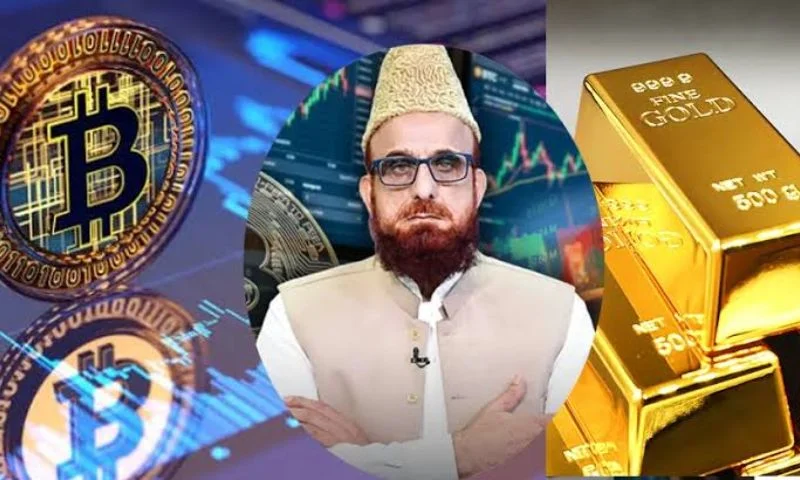
Is cryptocurrency halal? Mufti Muneeb’s latest remarks add a new twist
Pakistan’s debate over cryptocurrency and Islamic finance has entered a new phase after senior religious scholar Mufti Muneeb-ur-Rehman clarified that he has not issued a final ruling declaring cryptocurrency either permissible or impermissible. His remarks have resurfaced as policymakers, scholars and investors continue discussing the future of digital assets in the country. During a recent interview on Islamic investments, Mufti Muneeb advised Muslims to invest only in businesses that comply with Shariah principles. He urged people to avoid investments linked to alcohol, pork, narcotics and other prohibited sectors. The scholar explained that today’s financial markets are highly complex. Therefore, Islamic scholars use Shariah screening criteria to determine whether an investment complies with Islamic principles. Mufti Muneeb explains his position Mufti Muneeb also addressed gold trading. He said certain forms of gold trading practiced today are not permissible under Islamic teachings. At the same time, he clarified that he has not issued a definitive religious verdict on cryptocurrency. Instead, he believes the subject requires detailed technical and Shariah examination before scholars reach a final conclusion. His comments have added another perspective to Pakistan’s ongoing debate over digital assets. Mufti Taqi Usmani’s fatwa shapes discussion The conversation intensified after renowned Islamic scholar Mufti Muhammad Taqi Usmani issued a detailed fatwa on cryptocurrency. The fatwa declared cryptocurrency trading, crypto tokens and stablecoins impermissible in their current form. It stated that these digital assets do not meet the Shariah definition of “maal” or wealth. For that reason, their trading and use for payments remain impermissible under Islamic law. Darul Ifta at Darul Uloom Karachi issued the ruling. Read More: Pakistan Could Hit $50 Billion Remittances With Crypto Legalisation The fatwa generated widespread discussion among investors, technology experts and policymakers. Some welcomed the religious guidance. Others argued that blockchain technology covers many different types of digital assets that require separate analysis. Regulator calls for separate evaluations Following the fatwa, Pakistan Virtual Assets Regulatory Authority Chairman Bilal Bin Saqib met Mufti Taqi Usmani to discuss digital assets. After the meeting, Bilal said blockchain based assets should not all receive the same treatment. He argued that cryptocurrencies, stablecoins and tokenised real world assets deserve separate technical and Shariah evaluations instead of a blanket ruling. Bilal also stressed the importance of continued dialogue between religious scholars, regulators and industry experts. He said cooperation would help Pakistan develop a regulatory framework that protects investors while remaining consistent with Islamic principles. Mufti Muneeb’s remarks have now added another important voice to the national discussion. Pakistan continues working on its digital asset framework through the Pakistan Virtual Assets Regulatory Authority. At the same time, scholars continue examining the religious status of emerging financial technologies. The debate remains open as regulators and Islamic experts seek greater clarity on the role of non fiat digital assets.
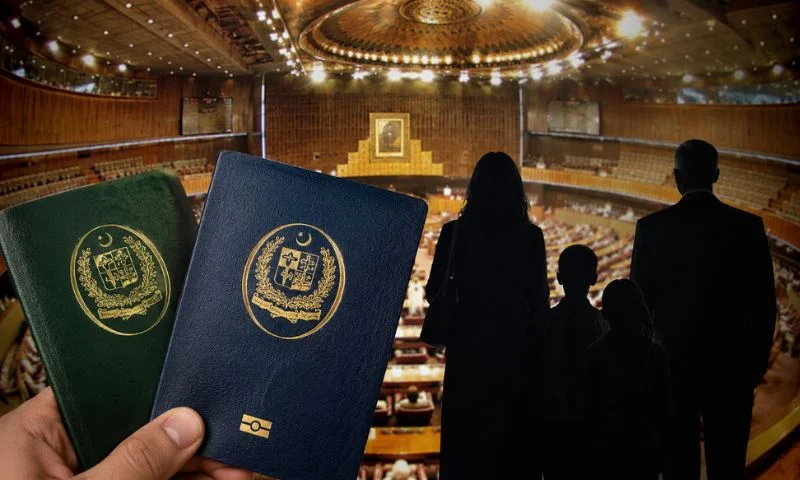
Pakistan’s proposed blue passport bill facing intense backlash
A proposed law allowing dependent children of former members of parliament to receive official blue passports has sparked strong criticism across Pakistan. Politicians, journalists and academics argue the move expands elite privileges while ordinary citizens continue to struggle with economic challenges. The controversy erupted after the Senate Standing Committee on Interior and Narcotics Control approved the Members of Parliament (Salaries and Allowances) (Amendment) Bill, 2026. Senator Mohammad Abdul Qadir introduced the private member’s bill. Read More: Overseas Pakistanis Send Record $41.6 Billion Home in FY26 If Parliament passes the legislation, former lawmakers, their spouses and dependent children under the age of 28 will qualify for official blue passports. The proposal would place them on par with retired Grade 22 government officers and their dependent children. Interior Ministry distances itself Minister of State for Interior Tallal Chaudhry said he opposed the proposal during the committee meeting. He also urged members to first consult the federal cabinet and other stakeholders before moving ahead. “Despite my reservations, the Senate & Standing Committee on Interior proceeded with its decision to pass the bill,” he said. I opposed the passport bill when it was presented in the Senate and reiterated yesterday that it should first be discussed with the Cabinet and relevant stakeholders. Despite my reservations, the Senate & Standing Committee on Interior proceeded with its decision to pass the… https://t.co/HjKUtcUfru — Senator Tallal Chaudry (@TallalPMLN) July 11, 2026 The Interior Ministry had also raised concerns during earlier discussions on the proposal. Officials questioned whether extending blue passport privileges beyond serving officeholders was appropriate. The bill must still secure approval from both houses of Parliament before becoming law. Political leaders and experts react The proposal quickly drew widespread criticism on social media. Senior PML-N leader Khawaja Saad Rafique compared it to the recently debated privileges bill in the Khyber Pakhtunkhwa Assembly. “Until the extraordinary privileges enjoyed by politicians, bureaucrats, higher judiciary, and senior military officers are brought to an appropriate level, injustice will continue to gnaw at society like termites, fostering social discord and public unrest,” he wrote on X. ابھی لوگ خیبر پختونخواہ اسمبلی کی جانب سے موجودہ اور سابقہ اراکین اسمبلی اور ان کے اھل خانہ کیلئے آفیشل بلیو پاسپورٹ سمیت مختلف مراعات کی منظوری کے صدمے سے باھر نہیں نکلے تھے کہ سینٹ کی ایک قائمہ کمیٹی نے سابق پارلیمینٹیرینز اور انکے اھل خانہ کیلئے بلیو پاسپورٹ کی سفارش کر دی… — Khawaja Saad Rafique (@KhSaad_Rafique) July 11, 2026 Journalist Fahd Husain called the bill “shameless”. He said it reflected the widening trust deficit between “elite politicians” and ordinary Pakistanis. Digital policy expert Habibullah Khan agreed. “Our ordinary passport is laughed at because of their inability to make policies and pass reforms to generate wealth in this country and spread it equitably.” He added that the bill would allow lawmakers to “bypass the consequences of their incompetence”. ابھی لوگ خیبر پختونخواہ اسمبلی کی جانب سے موجودہ اور سابقہ اراکین اسمبلی اور ان کے اھل خانہ کیلئے آفیشل بلیو پاسپورٹ سمیت مختلف مراعات کی منظوری کے صدمے سے باھر نہیں نکلے تھے کہ سینٹ کی ایک قائمہ کمیٹی نے سابق پارلیمینٹیرینز اور انکے اھل خانہ کیلئے بلیو پاسپورٹ کی سفارش کر دی… — Khawaja Saad Rafique (@KhSaad_Rafique) July 11, 2026 Journalist Iftikhar Firdous described the proposal as an attempt to secure “foreign escape routes”. “If you don’t have skin in the game, you shouldn’t be deciding its future,” he wrote. Journalist Arifa Noor also questioned the need for the privilege. “Why do parliamentarians’ kids under the age of 28 need diplomatic passports?” One of the first priorities for far too many in Pakistan’s political elite is securing blue passports and foreign escape routes. That mindset says everything.Pakistan deserves leaders whose futures are invested here, not parked in offshore accounts while asking the world to… https://t.co/hcgZ2qhZxZ — Iftikhar Firdous (@IftikharFirdous) July 11, 2026 Debate over elite privileges intensifies Historian Ilhan Niaz argued that only serving officials should hold official or diplomatic passports. “Honour lies in declining privileges, not in exercising them or expanding their scope,” he wrote. The correct decision would be to eliminate the use of all official, diplomatic, passports for everyone except for actual officials. Honour lies in declining privileges, not in exercising them or expanding their scope. https://t.co/2sYdYmmHMI — Ilhan Niaz (@IlhanNiaz) July 11, 2026 Television host Amir Zia echoed that view. Blue passports “should only be for officials on diplomatic assignments and that too only until their term lasts,” he said. He added that extending the facility to lawmakers and their families amounted to “a form of corruption” that undermined democracy. Blue Pakistani passports should only be for officials on diplomatic assignments — and that too only until their term lasts. Why should every MNA, MPA & senator along with their families get them? This is also a form of corruption. These undue privileges undermine democracy. — Amir Zia (@AmirZia1) July 11, 2026 LUMS sociology professor Umair Javed said the proposal reflected a broader culture of privilege within the state. Business journalist Khaleeq Kiani wrote, “Pakistani nationality should be cancelled of those ashamed of green passport and seeking blue ones.” He added that the green passport represented national pride and deserved respect. Pakistani nationality should be cancelled of those ashamed of green passport and seeking blue ones. Green passport is a sign national pride. If you don’t respect it, don’t expect outsiders will — Khaleeq Kiani (@KhaleeqKiani) July 12, 2026 Former Citigroup executive Yousuf Nazar also criticised lawmakers. He said they remained focused on “their privileges, perks, and powers”. The next step would be to extend the privilege of blue passport to the neighbours of parliamentarians. These people are just concerned with their privileges, perks, and powers. We don’t need such parliamentarians. https://t.co/mJWsRxzjQL — Yousuf Nazar (@YousufNazar) July 11, 2026 The bill has reignited debate over official privileges in Pakistan. Critics say Parliament should focus on reforms that benefit citizens instead of expanding perks for political elites. Supporters argue the proposal simply extends benefits that retired senior civil servants already
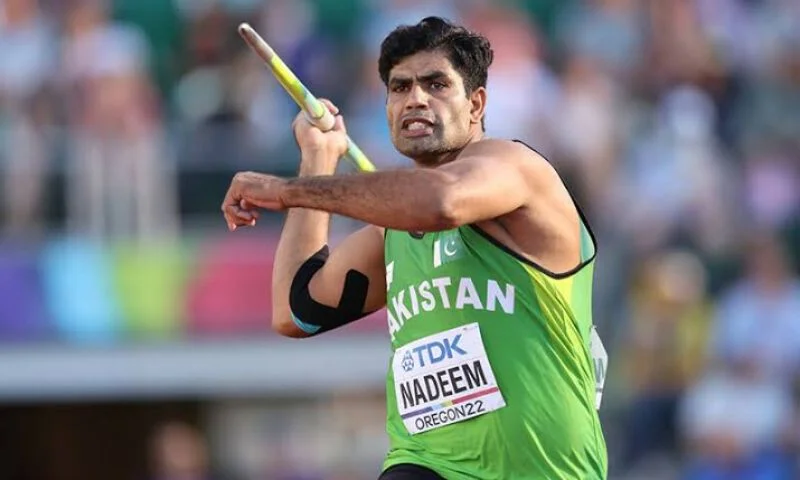
Arshad Nadeem Eyes Commonwealth Gold After Olympic Glory
Pakistan’s Olympic champion Arshad Nadeem says he is ready to defend his Commonwealth Games title later this month. The 29 year old believes his preparations have gone well. He also expects a tough challenge in Glasgow. Arshad will leave for Switzerland on Monday. He will compete in an international event before travelling to Scotland. The Commonwealth Games will take place from July 23 to August 2. Glasgow will host a compact edition of the Games featuring 10 sports. Athletics remains one of the biggest attractions. Switzerland event to test preparations Speaking after his final training session at Punjab Stadium in Lahore, Arshad explained why he always competes before a major championship. “I am going to feature in an event in Switzerland before a major competition like the Commonwealth Games. I participate in an event before any big contest, which gives me an idea about my strength and preparation [for the forthcoming major event].” The Mian Channu born athlete believes the competition helps him judge his form. It also gives him confidence before a major tournament. Arshad enters the Games as one of Pakistan’s strongest medal hopes. His 92.97 metre throw at the Paris Olympics in 2024 remains both the Olympic and Asian record. That effort also earned Pakistan its first individual Olympic gold medal in athletics. Defending champion embraces pressure Arshad won the Commonwealth Games gold in Birmingham in 2022. He set a Games record with a throw of 90.18 metres. Now he wants to repeat that success in Glasgow. “Four years after I broke the Commonwealth Games record in 2022, I remain in the same position. There is also pressure [on me] that I have been the champion for four years and now I will need to again do well [to retain the title].” Read More: Arshad Nadeem Honoured as Global Breakthrough Athlete at Dubai Sports Summit The star athlete admitted that defending a title brings extra expectations. However, he believes handling pressure is part of elite sport. “There is always pressure while entering the field, only then that pressure has to be controlled.” Pakistan has named Arshad in its 36 member squad for the Games. He will lead the country’s medal hopes in athletics. Tough competition awaits in Glasgow Arshad expects stronger competition than ever before. He pointed to the recent performances of several international rivals. “[Recently], Sri Lankan javelin thrower Rumesh Tharanga made an impressive throw of 86.57 metres at the Ostrava Golden Spike meet. So, I strongly feel that the competition in Glasgow will be tough this time [too] but I am prepared for it.” Fans also hope to see another chapter in Arshad’s rivalry with India’s Neeraj Chopra. Their contests have become some of the biggest events in world javelin. Arshad became the first Pakistani athlete to qualify directly for the 2024 Olympic Games. He later made history by winning Olympic gold in Paris. Now he has another chance to add to his remarkable achievements. A successful title defence in Glasgow would further strengthen his legacy as one of Pakistan’s greatest athletes.
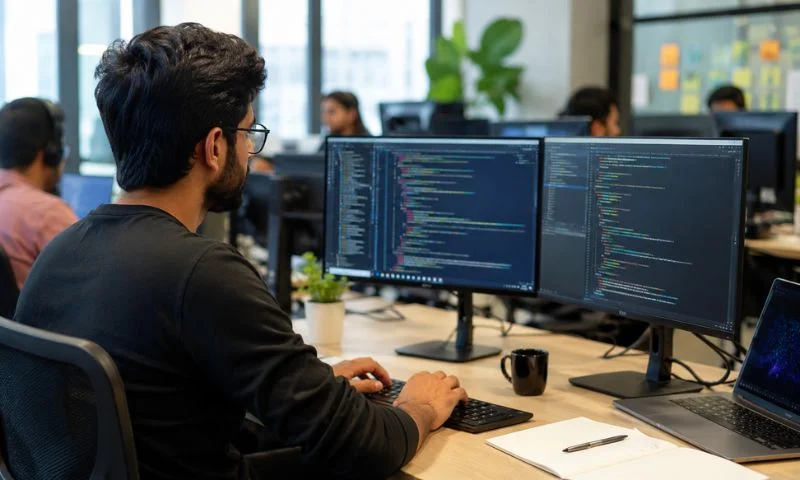
Pakistan’s IT exports keep breaking records with $4.5bn in FY26
Pakistan’s information technology sector recorded another milestone in fiscal year 2025-26, with exports of IT products and services rising to more than $4.5 billion as companies expanded into new international markets and demand for digital services remained strong. The latest export figure marks a sharp increase from $3.475 billion in FY25, extending the sector’s uninterrupted growth throughout FY26. The performance reflects growing global demand for Pakistani technology services and the industry’s continued push to diversify beyond its traditional dependence on North American and European clients. Government officials had projected earlier this year that IT exports would exceed the $4.5 billion mark, driven by higher software exports, rising freelance earnings, and growing international demand for Pakistani digital talent. Asia-Pacific emerges as a key growth market One of the biggest shifts during FY26 was the increasing expansion of Pakistani small and medium-sized businesses into Asia-Pacific markets, particularly Japan and Singapore. The move reduced the industry’s long-standing reliance on customers in the United States and Europe while opening new revenue opportunities across fast-growing digital economies. Read More: Copper’s Global Boom Is Here: Can Pakistan Turn Reko Diq Into a Billion Dollar Export Engine? Beyond conventional software development, Pakistani firms also strengthened their presence in high-growth segments such as Business Process Outsourcing (BPO), Software-as-a-Service (SaaS) and gaming. Industry participants attribute this growth to Pakistan’s young workforce, competitive operating costs and an expanding pool of skilled technology professionals. Earlier government data showed ICT export remittances reached $3.38 billion during the July to March period of FY26, up 19.7 percent from the same period a year earlier. Freelancer earnings also climbed significantly, highlighting the growing contribution of Pakistan’s digital workforce to foreign exchange inflows. Payoneer highlights need for stronger payment infrastructure Commenting on the sector’s performance, Nagesh Devata, Senior Vice President and Head of APAC at Payoneer, said the sustained growth reflected the industry’s ability to win clients across multiple regions. “The sustained growth reflected continued global demand for Pakistan’s digital services and an increasing focus by the industry on developing diversified revenue streams across multiple international markets.” He added: “Expanding into the Asia-Pacific region also required businesses to adapt to different local payment ecosystems, making reliable cross-border financial infrastructure increasingly important for exporters.” According to the company, Payoneer is expanding support for Pakistani exporters by offering multi-currency payment capabilities that allow businesses to receive and manage payments in major international currencies, including the US dollar, euro, British pound, Canadian dollar, Australian dollar, Japanese yen and Singapore dollar. Digital economy gains momentum The strong export performance reinforces the IT sector’s role as one of Pakistan’s fastest-growing sources of foreign exchange earnings at a time when the country is seeking to strengthen exports and accelerate digital transformation. The government has also introduced initiatives through the Pakistan Software Export Board (PSEB) to promote local technology companies, strengthen international partnerships and attract foreign investment. These efforts include showcasing Pakistan’s capabilities across more than 30 technology sectors and expanding business links with overseas markets, particularly in Asia. With companies broadening their global footprint and new markets contributing to export growth, industry stakeholders expect Pakistan’s digital economy to remain one of the country’s strongest-performing sectors in the coming years.
