

BankIslami Pakistan Limited has announced major leadership changes, appointing Shahid Hussain Jatoi as chairman of its Board of Directors and naming Imran Haleem Shaikh as its incoming president and chief executive officer. The newly elected board made the decisions at its first meeting on August 10, according to disclosures submitted to the Pakistan Stock Exchange. Jatoi will serve as chairman for a three-year term starting immediately. “We wish to inform you that the newly elected Board of Directors of the bank, at its first meeting held on August 10, 2026, appointed Shahid Hussain Jatoi as Chairman of the Board, effective August 10, 2026, for a term of three years,” the bank said in its PSX notice. Jatoi takes charge of BankIslami board Jatoi brings extensive experience in law, taxation and public administration to the role. BankIslami says he holds an LLB degree from the University of Karachi. He spent more than 35 years serving in key Government of Pakistan institutions. His career includes senior positions at the Federal Board of Revenue and the Ministry of Finance and Revenue. He also worked with the Ministry of Production, Establishment Division, Overseas Pakistanis Division and Federal Investigation Agency. BankIslami trades on the Pakistan Stock Exchange under the symbol BIPL. Rizwan Ata to complete current term The board also confirmed that Rizwan Ata will remain president and CEO until his existing three-year term ends on September 28, 2026. “The Board recognised and appreciated the efforts of Rizwan Ata,” BankIslami said in a separate notice. Read More: Bank of Punjab Clears Key Hurdle for Overseas Expansion Ata has led the bank during his current term while Imran Haleem Shaikh has served as deputy CEO. BankIslami’s recent corporate disclosures and financial reports identify Shaikh in that senior management position. The planned succession gives the bank a transition period of several weeks before the new chief executive takes office. Imran Shaikh set to become president and CEO The board appointed Shaikh as incoming president and CEO for a three-year term beginning September 29, 2026. His appointment still requires approval from the State Bank of Pakistan. “The appointment of Imran Haleem Shaikh is subject to the requisite regulatory clearance from the State Bank of Pakistan (SBP),” the bank said. BankIslami incorporated as a public limited company in Pakistan in 2004. Jahangir Siddiqui & Company Limited and the Randaree family founded the institution, while Dubai Bank joined as a founding shareholder in 2005. Read More: HugoBank Gets SBP Approval to Begin Pilot Operations The State Bank granted BankIslami a licence under Pakistan’s Islamic banking framework. The institution formally started banking operations on April 7, 2006. The latest appointments therefore mark an important leadership transition as the bank enters its third decade of operations. Jatoi takes control of the board immediately, while Ata will continue running the institution until late September. Shaikh will then assume executive leadership, provided he receives the required SBP clearance.

PCB Opens National Champions Cup 2026 to Fans for Free
Cricket fans will get free entry to all matches of the National Champions Cup 2026, which begins on August 11 at the Multan Cricket Stadium. The Pakistan Cricket Board announced the free-entry initiative through the tournament’s official social media campaign. Fans will not need to purchase tickets to watch the seven-match competition. The tournament will run from August 11 to 18 and launch Pakistan’s 2026-27 domestic cricket season. All matches will take place under lights, with play starting at 3pm local time. Four teams to battle for inaugural title The 50-over List-A competition features Pakistan Greens, Pakistan Whites, Pakistan Blues and Pakistan Gold. Each team will play the other three sides once in a single round-robin league. The two highest-ranked teams will then contest the final on August 18. Pakistan Greens will face Pakistan Whites in the tournament opener on August 11. After that, Pakistan Blues meet Pakistan Gold the following day. Pakistan Blues face Pakistan Whites on August 13, while Pakistan Gold play Pakistan Greens on August 14. Then, Pakistan Blues meet Pakistan Greens on August 15. The final league match pits Pakistan Gold against Pakistan Whites on August 16. Read More: Which Teams Will Play Cricket at LA28? ICC Reveals the Full Plan The PCB has appointed some of Pakistan’s leading international players as captains. Shadab Khan will lead Pakistan Greens, while Saim Ayub captains Pakistan Whites. Sahibzada Farhan will lead Pakistan Blues, while fast bowler Shaheen Shah Afridi takes charge of Pakistan Gold. Selectors turn attention to 2027 World Cup The national selection committee has named fixed playing XIs for each of the four teams. The PCB says it has also created a 13-player tournament reserve pool. Teams can bring in a player from the reserve pool only in cases of injury or concussion. The reserves will remain with the teams during training sessions and on match days. The PCB selected the 44 players across the four teams with the ICC Men’s Cricket World Cup 2027 firmly in mind. Aqib Javed, PCB Director High Performance and a member of the men’s national selection committee, said the event would “provide ample playing opportunities to our best available pool of players for ICC Cricket World Cup 2027 preparations.” The competition gives selectors a concentrated week of 50-over cricket to assess established internationals and emerging domestic players. Free entry aims to bring fans closer to domestic cricket The decision to allow spectators free entry gives Multan fans access to several prominent Pakistan players without ticket costs. Fakhar Zaman, Naseem Shah, Haris Rauf, Hasan Ali, Mohammad Nawaz and Mohammad Wasim Jr are among the notable players selected. Several players had already started arriving in Multan by August 9 as preparations intensified for the tournament. Read More: PCB Names Michael Smith as Pakistan’s New Batting Coach The opening match between Pakistan Greens and Pakistan Whites starts at 3pm on August 11. The same starting time applies to every league match and the August 18 final. With free entry, national stars and World Cup selection plans all coming together, the National Champions Cup will serve as an important early test of Pakistan’s 50-over depth ahead of the 2027 global tournament.

Tiggo 7, 8 and 9 PHEV Discounts Extended in Pakistan
Chery has extended promotional prices for its Tiggo plug-in hybrid SUV range in Pakistan, allowing buyers to save as much as Rs1.5 million on selected models. According to a company notification dated August 7, the offer covers the Tiggo 7 PHEV, Tiggo 8 PHEV and flagship Tiggo 9 PHEV. Chery has not announced a new expiry date, and availability depends on remaining stock. The move follows last month’s price revision after changes in sales tax increased the cost of hybrid vehicles. Chery initially absorbed part of the additional tax burden rather than passing the full increase to customers. That relief was originally scheduled to end on July 31. Buyers can save up to Rs1.5 million Under the extended promotion, the Tiggo 7 PHEV costs Rs9,999,000. Its full revised price stands at Rs10,949,000, giving buyers a saving of Rs950,000. The Tiggo 8 PHEV remains available for Rs11,499,000 instead of Rs12,999,000. That represents the biggest saving in the lineup at Rs1.5 million. Chery has priced the Tiggo 9 PHEV at Rs14,299,000 under the promotion. Its full post-promotion price is Rs15,749,000, giving customers a saving of Rs1.45 million. PakWheels reported that Chery will continue absorbing part of the increase for now. The company says the extended offer operates on a “first-come, first-served basis” and applies only to limited stock. Tax changes pushed Chery prices higher The discounts follow a major change in Pakistan’s tax treatment of hybrid vehicles. The concessional sales-tax regime ended from July 1, pushing the applicable rate higher and prompting automakers to review prices. Business Recorder reported in July that the government was considering reducing sales tax on hybrid vehicles from 25% to 18%. Read More: Chery Tiggo 8 PHEV Price Rises After Introductory Offer Ends in Pakistan Chery announced its revised prices on July 23 but softened the immediate impact through its price-absorption offer. At that stage, the promotional prices were valid only until July 31. Chery Pakistan’s official website currently lists the Tiggo 7 PHEV, Tiggo 8 PHEV and Tiggo 9 PHEV in its product lineup. Limited-stock offer has no new deadline The latest extension gives buyers another chance to purchase the three plug-in hybrid SUVs below their full revised prices. However, Chery has not provided a fixed closing date. The promotion could therefore end once the allocated stock sells out. Once Chery withdraws its price support, customers are expected to pay the full revised prices. The difference ranges from Rs950,000 on the Tiggo 7 PHEV to Rs1.5 million on the Tiggo 8 PHEV. Read More: Chery Tiggo 8 PHEV Price, Range & Features: What You Need to Know The decision comes as competition in Pakistan’s electric and plug-in hybrid market grows. Reuters has reported rising demand and expanding investment by Chinese automakers in Pakistan’s electrified vehicle sector. For Chery, extending the promotion could help protect demand after the tax-driven price increase while keeping its Tiggo PHEV range competitive.

Pakistan Plans Major Oil Storage Reform to Reduce Supply Risks
Pakistan plans to open its petroleum storage sector to international suppliers under a new customs-bonded framework. The government hopes the move will strengthen energy security and turn the country into a regional fuel storage and trading hub. The Petroleum Division has sent the 168-page Policy Guideline on Import on Foreign Suppliers’ Account through Customs Bonded Storage Facilities-2026 to the Economic Coordination Committee for approval. The framework covers crude oil of all grades, motor spirit, high-speed diesel, jet fuel, fuel oil, LPG and LNG. Proposed storage locations include Port Qasim, KPT/Kemari, Hub, Gwadar, Mahmood Kot and Machike Sheikhupura. Regulatory and safety approvals would still apply. Foreign suppliers could store, sell or re-export fuel Under the proposal, international suppliers could bring petroleum into Pakistan and place it in bonded storage without immediately paying domestic duties and taxes. They could later sell the fuel locally or re-export it when market conditions become more attractive. Suppliers could operate through a registered liaison office, local branch or incorporated company acting as consignee. That entity could build dedicated storage or use licensed public and private facilities. Read More: Pakistan Restricts Gas to Factories as Middle East War Disrupts Energy Flow The policy targets suppliers from major producing countries, including Saudi Arabia and Kuwait. Pakistan has also discussed storage cooperation with Saudi Arabia, Kuwait and Qatar as it searches for stronger supply arrangements. Foreign suppliers would retain the right to re-export their stocks, except for sanctioned goods or items on the applicable Negative List. Pipeline access could move stocks inland The framework would allow bonded petroleum to travel through Pakistan’s pipeline network without triggering tax merely because the fuel changes location. Suppliers could move stocks from ports to approved inland storage facilities, including Mahmood Kot and Machike Sheikhupura. Customs-supervised movements could also take place between bonded terminals, refineries, pipelines, ports and export facilities. The proposal aims to keep the system tax-neutral while products remain bonded. It says taxes, duties, levies, charges and cesses would apply only when fuel enters the domestic market. This could let suppliers position fuel closer to major consumption centres while preserving their export option. Energy security drives new policy push The 2026 proposal follows an earlier bonded-storage policy introduced in July 2023. The Petroleum Division still lists that framework among its official policy documents. However, no foreign supplier established bonded storage under the earlier policy, according to a June briefing reported by The Express Tribune. The government then began revising the framework after recent regional disruptions exposed weaknesses in Pakistan’s energy supply system. Reuters reported in May that Pakistan lacks strategic petroleum reserves and relies on the Strait of Hormuz for up to 90% of its oil and LNG imports. “Pakistan’s oil security requires both emergency reserves and stronger local supply capacity,” the Energy Ministry said. Read More: Turkiye to Begin Offshore Drilling in Pakistan for Oil and Gas Petroleum Minister Ali Pervaiz Malik also acknowledged the challenge, saying building reserves was “easier said than done” for a country facing tight fiscal constraints. If approved, the new framework could increase petroleum stocks physically available inside Pakistan. It could also reduce reliance on the timely arrival of individual cargoes during international supply disruptions.
This Self-Driving Toilet Comes to You When You Call It
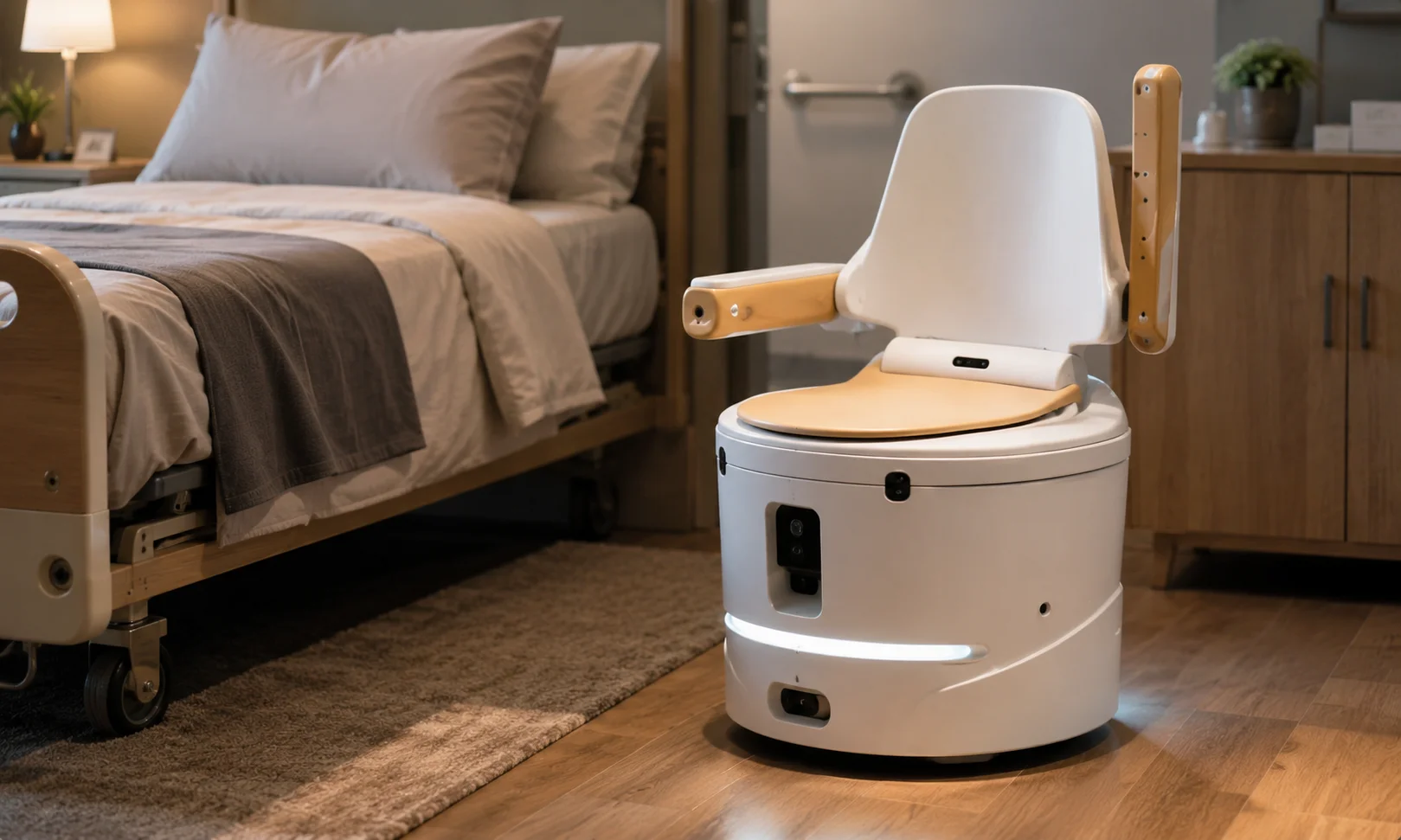
A Chinese technology company has unveiled an autonomous robotic toilet that can travel through a home and reach users when called, offering a new assistive solution for elderly people and those with limited mobility. Developed by Chinese company Yueban, the device is called Xiaoban. The company recently showcased it at the 2026 Shanghai International Elderly Care Expo, where its unusual combination of robotics and personal care attracted attention. Reports have placed its cost at around $4,000, equivalent to approximately Rs1.12 million in Pakistani currency. Other reports put its price in China at 28,999 yuan, or roughly $4,300. Global pricing and availability have not yet been confirmed. Robot toilet comes directly to the user Unlike a conventional toilet, Xiaoban can move autonomously through a home or care facility. Users can summon the robotic toilet through voice commands or a remote control. It then maps its route and travels directly to the user, including to a bedside. The robot uses LiDAR, laser technology and ultrasonic sensors for navigation. These systems help it detect walls, furniture, stairs and other obstacles while moving around a house. Its navigation works in a similar way to technology already used in advanced robot vacuum cleaners and other autonomous home devices. The product primarily targets elderly people, disabled users and those who struggle to walk independently to a bathroom. However, the device may not completely eliminate the need for assistance. Some people with serious mobility limitations could still require help transferring onto the toilet seat. It washes, dries and cleans itself Xiaoban offers more than autonomous movement. The robotic toilet includes a built-in automatic waste management system. It also provides warm-water washing and warm-air drying functions for users. Filters help reduce unpleasant odours and maintain cleanliness after use. The toilet can also clean itself automatically, reducing the amount of manual maintenance required. Read More: Your Phone May Be Dirtier Than a Toilet Seat. Here’s Why Reports say the system can use ultraviolet technology for sterilisation as part of its self-cleaning process. After use, Xiaoban can independently return to its charging station. If the docking station connects to household plumbing and drainage, the robot can empty waste automatically. It first processes the waste to reduce the risk of pipe blockages. The docking station can also refill its water supply and recharge the battery for the next use. Where direct drainage is unavailable, reports suggest the robot can travel to a conventional bathroom and transfer waste into a normal toilet. Technology targets growing elderly care needs The product arrives as China faces growing demand for elderly care and assistive technology. More than 320 million people in China were aged 60 or above by the end of 2025, accounting for around 23% of the population, according to Chinese government figures. That number could exceed 400 million in the coming years, increasing pressure on families, hospitals and elderly care facilities. Read More: Chinese EV Maker Patents Voice-Controlled Toilet Hidden Under Car Seat Xiaoban does not replace professional caregivers, especially for people who require physical assistance. However, its autonomous movement, cleaning and waste disposal systems could make everyday care easier. The robotic toilet also highlights how technologies associated with autonomous vehicles and home robots are increasingly moving into healthcare and assisted living.

Gen Z Is Bringing Back Old Tech, But Why Now?
Older digital technology is making an unexpected comeback in 2026, with digital cameras, iPods and wired earphones gaining fresh popularity among younger users seeking simpler experiences. eBay told the BBC that UK sales of iPods and Walkman portable audio players rose by nearly 50% in 2025. Searches for iPod minis increased 48% over the past year. Camera industry figures also show renewed demand. The Camera and Imaging Products Association said worldwide digital camera shipments reached 9.44 million units in 2025, up 11.2%. Built-in lens camera shipments jumped 29.6% to 2.44 million. Digital cameras offer a different look For 26-year-old South Wales content creator Lily Redman, digital cameras offer something smartphones do not. They “capture a quality that my phone just can’t replicate”, she said. Redman takes a digital camera to concerts and nights out. She says phone flash “is grainy and too high definition” compared with the “more smooth” result from a digital camera. “I think people are looking for a bit of grit or something that feels a bit more real,” she said. Read More: Wired Headphones Make a Comeback as Health Concerns and Sound Quality Debate Grow Part of the appeal comes from waiting to see pictures later instead of instantly reviewing and editing them on a smartphone. “Phone photos have warped our perception of time,” Redman said. The BBC also cited a market research estimate of 42 million active film-camera users worldwide. More than one-third were aged between 18 and 30. iPods bring back simpler listening Early MP3 players are enjoying a similar revival. Refurbished technology marketplace Back Market said iPod sales rose 48% between 2024 and 2025. The Associated Press has also reported growing secondhand demand among younger consumers seeking focused listening without smartphone distractions or algorithm-driven playlists. Cheri Sanih, 30, runs a Tumblr account dedicated to older technology. Her mint green iPod reminds her of “simpler times” and offers a way to “bury into escapism”. “My phone is always getting notifications and sometimes I just want to be outside, blissfully listening to music,” she said. Wired earphones find new fans Wired headphones are also returning. Bristol social media manager Monique Wellman-Mason, 23, switched after repeatedly losing wireless earbuds. She likes their clear microphone, constant connection and low price of around £20, despite having to untangle the cable. “Technology only goes up and we’re always looking for the quickest thing but this is a step back in a way – I love it,” she said. Read More: US Youth Turn to Digital Detox to Improve Sleep and Reduce Anxiety Oxford University professor Andrew Przybylski sees a deeper reason behind the trend. He says it reflects “people’s desire on a very deep level to be in control of their experiences”. Older devices require deliberate choices, such as selecting an album or adjusting a camera. That differs from modern platforms that continuously recommend content. For some consumers, those limits are now part of the attraction. The comeback suggests convenience is no longer the only priority. Simplicity, ownership and greater control over digital experiences are becoming part of the appeal too.

HBFCL Back on the Privatisation List as Govt Seeks Better Offer
The government has launched a second attempt to privatise House Building Finance Company Limited, appointing a KPMG-led consortium as financial adviser for the proposed transaction. The Privatisation Commission signed a Financial Advisory Services Agreement with the consortium to take the process forward. The group includes KPMG, Bridge Factor, Haidermota & Co., HRSG and Asiatic Public Relations. Under the agreement, the advisers will conduct due diligence, value HBFCL and recommend an optimal transaction structure. They will also help market the mortgage lender to investors and support the commission during execution. “The consortium brings together established expertise in financial advisory, transaction structuring and execution to support the Privatization Commission in taking the HBFCL privatization process forward,” the commission said. Why the first HBFCL sale failed The renewed effort follows the failure of the government’s previous HBFCL privatisation process earlier this year. Pakistan Mortgage Refinance Company Limited was the only pre-qualified bidder. It offered Rs4.2 billion for a 51% stake, against a reference price of Rs13.55 billion approved by the Cabinet Committee on Privatisation. The Privatisation Commission rejected the offer because it fell below the approved reference price. It later recommended terminating the negotiated sale and restarting HBFCL’s privatisation with a new financial adviser. The Cabinet Committee on Privatisation subsequently endorsed a second privatisation cycle for HBFCL. The government then launched a fresh process to hire an adviser. HBFCL plays key role in housing finance HBFCL is Pakistan’s oldest specialised housing finance institution. It started operations in 1952 and became an unlisted public limited company in 2007. The State Bank of Pakistan currently holds a 90.31% stake in HBFCL. The Ministry of Finance owns the remaining government shareholding. The lender provides financing for customers seeking to buy or construct residential properties. Its future remains important because Pakistan’s formal housing finance market has considerable room to expand. The Privatisation Commission has previously said HBFCL holds a portfolio of around Rs18 billion and serves about 14,000 active borrowers. It also highlighted the company’s significant growth potential. Govt eyes private investment and wider mortgage access The government expects private-sector participation to improve HBFCL’s management, governance and operational performance while expanding access to mortgage financing. “The privatization of HBFCL is expected to contribute to the development of Pakistan’s housing finance sector by leveraging private-sector expertise, improving governance and operational efficiency, and facilitating greater access to housing finance,” the Privatisation Commission said. Officials expect a stronger and more competitive HBFCL to improve financing opportunities for low and middle-income households. The institution also remains part of the government’s Privatisation Programme 2024-29. The new advisers will now work on due diligence, valuation, transaction structuring and investor outreach. The second attempt’s success will depend on attracting stronger competition and securing bids that better reflect the government’s valuation of the housing lender.
Motorola Launches Its Thinnest and Lightest 5G Tablet Yet
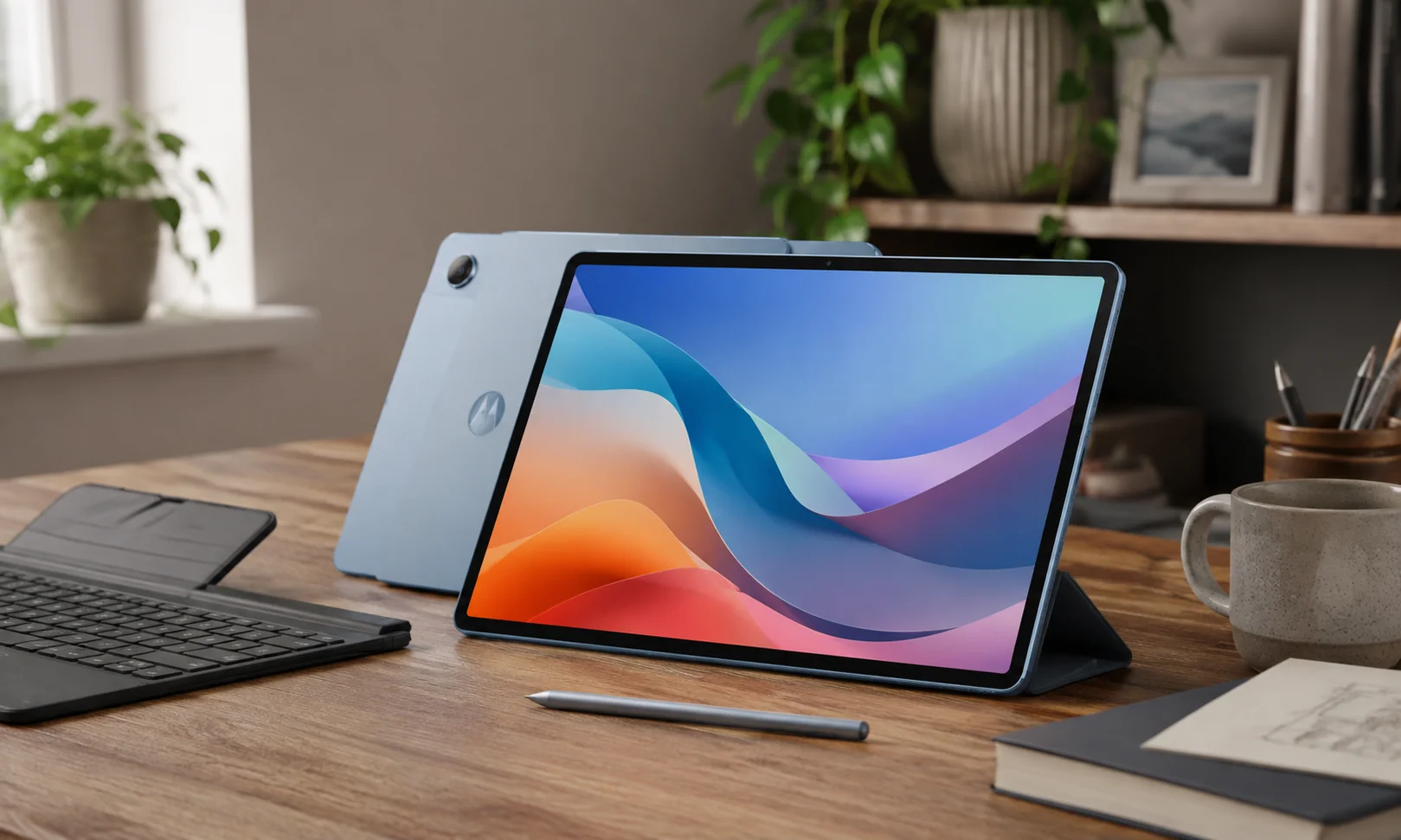
Motorola has expanded its tablet portfolio with the new Moto Pad 70, a 12.1-inch Android tablet aimed at users who want portability, productivity and entertainment in one device. The Moto Pad 70 joins the Moto Pad 70 Pro and Moto Pad 70 Groove in Motorola’s growing tablet lineup. Motorola is promoting the new device as its “thinnest and lightest 5G tablet”, with the company’s India website also calling it the segment’s thinnest and lightest 5G pad. Thin metal design with 2.5K display The Wi-Fi version measures just 6.29mm thick, while the 5G model measures about 6.49mm. Both weigh around 530 grams and use a metal body. Motorola offers the tablet in a single Pantone Sea Angel finish. Motorola has equipped the Moto Pad 70 with a 12.1-inch 2.5K LCD. It offers a 2,560 x 1,600 resolution, a 90Hz refresh rate and brightness of up to 800 nits in High Brightness Mode. Read More: Apple’s First Touchscreen MacBook Pro Set for 2026 Release The display also supports Motorola’s stylus, giving users another option for note-taking, drawing and productivity work. Motorola includes the Moto Pen with the tablet. Some configurations also support a keyboard accessory, which can turn the device into a more laptop-like workspace. Dimensity 6400, Android 16 and AI tools MediaTek’s Dimensity 6400 chipset powers the Moto Pad 70. Motorola pairs it with 8GB of LPDDR4X RAM. Buyers can choose between 128GB and 256GB of UFS 2.2 storage. A dedicated microSD card slot supports storage expansion of up to 2TB, giving users significantly more room for videos, documents and other files. The tablet runs Android 16 at launch even though Google has already released Android 17 for supported devices. Google made Android 17 available in June, while Motorola plans to bring the newer operating system to the tablet later. Motorola has also added AI-based productivity features. These include AI Rewrite, AI Summary and AI Continue Writing. AI Rewrite can rephrase text to improve clarity, tone and readability. Users can access some of these tools while working with the Moto Pen. Large battery, cameras and August 15 sale A 10,200mAh battery powers the Moto Pad 70. Motorola includes a 68W charger in the box, while the tablet supports fast charging. The device carries a 13MP rear camera and an 8MP front camera. It also features four Dolby Atmos-optimised speakers, dual microphones and voice calling support. Motorola gives the tablet an IP52 rating for protection against limited dust and water exposure. Read More: A Wider Fold? Samsung’s New Phone Could Redefine Foldables The Moto Pad 70 comes in 8GB/128GB and 8GB/256GB configurations. The original launch report cited a price of about $356 for the 256GB version. Motorola India, meanwhile, advertises the 5G model starting at ₹36,999. Sales will begin on August 15 through Motorola’s website and retail channels, including Flipkart. Motorola includes the Moto Pen, while the Moto Folio keyboard remains a separate accessory for applicable configurations.

US May End H-1B 60-Day Grace Period for Laid-Off Workers
The US Department of Homeland Security is advancing a proposal that could eliminate the 60-day grace period available to H-1B workers after they lose their jobs, raising concern among Indian technology professionals and immigrant families. The proposal reached the White House Office of Management and Budget on August 6 for regulatory review. OMB records list it as a proposed rule titled “Eliminating the Discretionary 60-day Grace Period.” The measure has not taken effect. DHS has also not publicly released the full proposed regulatory text, meaning important details could still change during the review process. What the current 60-day rule allows Current federal regulations protect eligible foreign workers from immediately falling out of status solely because their employment ends. The rule allows a grace period of “up to 60 consecutive days” or until the worker’s authorised stay expires, whichever comes first. It covers workers in E-1, E-2, E-3, H-1B, H-1B1, L-1, O-1 and TN classifications. Their dependants also receive protection under the existing provision. During this period, an eligible H-1B worker can seek another sponsoring employer or pursue a change of immigration status. Workers can also prepare to leave the United States if another option is unavailable. USCIS introduced the grace-period provision through regulations that took effect in January 2017. It was designed to give employment-based non-immigrants greater flexibility after an unexpected termination. Why H-1B workers and families are concerned Removing the grace period could make a sudden job loss an immediate immigration problem for many foreign professionals. An H-1B worker who loses employment may have much less time to secure another sponsor. The change could also complicate efforts to move into another eligible immigration category. The consequences could extend to families. H-4 spouses and children generally depend on the principal H-1B holder maintaining the underlying immigration status. The issue carries particular importance for Indian professionals, including thousands employed across the US technology sector. Indian workers have long represented a major share of the H-1B workforce. Employers could also face tighter timelines when recruiting foreign professionals who have recently lost sponsored jobs. However, the existing regulation already gives DHS discretion to shorten or eliminate the current 60-day period in individual circumstances. Has the H-1B grace period ended? No. The 60-day grace period remains in force as of August 10, 2026. OMB records show the proposal remains under review and carries no legal deadline. It is still at the proposed-rule stage. If DHS moves ahead, the proposal would normally need publication through the federal rulemaking process before any final regulation could take effect. The government could modify, delay or withdraw it before then. For now, eligible H-1B workers who lose their jobs can continue relying on the existing grace-period rules. The development nevertheless increases uncertainty for foreign professionals whose legal status depends on employment. Any eventual removal of the protection could sharply reduce the time workers have to find a new employer, change status or arrange their departure from the United States.
Air India Pilot Under Scrutiny After Mid-Air Plunge Injures 17
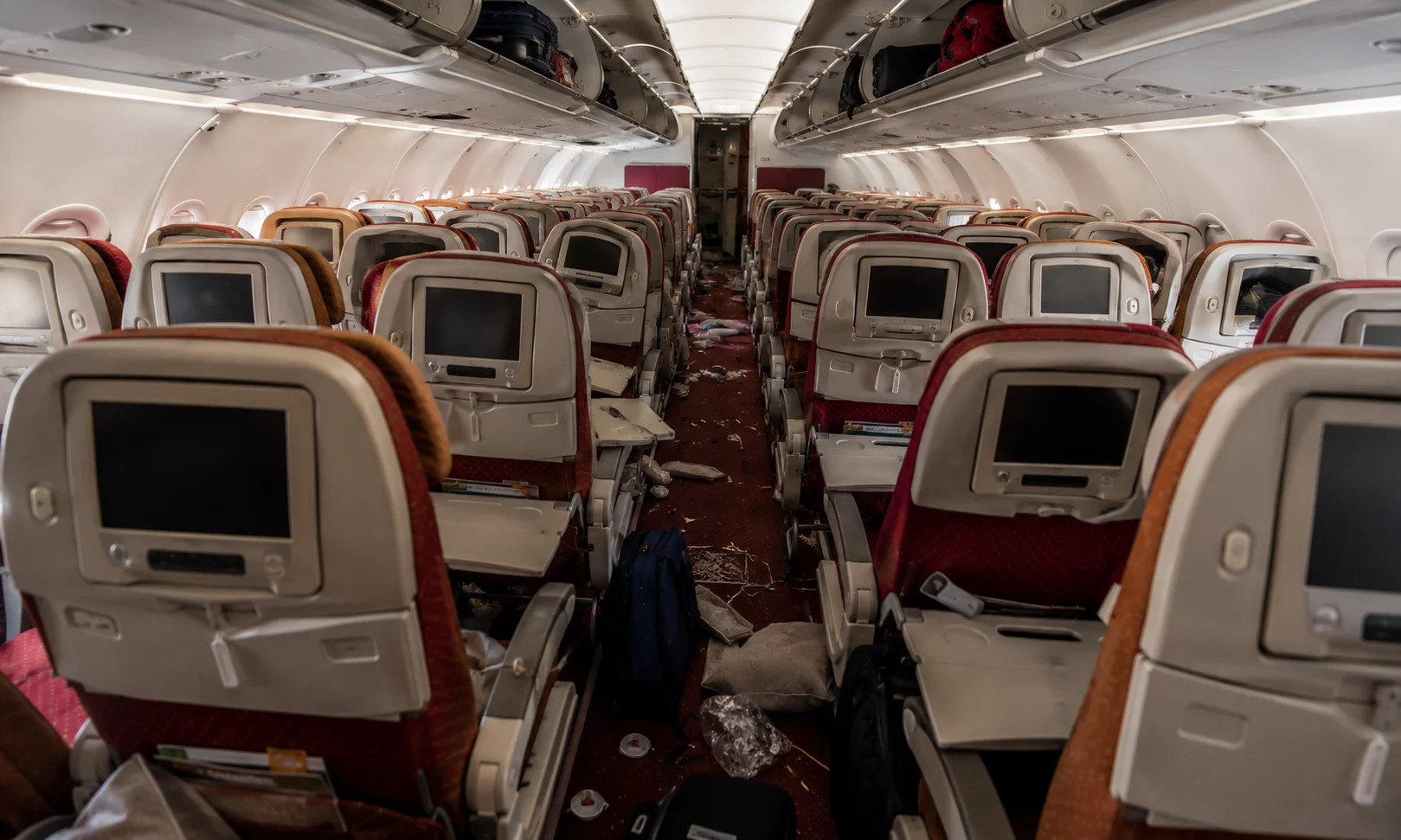
An Air India pilot faces a confirmatory psychoactive substance test after a Phuket-to-Delhi flight suddenly lost around 300 feet during cruise. The incident injured passengers and crew. The August 4 incident involved Air India flight AI2379, an Airbus A320 registered VT-EXO. It carried 137 passengers and eight crew members. The aircraft lost around 300 feet, or 91 metres, before the pilots stabilised it and continued safely to New Delhi. Air India flight classified as serious incident India’s civil aviation ministry said 17 passengers and crew suffered injuries during the episode. Eight passengers and four cabin crew members required hospital treatment after landing. Officials described their conditions as stable. Both pilots then underwent the standard “psychoactive substance screening test” required after such an occurrence. “The screening test in respect of the Pilot-in-Command (PIC) indicated a result requiring confirmatory testing,” the ministry said. “Samples have accordingly been sent to the designated laboratory for confirmatory analysis, and the final report is awaited.” Read More: Air India Hires Aviation Veteran Once Considered for PIA’s Top Job The ministry has not identified any substance that the initial screening may have indicated. The screening result does not amount to a confirmed positive finding. Authorities classified the occurrence as a “Serious Incident”. India’s Aircraft Accident Investigation Bureau, or AAIB, has opened an investigation. The Directorate General of Civil Aviation also removed both pilots from the flying roster. “Further action, as appropriate, will be taken based on the outcome of the investigation and confirmatory test results,” the ministry said. Videos from the aftermath showed cabin baggage scattered across the aisle. Some injured passengers left the aircraft on stretchers. Air India says test results not shared Air India confirmed on Sunday that authorities conducted a “post-flight screening test” on both pilots. The airline said officials had not shared the results with the company. It therefore declined to comment on any findings. Read More: India’s Railway Theft Case. The Most Stolen Item Will Surprise You Air India also said it regularly tests crew members for drugs under civil aviation regulations. The carrier said it would continue cooperating with authorities. Officials have not announced a final cause for the sudden altitude loss. The ministry also did not disclose what substance, if any, the initial screening indicated. New CEO takes charge amid wider challenges The incident adds to a difficult period for Air India. Tata Group took control of the airline in 2022 and launched a major overhaul. It ordered hundreds of aircraft and began upgrading the carrier’s ageing fleet. The airline has also faced aircraft delivery delays and disruption from airspace closures linked to the 2025 India-Pakistan conflict. Air India suffered its biggest recent setback in June 2025. Flight 171, a London-bound Boeing 787 Dreamliner, crashed shortly after taking off from Ahmedabad. The disaster killed 241 of the 242 people on board and 19 people on the ground. Air India appointed former Ethiopian Airlines chief Tewolde Gebremariam as CEO and managing director on August 5. The airline said his experience would support its continuing turnaround and expansion.
