

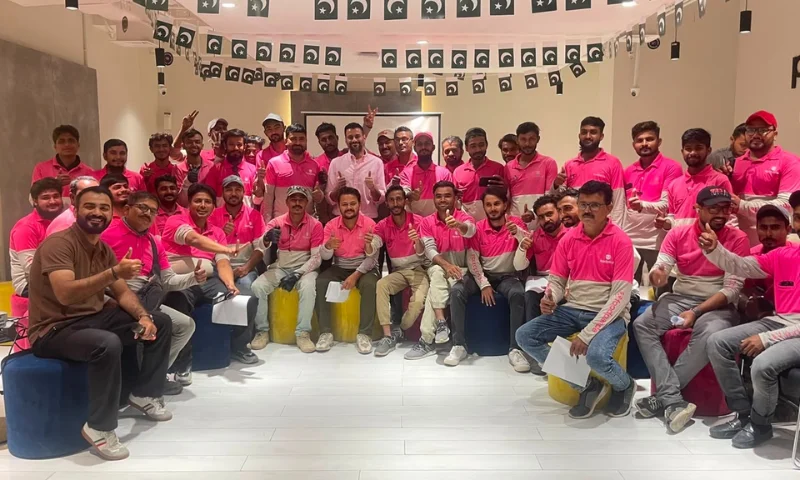
foodpanda has launched Panda Academy in Pakistan to provide its delivery fleet with continuous education, knowledge sharing and professional skills. The company announced the initiative on September 1. It said the programme would support riders’ personal development and longer-term career growth beyond flexible earning opportunities. Employees lead practical workshops Panda Academy connects foodpanda employees with delivery partners through interactive workshops. Staff members volunteer their expertise and share practical insights from their professional roles. The platform has already completed its first five sessions. It is now preparing a broader roadmap of modules led by volunteers from different departments. foodpanda did not disclose how many riders attended the initial sessions. It also gave no fixed timetable for the nationwide expansion. The employee-led format aims to turn internal knowledge into practical guidance for riders. Sessions focus on skills that participants can apply both during deliveries and in their personal lives. “At foodpanda, our delivery partners are at the core of everything we do, and our commitment to their wellbeing goes far beyond flexible earning opportunities,” said Ahsan Malik, Director Logistics at foodpanda. “The Rider Academy was created with the vision to boost personal and professional empowerment. By equipping our riders with practical skills, we are investing directly in their future and helping them build sustainable paths forward.” Financial, digital and wellbeing skills The curriculum includes money management and financial literacy. These sessions aim to help riders understand personal finances and develop sustainable saving habits. Separate modules cover digital tools and artificial intelligence. foodpanda said this training would improve technical awareness as digital systems reshape work and the wider economy. Communication and soft-skills workshops focus on everyday customer interactions. The programme also offers health and wellbeing guidance to support physical and mental wellness. Career planning, goal setting and practical life skills form another part of the curriculum. foodpanda expects these topics to give riders useful tools for long-term advancement. The initiative adds personal development subjects to the platform’s existing rider training framework. foodpanda’s Pakistan Rider Hub says its training can include service standards, food handling and road safety requirements. The Rider Hub also promotes flexible schedules, earnings visibility, insurance, perks and support services. Panda Academy expands that support into broader learning areas that may remain useful beyond delivery work. Nationwide expansion planned foodpanda plans to recruit more employee facilitators and introduce additional workshop topics. It also intends to extend access across major operational hubs nationwide. The company said the expansion would create a continuous learning model based on shared knowledge and collective growth. However, it has not announced target cities, participant numbers or completion dates. foodpanda operates as part of Germany-based Delivery Hero. Founded in 2012, the foodpanda brand delivers food, groceries and other essentials across several Asian markets, including Pakistan. Delivery Hero says foodpanda connects millions of customers with thousands of restaurants and local businesses across Asia. The new academy focuses that platform expertise on the people who complete the final stage of each delivery.

Apple’s New CEO John Ternus Gets a $58 Million Pay Package
Apple has disclosed a target compensation package of roughly $58 million for John Ternus, who succeeded Tim Cook as chief executive on September 1. An amended regulatory filing outlined the package one day after Ternus officially took charge. Apple’s board had unanimously approved the leadership transition in April after a long-term succession process. $58 million target package Ternus will receive a $3 million annual base salary. Apple also approved an equity award with a target value of $55 million for fiscal 2027. Apple’s fiscal 2027 begins on September 27. The company granted him a separate, prorated restricted stock unit award worth $2.5 million. That award covers his partial year as CEO during fiscal 2026, which ends September 26. Apple will issue 75 percent of the annual equity award as performance-based restricted stock units. Their vesting depends on Apple’s total shareholder return compared with other S&P 500 companies. The remaining 25 percent will comprise time-based units. These will vest in equal 12.5 percent installments every six months over four years. The headline figure therefore represents target compensation, rather than guaranteed cash. Market performance will influence the final value of most of the equity award. Cook moves to executive chair Cook became executive chairman of Apple’s board on September 1, the same day Ternus became CEO. His new $2 million annual salary takes effect on September 26. Apple also approved a $45 million target equity award for Cook in fiscal 2027. The company will divide it equally between performance-based and time-based restricted stock units. That brings Cook’s target package in the new role to about $47 million. Apple said he would remain involved in selected areas, including engagement with policymakers worldwide. Cook received total compensation of $74,294,811 as CEO in fiscal 2025, according to Apple’s annual proxy statement. That included a $3 million salary, $57.5 million in stock awards and a $12 million incentive payment. Other compensation contributed about $1.8 million. “John Ternus has the mind of an engineer, the soul of an innovator, and the heart to lead with integrity and with honor,” Cook said when Apple announced the succession. Hardware veteran takes control Ternus joined Apple’s product design team in 2001. He became a vice president of Hardware Engineering in 2013 and joined the executive team as senior vice president in 2021. He has overseen hardware work across the iPad, AirPods, iPhone, Mac and Apple Watch. Apple also credits him with advancing product durability, materials innovation and repairability. “I am profoundly grateful for this opportunity to carry Apple’s mission forward,” Ternus said in April. He also joined Apple’s board on September 1. Ternus will make his first major public appearance as CEO at Apple’s September 9 streaming event. Apple has promoted the event as “Surprise and shine.” The broadcast will begin at 10 a.m. Pacific Time. Viewers can watch it through Apple’s website, Apple TV or YouTube Live.
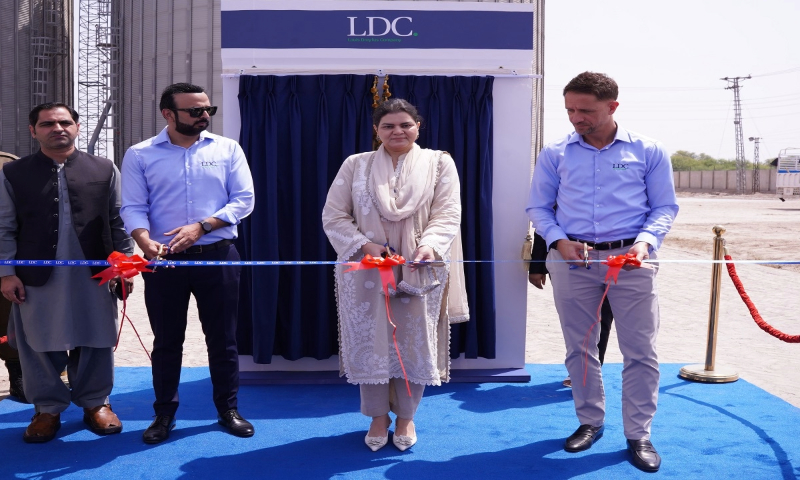
Inside LDC’s First Company-Owned Industrial Site in Pakistan
Louis Dreyfus Company has opened a grain storage facility in Multan, marking its first owned industrial site in Pakistan. The agricultural merchant said the project adds approximately 40,000 metric tons of capacity to its logistics network in South Punjab. LDC announced the inauguration on September 2. First owned industrial site in Pakistan The facility expands LDC’s ability to receive, store and move grain in one of Pakistan’s crop-producing regions. The company expects the extra capacity to improve service for local suppliers and customers. “Pakistan is an important market for grains and a key destination for LDC in South Asia, where growing populations and economies rely on strong, connected agricultural supply chains and trade flows,” said Rubens Marques, LDC’s Head of South & Southeast Asia. “This investment in Pakistan strengthens our presence in the domestic market as well as our ability to meet evolving customer needs in the region, in line with LDC’s global strategy to further reinforce its core merchandizing capabilities.” Pakistan ranks among South Asia’s major agricultural markets. It is one of the world’s largest wheat producers and consumers. A population exceeding 250 million continues to drive demand for staple grains. The Pakistan Economic Survey 2024-25 says agriculture contributes 23.5 percent to GDP and employs more than 37 percent of the labour force. However, the crop subsector contracted by 6.82 percent in FY2025. The survey highlighted the need for modernization, climate adaptation and stronger productivity. Investment targets stronger supply chains LDC said the Multan site would support more reliable flows between grain-producing areas, buyers and markets. Additional storage can help businesses manage seasonal arrivals, delivery schedules and supply disruptions. “Pakistan’s strong agricultural base and growing demand for grains continue to create opportunities for our business in the country,” said Muhammad Danyal, LDC’s Country Head for Pakistan and Head of Grains & Oilseeds for Pakistan. “Investing in logistics infrastructure enhances our service to both suppliers and customers, supporting more efficient and resilient supply chains as Pakistan’s grains sector continues to develop, while contributing to local job creation.” It said the investment would support both suppliers and customers as the grains sector develops. LDC expands Pakistan footprint LDC entered Pakistan in 2010. It has since developed businesses in cotton, grains, oilseeds, pulses, rice and sugar, including a strong position in wheat. Its Pakistan profile describes LDC as a major wheat trader and a leading merchant of rice, corn, pulses and cotton. The company also has a long-term operating agreement at Karachi Port. LDC says it directly employs more than 100 people in Pakistan and supports additional indirect jobs. Founded in 1851, LDC operates across Coffee, Cotton, Food & Feed Solutions, Freight, Global Markets, Grains & Oilseeds, Juice, Rice and Sugar. Its network spans the full value chain from farm to fork. It says this network delivers products safely, reliably and responsibly. The company says it helps feed and clothe about 500 million people each year. It originates, processes and transports around 100 million tons of products annually. LDC operates in more than 100 countries across six regions and employs over 20,000 people worldwide.

Pakistan Belgium Maritime Cooperation Expands
Pakistan and Belgium have agreed to strengthen coordination between their maritime institutions and explore student training and exchange programmes. The understanding emerged during a meeting at the ministry on Wednesday. Belgian Ambassador Idesbald Van der Gracht met Federal Minister for Maritime Affairs Muhammad Junaid Anwar Chaudhry. The two officials reviewed possible cooperation in maritime education, institutional partnerships, port development and the wider blue economy. They also agreed to identify practical areas where maritime organisations from both countries could work together. Student exchange and maritime education Chaudhry said Pakistan was upgrading the Pakistan Marine Academy into a degree-awarding institution. He added that the government had completed most of the required work. In July, the government sent the prime minister a summary for in-principle approval after completing consultations and procedural requirements. The plan also includes discussions with international maritime institutions on dual-degree programmes for Pakistani cadets. “The initiative aims to enhance academic standards, strengthen international collaboration, equip cadets with globally recognised qualifications, and improve career opportunities in the maritime sector,” Chaudhry said in July. Read More: Free Gemini for 1 Year: How Pakistani Students Can Apply During Wednesday’s meeting, the minister said Pakistani students could benefit from education and training at Belgian maritime institutions. The proposed exchange would allow students from both countries to share experience, technical knowledge and institutional expertise. Chaudhry said the two countries had considerable potential for cooperation in the marine sector. Sharing professional expertise could also support the development of their respective blue economies, he added. Port Qasim projects discussed The meeting also covered Pakistan’s plans to expand and modernise its port infrastructure. Chaudhry said the government wanted to attract more transshipment activity and enlarge the commercial and industrial capacity surrounding its ports. Planned projects at Port Qasim include a multipurpose terminal, an automobile processing zone and a garment zone. The automobile project will include vehicle refurbishment facilities. The garment zone will support an industrial park within the Port Qasim Authority area. Pakistan announced the automobile zone in August as a 150-acre development containing 264 units. These include refurbishment workshops, car display sites, spare-parts facilities, commercial units and machinery yards. The government also plans an Energy City offering storage facilities for oil-producing countries. The proposed infrastructure would handle white oil, crude oil and liquefied petroleum gas. At Karachi Port Trust, authorities are working on new on-dock and off-dock terminals to improve cargo handling and logistics capacity. Gwadar connectivity and blue economy Chaudhry said Pakistan wanted to connect Gwadar Port more closely with Central Asian countries. Stronger links could create new trade and transit opportunities for regional economies. Read More:From College Student at 10 to Record-Breaking Professor at 18 He said Pakistan’s geographical position and expanding maritime infrastructure offered opportunities for international cooperation in shipping, logistics, port services and maritime education. Van der Gracht and Chaudhry expressed their intention to strengthen institutional contacts and continue discussions on workable partnerships between the two maritime sectors

Insider Trading Allegations Put Unity Foods Shares Under Spotlight
The Securities and Exchange Commission of Pakistan has accelerated its investigation into alleged insider trading and unusual transactions in Unity Foods shares. The regulator issued final notices to four individuals after they missed an earlier appearance. The notices cover Muhammad Farrukh Amin Godil, Safdar Sajjad, Fahmida Amin and Hina Safdar. Investigators have ordered all four to appear personally on September 3 with their trading records and supporting documents. Reports described Farrukh as Unity Foods’ chief executive. However, the company’s website says he served as CEO until December 2025 and now holds a non-executive director’s seat. Records sought over share transactions The SECP team wants complete information about dealings in Unity Foods shares. It also seeks explanations for transactions investigators consider unusual. Investigators asked Farrukh to provide the full record of Unity Foods shares pledged to banks. The requested material is expected to identify the relevant banks, pledged holdings and supporting transaction documents. Read More: SECP Clears Alibaba-Backed Firm to Launch Credit Service in Pakistan Safdar Sajjad, Fahmida Amin and Hina Safdar must explain their purchases and sales of Unity Foods shares. They must also submit the associated trading records and evidence supporting those transactions. The four did not appear before the investigation team when called through the initial notices. They failed to attend on August 31. The regulator then issued final notices and set September 3 as the new appearance date. The notices form part of an evidence-gathering process. They do not establish that insider trading or another securities offence occurred. The regulator has not announced any final findings. Investigation underway since June 2 SECP formally opened the Unity Foods share-trading investigation on June 2 under Section 139 of the Securities Act, 2015. The provision allows an investigator to require records, seek explanations and compel personal attendance during a securities inquiry. The investigation focuses on unusual share trading and possible violations of Pakistan’s securities laws. The regulator will examine the requested documents and responses before deciding whether the evidence warrants enforcement action. Unity Foods trades on the Pakistan Stock Exchange under the symbol UNITY. The company produces edible oils and other food products. Its share price stood at Rs9.29 at 11:49am on September 2, up 1.86 percent. More than 6.19 million shares had changed hands. The PSX data portal also lists a June 1 company announcement titled “Unusual movement in Price of the shares of Unity Foods Limited.” Separate scrutiny involving company The share-trading inquiry comes amid a separate SECP-referred investigation involving Unity Foods and its wholly owned subsidiary, Sunridge Foods. The Federal Investigation Agency’s Corporate Crime Circle registered a case in Karachi on August 29. It names several current and former company officials. Read More: Pakistan Beats 16 Countries With Insurance Policy for Women That investigation includes allegations of a Rs44.7 billion difference between published accounts and internal SAP records. The FIA matter remains separate from the alleged insider trading inquiry. No court has established these allegations. The named individuals retain the right to respond to investigators and contest any eventual proceedings.
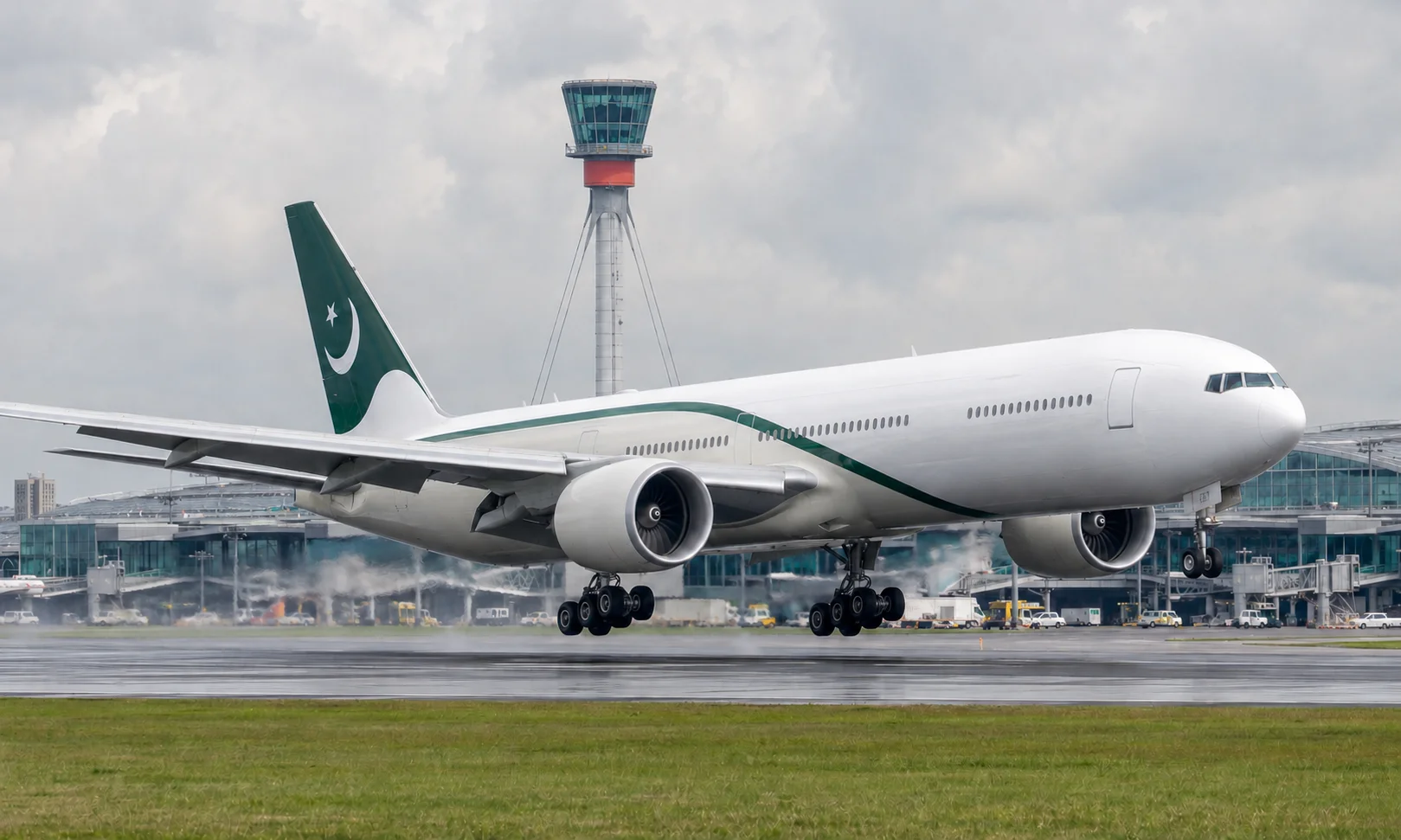
PIA Adds Three More London Flights as Travel Demand Grows
Pakistan International Airlines will expand its London operation to seven weekly flights from October 27, 2026, giving the national carrier a daily service between Pakistan and the British capital. PIA announced the schedule increase on Wednesday, September 2. The airline currently operates four flights each week to London, including three from Islamabad and one from Lahore. Seven weekly flights planned Under the revised schedule, PIA will operate five weekly flights between Islamabad and London. It will also run two flights a week between Lahore and London. Together, the services will provide one PIA departure from Pakistan to London every day. A PIA spokesperson said the expanded operation followed a positive response since the airline returned to the London market earlier this year. “The increase in the number of flights reflects passengers’ confidence and growing demand,” the spokesperson said. Read More: Air India Hires Aviation Veteran Once Considered for PIA’s Top Job The decision will add three weekly services to the current schedule. Islamabad will gain two additional flights, while the Lahore route will increase from one to two weekly services. The expansion will raise weekly capacity substantially ahead of the winter travel season. PIA has not yet released the operating days, departure times or detailed flight numbers for all seven services. Passengers should therefore confirm the final timetable through the airline before booking travel from October 27. London network rebuilt after six-year gap PIA restored direct flights between Islamabad and London Heathrow on March 29, 2026. Direct Lahore-London service followed on March 30. The airline deployed Boeing 777 aircraft on both routes. The launches ended an absence of almost six years from Heathrow. Britain and the European Union had restricted PIA operations in 2020 amid concerns about Pakistan’s aviation safety oversight and pilot licensing. The European Union Aviation Safety Agency lifted its suspension in November 2024 after reviewing reforms undertaken by Pakistani authorities. Britain removed Pakistan from its Air Safety List on July 16, 2025. PIA first returned to Britain through its Islamabad-Manchester service in October 2025. The carrier then rebuilt access to Heathrow with three Islamabad flights and one Lahore flight each week in March 2026. Strong demand on Pakistan-UK routes The additional London capacity targets a large travel market driven by family visits, business journeys and Pakistan’s substantial diaspora in Britain. Aviation Week, citing Sabre Market Intelligence, reported that Pakistan-UK traffic reached 1.46 million two-way passengers in 2024. That total stood nearly 9 percent above the 2019 level, despite the absence of PIA from the market. Read More: Canva Offers Big Prize Money for PIA Rebranding Around 97 percent of those travellers used connecting services through hubs such as Doha, Dubai and Istanbul. London-Islamabad ranked as the largest city pair, carrying about 299,000 passengers during 2024. The new schedule will give travellers more direct options and reduce reliance on connecting airlines. It also strengthens PIA’s position on a route that ranked among its most commercially important international markets before the 2020 suspension.

“Mud and Ice Tidal Wave” Exposes a Growing Himalayan Threat
The Himalayan region faces escalating glacial flood risks that could endanger millions, damage hydropower networks and make heavily populated riverbanks uninhabitable, a senior United Nations official has warned. The warning followed a devastating flood in Nepal last week that killed more than 1,000 people. Parts of a glacier near the Langtang Lirung mountain peak collapsed onto the valley floor. The impact triggered a landslide and sent a destructive flood wave down the Trishuli River. Millions exposed as glacial lakes expand “Technology cannot move fast enough to prevent loss along these massive river systems that catch the overflow of the glacier lakes,” Kanni Wignaraja, a UN assistant secretary-general, told Reuters. Wignaraja, who also leads the United Nations Development Programme in Asia and the Pacific, said the population at risk “goes into the millions”. She based that assessment on updated data compiled by UNDP and partner organisations in June. Researchers identified 47 potentially dangerous glacial lakes across Nepal, China and India in 2020. A joint UNDP and International Centre for Integrated Mountain Development inventory located 25 in China, 21 in Nepal and one in India. It placed 42 lakes in the Koshi basin, three in Gandaki and two in Karnali. Experts now estimate the actual number is significantly higher. Climate change raises flood danger A glacial lake outburst flood, or GLOF, occurs when meltwater collects behind ice, rock or moraine. Rising pressure can break or overflow that natural barrier, releasing water and debris downstream with little warning. That process differs from the glacier collapse behind the latest Nepal disaster. However, UN officials say both dangers are rising. Climate change is accelerating glacier melt, loosening rock and adding pressure to unstable lake barriers. The Himalayas are also geologically young and prone to tectonic movement, Wignaraja said. Such shifts can suddenly destabilise glaciers or breach lake barriers. ICIMOD reported in 2023 that roughly 200 glacial lakes across the wider Hindu Kush Himalayan region were considered dangerous. It warned that the region’s glaciers could lose up to 80 percent of their current volume by 2100 under existing emissions trajectories. Nepal faces difficult choices Nepal depends heavily on glacier-fed water and hydropower income. Wignaraja said the country now faces “some very, very hard choices”, because many riverbank residents cannot afford to relocate uphill. UNDP said the latest flood destroyed 15 major hydropower stations under construction, alongside operating facilities. Engineers can strengthen electrical grids and power stations, but extreme events may overwhelm available protection. Wignaraja described the disaster as a “mud and ice tidal wave”. “There’s no construction that could have stopped this,” she said. The wider threat also reaches Pakistan. UNDP says nearly 3,000 glacial lakes have formed in the country’s north, while 33 are considered extremely dangerous. The findings underline the need for cross-border monitoring, early warning systems and climate adaptation funding across the Hindu Kush Himalaya.
Saudi Shariah Approval Gives ABHI Fresh Boost in Kingdom
Pakistan-founded fintech ABHI has secured Shariah approval in Saudi Arabia for its Early Wage Access product, strengthening its push into the Kingdom’s financial services market. The Shariah Committee of Saudi-based Badiha Company approved the product, ABHI announced on Tuesday. The company said the approval confirms that the structure of its Early Wage Access, or EWA, solution aligns with Shariah principles. The milestone comes as ABHI expands its employee financial wellness services across Saudi Arabia. ABHI’s EWA product allows employees to access part of the salary they have already earned before their regular payday. The service aims to provide workers with more control over their cash flow without requiring them to wait for the monthly salary cycle. The company said the Shariah approval strengthens its focus on combining technology, financial accessibility and responsible financial practices. Shariah Approval Strengthens ABHI’s Saudi Push ABHI has been building its presence in Saudi Arabia through partnerships with local businesses and employers. Its Saudi platform describes Early Wage Access as a service that gives eligible employees access to unpaid earned wages through an employer-linked system. Transactions on the platform take place in Saudi riyals. ABHI says the service can help employees handle unexpected expenses and manage household cash flow more effectively. Unlike a traditional salary advance based on future earnings, EWA gives workers access to income they have already earned. The company formally expanded its early salary access offering in Saudi Arabia earlier this year. In May, it announced a partnership with local firm QBS to introduce the service in the Kingdom. ABHI has since announced several Saudi partnerships. In June, it partnered with Saudi digital car marketplace Syarah to provide EWA to employees. It also signed agreements with Squadio and TAM Aerospace. Last week, ABHI announced a partnership with NOX Group. The agreement gives eligible NOX employees access to part of their earned salaries before payday. The latest Shariah approval could support ABHI as it seeks wider adoption among Saudi employers and workers who prefer Shariah-compliant financial products. Financial Wellbeing Gains Attention Under Vision 2030 The development comes as Saudi Arabia continues to expand its fintech industry under Vision 2030. The Kingdom’s Financial Sector Development Program aims to establish Saudi Arabia as a leading global fintech market. Its long-term strategy targets 525 fintech companies operating in the Kingdom by 2030. It also aims to create around 18,000 fintech jobs and raise the sector’s GDP contribution to SAR13 billion. Saudi authorities have also promoted digital payments, open banking and partnerships between established financial institutions and fintech companies. ABHI said financial wellbeing is becoming an increasingly important part of employee benefits. Employers are looking beyond traditional salaries and benefits as they compete for talent. Technology-based solutions can give employees greater flexibility over when they access earned income. ABHI said its Shariah-approved EWA product fits into that shift by complementing traditional payroll systems. ABHI Now Serves More Than 1 Million Users Founded in 2021, ABHI has expanded beyond Pakistan into the UAE, Saudi Arabia and Oman. The company says it now serves more than one million users and works with over 7,000 businesses across the region. Its product portfolio includes Earned Wage Access, payroll processing, payroll financing and SME financing. ABHI positions these services as part of a broader effort to improve financial access for employees and businesses in emerging markets. The company has also received international recognition. It became the first fintech from the MENAP region to receive the World Economic Forum’s Technology Pioneer recognition in 2023, according to ABHI. The Saudi approval now adds a Shariah-compliance milestone to that expansion. For ABHI, the next challenge will be increasing adoption among employers while building its position in Saudi Arabia’s rapidly developing fintech market. The company said the Badiha Committee approval supports its goal of offering financial products that combine flexibility with Shariah-compliant structures.
