


Meta reportedly plans to unveil camera-free smart glasses at Connect 2026, offering an alternative as concerns about covert recording trigger restrictions. The glasses would retain microphones and speakers, allowing users to access Meta AI and the company’s recently launched Muse AI agent. A button that activates recording on existing models would instead start an AI conversation. Removing cameras could allow slimmer temples, greater comfort and a lower price. However, the assistant would lose the ability to see the wearer’s surroundings and answer questions about visible objects. The reported launch plans remain unconfirmed. Recording safeguards face scrutiny Meta’s existing camera-equipped glasses feature a white capture LED that flashes for photographs and pulses during video recording. Models after the original 2021 Ray-Ban Stories use a sensor to detect attempts to cover the indicator and block capture. However, bystanders may overlook the light outdoors or not realise the glasses contain cameras. Reports of filming without consent have fuelled criticism, including the labels “pervert glasses” and “creep glasses”. A market for physically disabling the LED has also emerged. Meta has introduced firmware updates that disable cameras when the glasses detect tampering, although attempts to bypass safeguards continue. Meta says fewer than 0.1% of its sold glasses have undergone tampering. Against sales exceeding 10 million with partner EssilorLuxottica, 0.1% represents roughly 10,000 devices, although the actual number remains unspecified. The company also removes advertisements for tampering services and says it can ban accounts or pursue legal action. Restrictions spread across venues Some gyms, including Planet Fitness, prohibit smart glasses even when users are not recording. Bars and clubs across the United States, Britain and Canada have introduced restrictions. New York’s BASEMENT also prohibits carrying them in bags. Wetherspoons allows people to wear them but bars recording customers or staff without permission. Royal Caribbean and Carnival allow the devices aboard but restrict use in casinos, toilets, changing rooms and other sensitive locations. MSC prohibits them throughout ships’ public areas. Courts in England and Wales, alongside US court systems including New York’s, require visitors to surrender the glasses. New York’s rules explicitly cover prescription pairs. Restrictions also extend to DEF CON, the Body Movements festival and Oslo schools. SAT rules prohibit smart glasses during tests and breaks, subject to approved accommodations. The US Air Force prohibits wearing them in uniform. Meta promotes awareness as backlash continues Meta has launched videos and posters explaining the recording indicator. The campaign addresses both unfamiliarity with the light and the misconception that its glasses record continuously. Battery and heat constraints prevent continuous, all-day recording on current models. The controversy does not establish that most owners misuse the devices. Users also rely on them for music, calls, hands-free photography and AI assistance. Camera-free models could appeal to buyers seeking those functions without the social concerns surrounding wearable cameras. Separately, Meta could demonstrate its next-generation headset with full-body Codec Avatars at Connect. That potential demonstration also remains a reported plan.
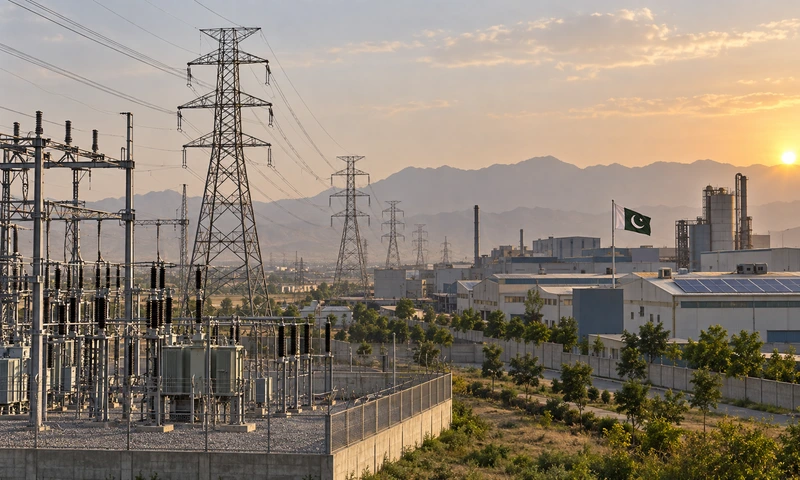
Pakistan’s 400MW Power Auction: Who Can Buy and What Will It Cost?
Pakistan has opened bidding for its first 400-megawatt electricity wheeling auction, allowing large consumers to negotiate supply deals directly with power producers. The move begins a shift from the traditional single-buyer system, under which government procurement has dominated electricity purchases. Industrial users will gain greater choice over suppliers while continuing to use the existing grid. The Independent System and Market Operator announced the auction under the Competitive Trading Bilateral Contracts Market framework. How consumers will buy electricity Economist Ammar H. Khan, adviser to the federal power minister, explained the mechanism in a detailed post on X. Under the existing model, the government purchases electricity from generators through long-term agreements. Distribution companies then deliver that electricity to consumers. The new arrangement allows an industrial consumer requiring 50MW to approach a producer and negotiate a bilateral power purchase agreement. The government would not need to participate in that commercial transaction. Read More: Nepra Grants DHA City Historic Electricity Licences for 21 Years Generators would compete for customers, while buyers could negotiate supply terms instead of depending entirely on central procurement. However, direct purchasing does not mean bypassing the grid. Electricity would still travel through transmission and distribution networks operated by the National Grid Company and distribution companies. The producer or buyer would pay a wheeling fee, also called a Use of System Charge, for network access. This works much like a motorway toll. What the auction and charges cover Nepra has approved variable wheeling charges ranging from Rs6.23 to Rs19.62 per unit, depending on the participating bulk consumer’s category. A fixed grid charge of Rs1 per kilowatt per month also applies. These network charges are separate from the electricity price that buyers negotiate with their suppliers. A buyer must therefore consider both costs when assessing a direct supply agreement. The auction will allocate access to available capacity through competitive bidding, starting from a government-set base level. Khan argues that bidding can establish a market-clearing price and allocate limited capacity to participants with the greatest willingness to pay. The framework provides for auctions covering 800MW over five years. The initial 400MW offering represents half that allocation. Solar suppliers and further reforms The model could allow independent power producers to contract directly with industrial buyers without requiring new government-backed, long-term purchase agreements. That could gradually reduce the government’s role in procuring electricity. Khan described the auction as an initial step towards wider competition. Future suppliers could aggregate surplus electricity from numerous solar installations and sell the combined supply at an agreed market price. Such arrangements would require further development of the market framework. Read More: Your Appliance Looks Off. Why Is It Still Using Electricity? He also advocated location-based network charges that better reflect delivery costs, rather than a flat approach. Khan questioned whether electricity consumers should finance major new power projects through their bills. Projects offering substantial water benefits could instead draw funding from government budgets or water charges, he argued. He urged careful assessment of future projects as solar generation and battery storage reshape electricity production, consumption and demand.

Former Careem Pay Chief Junaid Iqbal Gets Engro’s Top Job
Engro Corporation has named Junaid Iqbal as its next President and Chief Executive Officer, with the leadership transition scheduled for April 2027. Engro Holdings announced on September 21 that Engro Corporation’s board had approved Iqbal as the successor to Ahsan Zafar Syed. Iqbal currently serves as Advisor to the CEO of Engro Holdings. Syed will continue leading Engro Corporation until his current term ends in April 2027. He will then become Counsel to the Chairman of Engro Holdings, allowing the group to retain his experience and institutional knowledge. The appointment comes as Engro prepares to expand its portfolio and develop new businesses alongside its established industrial operations. From Careem and finance to Engro Iqbal brings experience across technology, finance and media, having built, expanded and transformed businesses in complex operating environments. At Careem, he scaled the company’s Pakistan business and subsequently led its Saudi Arabia market. He later served as Managing Director and Global Head of Careem Pay, adding digital payments to his regional leadership experience. Earlier, Iqbal served as CEO of Elixir Securities, where he helped reposition the brokerage and worked on major privatisation transactions. These included the government’s $1 billion sale of a 40 percent stake in Habib Bank Limited. Read More: Why Engro Is Selling Its Entire EPCL Stake After 29 Years Engro highlighted his experience in building business platforms, allocating capital and developing partnerships as relevant to its next growth phase. The company expects these capabilities to complement its industrial expertise and support sustainable, long-term returns. Over six decades, Engro has developed capabilities in engineering, project development, execution and corporate governance. Its strategy seeks to build on that foundation while creating additional sources of growth. The group wants these new businesses to attract capital, generate lasting value and address important needs in Pakistan’s economy. Syed to oversee structured handover The board thanked Syed for his contributions and confirmed that he would remain in charge throughout the transition period. Milestones during his tenure include the Supplemental Implementation Agreement for Engro Vopak Terminal Limited and the reintegration of thermal assets into the portfolio. The company also highlighted the Deodar and Engro Polymer and Chemicals Limited transactions. Engro Corporation also earned repeated recognition among leading Pakistan Stock Exchange companies during his leadership. Read More: Unilever Pakistan Brings CCP In for Competition Law Training The succession announcement provides several months for Iqbal to work closely with Engro’s businesses and operations before assuming executive responsibility. He will use this period to develop a deeper understanding of the organisation and the teams supporting its performance. Under Syed’s mentorship, Iqbal will also contribute to key strategic priorities ahead of the formal handover. The transition plan combines preparations for new investment opportunities with continuity across Engro’s existing operations. Syed’s subsequent advisory role will extend his involvement beyond the completion of his executive term. Engro described the process as part of its commitment to succession planning, strong governance and continuity of leadership.
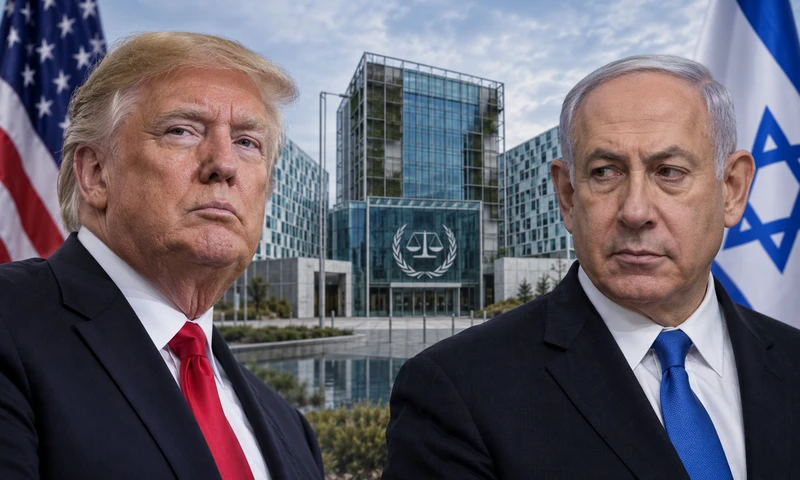
Trump Prepares Sweeping ICC Sanctions Over Netanyahu Warrant
President Donald Trump’s administration has prepared sanctions against the entire International Criminal Court, escalating Washington’s campaign against the tribunal over its pursuit of Israeli leaders. Two sources familiar with the matter said the administration planned to announce the measures soon. However, the exact timing remained unclear. Officials could finalise the decision this week during the United Nations General Assembly meeting. Washington wants the ICC to drop arrest warrants against Israeli Prime Minister Benjamin Netanyahu and former defence minister Yoav Gallant. US officials also want the court to abandon a past investigation into American troops in Afghanistan. The State Department did not immediately respond to a request for comment on the planned measures. Sanctions could disrupt banking and investigations The proposed restrictions would target the court itself, expanding beyond existing sanctions against individual ICC judges and prosecutors. Washington has long considered this broader approach but has so far held off from implementing it. US Secretary of State Marco Rubio announced a campaign in July to isolate the tribunal. He urged other countries to withdraw from the court. Sanctions against the entire institution could restrict its access to dollars and the global financial system. Measures targeting organisations that cooperate with the ICC could further undermine its work. Read More: Trump Backs Major Saudi Fighter Upgrade With $24.3bn F-35 Plan Under such restrictions, US citizens and companies could not provide funds, goods or services to the court without Treasury authorisation. They would require a licence from the Treasury’s Office of Foreign Assets Control, known as OFAC. The consequences could extend beyond American businesses. Banks often apply US sanctions more broadly than necessary because they rely on access to the American financial system. The ICC’s registrar and president have warned that institution-wide sanctions could disrupt essential services and daily operations. These include purchasing IT services and insurance, hiring investigators and processing routine financial transactions. The restrictions could also complicate salary payments to dozens of American employees working for the court. Netanyahu and Gallant warrants drive confrontation Trump’s opposition to the ICC dates back to his first presidency. Plans to penalise court officials resurfaced in November 2024, when he won re-election and judges issued the Netanyahu warrant. The court issued arrest warrants for Netanyahu and Gallant over alleged war crimes and crimes against humanity during the Gaza conflict. The allegations include using starvation as a method of warfare. Israel denies committing war crimes. Read More: Trump Promises Every American $5,000 if Republicans Win In July 2025, ICC judges rejected Israel’s request to withdraw the warrants and suspend the wider investigation into the Palestinian territories. The international community established the Hague-based ICC in 2002 to prosecute genocide, war crimes and crimes against humanity. It serves as a court of last resort when national authorities cannot or will not genuinely prosecute. Neither the United States nor Israel has joined the ICC. Both reject its jurisdiction in these cases. The court’s recognition of Palestine as a member underpins its jurisdiction over alleged crimes in Gaza and the West Bank.
