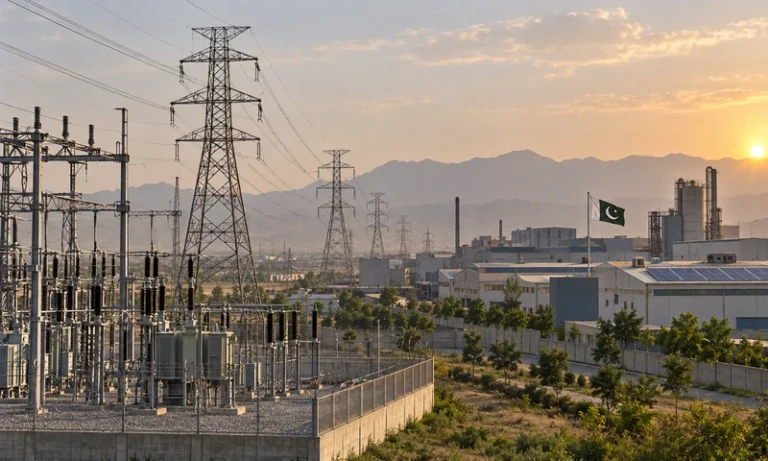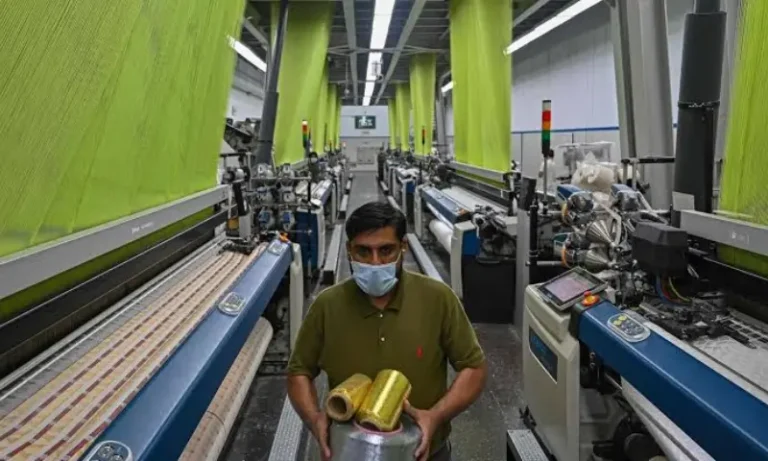
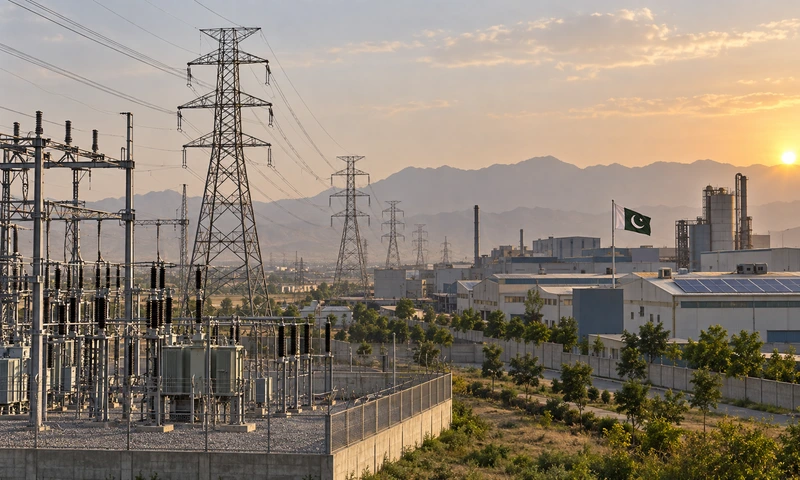
Pakistan has opened bidding for its first 400-megawatt electricity wheeling auction, allowing large consumers to negotiate supply deals directly with power producers.
The move begins a shift from the traditional single-buyer system, under which government procurement has dominated electricity purchases. Industrial users will gain greater choice over suppliers while continuing to use the existing grid.
The Independent System and Market Operator announced the auction under the Competitive Trading Bilateral Contracts Market framework.
How consumers will buy electricity
Economist Ammar H. Khan, adviser to the federal power minister, explained the mechanism in a detailed post on X.
Under the existing model, the government purchases electricity from generators through long-term agreements. Distribution companies then deliver that electricity to consumers.
The new arrangement allows an industrial consumer requiring 50MW to approach a producer and negotiate a bilateral power purchase agreement. The government would not need to participate in that commercial transaction.
Read More: Nepra Grants DHA City Historic Electricity Licences for 21 Years
Generators would compete for customers, while buyers could negotiate supply terms instead of depending entirely on central procurement.
However, direct purchasing does not mean bypassing the grid. Electricity would still travel through transmission and distribution networks operated by the National Grid Company and distribution companies.
The producer or buyer would pay a wheeling fee, also called a Use of System Charge, for network access. This works much like a motorway toll.
What the auction and charges cover
Nepra has approved variable wheeling charges ranging from Rs6.23 to Rs19.62 per unit, depending on the participating bulk consumer’s category. A fixed grid charge of Rs1 per kilowatt per month also applies.
These network charges are separate from the electricity price that buyers negotiate with their suppliers. A buyer must therefore consider both costs when assessing a direct supply agreement.
The auction will allocate access to available capacity through competitive bidding, starting from a government-set base level.
Khan argues that bidding can establish a market-clearing price and allocate limited capacity to participants with the greatest willingness to pay.
The framework provides for auctions covering 800MW over five years. The initial 400MW offering represents half that allocation.
Solar suppliers and further reforms
The model could allow independent power producers to contract directly with industrial buyers without requiring new government-backed, long-term purchase agreements. That could gradually reduce the government’s role in procuring electricity.
Khan described the auction as an initial step towards wider competition.
Future suppliers could aggregate surplus electricity from numerous solar installations and sell the combined supply at an agreed market price. Such arrangements would require further development of the market framework.
Read More: Your Appliance Looks Off. Why Is It Still Using Electricity?
He also advocated location-based network charges that better reflect delivery costs, rather than a flat approach.
Khan questioned whether electricity consumers should finance major new power projects through their bills. Projects offering substantial water benefits could instead draw funding from government budgets or water charges, he argued.
He urged careful assessment of future projects as solar generation and battery storage reshape electricity production, consumption and demand.