

VYU has launched in Pakistan with a six-hour livestream featuring veteran actress Bushra Ansari and Instagram influencer duo Ron & Coco. The video-first fashion shopping platform combines entertainment, styling advice and direct purchasing through video. In an October 25 statement, VYU said the broadcast reached 4.5 million live views across Facebook, Instagram and YouTube. The figure reflected views recorded by 9pm Pakistan time on October 24. The launch programme brought together styling segments, fashion discussions and entertainment. Bushra Ansari and Ron & Coco shared fashion advice, styling tips and personal anecdotes with viewers. An earlier launch announcement, published by Mettis Global as a press release, scheduled the broadcast from 3pm to 9pm. It directed audiences to VYU’s social channels to watch and its website to shop. At launch, VYU offers women’s clothing, footwear, handbags and accessories from multiple brands. The platform presents these products through curated fashion content and creator-led videos. The six-hour format gave the launch room for both product discovery and conversations with its celebrity guests. Meanwhile, the three-platform broadcast allowed viewers to follow the event through different social channels. VYU calls its approach Entertainment Commerce™. Shoppers watch styling content, celebrity segments and fashion discussions, then purchase featured products directly from the video. “Shopping has always been about more than buying products. It is about discovering new styles, finding inspiration, and enjoying the experience,” said Farzana Sheikh, VYU’s co-founder. “With VYU, we wanted to bring that excitement into the digital world, creating a destination where fashion, entertainment and shopping come together naturally.” Fellow co-founder Afraz Siddiqui said the platform addresses the separation between discovering fashion online and completing a purchase. “Pakistanis already discover fashion through video and creators, but they still have to leave that content to go shop somewhere else. VYU closes that gap,” he said. Farzana Sheikh and Afraz Siddiqui founded VYU in 2026. The Shopping Stream LLP operates the business, which focuses on women’s fashion through shoppable video. VYU enters the market as Pakistan’s formal payment system records increasing use of digital channels. The State Bank of Pakistan’s FY26 review said digital channels handled 92 percent of retail payment transactions through formal banking channels. That compared with 88 percent in FY25. Additionally, account-based online payments represented 96 percent of e-commerce transactions conducted through banking channels. These figures describe the broader payment market, rather than VYU’s customers or sales.

Geely Enters Pakistan With Three Models and Local Assembly Plans
Bestway Group launched Geely Auto in Pakistan on Saturday, October 24, introducing three models and acquiring the Proton assembly plant at Port Qasim, Karachi. The move gives the Chinese automaker a local manufacturing base as it enters Pakistan’s passenger vehicle market. Bestway Automotive will serve as Geely’s sole authorised distributor, handling vehicle sales and after-sales support. Meanwhile, Group Managing Director Irfan Sheikh outlined plans for localisation and a charging network to support the company’s long-term presence. Three models lead Geely’s Pakistan entry The launch lineup comprises the EX2 compact electric hatchback, the EX5 electric SUV and the Starray EM-i. The EX2 gives Geely an entry into the compact electric car segment. The larger EX5 adds an electric SUV to the range, while the Starray introduces another electrified option. However, launch reports differ on the Starray’s exact powertrain. The supplied report describes the EM-i as using range-extended EV technology. Geely’s international material describes EM-i as a hybrid system combining petrol and electric power. PakWheels’ event coverage also mentions an EM-R variant. Consequently, buyers should await the official Pakistan specifications before treating either designation as final. Bestway has yet to announce prices, booking dates and final specifications through its official channels, according to its launch statement. Bestway plans to begin with imported vehicles while preparing the Karachi facility for completely knocked-down assembly. It aims to put locally assembled Geely vehicles on Pakistani roads in 2027. The Port Qasim facility covers 24.71 acres, with more than 403,000 square feet of covered space. Its existing assembly capacity reaches up to 25,000 vehicles annually, according to launch details. In addition, Bestway plans a nationwide dealership network, online booking and vehicle financing through United Bank Limited. The company also outlined proposed warranties of up to six years or 150,000 kilometres for vehicles and eight years for batteries and motors. These remain proposed terms rather than confirmed model-specific coverage. Sheikh said the first phase would include eight dealerships, with three to four company-owned outlets. Operations will initially focus on Karachi, Lahore and Islamabad. Furthermore, the plans include workshops, parts localisation and charging facilities. Bestway Renewable Technologies will support the proposed nationwide charging network. Bestway said it had invested more than $350 million in Pakistan and created 20,000 jobs over the past three years. Those figures describe the group’s wider investment record, rather than the Geely project alone. Geely Auto International Corporation Vice President Evin Ye identified Pakistan as Geely’s first market in South Asia. He also said Geely was the only automaker with a low-orbit satellite network. The launch brings together vehicle distribution, assembly preparations and ownership support. Pricing and final specifications will determine how the three models compete for Pakistani buyers.
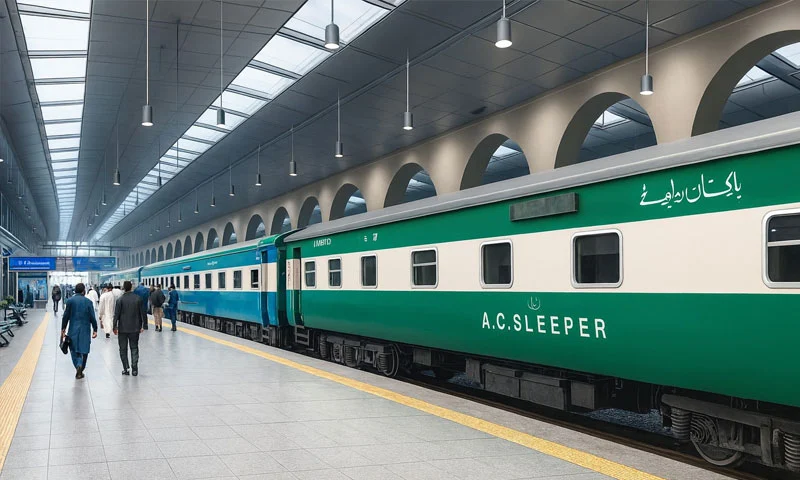
Pakistan Railways Declares Emergency: What Changes Until December 31?
Pakistan Railways declared an emergency on October 24 following repeated accidents, cancelling holidays and most leave until December 31. Railways Minister Hanif Abbasi ordered officers to fix operational deficiencies and strengthen safety across passenger and freight services. The decision follows the Rehman Baba Express derailment near Multan, which killed five passengers and injured 49. Meanwhile, repeated incidents have increased pressure on railway authorities to address longstanding maintenance problems. “Till December 31, neither I nor the officers concerned will take rest,” Abbasi said. He instructed operations staff to work through Saturdays, Sundays and public holidays until they resolve deficiencies in trains, signalling and other infrastructure. Furthermore, the restrictions cover all leave except medical leave. Officers and officials must also visit the field to monitor train operations. Civil and mechanical chief engineers must submit daily departmental reports to the ministry. Similarly, the safety department head must provide a daily report. Abbasi warned that officers would face action for ignoring these instructions. He also threatened disciplinary action if they failed to correct deficiencies by December 31. Meanwhile, a Saturday letter titled “Mandatory Use of Rail Transport for Official Tours” introduced new travel requirements. The directive requires all senior and junior officers to travel by train on official tours. It also prohibits official vehicles for these journeys and rules out reimbursement for air travel. However, Abbasi said extreme emergencies could justify air travel for him and railway officers. He otherwise committed to using the railcar between Rawalpindi and Lahore until December 31. These instructions accompany the wider requirement for officers to monitor services directly in the field. Abbasi said Railways would remove all dummy, meaning faulty or brakeless, passenger coaches and goods wagons from service by December 31. Meanwhile, repair teams must restore their operational fitness. “Parts for coaches, wagons and locomotives, including 36,000 brake cylinders, have started arriving,” he said. He consequently ordered emergency maintenance work to clear a backlog spanning 10 years. Abbasi said all faulty coaches, wagons and locomotives would become fit for operations from January 2027. So far, teams have completed condition assessments of 1,546 coaches and wagons. They must inspect the remaining approximately 3,000 by November 10. In addition, Abbasi directed railway workshops to manufacture parts locally wherever possible. He also set November 30 as the deadline for meeting demand for concrete and wooden sleepers. Railways recorded seven accidents and derailments in July alone. Identified causes include deteriorating tracks, dummy coaches and wagons, manual points, human error, inadequate maintenance and insufficient resources. Furthermore, Arab News identified decades of underinvestment, outdated tracks and ageing signalling systems as persistent safety challenges. The emergency programme now places inspection, repairs and daily oversight at the centre of the government’s response.