

Artificial intelligence investment is keeping global growth around 3%, IMF Managing Director Kristalina Georgieva said Monday. However, she warned of a “slow-moving tsunami” threatening jobs, education and taxation. Speaking at the IMF-World Bank annual meetings, she described a “demand shock, an investment shock” benefiting Asia. Advanced Asian economies could gain 0.5 to one percentage point of growth. Emerging Asian economies could gain 0.2 to 0.8 percentage point. AI spending offsets energy shock “AI, love it, hate it. It’s already here,” Georgieva said. “That shift into higher gear is what is keeping the world economy growing at around 3%, despite the fact we are being dragged down by the energy supply shock,” she said. Read More: Pakistan Tells IMF Gulf War Has Cost Rs144 Billion in Revenue The IMF’s July forecast put 2026 global growth at 3%. It will publish updated projections Tuesday. The weeklong Bangkok meetings expect 18,000 participants, including officials from the IMF’s 191 members. US Treasury Secretary Scott Bessent and Spanish Finance Minister Arcadi España will skip them for domestic priorities. Georgieva identified the US, China and India as leading AI supply-chain producers. Asian hardware suppliers, including those in host Thailand, also stand to benefit. Jobs, skills and taxation face change IMF research suggests AI could augment, downgrade or eliminate 40% of jobs globally, rising to 60% in advanced economies. Those figures measure exposure rather than predicted job losses. Earlier IMF research found that roughly half of exposed jobs in advanced economies could benefit through higher productivity. Georgieva said an initial study showed 10% of US jobs already required AI skills. Routine jobs were shrinking, while lower-paying employment expanded in construction and data centres. A shift from labour towards capital would also reshape government tax revenues. “It is a transformative technology. It so completely changes how we work, how we live,” she said. Her own AI assistant now delivers a daily 30-second schedule briefing. Graduate opportunities divide leaders Singapore President Tharman Shanmugaratnam urged governments to confront falling demand for graduates. “There is a particular problem that we have to address very soon … and that is that, the first rung in employment, your first job upon graduation, is now seeing less demand,” he said. He warned of a “new divergence” in growth and employment between developing and advanced economies. Read More: Pakistan’s $7bn IMF Programme Faces Next Review as Leaders Meet “AI is going to widen the divergence if we are too passive about it,” he said. “So we’ve got to do everything we can to first use AI to create good jobs and to create jobs that can be done well by human beings, can allow them to ride up a career ladder despite AI.” World Bank President Ajay Banga, whose agenda prioritises jobs, questioned whether AI would destroy entry-level employment. He expected disruption mainly in advanced economies building large models. “In the emerging markets, we are not into large language models,” he said. Instead, the bank favours “small AI” requiring less computing power to improve productivity for farmers, health clinics and teachers.
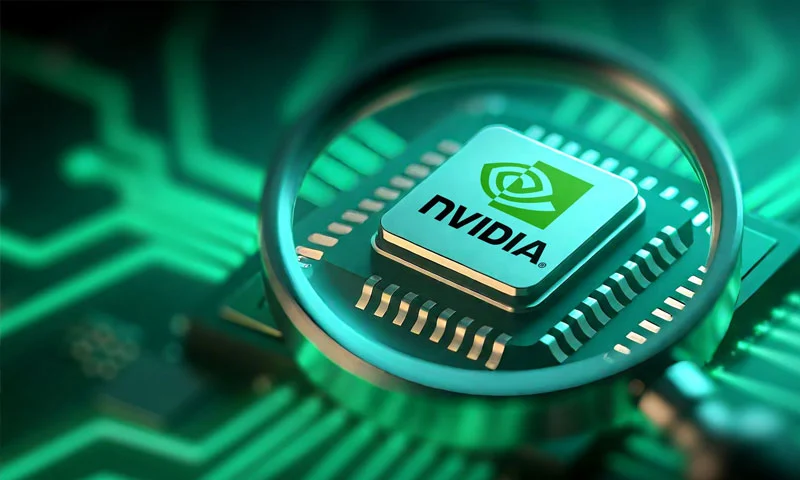
Nvidia Warns Customers of Major AI Server Price Increase
Nvidia’s largest customers have been warned that prices of servers powered by its artificial intelligence chips could increase by more than 15 percent in many cases, Bloomberg News reported on Saturday. The expected increase will affect systems shipped early next year. It will include servers built with Nvidia’s advanced Vera Rubin and Grace Blackwell AI platforms, according to people familiar with the matter. Read More: Elon Musk’s Brain Chip Creates Real-Life Transformation for Patient The final increase will depend on the Nvidia chip generation and the memory configuration used in each system. The reported price changes come as memory chip costs continue to rise. Demand for AI infrastructure has increased pressure on the global semiconductor supply chain. Reuters said it could not independently verify the Bloomberg report. Nvidia also did not immediately respond to a request for comment outside regular business hours. AI Data Centre Expansion Faces Higher Costs Companies that build servers for major data centre operators have started informing customers about the expected price increases. The affected clients include large technology companies such as Microsoft, Google and Oracle, which continue to expand their AI computing capacity. Nvidia’s AI chips have become a key part of the global artificial intelligence boom. The company’s processors power many of the systems used to train and run advanced AI models. Read More: China Greenlights Nvidia H200 Chip Imports as Tech Demand Soars The company’s Grace Blackwell platform is already widely used for large-scale AI workloads. Its upcoming Vera Rubin systems represent Nvidia’s next generation of AI computing technology. These advanced systems require high-performance memory chips to operate efficiently. The rising cost of memory components has increased expenses across the AI hardware industry. Memory suppliers, including Samsung Electronics, SK Hynix and Micron, have gained stronger pricing power as demand for AI-related hardware continues to grow. Nvidia Remains at Centre of AI Boom Nvidia has become one of the most important companies in the artificial intelligence sector. Its chips support the rapid expansion of AI services, cloud platforms and data centres worldwide. Major technology firms are investing billions of dollars to build AI infrastructure. They are increasing spending on servers, chips and data centre capacity to compete in the growing AI market. The expected price increase highlights the challenges facing companies trying to expand AI operations. Higher hardware costs could affect budgets for future data centre projects. However, demand for Nvidia’s AI processors remains strong. Many companies continue to rely on Nvidia because of the performance of its chips and the company’s established AI software ecosystem. Read More: The End of Keyboards? Tech Giants Are Building Computers That Work for You Nvidia is scheduled to release its second-quarter financial results on August 26. Investors are expected to closely watch the company’s sales outlook, AI chip demand and supply conditions. Rising Hardware Costs Could Reshape AI Investments The possible price increase shows how supply shortages are influencing the fast-growing AI industry. Companies building new AI infrastructure may need to adjust their spending plans if server costs continue to rise. The AI race has already created intense competition for advanced processors, memory chips and data centre capacity. Read More: Meet the 10-Year-Old Who Built an AI Nose to Detect Drugs While Nvidia remains the leading supplier of AI accelerators, rising component costs show that even the biggest players in the industry are facing supply pressures. As global technology companies continue their AI expansion, the cost of building powerful computing systems is becoming a major factor in future investment decisions.

Pakistan Joins China-Led Global AI Body as Founding Member
Pakistan became a founding member of the World Artificial Intelligence Cooperation Organization (WAICO) on Thursday, marking a new step in its engagement with global artificial intelligence governance. Deputy Prime Minister and Foreign Minister Ishaq Dar signed the founding agreement on Pakistan’s behalf during WAICO’s inaugural ceremony in Shanghai. Twenty-nine countries signed the agreement establishing the new intergovernmental body, according to Reuters. China says WAICO will promote international cooperation, improve artificial intelligence governance and help countries share the benefits of emerging technologies. Dar Signs WAICO Founding Agreement Dar arrived in Shanghai for a two-day official visit from July 16 to 17. Chinese Foreign Minister Wang Yi invited him to attend the organisation’s launch and related high-level meetings. The Foreign Office confirmed that Dar would sign the agreement as a founding member and represent Pakistan at the organisation’s inaugural events. Ali Dar announced the development on X, writing: “Pakistan becomes a Founding Member of the World Artificial Intelligence Cooperation Organisation.” China first proposed WAICO during the World Artificial Intelligence Conference in Shanghai in July 2025. Beijing presented the organisation as a platform for innovation, inclusive development and coordinated governance. The initiative also seeks to narrow the technological gap between developed and developing countries. Researchers say its development-focused approach could give Global South nations a larger voice in setting international AI priorities. Pakistan to Present AI Governance Position Dar will attend the opening ceremony of the 2026 World Artificial Intelligence Conference on July 17. He will also participate in the High-Level Meeting on Global AI Governance. The conference will run in Shanghai from July 17 to 20 under the theme “Intelligent Partners, Co-create the Future.” Chinese President Xi Jinping will address the opening ceremony and outline Beijing’s position on AI development and governance. Pakistan becomes a Founding Member of the World Artificial Intelligence Cooperation Organisation 🇵🇰 🙌🏻 pic.twitter.com/HLspK2KgzC — Ali Dar (@alimdar82) July 16, 2026 Dar is expected to present Pakistan’s perspective on responsible technological development and stronger international collaboration. Discussions will focus on global AI governance, capacity building and wider access to new technologies. On the sidelines, Dar will hold bilateral talks with Wang Yi. He will also meet senior representatives from participating countries to explore cooperation in artificial intelligence, innovation and digital transformation. Membership Supports Pakistan’s Digital Strategy Pakistan’s founding membership comes as Islamabad expands its national artificial intelligence agenda. The federal cabinet approved the National Artificial Intelligence Policy in July 2025. The policy aims to promote innovation, ethical AI development and economic growth while building a knowledge-based economy. The government has also committed $1 billion to AI development by 2030. Planned investments include sovereign computing infrastructure, research, education and local technology projects. Officials believe WAICO membership can help Pakistan secure technical partnerships, strengthen local expertise and participate in shaping international AI standards. The move could also add a major technology-focused dimension to Pakistan’s strategic partnership with China. The Foreign Office said Dar’s visit reflects Islamabad’s commitment to international cooperation in emerging technologies.
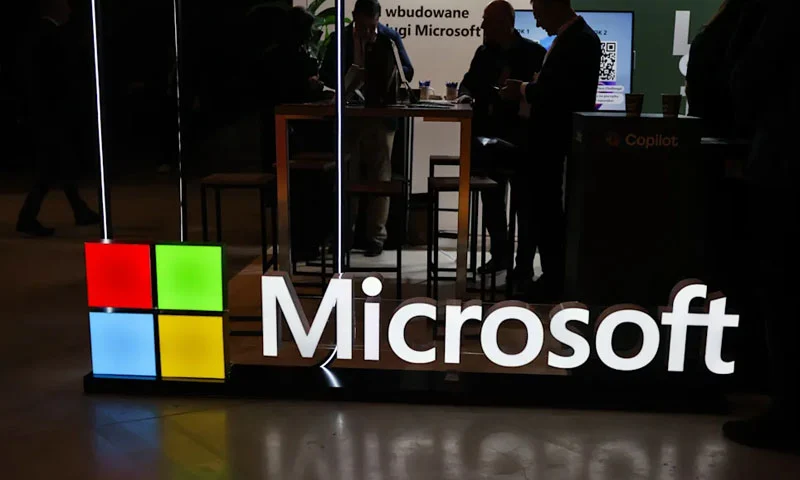
Microsoft Announces 4,800 Layoffs. Here’s What Employees Get
Microsoft has announced another major round of layoffs, saying it will cut around 4,800 employees, or about 2 percent of its global workforce, as the company restructures operations while continuing to invest heavily in artificial intelligence. The latest cuts form part of a broader cost reduction strategy and include significant changes within Microsoft’s Xbox gaming division. The company joins other technology giants such as Amazon and Meta, which have also reduced headcount this year as AI spending continues to rise. According to a Business Insider report, affected employees in the United States will receive a severance package that includes up to 39 weeks of base salary, depending on their length of service and seniority. The company will first provide a minimum of 60 days of base pay, during which employees will remain on Microsoft’s payroll before their employment officially ends. Microsoft details severance benefits Beyond the initial 60-day period, severance payments will vary based on employees’ internal job levels and years of service. Employees at internal levels 64 and below will receive one week of base pay for every six months of service. Those at levels 65 to 67 will receive two weeks of base pay for every six months worked. Executives at level 68 and above fall under a separate severance program. Microsoft is also extending additional benefits to many departing employees. Workers at level 67 and below will continue receiving stock vesting for either six or 12 months, depending on their tenure. The company will also cover six months of health insurance and allow employees to continue their medical coverage through COBRA for up to another 12 months. Industry analysts describe the package as one of the more competitive severance offerings among major technology companies, even as firms continue reducing workforces to offset rising AI infrastructure costs. AI investment reshapes Microsoft’s business The layoffs come during a challenging period for Microsoft. Its shares fell nearly 23 percent during the first half of 2026, marking the company’s weakest first half performance since 2022. Reuters reported that Microsoft has regularly adjusted staffing levels near the end of its fiscal year as it prepares budgets for the following year. Earlier this year, Microsoft also offered voluntary buyouts to roughly 7 percent of its US workforce, representing about 9,000 employees. Despite the job reductions, Microsoft’s cloud business continues to benefit from strong demand for AI services. Azure remains one of the company’s fastest-growing businesses after years as the exclusive cloud provider for OpenAI’s models. However, Microsoft has sharply increased spending on AI infrastructure and data centers. Earlier this year, it projected $190 billion in capital spending for 2026, far above market expectations. Those investments have increased pressure on cash flow even as AI revenue continues to expand. Microsoft is expected to report its latest quarterly financial results later this month. Investors will closely watch whether continued AI growth offsets rising infrastructure costs and ongoing restructuring across several business divisions.
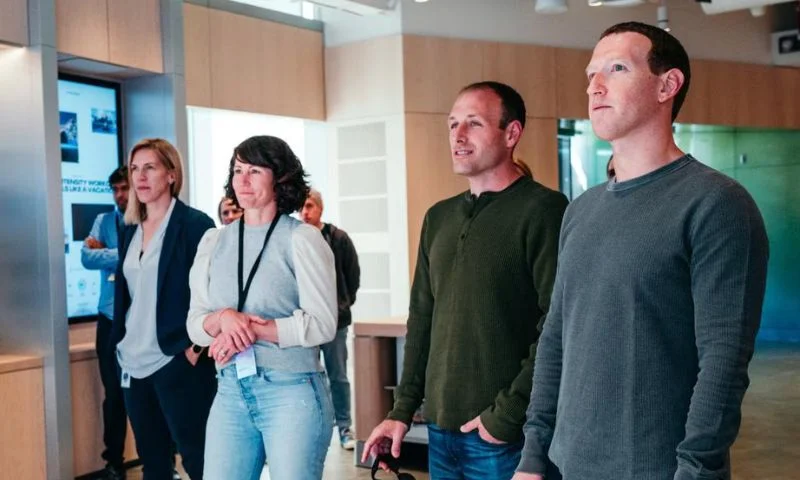
Meta to Cut 8,000 Jobs as Zuckerberg Admits Uncertainty About Future
Meta CEO Mark Zuckerberg delivered a stark message to employees during an internal town hall meeting, confirming another major round of layoffs while refusing to rule out deeper cuts in the future. The company plans to lay off around 8,000 employees starting May 20, according to details shared during the meeting. The reductions represent nearly 10 percent of Meta’s global workforce. Meta also plans to eliminate roughly 6,000 open positions before filling them, further signaling the company’s aggressive cost-cutting strategy as it shifts resources toward artificial intelligence. Read More: Meta Is Tracking Every Click and Keystroke to Train AI to Replace You Since 2022, Zuckerberg has overseen the elimination of nearly 25,000 jobs across the company. During the town hall, Zuckerberg acknowledged uncertainty surrounding Meta’s future workforce size. “I wish that I could tell you that I have a crystal ball plan for the next three years,” he told employees. “I don’t. I don’t think anyone does.” The remarks marked Zuckerberg’s first direct address to employees since March 2026. AI Investments Drive Restructuring Zuckerberg linked the layoffs to Meta’s growing investment in AI infrastructure and computing power. Explaining the company’s spending priorities, he said Meta has “two major cost centres: compute infrastructure and people-oriented things.” “As the company prioritises investing more in AI, we do need to take down the size of the company somewhat,” he added. Meta has spent billions of dollars expanding its AI capabilities as competition intensifies with rivals such as OpenAI, Google and Microsoft. The company recently accelerated investments in AI chips, large language models and data center infrastructure. Analysts say those projects require enormous long-term spending. Meta’s Chief Financial Officer Susan Li also acknowledged uncertainty over the company’s ideal workforce size. She said Meta still does not know its “optimal” long-term growth level because AI technology continues to evolve rapidly. Employees Question Layoffs Despite Strong Profits The latest cuts have increased anxiety among employees, especially after Meta reported strong financial results in recent quarters. Workers reportedly criticized management on internal message boards and questioned why the company continues to cut jobs despite record-breaking profits. Several employees also raised concerns about Meta’s growing workplace monitoring systems. According to reports, Meta is now tracking employee keystrokes and mouse movements to help train AI systems. One employee reportedly described the practice as “dystopian” during internal discussions. The layoffs continue a broader restructuring trend across the global technology sector. Companies including Amazon, Google and Microsoft have also reduced staff while redirecting billions toward AI development. Industry analysts say major technology firms now face pressure to balance profitability with the enormous costs of building next-generation AI systems. For Meta employees, however, Zuckerberg’s comments reinforced growing fears that further cuts may still lie ahead.
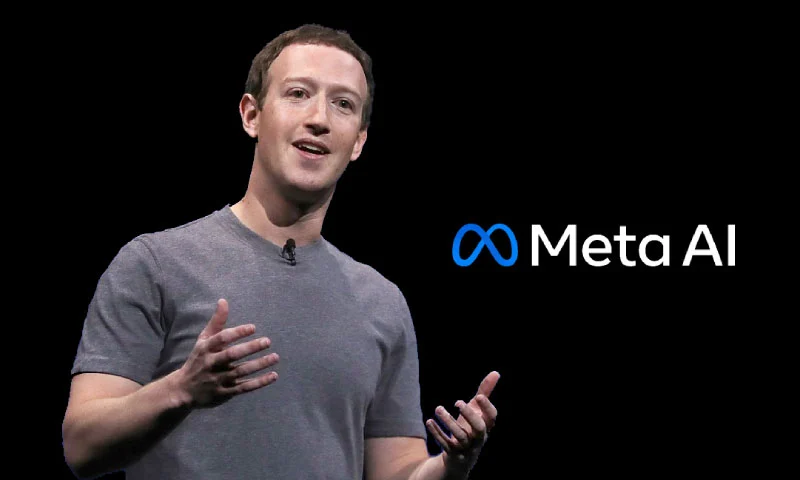
Zuckerberg Defends Massive AI Spending as Shares Fall
Chief executive Mark Zuckerberg has defended Meta’s aggressive investment in artificial intelligence after the company’s shares dropped more than 6 percent, even as it reported strong quarterly earnings. The social media giant raised its capital expenditure forecast to between 125 billion and 145 billion dollars for the year. The move unsettled investors who questioned how such spending would translate into future profits. Read More: Google Gemini Now Creates Word, Excel and LaTeX Files Instantly Meta posted a quarterly profit of 26.8 billion dollars on revenue of 56.3 billion dollars, beating market expectations. However, total expenses surged to 33.4 billion dollars as the company accelerated spending on AI infrastructure and talent. Betting big on AI future Zuckerberg told analysts the company is making long term bets on technology that could reshape digital interaction. “The way to think about the investment is that we’re making a bet on the individual things that people care about, and that people are going to be more important in the future,” he said during an earnings call. He highlighted the rise of “agentic” AI, where digital assistants can perform tasks independently on behalf of users. However, he acknowledged that quality remains a concern. “There are a lot of agents out there that people are building for different things, and there aren’t that many that I would want to give to my mother,” Zuckerberg said. “I think getting to that quality bar is something that I care about more than hitting a specific week for launching a new product.” Meta is developing new models through its Superintelligence Lab, including the Muse Spark system. The company plans to integrate this technology into products such as smart glasses and its advertising platform. Unlike rivals such as Amazon, Microsoft and Google, Meta does not yet generate direct revenue from AI through cloud services. This gap has added to investor concerns. Rising costs and regulatory pressure Meta’s heavy spending includes building data centres and hiring top AI researchers. The company aims to develop what it calls “superintelligence,” a concept that envisions AI systems surpassing human level reasoning in many tasks. Read More: US Youth Turn to Digital Detox to Improve Sleep and Reduce Anxiety Chief financial officer Susan Li warned that regulatory challenges could further impact financial performance. “We continue to see scrutiny on youth related issues and have additional trials scheduled for this year in the US, which may ultimately result in a material loss,” she said. Legal pressure has intensified after a Los Angeles jury found Meta and YouTube liable for harming a young woman through addictive platform design. The ruling ordered the companies to pay millions in damages. The verdict could influence more than a thousand similar cases, raising the stakes for social media companies facing scrutiny over mental health impacts. Market reaction and outlook Investors reacted cautiously to Meta’s strategy. The share price decline reflected uncertainty about returns on its AI investments. Read More: This New WhatsApp AI Feature Could Save You Hours Every Week Still, analysts note that Meta’s strong core business continues to generate significant revenue, largely driven by advertising on platforms such as Facebook and Instagram. Zuckerberg signalled that innovation will remain a priority. “We are trying novel things,” he said, emphasising the company’s focus on long term transformation rather than short term gains. The coming months will test whether Meta can balance rapid innovation with investor expectations, as it races to compete in the global AI arms race.