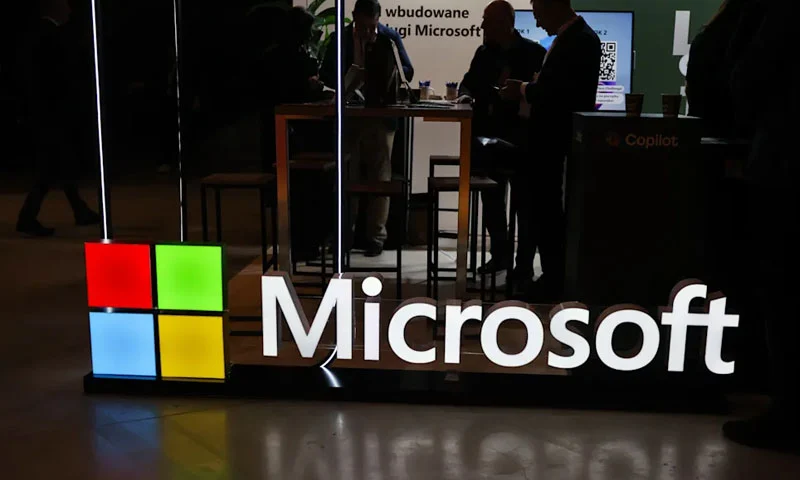
Microsoft has announced another major round of layoffs, saying it will cut around 4,800 employees, or about 2 percent of its global workforce, as the company restructures operations while continuing to invest heavily in artificial intelligence.
The latest cuts form part of a broader cost reduction strategy and include significant changes within Microsoft’s Xbox gaming division. The company joins other technology giants such as Amazon and Meta, which have also reduced headcount this year as AI spending continues to rise.
According to a Business Insider report, affected employees in the United States will receive a severance package that includes up to 39 weeks of base salary, depending on their length of service and seniority.
The company will first provide a minimum of 60 days of base pay, during which employees will remain on Microsoft’s payroll before their employment officially ends.
Microsoft details severance benefits
Beyond the initial 60-day period, severance payments will vary based on employees’ internal job levels and years of service.
Employees at internal levels 64 and below will receive one week of base pay for every six months of service. Those at levels 65 to 67 will receive two weeks of base pay for every six months worked.
Executives at level 68 and above fall under a separate severance program.
Microsoft is also extending additional benefits to many departing employees.
Workers at level 67 and below will continue receiving stock vesting for either six or 12 months, depending on their tenure. The company will also cover six months of health insurance and allow employees to continue their medical coverage through COBRA for up to another 12 months.
Industry analysts describe the package as one of the more competitive severance offerings among major technology companies, even as firms continue reducing workforces to offset rising AI infrastructure costs.
AI investment reshapes Microsoft’s business
The layoffs come during a challenging period for Microsoft.
Its shares fell nearly 23 percent during the first half of 2026, marking the company’s weakest first half performance since 2022. Reuters reported that Microsoft has regularly adjusted staffing levels near the end of its fiscal year as it prepares budgets for the following year.
Earlier this year, Microsoft also offered voluntary buyouts to roughly 7 percent of its US workforce, representing about 9,000 employees.
Despite the job reductions, Microsoft’s cloud business continues to benefit from strong demand for AI services.
Azure remains one of the company’s fastest-growing businesses after years as the exclusive cloud provider for OpenAI’s models. However, Microsoft has sharply increased spending on AI infrastructure and data centers. Earlier this year, it projected $190 billion in capital spending for 2026, far above market expectations. Those investments have increased pressure on cash flow even as AI revenue continues to expand.
Microsoft is expected to report its latest quarterly financial results later this month. Investors will closely watch whether continued AI growth offsets rising infrastructure costs and ongoing restructuring across several business divisions.