
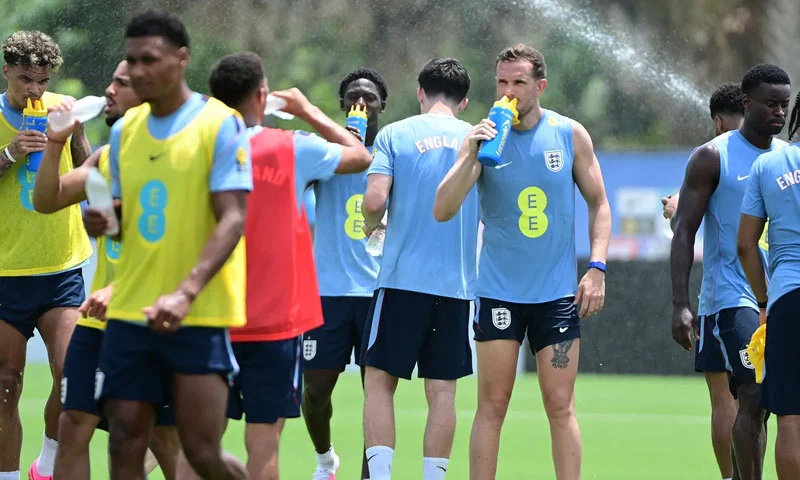
England’s preparations for the 2026 FIFA World Cup have suffered an unexpected setback after thieves targeted equipment destined for the team’s training base in Kansas City. Reports said thieves took footballs, boots and other training gear after breaking into vehicles transporting equipment to Swope Soccer Village. The incident occurred shortly before Thomas Tuchel’s squad arrived in Kansas City. The Football Association confirmed the incident and said police were investigating the matter. Kansas City police also confirmed they had opened an investigation. “We are investigating a possible theft of equipment from a team vehicle that arrived in Kansas City with items missing this evening. The investigation is ongoing,” the Kansas City, Missouri Police Department told the Daily Mail. The BBC reported that police arrested two suspects in connection with the theft. However, authorities have not released further details. England Keeps Focus on World Cup Opener Despite the disruption, England plans to continue preparations as scheduled. The Three Lions will hold their first training session at Swope Soccer Village on Saturday evening after travelling from their pre-tournament base in Florida. England begin their World Cup campaign against Croatia on Wednesday. Tuchel’s side will then face Ghana and Panama in Group L. The former Chelsea and Bayern Munich manager took charge after Gareth Southgate stepped down following Euro 2024. England arrived in North America carrying the hopes of ending a 60-year wait for a World Cup title. The squad combines experienced internationals with several emerging stars. National teams usually transport specialised equipment before major tournaments. Those shipments often include customised boots, training technology, medical supplies and recovery equipment. Security Under Spotlight at Expanded Tournament The 2026 World Cup marks the biggest edition in FIFA history. The United States, Canada and Mexico are jointly hosting the tournament, which features 48 teams. Organisers have invested heavily in transport, logistics and security across the three host nations. While police have not linked the incident to wider security concerns, the theft has drawn attention because it involved one of the tournament favourites. England officials have not indicated whether the missing equipment will affect training plans. For now, Tuchel and his players remain focused on football as they prepare for their opening match. Meanwhile, investigators continue searching for additional evidence and possible links to other suspects.
FIFA Just Made the 2026 World Cup Richer Than Ever Before
FIFA has turned the 2026 World Cup into the richest tournament in football history, with prize money rising by about 50 percent compared to the 2022 edition in Qatar. The expanded tournament, which will be hosted by the United States, Canada and Mexico, will feature 48 teams and 104 matches. It will also distribute a record $727 million among participating nations, according to figures approved by the FIFA Council. Of that amount, $655 million will be paid as performance-based prize money. The biggest reward will go to the eventual champions. FIFA has confirmed that the winning federation will receive $50 million, the largest prize ever awarded to a World Cup winner. The runners-up will earn $33 million, while the third and fourth-placed teams will receive $29 million and $27 million respectively. As a result, the final weekend of the tournament could mean a difference of millions of dollars for the remaining contenders. The increase reflects FIFA’s growing revenues and the commercial strength of the world’s most watched sporting event. FIFA expects the 2023-2026 cycle to generate record income, helping fund larger payments to participating nations and development programs around the world. Every Stage Carries Major Financial Rewards Teams that reach the quarterfinals will each receive $19 million. Meanwhile, nations that advance to the round of 16 will collect $15 million. A place in the newly introduced round of 32 guarantees $11 million. Even countries that fail to progress beyond the group stage will not leave empty-handed. FIFA has allocated $9 million to each group-stage team. In addition, every qualified nation will receive a separate preparation payment of $1.5 million. This means all 48 participants are guaranteed at least $10.5 million simply for reaching the tournament. For smaller football nations, those figures could transform the future of the sport. Football associations often use World Cup earnings to build academies, improve stadiums, expand coaching programs and support women’s football initiatives. Furthermore, the expanded format creates new opportunities for countries that rarely qualify for the tournament. More nations will have access to substantial funding, helping narrow the development gap between football’s traditional powers and emerging teams. Financial Windfall Beyond the Pitch The official prize money represents only part of the financial picture. Successful teams can also benefit from sponsorship agreements, commercial bonuses, broadcasting incentives and player-related endorsement deals. FIFA President Gianni Infantino described the financial package as groundbreaking for global football. “The FIFA World Cup 2026 will also be groundbreaking in terms of its financial contribution to the global football community,” Infantino said when FIFA approved the record funding structure. The tournament will run from June 11 to July 19, 2026, across North America. By the time the final whistle blows, FIFA’s biggest World Cup could also become its most financially significant. For many nations, the rewards may continue long after the trophy has been lifted.
Meet the Eight Players Over 40 Heading to the FIFA World Cup
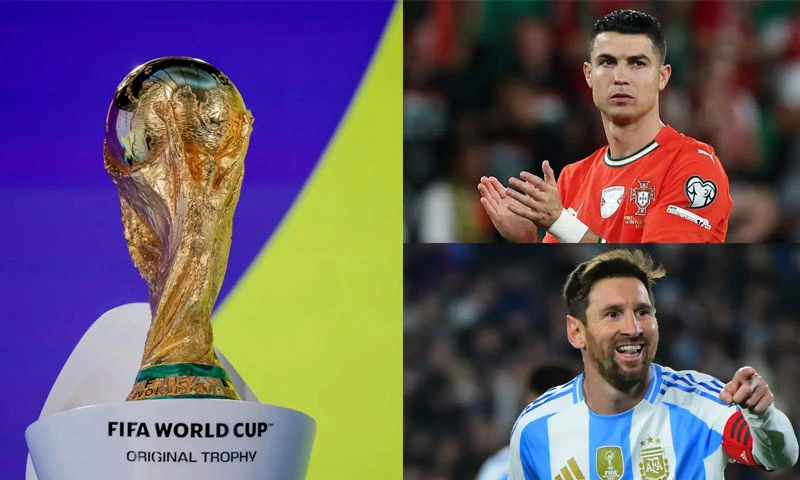
The 2026 FIFA World Cup will feature a record number of players aged 40 or older, highlighting how elite footballers continue to extend their careers through fitness, nutrition and sports science. Eight players aged 40 and above will compete in the tournament across Canada, Mexico and the United States. That total exceeds the combined number from the previous 22 World Cups. The list includes Cristiano Ronaldo, Luka Modric, Edin Dzeko, Manuel Neuer and Guillermo Ochoa. Their presence challenges the idea that top-level football belongs only to younger players. Portugal captain Ronaldo, now 41, will make history as the first player to appear in six FIFA World Cups. Mexico goalkeeper Ochoa, 40, will also reach that milestone. Argentina captain Lionel Messi, who turns 39 later this month, remains one of football’s most influential figures. He led Argentina to World Cup glory in Qatar and now aims to add another chapter to his remarkable career. Veteran Stars Chasing More History Ronaldo arrives with a record few players can match. He has scored in each of the five World Cups he has played. Portugal coach Roberto Martinez believes experience remains Ronaldo’s greatest asset. “None have lived what he has in the number of decisive games he’s played over his career,” Martinez said. “He also brings experience in decisive moments that nobody else in the squad can match.” Croatia’s Modric and Bosnia and Herzegovina’s Dzeko also have an opportunity to make history. Both players could join a very exclusive group of over-40 World Cup goalscorers. Only Cameroon’s Roger Milla has achieved that feat. He scored at the age of 42 during the 1994 World Cup in the United States and remains the oldest scorer in tournament history. More than three decades later, his record still stands. Goalkeepers Continue to Defy Age Scotland goalkeeper Craig Gordon will be the oldest player at the tournament. At 43, he could become the second-oldest player ever to appear in a World Cup match. Only Egypt’s Essam El Hadary ranks ahead of him. The Egyptian goalkeeper played at 45 during the 2018 World Cup in Russia. Gordon is likely to serve as backup to Angus Gunn. However, even a single appearance would secure his place in the record books. Germany’s Manuel Neuer, who helped his country win the 2014 World Cup, hopes to recover from a calf injury before Germany’s opening match against Curaçao. Cape Verde’s Vozinha and Uruguay’s Fernando Muslera, who turns 40 during the tournament, complete the group of veteran players. Recent injuries have affected both Messi and Ronaldo. Even so, neither player’s legacy faces any threat. Their achievements already rank among the greatest in football history. The 2026 World Cup now offers one more opportunity for football’s elder statesmen to prove they can still perform on the sport’s biggest stage.

254 People, One Giant Game: Canada Creates Foosball History
Canada has kicked off its FIFA World Cup celebrations in record-breaking fashion after hosting the world’s largest game of human foosball, bringing together hundreds of participants in a unique football-themed event near Toronto. The Ontario Lottery and Gaming Corporation (OLG) organised the event on May 23 at Humber Polytechnic’s Lakeshore Campus West in Etobicoke, a district in Toronto. The initiative formed part of celebrations leading up to the 2026 FIFA World Cup, which Canada will co-host alongside the United States and Mexico. Guinness World Records has officially confirmed the attempt as the largest human foosball match ever held. The event attracted 254 participants who took positions on giant horizontal poles designed to replicate the layout of a traditional tabletop foosball game. Players remained attached to the poles while attempting to manoeuvre a football and score goals against the opposing side. Organisers transformed a large outdoor field into an oversized version of the popular table game, creating a spectacle that drew spectators, football fans and community members. World Cup Excitement Builds in Canada The record-breaking event comes as Canada prepares to host matches at the 2026 FIFA World Cup, the first tournament to feature 48 teams and 104 matches. Toronto and Vancouver will serve as Canada’s host cities. Toronto is scheduled to stage six World Cup matches, including Canada’s opening game of the tournament. Officials said the human foosball challenge aimed to generate excitement ahead of the competition while encouraging community participation through sport. Neil Lumsden, Ontario’s Minister of Sport, highlighted the symbolic value of the event. “Soccer is about teamwork, energy and shared experience, and a human foosball Guinness World Records attempt brings those elements to life in a fun and unforgettable way,” he told Guinness World Records. Football has experienced rapid growth across Canada in recent years. Increased participation at youth and community levels, combined with Canada’s qualification for recent World Cups, has helped boost the sport’s popularity nationwide. The country also hopes the 2026 tournament will leave a lasting legacy through improved sporting infrastructure, tourism growth and greater community engagement. Guinness Confirms Historic Achievement Representatives from Guinness World Records reviewed the attempt and later confirmed that organisers had successfully broken the previous mark. The official recognition adds another milestone to the growing list of World Cup-related activities taking place across North America before the tournament begins. Human foosball events have gained popularity worldwide as entertainment attractions and team-building activities. However, organisers say no previous event matched the scale of the Ontario attempt. Participants described the challenge as physically demanding but highly entertaining because players had to coordinate movements while remaining attached to fixed poles, similar to figures in a foosball table. For organisers, the successful record attempt served as both a celebration of football culture and a preview of the enthusiasm expected when the FIFA World Cup arrives in Canada next year. With the countdown to the tournament underway, officials hope similar community-focused events will continue building momentum and inspiring new generations of football fans across the country.
FIFA Makes Surprise U-Turn on Water Bottles Ahead of World Cup
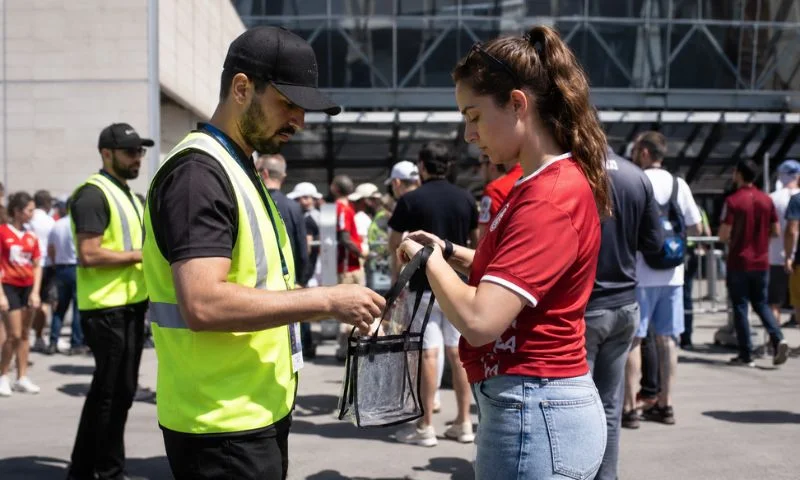
FIFA has relaxed its controversial World Cup water bottle policy. Fans can now bring one factory-sealed disposable plastic water bottle into stadiums during the 2026 FIFA World Cup. The decision came days after criticism of FIFA’s ban on reusable water bottles. Many supporters and health experts raised concerns about hydration during a summer tournament expected to feature extreme temperatures. In a video posted on FIFA’s official X account, World Cup chief operating officer Heimo Schirgi explained the updated rule. “All fans will be permitted to bring in one, soft, plastic 20 ounces (590ml), factory sealed disposable water bottle into any FIFA World Cup 2026 match in the USA and Canada,” Schirgi said. FIFA described the announcement as a clarification. However, the move eases restrictions announced earlier this week. Safety Concerns Drive Policy Earlier this week, FIFA updated its stadium code of conduct and banned reusable water bottles. The organisation defended the move on security grounds. “Fifa made the decision to prohibit bottles to prevent risk and injury to players and attendees,” FIFA said. The governing body noted that many World Cup venues already enforce similar restrictions. All fans will be permitted to bring in one, soft, plastic, 20 ounces (590ml), factory sealed disposable water bottle into any FIFA World Cup 2026 match in the USA and Canada. ✅As FIFA World Cup 2026 Chief Operating Officer, Heimo Schirgi, explains, fans will not be permitted… pic.twitter.com/ePEHq9oalJ— FIFA (@FIFAcom) June 5, 2026 “Outside bottles are already prohibited at several of these venues for safety considerations, and Fifa is applying this consideration across its tournament stadiums,” the statement added. Despite Friday’s change, FIFA continues to prohibit reusable containers. Schirgi said, “fans will not be permitted to bring in hard sided, reusable water bottles due to safety and security reasons.” He also displayed examples of permitted and prohibited bottles. Under the revised rules, fans may carry only one soft plastic disposable bottle that remains factory sealed upon entry. Heat Risks Remain in Focus The debate has intensified because experts continue to warn about extreme temperatures during the tournament. The United States, Canada and Mexico will host the 2026 World Cup. The competition will feature a record 48 teams and 104 matches. Last month, the World Weather Attribution research group released a report on tournament conditions. Researchers estimated that 26 matches could take place in conditions where the Wet Bulb Globe Temperature exceeds 26 degrees Celsius. The Wet Bulb Globe Temperature, or WBGT, measures heat stress on the human body. It combines temperature, humidity, sunlight and wind into a single reading. Fans raised similar concerns during last year’s FIFA Club World Cup in the United States. Many complained about intense heat inside stadiums. Organisers also prohibited outside water bottles during that tournament. FIFA says it will provide hydration stations, cooling tents, misting stations and fans throughout venue areas. The organisation also says bottled water inside stadiums will remain priced similarly to other events held at each venue. As preparations continue for the largest World Cup in history, FIFA faces growing pressure to balance security requirements with fan comfort and safety.
FIFA Bans Water Bottles at World Cup 2026 Amid Heat Concerns
FIFA has introduced a controversial policy ahead of the 2026 World Cup. The governing body will not allow fans to bring refillable water bottles into stadiums across the United States, Canada and Mexico. The decision has triggered debate among supporters and health experts. Many have raised concerns about spectator welfare during the summer tournament. The Athletic first reported the policy change. FIFA later confirmed it in a statement. Just weeks ago, FIFA allowed fans to carry empty transparent reusable plastic bottles with a capacity of up to one litre into stadiums. The earlier code of conduct stated: “For the avoidance of doubt, empty, transparent, reusable plastic bottles, up to (1 litre in) capacity, may be brought into the Stadium.” FIFA has now changed that rule. The updated code states: “For the avoidance of doubt, reusable water bottles may not be brought into the stadium.” FIFA Defends the Decision FIFA says safety concerns drove the policy shift. “Fifa is committed to protecting the health and safety of all players, referees, fans, volunteers, and staff,” a FIFA spokesperson told AFP. “Fifa made the decision to prohibit bottles to prevent risk and injury to players and attendees. “Outside bottles are already prohibited at several of these venues for safety considerations, and Fifa is applying this consideration across its tournament stadiums.” Several host venues already ban outside bottles during sporting events. FIFA decided to apply the same rule across all World Cup stadiums. The organisation says fans will still have access to hydration facilities. These include misting stations, cooling tents, fans and dedicated hydration points. FIFA also said spectators can buy bottled water inside stadiums. According to the governing body, prices will remain similar to those charged during other events. Heat Concerns Continue to Grow The announcement comes as climate experts warn about the risk of extreme heat during the tournament. Last month, the World Weather Attribution research group released a report on World Cup conditions. Researchers estimated that 26 of the tournament’s 104 matches could take place in conditions where the Wet Bulb Globe Temperature exceeds 26 degrees Celsius. The Wet Bulb Globe Temperature, or WBGT, measures heat stress on the human body. It combines temperature, humidity, sunlight and wind into a single index. Scientists and sports organisations use WBGT to assess heat-related risks. Several host cities could experience high temperatures during the competition. Concerns about fan safety have therefore intensified in recent months. Similar issues emerged during last year’s FIFA Club World Cup in the United States. Many supporters complained about intense heat inside venues. Tournament organisers also banned outside water bottles during that competition. The 2026 World Cup will feature 48 teams and 104 matches. It will be the largest tournament in FIFA history. Organisers expect record crowds across North America. As kickoff approaches, the debate over fan comfort, hydration and safety is likely to continue. For now, supporters attending matches must leave reusable water bottles at home. They will need to rely on hydration stations or purchase water inside the stadiums.
Trump Administration Waives $15,000 Visa Bond for World Cup Fans
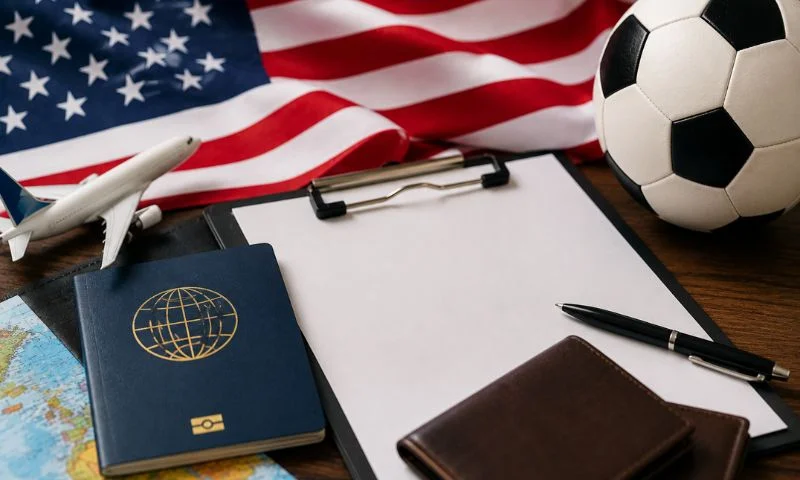
The administration of Donald Trump has announced a major visa exemption for football supporters travelling to the FIFA World Cup 2026 in the United States. Under the new policy, fans from 50 countries will no longer need to pay a $15,000 visa bond if they hold valid World Cup match tickets. The World Cup will take place across the United States, Canada and Mexico from June 11. Five affected countries have already qualified for the tournament. These countries include Algeria, Cape Verde, Ivory Coast, Senegal and Tunisia. “We are waiving visa bonds for qualified fans who bought World Cup tickets,” Assistant Secretary of State for Consular Affairs Mora Namdar told the BBC. The Trump administration introduced the visa bond policy last year as part of its wider immigration crackdown. World Cup Pushes Temporary Visa Shift The 12-month pilot programme required some travellers to deposit up to $15,000 to discourage visa overstays. According to the US State Department, officials targeted countries where “screening and vetting information is considered deficient.” Authorities planned to refund the bond after visitors returned home at the end of their stay. Until now, only players and coaches travelling for the tournament qualified for the exemption. However, officials expanded the waiver this week to include ordinary fans with confirmed World Cup tickets. Read More: FIFA’s Massive World Cup 2026 Twist Changes Opening Ceremony Tradition Forever In a statement, FIFA welcomed the decision and praised cooperation with the White House. The organization said the move showed continued collaboration “to deliver a successful, record-breaking and unforgettable global event.” “We are grateful to the Administration for the ongoing partnership,” FIFA added. Analysts say the decision highlights the economic importance of international tourism ahead of the largest World Cup in FIFA history. Travel Restrictions Still Raise Concerns Despite the exemption, several immigration restrictions remain in place ahead of the tournament. Travellers from Iran and Haiti still face broader travel bans. However, players and coaches from those countries can still enter for official tournament participation. Meanwhile, visitors from Ivory Coast and Senegal continue facing partial restrictions under an expanded travel policy. Last year, the US government also introduced plans requiring travellers from dozens of countries to provide five years of social media history before entry approval. Rights groups warned that stricter screening measures could increase denied entries, surveillance and racial profiling risks. The World Cup is expected to attract millions of international supporters to North America. As a result, immigration procedures and border policies will remain under global scrutiny before the tournament begins.

Palestinian-Chilean Star Elyanna Takes Center Stage at FIFA World Cup 2026
Palestinian-Chilean Star Elyanna has joined the official soundtrack lineup for the FIFA World Cup 2026 with her new single Illuminate, a collaboration with Canadian singer-songwriter Jessie Reyez. The release marks another major international milestone for the 24-year-old artist, who has become one of the most recognizable Arab voices in global pop music. Illuminate arrives shortly after FIFA confirmed Elyanna as one of the performers for the ceremony before Canada hosts its opening tournament match on June 12 at Toronto’s BMO Field. Read More: FIFA’s Massive World Cup 2026 Twist Changes Opening Ceremony Tradition Forever The lineup for the event also includes Alanis Morissette, Michael Buble and Alessia Cara. The song becomes the fourth release from The Official FIFA World Cup 2026 Album. Earlier tracks included Lighter by Jelly Roll and Carin Leon, Por Ella by Los Angeles Azules and Belinda, and Echo by Daddy Yankee and Shenseea. FIFA Expands Global Music Identity for 2026 Tournament Produced by Canadian hitmaker Cirkut, Illuminate follows FIFA’s long tradition of pairing major international tournaments with cross-cultural pop collaborations. Cirkut previously worked on global hits including Katy Perry’s Roar and Miley Cyrus’s Wrecking Ball. The 2026 World Cup marks the first time the tournament will take place across three host nations: the United States, Mexico and Canada. Organizers have increasingly positioned music as a key cultural element of the tournament experience. “I am deeply proud to represent my culture, my country, and the Middle East, North Africa, and the Arab world on such a global stage … through this song Illuminate,” Elyanna said in a statement. She added that the World Cup “brings people from all over the world together to celebrate culture and humanity”. Illuminate was co-written by Elyanna alongside longtime collaborators including her mother Abeer Sbiat Marjieh, brother Feras Margieh and Lebanese-Canadian artist Massari. The music video features montages of iconic World Cup moments and appearances from football legends including Diego Maradona and Ronaldo Nazario. Arab Artists Gain Bigger Role in FIFA Music The release also reflects the growing influence of Arab and North African artists in FIFA’s entertainment strategy during recent tournaments. For the 2022 World Cup in Qatar, Qatari singer Aisha joined Davido and Trinidad Cardona on Hayya Hayya (Better Together). Artists including Balqees, Rahma Riad, Manal and Nora Fatehi also contributed to the Qatar soundtrack. FIFA’s current entertainment direction has been strongly shaped by Moroccan-Swedish producer RedOne, who serves as the organization’s creative entertainment executive. The soundtrack will continue expanding in the coming weeks. Shakira is expected to release a new World Cup anthem titled Dai Dai alongside Nigerian star Burna Boy later this week.
FIFA’s Massive World Cup 2026 Twist Changes Opening Ceremony Tradition Forever
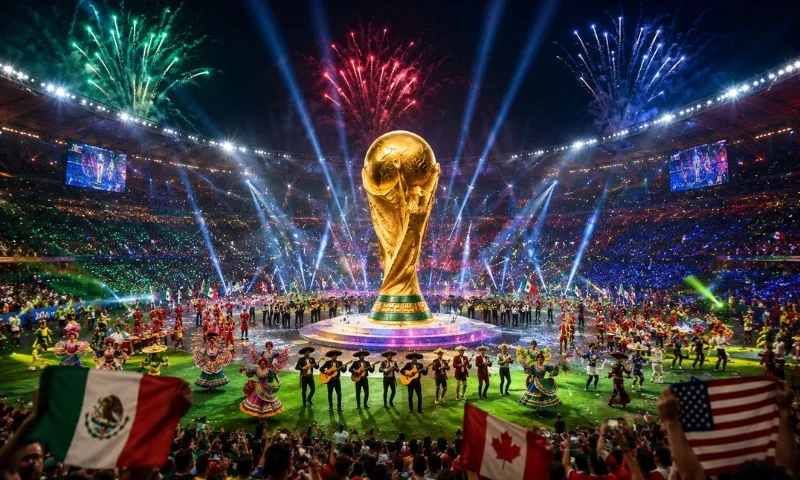
FIFA 2026 will stage separate opening ceremonies in Mexico, Canada and the United States before each host nation plays its first World Cup match. The move adds a fresh cultural element to the 2026 FIFA World Cup, which will become the biggest tournament in football history. The competition begins on June 11 at Estadio Azteca in Mexico City. The famous venue will become the first stadium to host opening matches at three FIFA World Cups after previously staging the 1970 and 1986 openers. Estadio Azteca FIFA confirmed that Grammy Award-winning Mexican band Mana will headline the Mexico City ceremony. Singers Alejandro Fernandez and Belinda will also perform. The organization said the show will celebrate Mexican heritage through music and dance. FIFA added that the concert will include Indigenous and “modern folkloric” performers. The opening match in Mexico City is expected to attract huge global attention. Fans will also return to the renovated Azteca Stadium, one of football’s most historic venues. The stadium hosted Diego Maradona’s legendary “Hand of God” goal and his famous solo strike against England during the 1986 World Cup. Canada and US Plan Star-Studded Shows Canada will stage its ceremony before the country’s opening group-stage match against Bosnia and Herzegovina in Toronto on June 12. FIFA announced performances by Alanis Morissette, Michael Buble, Alessia Cara and William Prince. Los Angeles-based DJ Sanjoy will also appear during the event. FIFA said a “mosaic-inspired reimagining of the FIFA World Cup Trophy will reflect Canada’s diversity and community.” Later that day, the United States will host its own ceremony before the US team faces Paraguay in Los Angeles. Pop star Katy Perry will headline the event. Rapper Future will also perform. The lineup includes Brazilian singer Anitta, Thai rapper LISA, Nigerian artist Rema and South African Grammy winner Tyla. FIFA described the US show as a production focused on “delivering a high-energy spectacle that reflects the scale, ambition and cultural power of the tournament itself.” Biggest FIFA World Cup Ever The 2026 tournament will feature 48 teams instead of 32. FIFA expects record-breaking attendance and television audiences across North America. The tournament also marks only the second time that multiple countries will co-host the World Cup. South Korea and Japan jointly hosted the 2002 edition, with South Korea staging the opening ceremony. FIFA President Gianni Infantino has described the 2026 tournament as a landmark event for global football because of its expanded format and cross-border hosting model. The final will take place at MetLife Stadium on July 19, 2026.

‘Dai Dai’, Shakira Returns to the World Cup Stage After 16 Years
Global pop star Shakira has returned to the FIFA World Cup spotlight with a new official tournament song titled “Dai Dai,” reviving memories of her iconic 2010 anthem “Waka Waka (This Time For Africa).” The Colombian singer unveiled a one-minute teaser clip on Thursday from the legendary Maracanã Stadium in Rio de Janeiro, one of football’s most iconic venues. Posting the preview on social media, Shakira wrote: “From Maracaná Stadium, here is ‘Dai Dai,’ the FIFA World Cup Official Song 2026.” Read More: Players Risk Red Cards for Covering Mouths at FIFA World Cup She also tagged Nigerian Afrobeats superstar Burna Boy, signaling his involvement in the project. The teaser shows Shakira performing on the Maracanã pitch alongside dancers in a vibrant stadium atmosphere. From Maracaná Stadium, here is “Dai Dai,” the @FIFAWorldCup Official Song 2026. Coming 5/14. We’re ready! ⚽️🐺 @burnaboy pic.twitter.com/UcfpO0s7jN— Shakira (@shakira) May 7, 2026 According to her post, the full version of the song will release on May 14, just weeks before the FIFA World Cup 2026 begins across the United States, Mexico and Canada. FIFA World Cup countdown begins The 2026 FIFA World Cup will kick off on June 11, with Mexico national football team set to face South Africa national football team at Estadio Azteca in Mexico City. The final will take place on July 19 at MetLife Stadium in New Jersey, just outside New York City. Shakira’s return to the tournament soundtrack comes 16 years after “Waka Waka” became one of the most recognizable World Cup songs in history. Released for the 2010 FIFA World Cup in South Africa, the track combined African rhythms with pop production and became a global chart success. The singer has long maintained a strong connection with football audiences worldwide through her World Cup performances and international stadium appearances. Competition grows around World Cup music “Dai Dai” arrives amid growing competition among brands and artists seeking to dominate the World Cup music landscape. Earlier this year, beverage giant Coca-Cola unveiled its own anthem campaign tied to the tournament. The track reimagines Van Halen’s classic song “Jump” and features Colombian reggaeton star J Balvin, drummer Travis Barker, singer Amber Mark and guitarist Steve Vai. Read More: From $15 to $150: Train Fare Spike Hits FIFA World Cup Fans Balvin previously described the challenge of adapting the rock anthem for football audiences. “‘Jump’ is not a fútbol song,” he told the Associated Press in March. “So that’s why I had to put the Latin love and passion for fútbol (in the lyrics).” The updated version blends Brazilian funk influences, hip-hop production and Latin-inspired lyrics. Producers also retained the original song’s signature guitar elements while adding stronger percussion layers. Still, FIFA’s official anthem traditionally holds a special cultural position during the tournament, often becoming deeply associated with fan celebrations and global football memories. With “Dai Dai,” Shakira appears set to once again place herself at the center of football’s biggest global spectacle.
