FIFA has introduced a controversial policy ahead of the 2026 World Cup. The governing body will not allow fans to bring refillable water bottles into stadiums across the United States, Canada and Mexico.
The decision has triggered debate among supporters and health experts. Many have raised concerns about spectator welfare during the summer tournament.
The Athletic first reported the policy change. FIFA later confirmed it in a statement.
Just weeks ago, FIFA allowed fans to carry empty transparent reusable plastic bottles with a capacity of up to one litre into stadiums.
The earlier code of conduct stated: “For the avoidance of doubt, empty, transparent, reusable plastic bottles, up to (1 litre in) capacity, may be brought into the Stadium.”
FIFA has now changed that rule.
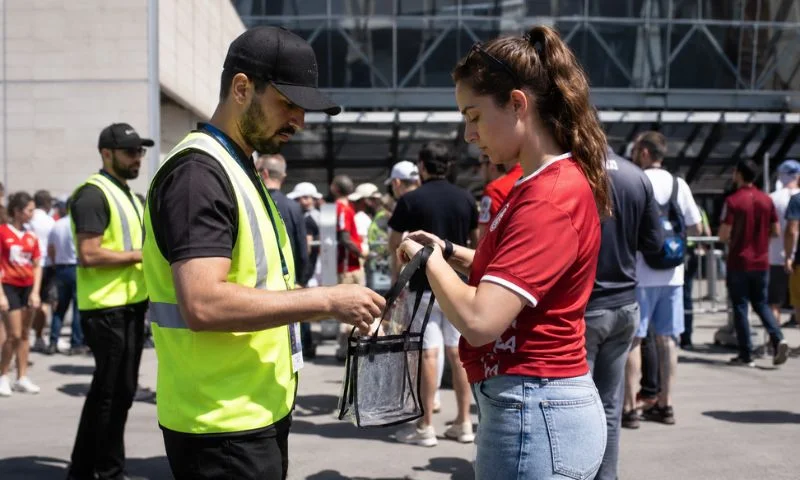
The updated code states: “For the avoidance of doubt, reusable water bottles may not be brought into the stadium.”
FIFA Defends the Decision
FIFA says safety concerns drove the policy shift.
“Fifa is committed to protecting the health and safety of all players, referees, fans, volunteers, and staff,” a FIFA spokesperson told AFP.
“Fifa made the decision to prohibit bottles to prevent risk and injury to players and attendees.
“Outside bottles are already prohibited at several of these venues for safety considerations, and Fifa is applying this consideration across its tournament stadiums.”
Several host venues already ban outside bottles during sporting events. FIFA decided to apply the same rule across all World Cup stadiums.
The organisation says fans will still have access to hydration facilities. These include misting stations, cooling tents, fans and dedicated hydration points.
FIFA also said spectators can buy bottled water inside stadiums. According to the governing body, prices will remain similar to those charged during other events.
Heat Concerns Continue to Grow
The announcement comes as climate experts warn about the risk of extreme heat during the tournament.
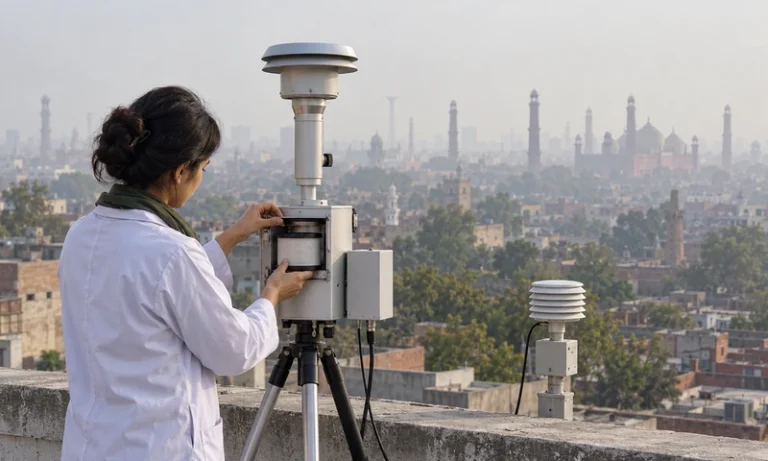
Last month, the World Weather Attribution research group released a report on World Cup conditions. Researchers estimated that 26 of the tournament’s 104 matches could take place in conditions where the Wet Bulb Globe Temperature exceeds 26 degrees Celsius.
The Wet Bulb Globe Temperature, or WBGT, measures heat stress on the human body. It combines temperature, humidity, sunlight and wind into a single index.
Scientists and sports organisations use WBGT to assess heat-related risks.
Several host cities could experience high temperatures during the competition. Concerns about fan safety have therefore intensified in recent months.
Similar issues emerged during last year’s FIFA Club World Cup in the United States. Many supporters complained about intense heat inside venues. Tournament organisers also banned outside water bottles during that competition.
The 2026 World Cup will feature 48 teams and 104 matches. It will be the largest tournament in FIFA history.
Organisers expect record crowds across North America. As kickoff approaches, the debate over fan comfort, hydration and safety is likely to continue.
For now, supporters attending matches must leave reusable water bottles at home. They will need to rely on hydration stations or purchase water inside the stadiums.