
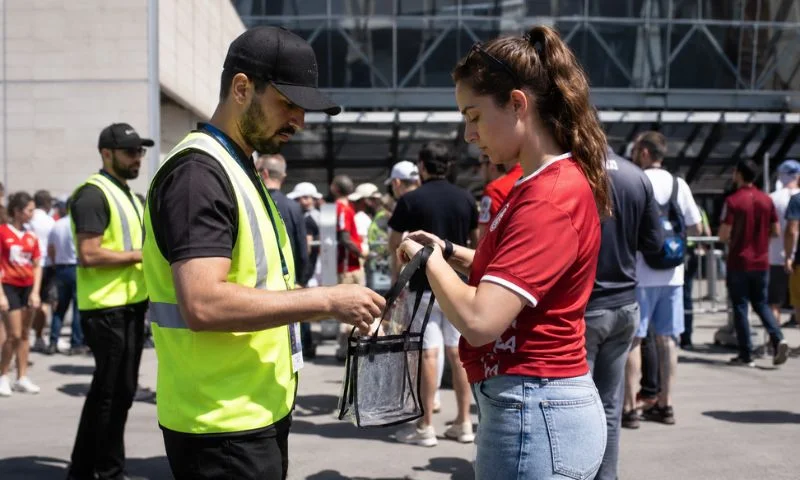
FIFA has introduced a controversial policy ahead of the 2026 World Cup. The governing body will not allow fans to bring refillable water bottles into stadiums across the United States, Canada and Mexico. The decision has triggered debate among supporters and health experts. Many have raised concerns about spectator welfare during the summer tournament. The Athletic first reported the policy change. FIFA later confirmed it in a statement. Just weeks ago, FIFA allowed fans to carry empty transparent reusable plastic bottles with a capacity of up to one litre into stadiums. The earlier code of conduct stated: “For the avoidance of doubt, empty, transparent, reusable plastic bottles, up to (1 litre in) capacity, may be brought into the Stadium.” FIFA has now changed that rule. The updated code states: “For the avoidance of doubt, reusable water bottles may not be brought into the stadium.” FIFA Defends the Decision FIFA says safety concerns drove the policy shift. “Fifa is committed to protecting the health and safety of all players, referees, fans, volunteers, and staff,” a FIFA spokesperson told AFP. “Fifa made the decision to prohibit bottles to prevent risk and injury to players and attendees. “Outside bottles are already prohibited at several of these venues for safety considerations, and Fifa is applying this consideration across its tournament stadiums.” Several host venues already ban outside bottles during sporting events. FIFA decided to apply the same rule across all World Cup stadiums. The organisation says fans will still have access to hydration facilities. These include misting stations, cooling tents, fans and dedicated hydration points. FIFA also said spectators can buy bottled water inside stadiums. According to the governing body, prices will remain similar to those charged during other events. Heat Concerns Continue to Grow The announcement comes as climate experts warn about the risk of extreme heat during the tournament. Last month, the World Weather Attribution research group released a report on World Cup conditions. Researchers estimated that 26 of the tournament’s 104 matches could take place in conditions where the Wet Bulb Globe Temperature exceeds 26 degrees Celsius. The Wet Bulb Globe Temperature, or WBGT, measures heat stress on the human body. It combines temperature, humidity, sunlight and wind into a single index. Scientists and sports organisations use WBGT to assess heat-related risks. Several host cities could experience high temperatures during the competition. Concerns about fan safety have therefore intensified in recent months. Similar issues emerged during last year’s FIFA Club World Cup in the United States. Many supporters complained about intense heat inside venues. Tournament organisers also banned outside water bottles during that competition. The 2026 World Cup will feature 48 teams and 104 matches. It will be the largest tournament in FIFA history. Organisers expect record crowds across North America. As kickoff approaches, the debate over fan comfort, hydration and safety is likely to continue. For now, supporters attending matches must leave reusable water bottles at home. They will need to rely on hydration stations or purchase water inside the stadiums.
Trump Administration Waives $15,000 Visa Bond for World Cup Fans
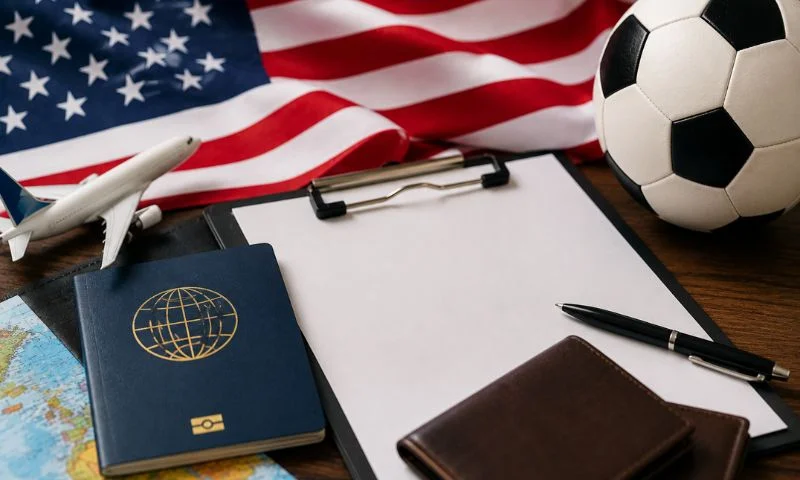
The administration of Donald Trump has announced a major visa exemption for football supporters travelling to the FIFA World Cup 2026 in the United States. Under the new policy, fans from 50 countries will no longer need to pay a $15,000 visa bond if they hold valid World Cup match tickets. The World Cup will take place across the United States, Canada and Mexico from June 11. Five affected countries have already qualified for the tournament. These countries include Algeria, Cape Verde, Ivory Coast, Senegal and Tunisia. “We are waiving visa bonds for qualified fans who bought World Cup tickets,” Assistant Secretary of State for Consular Affairs Mora Namdar told the BBC. The Trump administration introduced the visa bond policy last year as part of its wider immigration crackdown. World Cup Pushes Temporary Visa Shift The 12-month pilot programme required some travellers to deposit up to $15,000 to discourage visa overstays. According to the US State Department, officials targeted countries where “screening and vetting information is considered deficient.” Authorities planned to refund the bond after visitors returned home at the end of their stay. Until now, only players and coaches travelling for the tournament qualified for the exemption. However, officials expanded the waiver this week to include ordinary fans with confirmed World Cup tickets. Read More: FIFA’s Massive World Cup 2026 Twist Changes Opening Ceremony Tradition Forever In a statement, FIFA welcomed the decision and praised cooperation with the White House. The organization said the move showed continued collaboration “to deliver a successful, record-breaking and unforgettable global event.” “We are grateful to the Administration for the ongoing partnership,” FIFA added. Analysts say the decision highlights the economic importance of international tourism ahead of the largest World Cup in FIFA history. Travel Restrictions Still Raise Concerns Despite the exemption, several immigration restrictions remain in place ahead of the tournament. Travellers from Iran and Haiti still face broader travel bans. However, players and coaches from those countries can still enter for official tournament participation. Meanwhile, visitors from Ivory Coast and Senegal continue facing partial restrictions under an expanded travel policy. Last year, the US government also introduced plans requiring travellers from dozens of countries to provide five years of social media history before entry approval. Rights groups warned that stricter screening measures could increase denied entries, surveillance and racial profiling risks. The World Cup is expected to attract millions of international supporters to North America. As a result, immigration procedures and border policies will remain under global scrutiny before the tournament begins.

Palestinian-Chilean Star Elyanna Takes Center Stage at FIFA World Cup 2026
Palestinian-Chilean Star Elyanna has joined the official soundtrack lineup for the FIFA World Cup 2026 with her new single Illuminate, a collaboration with Canadian singer-songwriter Jessie Reyez. The release marks another major international milestone for the 24-year-old artist, who has become one of the most recognizable Arab voices in global pop music. Illuminate arrives shortly after FIFA confirmed Elyanna as one of the performers for the ceremony before Canada hosts its opening tournament match on June 12 at Toronto’s BMO Field. Read More: FIFA’s Massive World Cup 2026 Twist Changes Opening Ceremony Tradition Forever The lineup for the event also includes Alanis Morissette, Michael Buble and Alessia Cara. The song becomes the fourth release from The Official FIFA World Cup 2026 Album. Earlier tracks included Lighter by Jelly Roll and Carin Leon, Por Ella by Los Angeles Azules and Belinda, and Echo by Daddy Yankee and Shenseea. FIFA Expands Global Music Identity for 2026 Tournament Produced by Canadian hitmaker Cirkut, Illuminate follows FIFA’s long tradition of pairing major international tournaments with cross-cultural pop collaborations. Cirkut previously worked on global hits including Katy Perry’s Roar and Miley Cyrus’s Wrecking Ball. The 2026 World Cup marks the first time the tournament will take place across three host nations: the United States, Mexico and Canada. Organizers have increasingly positioned music as a key cultural element of the tournament experience. “I am deeply proud to represent my culture, my country, and the Middle East, North Africa, and the Arab world on such a global stage … through this song Illuminate,” Elyanna said in a statement. She added that the World Cup “brings people from all over the world together to celebrate culture and humanity”. Illuminate was co-written by Elyanna alongside longtime collaborators including her mother Abeer Sbiat Marjieh, brother Feras Margieh and Lebanese-Canadian artist Massari. The music video features montages of iconic World Cup moments and appearances from football legends including Diego Maradona and Ronaldo Nazario. Arab Artists Gain Bigger Role in FIFA Music The release also reflects the growing influence of Arab and North African artists in FIFA’s entertainment strategy during recent tournaments. For the 2022 World Cup in Qatar, Qatari singer Aisha joined Davido and Trinidad Cardona on Hayya Hayya (Better Together). Artists including Balqees, Rahma Riad, Manal and Nora Fatehi also contributed to the Qatar soundtrack. FIFA’s current entertainment direction has been strongly shaped by Moroccan-Swedish producer RedOne, who serves as the organization’s creative entertainment executive. The soundtrack will continue expanding in the coming weeks. Shakira is expected to release a new World Cup anthem titled Dai Dai alongside Nigerian star Burna Boy later this week.
FIFA’s Massive World Cup 2026 Twist Changes Opening Ceremony Tradition Forever
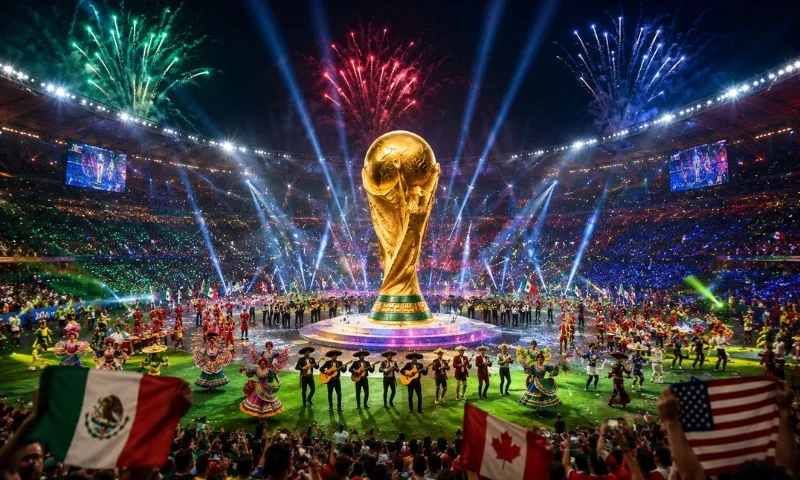
FIFA 2026 will stage separate opening ceremonies in Mexico, Canada and the United States before each host nation plays its first World Cup match. The move adds a fresh cultural element to the 2026 FIFA World Cup, which will become the biggest tournament in football history. The competition begins on June 11 at Estadio Azteca in Mexico City. The famous venue will become the first stadium to host opening matches at three FIFA World Cups after previously staging the 1970 and 1986 openers. Estadio Azteca FIFA confirmed that Grammy Award-winning Mexican band Mana will headline the Mexico City ceremony. Singers Alejandro Fernandez and Belinda will also perform. The organization said the show will celebrate Mexican heritage through music and dance. FIFA added that the concert will include Indigenous and “modern folkloric” performers. The opening match in Mexico City is expected to attract huge global attention. Fans will also return to the renovated Azteca Stadium, one of football’s most historic venues. The stadium hosted Diego Maradona’s legendary “Hand of God” goal and his famous solo strike against England during the 1986 World Cup. Canada and US Plan Star-Studded Shows Canada will stage its ceremony before the country’s opening group-stage match against Bosnia and Herzegovina in Toronto on June 12. FIFA announced performances by Alanis Morissette, Michael Buble, Alessia Cara and William Prince. Los Angeles-based DJ Sanjoy will also appear during the event. FIFA said a “mosaic-inspired reimagining of the FIFA World Cup Trophy will reflect Canada’s diversity and community.” Later that day, the United States will host its own ceremony before the US team faces Paraguay in Los Angeles. Pop star Katy Perry will headline the event. Rapper Future will also perform. The lineup includes Brazilian singer Anitta, Thai rapper LISA, Nigerian artist Rema and South African Grammy winner Tyla. FIFA described the US show as a production focused on “delivering a high-energy spectacle that reflects the scale, ambition and cultural power of the tournament itself.” Biggest FIFA World Cup Ever The 2026 tournament will feature 48 teams instead of 32. FIFA expects record-breaking attendance and television audiences across North America. The tournament also marks only the second time that multiple countries will co-host the World Cup. South Korea and Japan jointly hosted the 2002 edition, with South Korea staging the opening ceremony. FIFA President Gianni Infantino has described the 2026 tournament as a landmark event for global football because of its expanded format and cross-border hosting model. The final will take place at MetLife Stadium on July 19, 2026.
‘Dai Dai’, Shakira Returns to the World Cup Stage After 16 Years
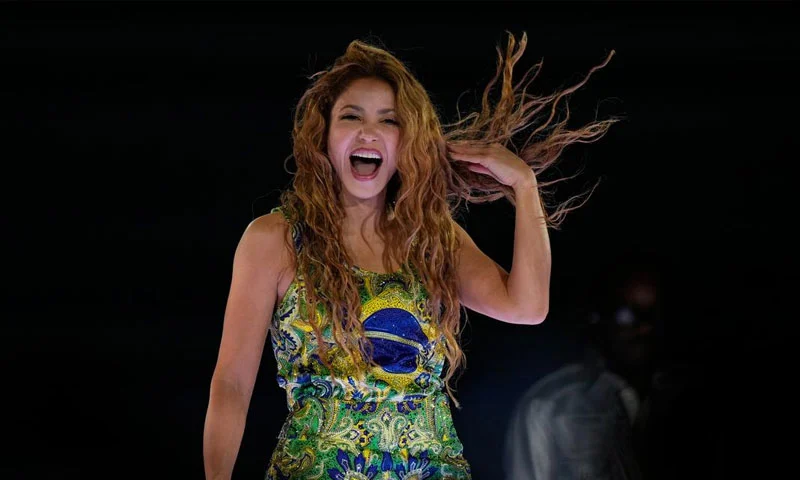
Global pop star Shakira has returned to the FIFA World Cup spotlight with a new official tournament song titled “Dai Dai,” reviving memories of her iconic 2010 anthem “Waka Waka (This Time For Africa).” The Colombian singer unveiled a one-minute teaser clip on Thursday from the legendary Maracanã Stadium in Rio de Janeiro, one of football’s most iconic venues. Posting the preview on social media, Shakira wrote: “From Maracaná Stadium, here is ‘Dai Dai,’ the FIFA World Cup Official Song 2026.” Read More: Players Risk Red Cards for Covering Mouths at FIFA World Cup She also tagged Nigerian Afrobeats superstar Burna Boy, signaling his involvement in the project. The teaser shows Shakira performing on the Maracanã pitch alongside dancers in a vibrant stadium atmosphere. From Maracaná Stadium, here is “Dai Dai,” the @FIFAWorldCup Official Song 2026. Coming 5/14. We’re ready! ⚽️🐺 @burnaboy pic.twitter.com/UcfpO0s7jN— Shakira (@shakira) May 7, 2026 According to her post, the full version of the song will release on May 14, just weeks before the FIFA World Cup 2026 begins across the United States, Mexico and Canada. FIFA World Cup countdown begins The 2026 FIFA World Cup will kick off on June 11, with Mexico national football team set to face South Africa national football team at Estadio Azteca in Mexico City. The final will take place on July 19 at MetLife Stadium in New Jersey, just outside New York City. Shakira’s return to the tournament soundtrack comes 16 years after “Waka Waka” became one of the most recognizable World Cup songs in history. Released for the 2010 FIFA World Cup in South Africa, the track combined African rhythms with pop production and became a global chart success. The singer has long maintained a strong connection with football audiences worldwide through her World Cup performances and international stadium appearances. Competition grows around World Cup music “Dai Dai” arrives amid growing competition among brands and artists seeking to dominate the World Cup music landscape. Earlier this year, beverage giant Coca-Cola unveiled its own anthem campaign tied to the tournament. The track reimagines Van Halen’s classic song “Jump” and features Colombian reggaeton star J Balvin, drummer Travis Barker, singer Amber Mark and guitarist Steve Vai. Read More: From $15 to $150: Train Fare Spike Hits FIFA World Cup Fans Balvin previously described the challenge of adapting the rock anthem for football audiences. “‘Jump’ is not a fútbol song,” he told the Associated Press in March. “So that’s why I had to put the Latin love and passion for fútbol (in the lyrics).” The updated version blends Brazilian funk influences, hip-hop production and Latin-inspired lyrics. Producers also retained the original song’s signature guitar elements while adding stronger percussion layers. Still, FIFA’s official anthem traditionally holds a special cultural position during the tournament, often becoming deeply associated with fan celebrations and global football memories. With “Dai Dai,” Shakira appears set to once again place herself at the center of football’s biggest global spectacle.
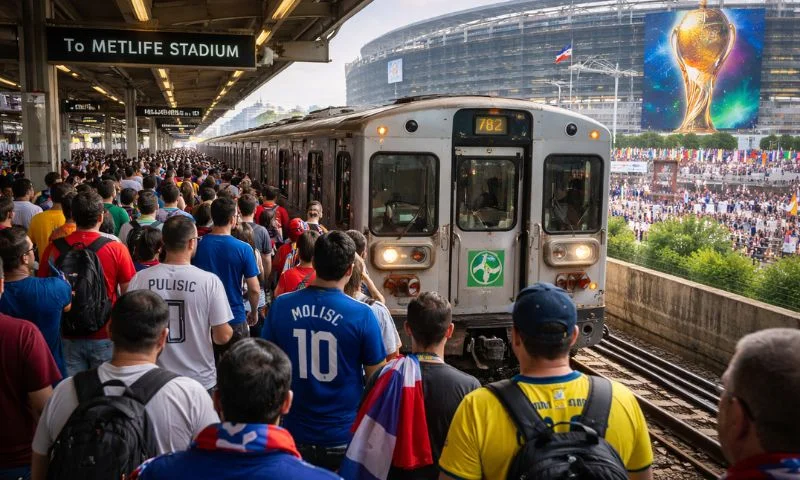
$100 Train Ride? US Lawmaker Demands FIFA Pay World Cup Costs
A senior US lawmaker has called on football’s governing body FIFA to cover public transportation costs for the 2026 World Cup, as concerns grow over rising expenses for fans attending matches across the United States. The demand comes after reports that transport fares for fans traveling to matches could surge dramatically, adding to mounting criticism over already high ticket prices for the tournament. Transport costs spark political pushback US Senate Minority Leader Chuck Schumer said FIFA, which is expected to generate billions in revenue from the tournament, should step in to ease the burden on local residents and visitors. “FIFA is set to reap nearly $11 billion from this summer’s World Cup, yet New York area commuters and residents are being handed the bill,” Schumer said. He added, “The least FIFA can do is ensure New York residents can go to the stadium without being gouged at the turnstile.” The remarks followed reports that New Jersey Transit could charge more than $100 for a single journey from Manhattan’s Penn Station to MetLife Stadium, compared to a regular fare of about $12.90. Mounting concerns over affordability The 2026 FIFA World Cup, scheduled from June 11 to July 19 and hosted across the United States, Canada and Mexico, is already facing criticism over ticket pricing. Lawmakers and fans have raised concerns about FIFA’s use of dynamic pricing, which allows ticket costs to fluctuate based on demand, pushing prices significantly higher for high-profile matches. Critics say the combination of expensive tickets and rising transport costs risks making the tournament inaccessible to ordinary fans. New York Governor Kathy Hochul also criticised the reported fare hikes, saying, “Charging over $100 for a short train ride sounds awfully high to me.” Financial burden on host cities According to reports, the cost of providing transport services for matches at MetLife Stadium alone could reach $48 million, raising questions over who should bear the financial burden. New Jersey Governor Mikie Sherrill has said the state will not pass these costs on to taxpayers, stating, “We are not going to be paying for moving the people who are viewing the World Cup on the back of New Jersey taxpayers and New Jersey commuters.” Similar concerns have emerged in other host cities. In Boston, for example, return train tickets to Gillette Stadium could rise to around $80, up from about $20. Broader debate over World Cup costs The controversy highlights wider tensions surrounding the financial impact of hosting major global sporting events. The 2026 World Cup will be the largest in history, featuring 48 teams across 16 cities, and is expected to draw millions of fans. However, the decentralised structure of the US hosting model means local authorities are often responsible for infrastructure, security and transport arrangements, placing pressure on city budgets. Analysts say this has led to growing calls for FIFA to contribute more directly to operational costs, particularly as the organisation stands to generate record revenues. Outlook With ticket prices already under scrutiny and transport costs becoming a new flashpoint, pressure is mounting on FIFA to address affordability concerns ahead of the tournament. While no final decisions have been made on transport pricing, the issue is likely to remain a key point of debate as preparations for the World Cup intensify.
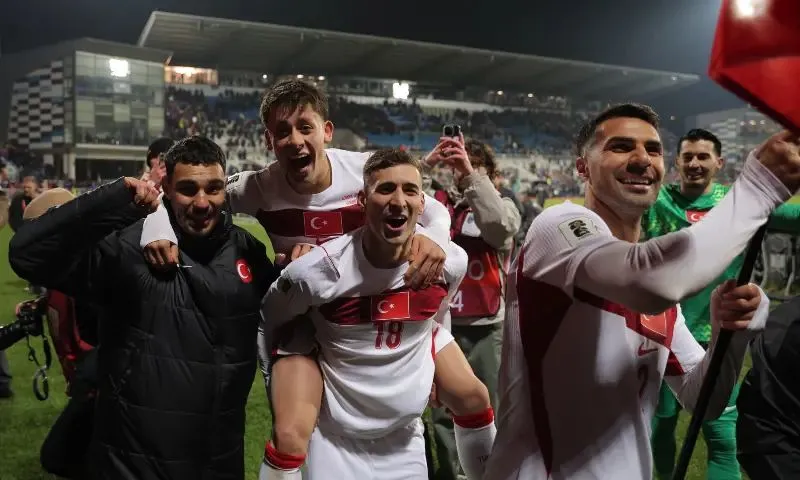
Türkiye Qualify for World Cup After 24 Years with Dramatic Win
Türkiye secured a place in the FIFA World Cup for the first time in 24 years after defeating Kosovo 1-0 in a high-stakes playoff final. The decisive moment came in the 53rd minute when forward Kerem Akturkoglu scored from close range, finishing a move that began with a driving run by Kenan Yildiz and a shot from Orkun Kokcu. The victory marks Türkiye’s return to football’s biggest stage for the first time since 2002, when they famously reached the semi-finals. Emotional reactions after historic qualification The result sparked emotional scenes among players and fans alike, ending years of near-misses and failed qualifying campaigns. Speaking after the match, Akturkoglu said, “Thank God. It has been 24 years. Some of us were not even born the last time we qualified, and some were too young to remember.” He added, “Now we will give the next generation something to dream about at the 2026 World Cup. We want to make our country proud.” Head coach Vincenzo Montella also expressed pride in his team’s achievement, saying, “Emotionally I am at the top. I am incredibly proud… We have achieved our dream.” He further described the moment as unforgettable, adding, “The World Cup is the pinnacle.” A journey shaped by resilience and rebuilding Türkiye’s qualification is the culmination of a long rebuilding process under Montella, who has blended young talent with experienced players. The team had struggled for more than two decades to return to the World Cup, falling short in several campaigns despite strong squads. Their recent run included a crucial semi-final victory over Romania, which set up the decisive clash against Kosovo. Analysts note that Türkiye’s improved structure, tactical discipline, and emerging stars have played a key role in their resurgence on the international stage. Kosovo fall short of historic first qualification For Kosovo, the defeat was heartbreaking as they came close to securing their first-ever appearance at a major international tournament. Ranked 79th in the world, Kosovo had enjoyed a remarkable qualifying campaign, reaching the playoff final less than a decade after joining FIFA and UEFA. Playing in front of a sold-out home crowd, the hosts pushed hard for an equaliser in the closing stages, creating several chances but failing to break through Türkiye’s defence. Goalkeeper Ugurcan Cakir played a key role in preserving the lead as Türkiye held firm under pressure. Nationwide celebrations erupt in Türkiye Following the final whistle, celebrations erupted across Türkiye, with fans taking to the streets waving flags and celebrating the team’s historic return to the World Cup. The qualification marks only the third time Türkiye has reached the tournament, further highlighting the significance of the achievement. Group stage challenge awaits Türkiye Looking ahead, Türkiye has been placed in Group D of the 2026 FIFA World Cup, where they will face Australia, Paraguay, and co-hosts the United States. The tournament will be jointly hosted by the United States, Canada, and Mexico, making it one of the largest editions in World Cup history. Broader context: A new generation emerges Türkiye’s return signals the rise of a new generation of players aiming to replicate or surpass the success of the 2002 squad. With talents like Arda Guler, Kenan Yildiz, and Orkun Kokcu emerging as key contributors, the team is seen as one to watch in the upcoming tournament. Experts believe that this qualification could mark the beginning of a new era for Turkish football on the global stage.

TikTok Named FIFA’s First Preferred Platform: A New Era for World Cup 2026 Fans
Football fans around the world are set to experience the FIFA World Cup 2026 in a whole new way thanks to a groundbreaking partnership between FIFA and TikTok. On January 14, 2026, officials announced TikTok will become FIFA’s first-ever “Preferred Platform” for the global tournament, signaling a major evolution in how fans connect with the sport’s biggest event beyond traditional TV broadcasts. Under the global agreement that runs until the end of 2026, TikTok will offer expanded official coverage, behind-the-scenes access, and interactive fan experiences related to the 48-team event. This makes it a central destination for football content, creator collaborations, and community engagement during the tournament, which runs from June 11 to July 19 across the United States, Mexico, and Canada. At the heart of the deal is the FIFA World Cup 2026 hub, powered by TikTok GamePlan, an immersive digital destination where users can discover official match content, ticket and viewing information, and interactive features like custom filters, stickers, and gamification tools. These elements aim to make fans feel part of the tournament in real time. FIFA Secretary General Mattias Grafström explained the vision: “FIFA’s goal is to share the exhilaration of the FIFA World Cup 2026 with as many fans as possible, and we can’t think of a better way to further that mission than to have TikTok as the tournament’s first Preferred Platform.” His comments underscore how the partnership is designed to widen football’s reach, especially among younger, digitally native audiences. For the first time in World Cup history, a structured global creator programme will give selected TikTok creators unprecedented access to exclusive moments like press conferences and training sessions. A broader group of creators will also have opportunities to co-create content using FIFA’s archival footage, bringing fresh and personal stories from the World Cup to millions of viewers. This agreement builds on the success of the FIFA Women’s World Cup 2023 partnership with TikTok, which generated tens of billions of views globally and showed how digital platforms have transformed sports consumption. The deal also opens doors for FIFA’s official media partners and broadcasters. They will be able to live-stream parts of the matches, post curated clips, and monetise content through TikTok’s premium advertising solutions while respecting FIFA’s intellectual property protections. As the 2026 World Cup approaches, this innovative alliance promises to make the tournament more accessible, interactive, and exciting for fans everywhere — turning every goal, highlight, and fan reaction into a global digital moment.
