
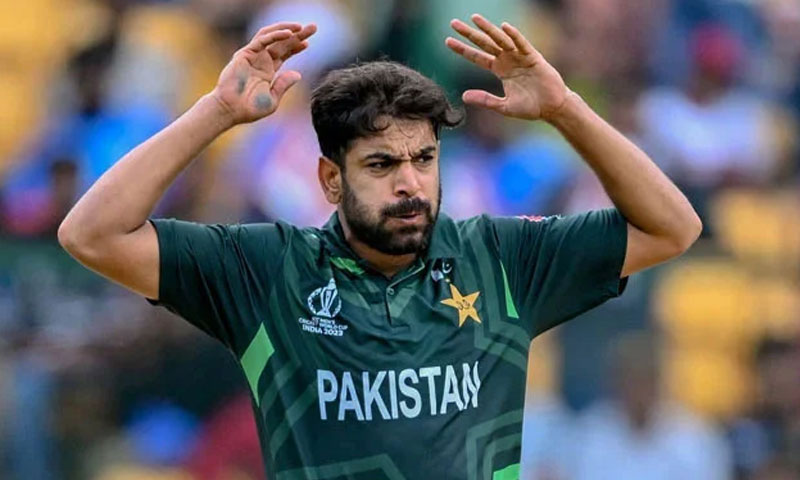
Fast bowler Haris Rauf is likely to miss out on selection for Pakistan’s squad for the ICC T20 World Cup 2026, scheduled to be held from February 7 to March 8 across India and Sri Lanka. According to Geo News, Rauf is not expected to be included in the 15-member squad being finalised for the marquee tournament. The right-arm pacer last represented Pakistan in the T20 format during the Asia Cup 2025 final against India and has not featured in the team since. Reports further revealed that Pakistan head coach Mike Hesson is not in favour of Rauf’s selection following his costly outing in the Asia Cup final in September 2025. In that match, Rauf conceded 50 runs in 3.4 overs without claiming a wicket, as India chased down a modest 147-run target in 19.4 overs to lift the trophy. Despite being Pakistan’s most prolific wicket-taker in T20 internationals — with 133 wickets in 94 matches — Rauf’s recent form and economy rate in high-pressure games have reportedly raised concerns within the team management. The pacer is currently playing in Australia’s Big Bash League, where he is representing the Melbourne Stars. Meanwhile, consultations are ongoing regarding Pakistan’s final squad for the T20 World Cup and the upcoming home T20I series against Australia. The Pakistan Cricket Board has already submitted a preliminary list of players to the International Cricket Council, although changes can still be made without ICC approval until January 31. Sources indicate that the probable squad includes captain Salman Ali Agha, Sahibzada Farhan, Saim Ayub, Fakhar Zaman, Shadab Khan, Babar Azam, Faheem Ashraf, Mohammad Nawaz, Usman Khan, and Abrar Ahmed. Other players under consideration are Shaheen Shah Afridi, Naseem Shah, Salman Mirza, and Khawaja Nafay. Abdul Samad, Mohammad Wasim Jr, and Usman Tariq are expected to be named among the reserve players. Pakistan have been placed in Group A alongside India, the United States, the Netherlands, and Namibia. All of Pakistan’s group-stage matches will be played in Sri Lanka. The Men in Green will begin their World Cup campaign against the Netherlands on February 7 in Colombo, followed by matches against the USA on February 10, arch-rivals India on February 15, and Namibia on February 18. Pakistan’s Super Eight fixtures, if qualified, will be held in Colombo and Kandy.
PCB Hits Pause on T20 World Cup Preparations as Bangladesh Issue Remains Unresolved
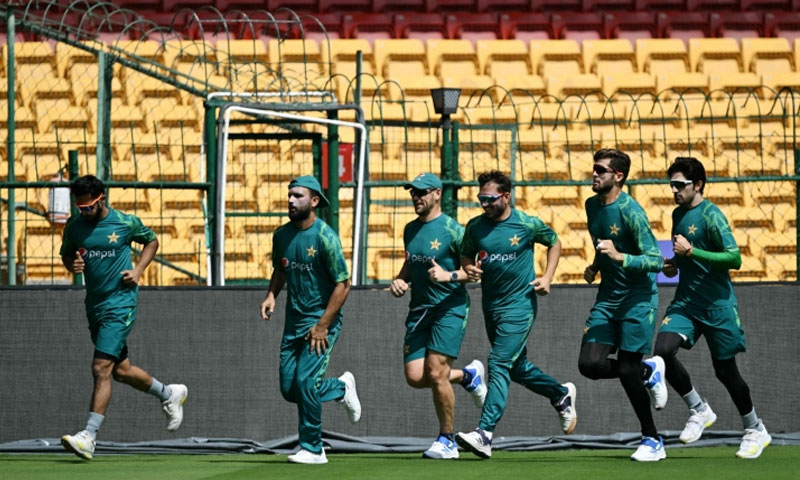
Growing uncertainty over Bangladesh’s participation in the ICC Men’s T20 World Cup has prompted the Pakistan Cricket Board (PCB) to halt preparations for the national team, media reports said, weeks ahead of the tournament in India and Sri Lanka. Media reports, citing informed sources, said Pakistan’s team management has been told that a formal briefing will be held later to outline the next steps. Officials have also been directed to develop a contingency plan should Pakistan ultimately decide not to take part in the event. According to the reports, Pakistan has expressed full support for Bangladesh’s reluctance to travel to India, describing the neighbouring country’s security concerns as “reasonable and valid.” Sources added that Islamabad could reassess its own participation if the matter remains unresolved. Officials were quoted as saying that no country should be pressured or coerced regarding hosting duties or participation decisions in international tournaments. Earlier media reports suggested that Pakistan has begun internally reviewing its position on the World Cup, linking its participation to how Bangladesh’s concerns are addressed by tournament organisers. PCB Offers to Host Matches On January 11, the PCB publicly offered to host Bangladesh’s matches if Sri Lankan venues are unavailable. Board officials said Pakistan’s grounds are fully prepared to stage World Cup fixtures, pointing to the country’s recent experience of hosting major ICC events, including the Champions Trophy 2025 and the ICC Women’s Qualifier. Ireland Confirms Schedule Will Not Change In a related development, Cricket Ireland clarified that the International Cricket Council will not shift Ireland’s group-stage matches from Sri Lanka, dismissing speculation that Bangladesh could be moved to a different group due to travel concerns. “We’ve received definitive assurances that we won’t move from the original schedule. We’re definitely playing the group stage in Sri Lanka,” a Cricket Ireland official was quoted as saying. Bangladesh’s Decision Expected Soon A final decision on Bangladesh’s participation—particularly regarding travel to India—is expected by January 21, following recent discussions between the ICC and the Bangladesh Cricket Board in Dhaka. During their second meeting within a week, BCB officials reportedly reaffirmed Bangladesh’s willingness to compete in the tournament but expressed a preference for playing matches outside India. Sri Lanka was proposed as a potential alternative venue. The ICC has maintained that the tournament schedule will remain unchanged. Under the current fixtures, Bangladesh are placed in Group C and are scheduled to open their campaign against West Indies in Kolkata, followed by two additional group matches at the same venue before concluding the group stage in Mumbai. ICC officials have reportedly informed the BCB that there is no specific security threat to the Bangladesh team in India. Replacement Scenario Considered Should Bangladesh ultimately decide against travelling to India, media reports indicate that the ICC may nominate a replacement team, with Scotland currently next in line based on international rankings.
T20 World Cup Uncertainty Continues as Ireland Confirms It Will Not Play in India
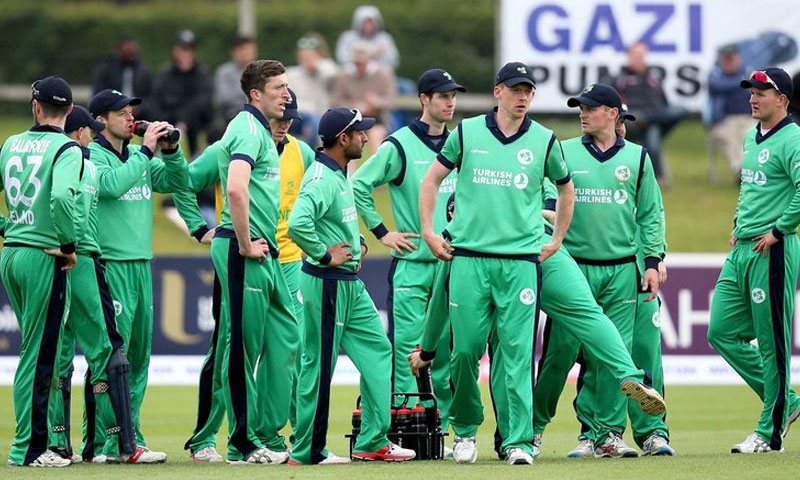
Cricket Ireland has firmly stated that Ireland will not play its ICC Men’s T20 World Cup 2026 group-stage matches in India, dismissing speculation that a group swap with Bangladesh was being considered. The clarification comes after claims from Bangladesh that the Bangladesh Cricket Board (BCB) had approached the International Cricket Council (ICC) to explore exchanging groups with Ireland due to security concerns related to travel and participation in India. A Cricket Ireland official confirmed that the matter has been conclusively settled. “We’ve received definitive assurances that we won’t move from the original schedule. We’re definitely playing the group stage in Sri Lanka,” the official said. Ireland fixed in Sri Lanka-based group Ireland have been drawn in Group C, alongside Sri Lanka, Australia, Zimbabwe and Oman, with all of their group-stage matches scheduled to be played in Sri Lanka, one of the two co-hosts of the tournament. Cricket Ireland’s stance makes clear that the board has no intention of relocating its matches to India, regardless of any discussions involving other teams or groups. Bangladesh seeks venue change Bangladesh, meanwhile, are placed in Group B with West Indies, England, Nepal and Italy. Under the current schedule, Bangladesh are due to play their first three matches in Kolkata — against West Indies on February 7, Italy on February 9 and England on February 14 — before facing Nepal in Mumbai on February 17. The BCB confirmed that it raised the possibility of a group change during a meeting with ICC officials in Dhaka, citing concerns over the safety and security of its players, support staff, fans and media personnel. In a statement, the board said that “among other points, the possibility of moving Bangladesh to a different group as a means of facilitating the matter with minimum logistical adjustments was discussed.” However, Cricket Ireland’s confirmation indicates that any such proposal does not involve Ireland, and that the original group allocations remain intact. ICC discussions yield no change The ICC delegation at the Dhaka meeting included Gaurav Saxena, General Manager for Events and Corporate Communications, and Andrew Ephgrave, General Manager of the ICC Integrity Unit. Saxena joined the discussions virtually after receiving his Bangladesh visa later than expected, while Ephgrave attended in person. The BCB delegation was led by president Md Aminul Islam, along with vice-presidents Md Shakawath Hossain and Faruque Ahmed, Director and Cricket Operations Committee chairman Nazmul Abedeen, and CEO Nizam Uddin Chowdhury. In a separate statement, the BCB reiterated that it had formally requested the ICC to relocate Bangladesh’s matches to Sri Lanka, adding that the request reflected concerns expressed by the Bangladeshi government. Tensions remain The BCB has maintained that it is unwilling to send its team to India under the current circumstances, pointing to heightened tensions following Bangladesh pacer Mustafizur Rahman’s withdrawal from the Indian Premier League, an episode that sparked strong reactions in Dhaka. Despite the disagreement, the BCB said discussions with the ICC were conducted in a “constructive, cordial and professional” manner, and that dialogue on the issue would continue. Tournament overview The ICC Men’s T20 World Cup 2026 is scheduled to be held in India and Sri Lanka from February 7 to March 8. While Bangladesh’s participation venues remain under discussion, Cricket Ireland has made it clear that Ireland’s group-stage fixtures will remain in Sri Lanka and will not be shifted to India.
“Never Experienced This Before”: World No. 3 Anders Antonsen Quits India Open Over Delhi’s Air
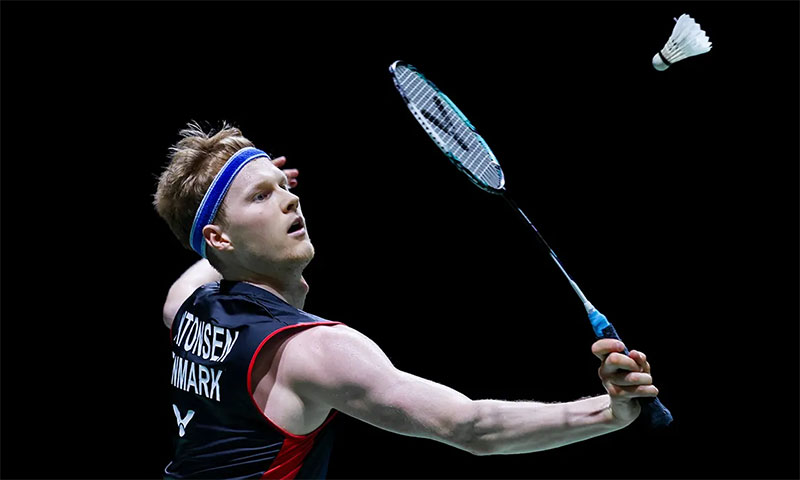
Denmark’s men’s singles world number three Anders Antonsen has withdrawn from the ongoing India Open, citing what he described as “extreme” air pollution in the Indian capital — a decision that will cost him a $5,000 fine under Badminton World Federation (BWF) regulations. Antonsen announced his withdrawal in a detailed statement on Instagram, where he explained that continuing to compete in the prevailing conditions posed serious health risks. “Many is curious to why I have pulled out of the India Open for the third consecutive year. Due to the extreme pollution in Delhi at the moment I don’t thinks it’s a place to host a badminton tournament. Crossing my fingers that it will be better in the Summer when the World Championships will take place in Delhi. As a result BWF once again has fined me 5000 USD,” Antonsen wrote on his Instagram story. Accepts Fine but Prioritises Health Under BWF tournament rules, players who withdraw after the draw has been made are subject to financial penalties. Antonsen confirmed he would accept a $5,000 fine, stating that the cost was secondary to protecting his long-term well-being. The Danish shuttler, a former World Championship silver medallist and one of the tournament’s top seeds, was widely seen as a strong title contender before his exit. Antonsen also referenced fellow Danish player Mia Blichfeldt, saying she had also been affected by the poor air quality in Delhi. “Mia has also been struggling with the conditions,” he noted, highlighting that the issue was not limited to one athlete but was impacting players more broadly. Renewed Focus on Delhi’s Air Quality The withdrawal has once again drawn international attention to Delhi’s persistent air pollution problem. The city frequently ranks among the world’s most polluted, with hazardous levels of particulate matter caused by traffic emissions, industrial pollution, construction dust, and seasonal factors. Medical experts warn that high pollution levels can severely affect lung function — a critical concern for elite badminton players, whose sport demands intense cardiovascular exertion and rapid recovery. Wider Debate on Athlete Safety Antonsen’s decision has reignited debate over whether international sporting events should proceed in cities facing severe environmental conditions. In recent years, athletes across multiple sports have raised concerns about competing in polluted environments, arguing that air quality should be treated as a core safety issue rather than a secondary concern. As the India Open continues, the withdrawal of one of its biggest stars stands as a stark reminder that environmental conditions can directly influence participation, performance, and the credibility of global sporting events.
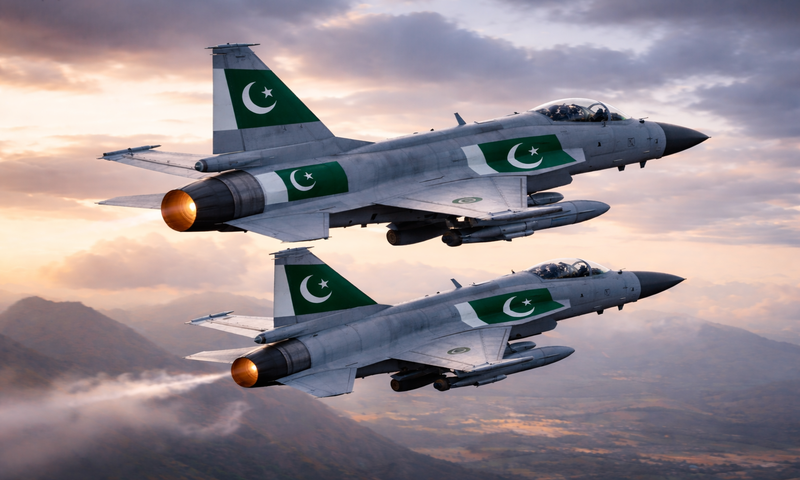
From Fighter Jet to Economic Asset: How JF-17 Is Redefining Pakistan’s Global Standing
For years, the JF-17 Thunder has been a central pillar of Pakistan’s air defence strategy. But following the military confrontation with India in May last year, the aircraft’s relevance has expanded well beyond national security. Today, the JF-17 is increasingly viewed as a tool of diplomacy, industrial growth, and economic opportunity — reshaping how Pakistan is perceived on the global stage. Developed and manufactured at Pakistan Aeronautical Complex in collaboration with China, the JF-17 represents one of Pakistan’s most advanced indigenous defence projects. Its growing visibility during recent regional tensions brought renewed international attention to the platform, particularly among countries seeking affordable yet capable combat aircraft. Major International Interest and Negotiations 1. BangladeshPakistan and Bangladesh have engaged in discussions over a potential defense pact that would include the sale of JF-17 fighters. This development follows improved diplomatic relations and could be one of the first export deals if finalized. 2. Saudi ArabiaPakistan and Saudi Arabia are reportedly in talks to potentially convert roughly $2 billion in Saudi loans into a JF-17 purchase deal, deepening defense cooperation between the two nations. While not formally concluded, the talks point to a strategic bond being reinforced around this aircraft. 3. IndonesiaOfficials from both Pakistan and Indonesia are advancing negotiations that could include the sale of over 40 JF-17 jets alongside Pakistani drones — part of Indonesia’s effort to modernize its air force. These discussions are described as progressing, though no final contract has been signed yet. 4. IraqRecent meetings between the air chiefs of Pakistan and Iraq have reportedly included expressions of interest by Iraq in acquiring JF-17 fighters along with support aircraft, signaling a widening defense relationship. 5. Libya and SudanPakistan has already concluded a major arms deal with Libya valued at around $4 billion, and is close to finalizing a $1.5 billion deal with Sudan that could include JF-17 fighters alongside other defense systems. 6. Other Potential OperatorsHistorical sources show that countries such as Nigeria and Myanmar already operate JF-17 aircraft, and various other nations have been reported in past years as potential future customers. What makes the JF-17 attractive is not just its operational capability, but the flexibility Pakistan offers in training, maintenance, and long-term support. Defence analysts note that many developing air forces are under pressure to modernize without relying heavily on costly Western platforms or restrictive procurement conditions. In this space, Pakistan has positioned itself as a credible and pragmatic partner. JF-17 talks confirmed with multiple countries, minister avoids naming them Pakistan’s Minister for Defence Production Raza Hayat Haraj has confirmed that any future export of the JF-17 Thunder fighter jet will require approval from China, as the aircraft is jointly developed by the two countries. Speaking in an interview with BBC Urdu, Haraj said Pakistan is currently engaged in discussions with several countries interested in acquiring the multirole combat aircraft. However, he declined to disclose the names of potential buyers, stressing that such negotiations remain confidential until formal agreements are reached. Beyond Defence: An Economic Opportunity The growing demand for the JF-17 carries significant economic implications for Pakistan. Defence exports are increasingly being viewed by policymakers as a potential source of foreign exchange at a time when the country is seeking to stabilise its economy and reduce reliance on external borrowing. Aircraft manufacturing, maintenance, and upgrades generate skilled employment, support local supply chains, and strengthen Pakistan’s industrial base. Each potential export deal also opens doors for ancillary services — including pilot training, technical support, spare parts, and long-term maintenance contracts — creating sustained economic value rather than one-time sales. Importantly, defence production anchored within Pakistan helps retain technological expertise at home, while enhancing the country’s bargaining power in international partnerships. Analysts argue that successful export programmes like the JF-17 can gradually shift Pakistan from being seen solely as a security-dependent state to one with tangible industrial and manufacturing credentials. Strategic Significance for Pakistan The JF-17’s expanding footprint is also reinforcing Pakistan’s strategic relevance. Defence cooperation often translates into deeper diplomatic ties, particularly with countries in Africa, Southeast Asia, and the Middle East that are diversifying their security partnerships. By offering a combat-proven, cost-effective fighter platform backed by local production, Pakistan is carving out a niche in a competitive global defence market. This not only strengthens bilateral relations but also places Islamabad in conversations traditionally dominated by larger arms exporters. A Symbol of Capability and Confidence From a national perspective, the JF-17 Thunder has evolved into more than a fighter jet. It represents Pakistan’s ability to design, manufacture, and export complex military systems — an achievement that carries both symbolic and practical weight. As interest continues to grow, the aircraft stands at the intersection of defence readiness and economic ambition. For Pakistan, the success of the JF-17 is increasingly tied not just to air superiority, but to broader goals of industrial resilience, strategic influence, and economic recovery.
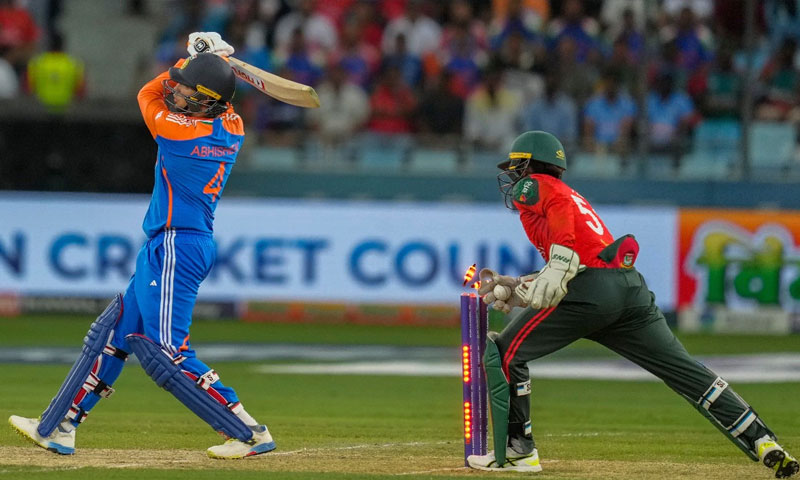
T20 World Cup: ICC Considers Venue Change for Bangladesh Matches, BCCI Responds
The International Cricket Council is examining possible changes to the venues for Bangladesh Cricket Board matches in the upcoming T20 World Cup, following a formal request from Bangladesh citing security concerns. India and Sri Lanka are scheduled to co-host the T20 World Cup, which begins on February 7. Bangladesh’s cricket board recently wrote to the ICC, asking that its matches be shifted to Sri Lanka amid rising tensions between the two neighbouring countries. According to BCB officials, the ICC has acknowledged the request and assured them that the matter is under consideration. ICC exploring alternative venues Recent media reports suggest that while Sri Lanka was Bangladesh’s preferred alternative, the ICC is instead evaluating Indian venues as a possible solution. Chennai and Thiruvananthapuram have reportedly emerged as potential options, replacing the originally assigned venues of Kolkata and Mumbai. However, no official announcement has been made by the ICC so far. The ICC, as the tournament’s governing body, is understood to be assessing logistical, security and operational aspects before taking a final call. Any change would require coordination with the host board and other stakeholders involved in the tournament schedule. BCCI says no communication received Reacting to the reports, Board of Control for Cricket in India secretary Devajit Saikia said the Indian board has not received any formal communication from the ICC regarding a venue change for Bangladesh’s matches. “The BCCI has not received any update about shifting Bangladesh matches to Chennai or any other venue. This matter is between the BCB and the ICC, as the ICC is the governing authority,” Saikia said in a statement to IANS. “If the ICC communicates any decision to us, the BCCI, as a host, will take the necessary steps. At present, we are not aware of any such development.” Bangladesh’s current schedule As per the existing fixture list, Bangladesh are set to play three group matches in Kolkata — against the West Indies on February 7, Italy on February 9, and England on February 14. The team is then scheduled to travel to Mumbai to face Nepal on February 17. For now, the schedule remains unchanged, with the ICC expected to take a final decision after consultations with all concerned boards.

How Pornographic Content Led to 88,000 Website Bans in Pakistan
The Pakistan Telecommunication Authority (PTA) has blocked more than 88,000 illegal website links during 2024 and 2025, reflecting an intensified regulatory drive to curb unlawful and harmful online content across digital platforms. Official figures show that over 88,000 URLs were restricted as part of the regulator’s ongoing efforts to enforce national laws and maintain digital discipline. The largest share of blocked content involved pornographic and obscene material, underscoring the authority’s continued focus on morality-related violations. Obscene and immoral content leads violations During the reporting period, the PTA blocked 38,214 URLs for hosting obscene or immoral material. Officials said such content was targeted to prevent the spread of material considered damaging to public decency and social norms. Another major category involved content related to national security and defence, with 31,313 URLs blocked for material deemed harmful to Pakistan’s security interests. The authority also restricted 7,608 website links for content found to be offensive to the dignity of Islam, while 6,269 URLs were taken down for promoting sectarianism or hate speech, highlighting ongoing concerns over online extremism and incitement. Defamation and court-related violations The report further revealed that 2,498 URLs were blocked for defamation and forgery-related content. An additional 353 links were restricted for hosting material considered contempt of court. Smaller numbers of websites were also blocked for other violations, including 15 URLs linked to proxy services and 1,765 URLs restricted under miscellaneous categories. Social media platforms under scrutiny Social media platforms accounted for a significant portion of the blocked content. TikTok topped the list, with 35,000 URLs restricted. This was followed by Facebook with 25,482 URLs, Instagram with 13,242, and YouTube with 8,586 URLs blocked. Other platforms included X with 2,103 URLs, Likee with 991, and Snack Video with 345 URLs restricted. Only three URLs were blocked on Dailymotion, indicating comparatively lower violations. Strengthening digital oversight PTA officials say the enforcement actions align with the authority’s mandate to promote a safer and more responsible digital environment. The regulator continues to monitor online platforms closely and coordinate with service providers to ensure compliance with Pakistan’s legal and regulatory framework. The scale of blocked content highlights the growing complexity of digital governance, as well as the government’s determination to tackle unlawful online activity amid rapidly expanding internet use.
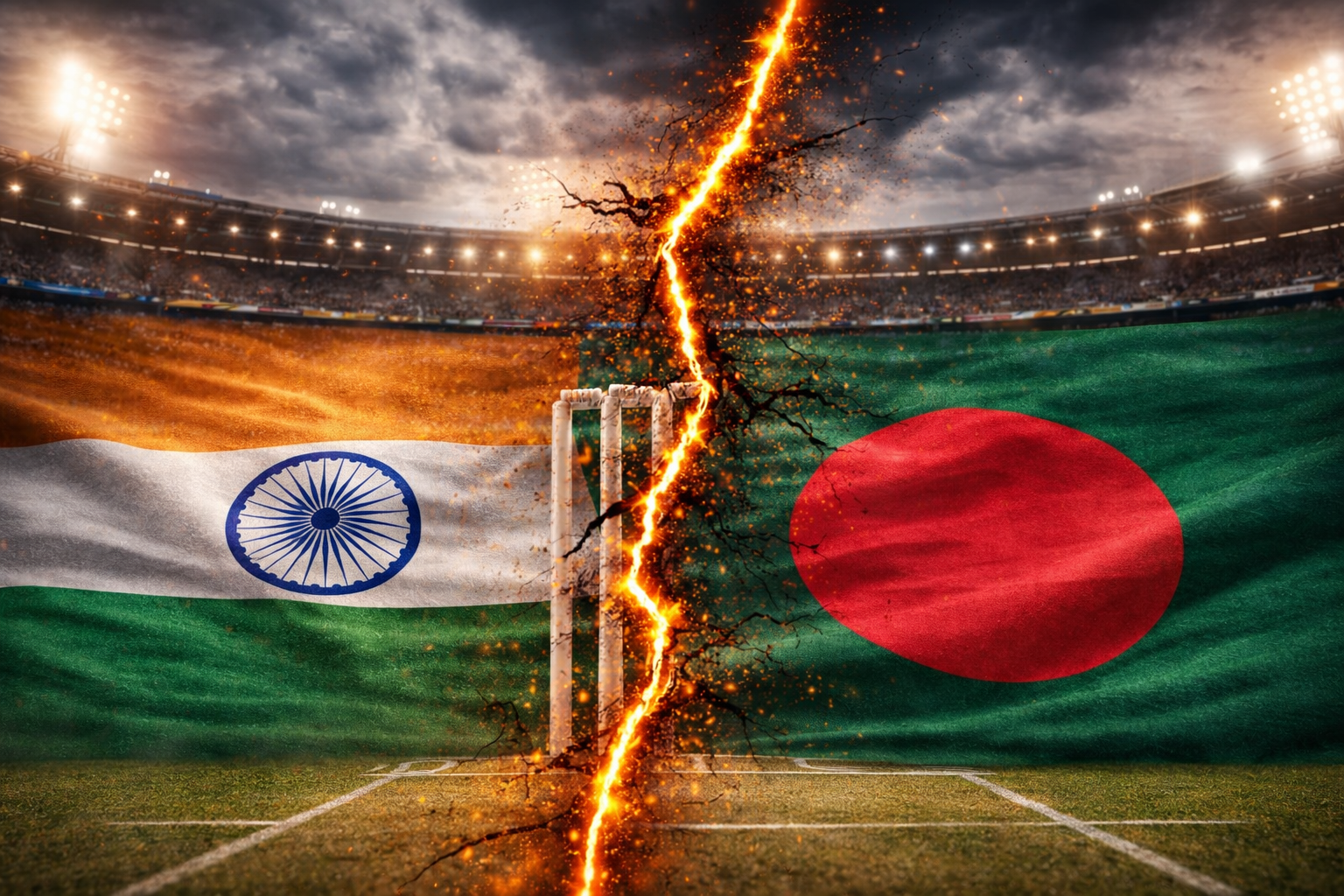
Bangladesh–India Dispute: When and Where Did the Rift That Reached Cricket Begin?
A growing diplomatic chill between Bangladesh and India has now spilled into international cricket, after Bangladesh’s board sought to avoid playing its scheduled ICC Men’s T20 World Cup 2026 matches in India—an escalation tied to a chain of events that began months earlier and later intensified around Bangladeshi fast bowler Mustafizur Rahman. The first spark: a killing and a surge of anger The deterioration in public sentiment accelerated after the death of a prominent Bangladeshi youth leader, which triggered unrest and violent protests in multiple cities. Reuters reported that the killing set off demonstrations and attacks on sites including media offices and political locations, as the government urged calm. In the aftermath, some political groups and activists in Bangladesh alleged Indian involvement, a claim that circulated widely in protests and online messaging, further worsening public emotions—though such allegations have been disputed and were not presented as established fact in credible reporting. Pressure builds: incidents and reactions across the border As unrest grew, bilateral tensions widened. Reuters later noted that the relationship was already strained due to other developments, including communal incidents and protests, and broader political complications involving Bangladesh’s former leader Sheikh Hasina being in India. This atmosphere, analysts say, created a new risk: that sport—usually kept separate—would become a public arena for anger and retaliation. The turning point: Mustafizur Rahman and Kolkata Knight Riders That risk became real when Mustafizur Rahman’s IPL participation turned into a controversy. Multiple outlets reported that the BCCI instructed Kolkata Knight Riders (KKR) to release Mustafizur from their IPL plans, linking the instruction to “recent developments” connected to the wider political situation. In Bangladesh, the decision was widely perceived as humiliating and politically driven. Some commentary framed it as the result of pressure from hardline groups and nationalist sentiment in India—though KKR and Indian cricket authorities publicly emphasized administrative and security considerations rather than street pressure narratives. The World Cup fallout: Bangladesh asks to move matches out of India Soon after, Bangladesh’s position hardened. Reuters reported Bangladesh would not play its scheduled T20 World Cup matches in India, citing security concerns, and that the BCB formally asked the ICC to relocate matches to a neutral venue, with Sri Lanka named as a preferred option. The report linked the cricket decision to the Mustafizur episode and worsening bilateral climate, showing how quickly a franchise-league move can trigger international consequences when relations are already tense. Why this matters World Cups run on fixed logistics: venues, visas, broadcasting, and security planning. A relocation request forces the ICC into a sensitive space—balancing safety, fairness, and tournament integrity—while both countries face intense public scrutiny at home.
