


Pakistan’s digital landscape is changing fast. The latest Household Integrated Economic Survey (HIES) 2024-25 reveals a major leap in internet access and usage, showing how millions more Pakistanis are now connected to the world. According to the Pakistan Bureau of Statistics, household internet access jumped from 34 % to 70 %, while individual internet use expanded sharply from 17 % to 57 %, a dramatic rise in just one survey cycle. This surge is partly due to the spread of mobile phones and smartphones, which are now present in 96 % of households. That number means nearly every home across urban and rural Pakistan has at least one device capable of internet access, lifting digital connectivity to record levels. Experts say this expansion matters far beyond just scrolling social media. Increased internet access opens doors to online learning, e-commerce, and remote work, helping people access opportunities they couldn’t before. A fully digital HIES, conducted after the 2023 Digital Population and Housing Census, used modern tech tools to monitor data collection in real time, giving policymakers a clear picture of how connectivity is evolving nationwide. The survey also highlights positive trends in education and health alongside digital growth. Literacy rates climbed to around 63 %, and child health indicators improved, with infant and neonatal mortality rates showing notable declines. These gains suggest the benefits of internet access are intertwined with broader social progress. Despite these gains, challenges remain. Pakistan still struggles with some of the slowest internet speeds in the world, with mobile and broadband rankings near the bottom globally. Slow connections and intermittent service continue to frustrate users and limit productivity for students, businesses, and tech workers. Still, the progress is undeniable. From just a small fraction of the population online in the early 2000s, Pakistan now boasts one of the largest internet-using populations globally, with over 140 million users connected, mostly through mobile broadband. For many Pakistanis, the internet has become more than a convenience. It’s now central to how they learn, work, shop, and stay informed. With access spreading so rapidly, digital life in Pakistan is increasingly the norm, not the exception.

Free Care for 200,000 Patients a Year: Inside Karachi’s New University Medical Complex
A major addition to Karachi’s strained healthcare system is about to take shape as a UN-accredited international medical relief organisation prepares to break ground on a large-scale tertiary care hospital designed to serve both paying and non-paying patients. On January 4, 2026, Imamia Medics International (IMI) will formally launch construction of its flagship University Medical Complex (UMC), a project its leadership describes as a long-term healthcare lifeline for the city. Once operational, the University Medical Complex is expected to treat up to one million patients annually, including 200,000 deserving patients who will receive completely free medical care. The facility will rise along University Road in Gulistan-e-Jauhar, adjacent to the University of Karachi, placing it at the heart of one of the city’s most densely populated education and residential corridors. IMI, led by senior Pakistan-origin doctors mostly based in the United States, has been active in medical relief work across more than 30 countries. According to the organisation, the idea for UMC grew out of decades of on-ground experience running 25 charitable clinics across Pakistan, which currently provide free treatment to around 150,000 patients every year. IMI’s credibility is underpinned by its UN accreditation, first granted over 25 years ago and upgraded to consultative status in 2006. The January 4 groundbreaking will be followed by a high-profile fundraising event later the same day at a leading Karachi hotel. The programme will include a detailed video presentation outlining the hospital’s scope and projected impact. Veteran showbiz personality Khalid Anum will conduct the fundraising session, with philanthropists, donors, and community leaders expected to pledge support to help fast-track construction. IMI founder Dr Wajih Rizvi says the complex is designed as a comprehensive, multi-specialty facility, offering emergency and trauma care, women’s and child health services, and advanced treatment for both infectious and non-infectious diseases. Over time, it is also planned as a centre for medical education and research. He points to Karachi’s rapidly growing population and rising healthcare costs, noting that quality treatment is increasingly out of reach for low- and middle-income families. The project has also drawn endorsements from prominent religious and community figures, including Allama Syed Shahenshah Hussain Naqvi, who has pledged full support. For IMI, January 4 marks more than a ceremonial milestone—it signals the start of an ambitious effort to narrow Karachi’s widening healthcare gap.
K-Electric Reports Steady Gains in 2025 as Karachi’s Power Demand Hits New Highs
K-Electric reported steady progress across generation, transmission, distribution, and customer services in 2025, as the country witnessed signs of economic stabilisation. In its year-end performance review, the utility highlighted improvements in grid resilience, renewable energy integration, customer facilitation, and digital transformation, while continuing efforts to curb electricity theft and expand industrial connectivity in Karachi. Speaking on the occasion, Moonis Alvi, Chief Executive Officer of K-Electric, said the company remained committed to customer satisfaction and reliable power supply for the city. “Karachi is our responsibility. We will continue to serve the city with full dedication,” Alvi said, adding that while the revised Multi-Year Tariff (MYT) presented challenges, KE would work to balance the interests of both the city and the company. Peak Demand and Supply Stability During the peak summer of June 2025, Karachi recorded its highest electricity demand at 3,563 megawatts (MW), which was met with a peak supply of 3,545 MW, underscoring the resilience of KE’s power network. Average demand between January and November stood at 2,353 MW, with winter demand averaging around 1,470 MW and summer demand reaching approximately 2,920 MW, reflecting seasonal consumption patterns and growing urban activity. Generation and Clean Energy Push KE’s generation portfolio supported the city’s fluctuating energy needs throughout the year. Alongside optimising existing assets, the utility advanced planning and regulatory processes for future capacity additions aligned with affordability and sustainability. Through competitive bidding, KE secured Pakistan’s lowest renewable energy tariffs, ranging from PKR 8.9 to PKR 11.6 per unit for 640 MW of clean energy projects. Bid Evaluation Reports for projects at Dhabeji, Winder, and Bela were approved by National Electric Power Regulatory Authority (NEPRA) in May 2025, subject to further regulatory clearances. Transmission Expansion and Grid Access KE continued strengthening Karachi’s transmission infrastructure, enabling access to up to 2,000 MW of power from the national grid through the KKI grid and associated interconnections. The move enhanced system stability while facilitating the wheeling of lower-cost electricity to Pakistan’s largest economic hub. Crackdown on Power Theft Addressing losses remained a priority. During 2025, KE conducted over 25,000 kunda removal drives, removing nearly 320,000 kilograms of illegal wiring across its service territory by November-end. Customer Facilitation and Recoveries As part of its customer-centric approach, KE organised 310 facilitation camps across Karachi, offering assistance with billing, payments, new connections, and meter-related issues. These initiatives helped generate recoveries of approximately PKR 409 million. Industrial Growth and Net Metering Supporting Karachi’s industrial base, KE provided 339 new industrial connections, adding a sanctioned load of 136.4 MW by November. These connections catered to manufacturing, textiles, FMCG, ports, and export-oriented industries. The utility also expanded net-metering facilities, connecting 9,676 customers between January and November 2025 and adding over 230 MW of distributed renewable capacity to the grid. Digital Transformation and Customer Engagement KE continued to invest in digitisation, launching Kineto, Pakistan’s first generative AI-powered chatbot by a power utility, now handling nearly 3,000 customer interactions daily. The company also implemented SAP S/4HANA RISE, strengthening cybersecurity, transparency, and data-driven operations. Digitally connected customers increased to 2.7 million in 2025 from 1.94 million the previous year, while e-billing adoption rose to 13 percent. Nearly 70 percent of bills were paid through digital channels. KE’s digital initiatives earned industry recognition, including the Grand Prix for Campaign of the Year at the Effie Awards Pakistan 2025 for its energy conservation campaign Farq Parta Hai. Innovation and Regulatory Developments In June 2025, KE hosted the Energy Progress & Innovation Challenge (EPIC), attracting over 250 entries from entrepreneurs, researchers, and academia, focused on AI-driven forecasting, asset health diagnostics, theft detection, and renewable integration. During the year, KE’s MYT was approved but later revised downward by NEPRA. The revision has been challenged in court and remains under adjudication. Separately, NEPRA approved write-off claims of approximately PKR 50 billion for FY2017–2023, recognising them as legitimate costs. As it enters 2026, K-Electric said it remains focused on strengthening infrastructure, supporting industrial growth, improving recoveries, and expanding digital access, while balancing affordability, reliability, and regulatory compliance.

From AI to Smart Living: What’s Next in 2026
Technology in 2026 feels less futuristic and more personal. Instead of flashy promises, this year focuses on practical impact. Artificial intelligence, faster connectivity, and smarter devices now shape daily life. AI stands at the center of this shift. Businesses increasingly use AI to improve efficiency, not replace humans. Customer service, healthcare diagnostics, and content creation benefit most. In 2026, regulators push for ethical use, transparency, and accountability. The conversation has moved from “can we” to “how should we.” Connectivity also improves steadily. While full 6G remains years away, telecom providers expand fiber networks and enhance 5G performance. Faster speeds support remote work, online education, and digital health services. For developing countries, better connectivity reduces economic gaps rather than widening them. Smart living grows quietly. Homes, cars, and cities rely more on automation. Energy-efficient systems, smart meters, and connected transport aim to reduce costs and emissions. In 2026, technology focuses less on luxury and more on utility. Cybersecurity becomes a shared responsibility. As digital dependence increases, so do risks. Governments and companies invest more in protection, while users learn basic digital hygiene. Experts warn that awareness matters as much as software. Tech companies also face pressure to rebuild trust. Consumers demand privacy, fairness, and reliability. Transparency now influences brand loyalty as much as innovation. Overall, 2026 marks a turning point. Technology stops feeling experimental and starts feeling essential. The winners will be those who make tech useful, safe, and inclusive.

The Future of Health Care Payments: AI, Insurance, and Patient Costs in 2026
Artificial intelligence isn’t just a buzzword anymore. It’s rapidly becoming a line item on healthcare budgets and insurance claims as 2026 dawns. But a big question looms: who should pick up the tab for AI tools that promise smarter, faster, and more accurate care? One concrete milestone is already here. Starting this month, U.S. Medicare will reimburse doctors over $1,000 for using an AI tool that analyzes coronary plaque, setting a national rate under the American Medical Association’s coding system. This move marks one of the first times AI has been given a formal, fee-for-service payment structure in medicine and experts say it could shape how future AI tools are valued and paid for. The stakes are high. AI in healthcare isn’t a fringe tech anymore. It’s embedded in everyday diagnostics, clinical decision support, drug discovery, and hospital workflows. Globally, the market for AI in health care is forecasted to surge from roughly $39 billion in 2025 to over $500 billion by 2032, meaning insurers, government payers, and hospitals will need clear rules on coverage and billing. Three payment trends are quickly emerging in 2026: Insurance Embracing Clinical AI: Payers like Medicare are beginning to put real numbers on AI services, encouraging clinicians to use technology that improves efficiency and outcomes. These reimbursement codes could be a tipping point for broader adoption. Outcome-Based Models: Beyond simple fee-for-service rates, policymakers are exploring value-based care arrangements where AI tools that demonstrably reduce costs and improve patient results may be rewarded financially. This represents a shift toward paying for results rather than activity. Employer and Private Payer Innovation: With rising premiums and cost pressures, self-insured employers and private insurers are experimenting with models that share financial risk and reward — especially when AI tools help reduce avoidable hospital visits or administrative waste. On top of payment dynamics, the technology itself is scaling. AI tools now assist with early disease detection, predictive analytics, and streamlined documentation, reshaping clinical workflows and cutting patient wait times. But cost and ethical concerns remain, including how to ensure equitable access and avoid driving up healthcare expenses without clear benefit. In 2026, the AI-healthcare intersection is no longer theoretical. It’s a practical and financial reality. The coming years will likely define new ground rules for how, and who, pays for technology that could be as transformative as antibiotics or vaccines once were.
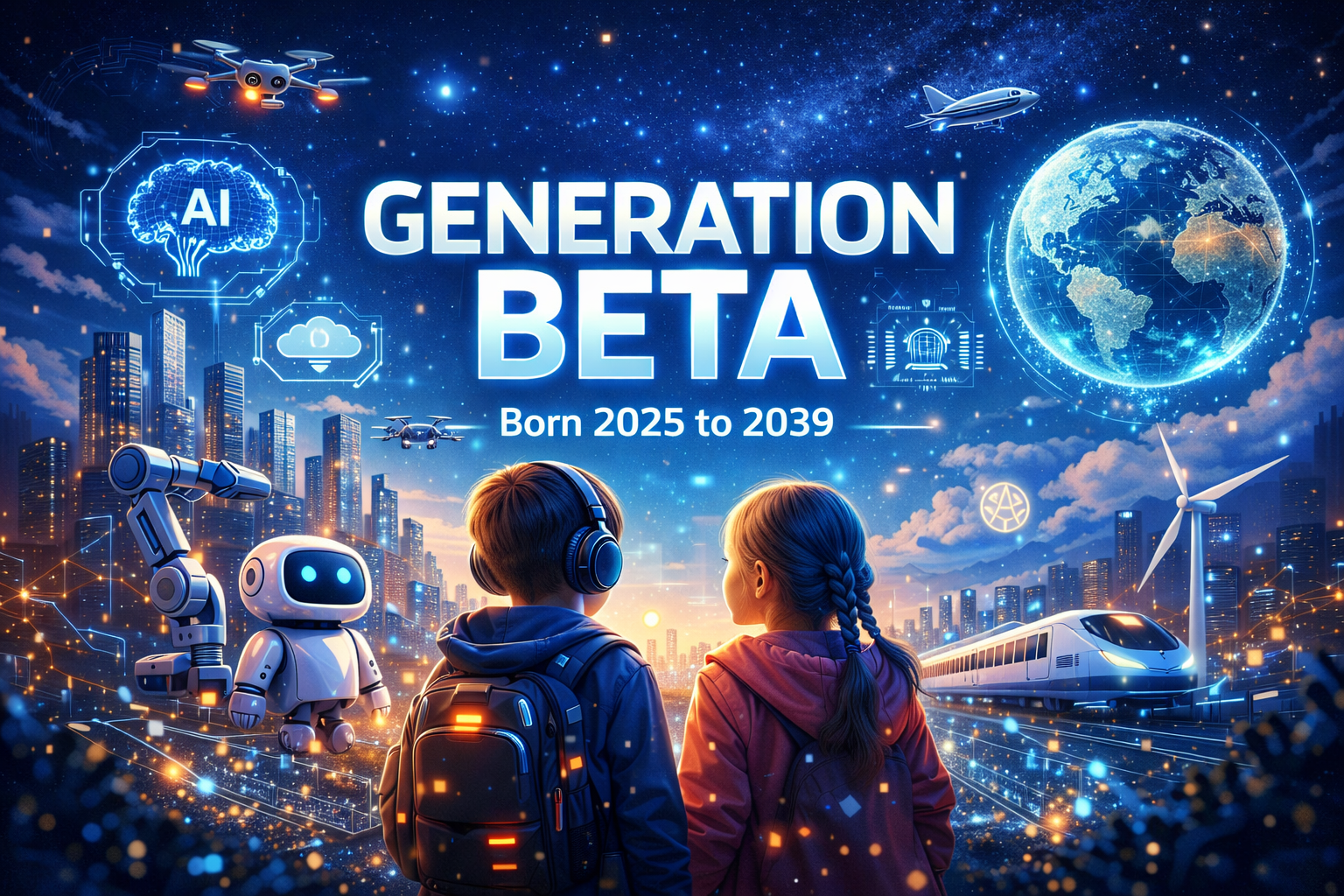
Born Into AI: How Generation Beta Will Grow Up Differently
As the calendar turned to 2026, social media feeds and online forums filled with claims that a brand-new generation had arrived, Generation Beta. According to widely shared posts, all children born from 2025 to 2039 will now fall under this label. While some dismissed the idea as an internet trend, experts say the concept of Generation Beta is rooted in established demographic research, not online speculation. Who Is Generation Beta? Generation Beta refers to people born between 2025 and 2039, following Generation Alpha (born roughly between 2010 and 2024). The term has been introduced and popularised by demographic researchers, most notably Mark McCrindle, whose work on generational analysis is frequently cited by academics, policymakers, and global media outlets. It is important to note that no international authority officially defines generations. Instead, generational labels are analytical tools used by sociologists, economists, and researchers to describe groups of people shaped by similar historical, technological, and social conditions. Why the Name ‘Generation Beta’? The name follows a Greek-alphabet naming system that began with Generation Alpha. After Alpha, the next logical designation is Beta. Researchers argue that Greek-letter naming reflects a broader shift: the first generations to be born entirely in the 21st century, without lived memory of the pre-digital world. The term “Beta” does not suggest inferiority or social traits but simply indicates sequence. Experts stress that generational names are descriptive, not predictive. They help frame discussion but do not define individual personality, intelligence, or ability. What Will Define Generation Beta? Although Generation Beta is only just being born, researchers outline several factors likely to shape their upbringing: 1. Life in an AI-First World Generation Beta will be the first cohort born into a world where artificial intelligence is embedded in daily life – from education and healthcare to transportation and entertainment. Unlike Generation Z, which witnessed the rise of smartphones and social media, Generation Beta will grow up with AI assistants, automation, and predictive technologies as the norm. 2. Seamless Digital-Physical Integration For Generation Beta, the boundary between online and offline life is expected to be increasingly blurred. Smart homes, connected cities, and digital learning environments will be standard, not novel. 3. A World Defined by Global Challenges Climate change, demographic shifts, and technological disruption will form the backdrop of their childhood. Researchers suggest this may influence how Generation Beta approaches problem-solving, collaboration, and adaptability in adulthood. How Generation Beta Differs from Generation Z While both generations are considered digitally native, their formative environments are fundamentally different. Generation Z (born roughly between the late 1990s and early 2010s) grew up during: The rise of social media Rapid smartphone adoption Political and social movements amplified through online platforms Generation Beta, by contrast, will grow up in: A world already shaped by AI and automation Education systems enhanced by adaptive technology Smart infrastructure embedded in everyday life Where Generation Z adapted to digital transformation, Generation Beta will inherit it fully formed. Generation Beta is expected to make up a significant portion of the global population by mid-century, potentially influencing future economies, workplaces, and political systems. While it is too early to define their values or behaviour, researchers agree on one point: their world will be profoundly different from that of previous generations. As history shows, each generation is shaped less by its label and more by the realities it faces. For Generation Beta, those realities will include unprecedented technological integration, global interdependence, and rapid change.

Galaxy S26 Ultra Leak: Design, Specs & Features That Will Surprise You
Samsung is once again stirring excitement in the tech world with a flood of leaks revealing what could be one of the boldest Galaxy Ultra designs in years. Early hands-on footage and leaked dummy unit images show the Galaxy S26 Ultra adopting a dramatically redesigned camera island — a shift that may redefine flagship aesthetics for 2026. Unlike its predecessor’s modest camera layout, the S26 Ultra’s rear panel is dominated by a large, raised camera island that visually echoes the camera bump found on the Samsung Galaxy Z Fold 7, leading some to compare it to recent foldable-phone design language. Social media tipsters and tech leaks, especially content shared by OnLeaks, highlight how this new island could house multiple high-resolution sensors while giving the phone a distinctive and futuristic look. Inside, rumors point toward top-tier hardware: a cutting-edge Snapdragon 8 Elite Gen 5 chipset, up to 16GB of RAM, and 1TB of internal storage, all wrapped in a premium titanium or glass frame. The sizeable 5,000mAh battery is expected to support fast charging, while the immersive Dynamic AMOLED display sets the stage for Samsung’s best screen yet. Camera talk has dominated the chatter. Leaks suggest a possible 200MP main sensor, backed by multiple telephoto and ultra-wide modules designed to boost photography in varied lighting conditions. While exact configurations vary by source, early hands-on footage makes it clear that Samsung is pushing photography performance hard with this flagship. Pricing remains speculative, but analysts predict a premium price tag, potentially higher than the S25 Ultra lineup. With Samsung expected to unveil the S26 series at a major launch event in early 2026, anticipation is building among tech enthusiasts worldwide. If these leaks are accurate, the Galaxy S26 Ultra could be one of Samsung’s most talked-about releases in years.
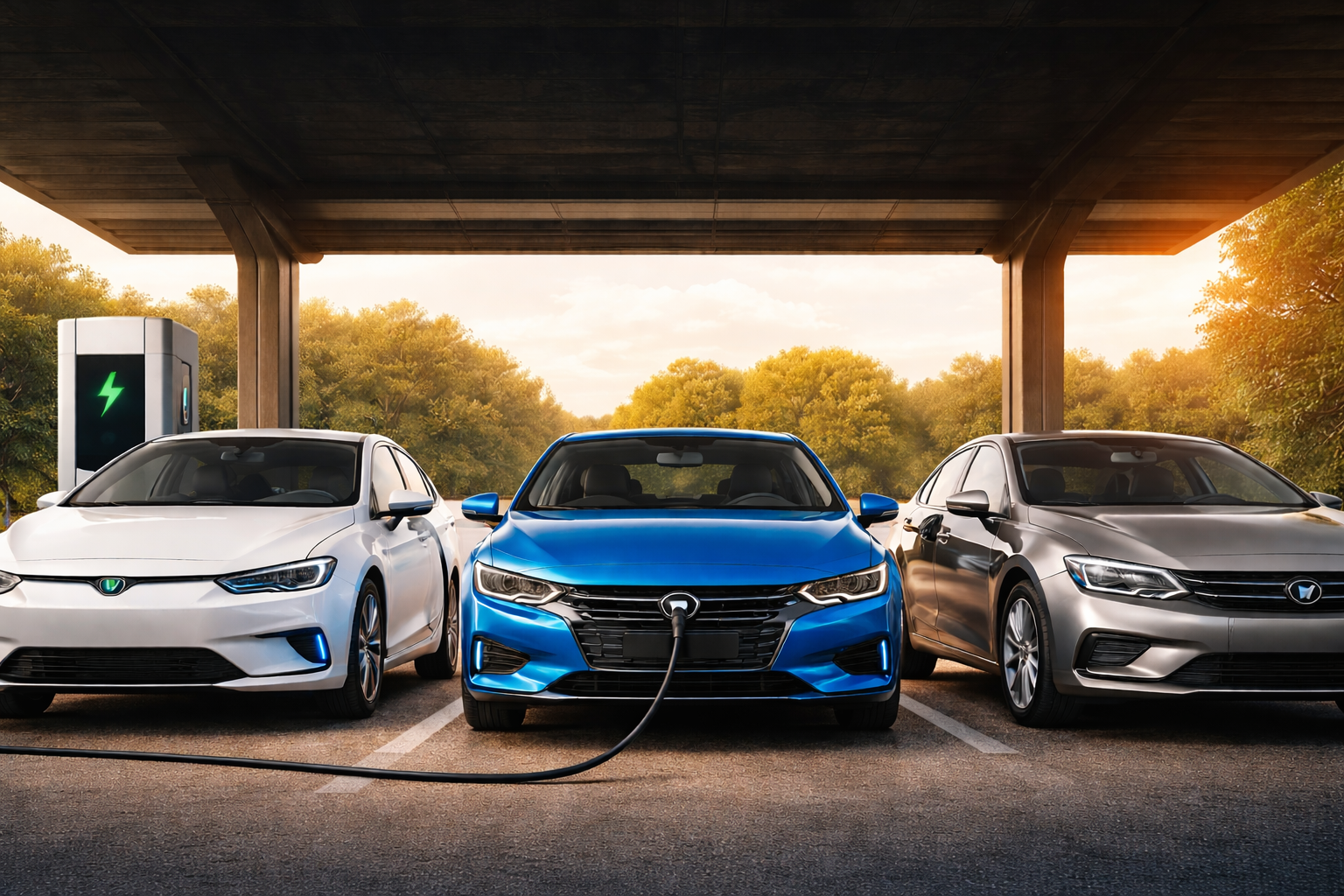
EVs vs Hybrids vs Fuel: What People Are Really Driving in 2026
The car market in 2026 stands divided between ambition and reality. While electric vehicles dominate headlines, most buyers still face practical limits. Globally, EV adoption continues to rise. In 2025, electric and hybrid vehicles accounted for nearly one in five new car sales worldwide. Governments across Europe, China, and parts of North America expanded incentives, charging infrastructure, and emissions rules. These policies directly shape what drivers buy in 2026. Yet internal combustion engines remain firmly on the road. Fuel-powered vehicles still dominate emerging markets, where charging networks remain thin and electricity supply inconsistent. In countries like Pakistan, hybrids gain more traction than full EVs. Buyers favor lower fuel consumption without relying entirely on charging stations. Manufacturers respond with variety. Major automakers now offer the same model in petrol, hybrid, and electric versions. This flexibility reflects consumer caution. Buyers want savings without inconvenience. Battery range anxiety still influences decisions, despite improvements in charging speed. Prices also shape choices. EVs remain more expensive upfront, even though running costs are lower. In 2026, falling battery prices help narrow the gap, but affordability remains uneven. Used hybrid markets grow faster than new EV sales in many regions. Regulation adds pressure. Cities expand low-emission zones, pushing drivers toward cleaner options. However, full bans on fuel cars still face resistance. Policymakers increasingly accept that transition, not replacement, defines this decade. In 2026, the question is no longer whether electric cars represent the future. Instead, buyers ask how fast that future arrives and whether they can afford it.

Pakistan–Bangladesh Relations Warm as Dhaka–Karachi Flights Get Green Light
Pakistan has approved flight operations for Biman Bangladesh Airlines, allowing the Bangladeshi national carrier to operate between Dhaka and Karachi, the Pakistan Civil Aviation Authority confirmed on Friday. The move signals a further thaw in relations between Pakistan and Bangladesh after decades of limited engagement. According to a PCAA spokesperson, Biman has been granted initial approval to operate flights on the Dhaka–Karachi route for a three-month period, valid until March 26. The official said the permission could be extended subject to operational performance and regulatory compliance. The decision marks an important step toward restoring direct air connectivity between the two countries, which were once part of a single state before separating in 1971 following a violent civil war that led to the creation of Bangladesh. Bilateral relations have shown signs of improvement since the removal of former Bangladeshi prime minister Sheikh Hasina in August 2024, following a student-led uprising. Hasina was widely seen as politically aligned with India and openly critical of Pakistan, and her exit reshaped Dhaka’s foreign policy posture. In recent months, Islamabad has actively sought to rebuild ties with Dhaka. The two countries launched direct sea trade in late 2024 and have since explored broader government-to-government cooperation, particularly in trade, logistics, and transport. Last November, Pakistan International Airlines, which has since been privatized, announced a cargo partnership with Biman aimed at improving air freight connectivity and supporting bilateral trade. PIA officials said the agreement was part of a wider strategy to grow its cargo operations and enhance service competitiveness. Trade relations have also gained momentum at sea. In February 2025, a cargo vessel sailed directly from Pakistan to Bangladesh for the first time in decades, unloading containers successfully, according to port authorities. Diplomatic engagement has expanded alongside trade. In August last year, the two sides signed six agreements covering visa exemptions for diplomatic and official passport holders, trade cooperation, media collaboration, and cultural exchanges. Separately, Pakistan has approved flight operations for Britain’s Norse Atlantic Airways, enabling the airline to operate direct services from London, Manchester, and Birmingham to Islamabad. Commenting on the development, Defense Minister Khawaja Asif said increased access for international airlines would help foster competition in Pakistan’s aviation sector, leading to improved service standards and more balanced airfares.

The End of an Era: Denmark Shuts Down Letter Delivery After Four Centuries
When was the last time you mailed a handwritten letter? For many people, it’s a distant memory—replaced by emails, instant messages and social media. Now, one country has formally closed the chapter on traditional mail. Denmark has become the first nation in the world to shut down its national letter delivery service, marking the end of more than four centuries of postal history. After 401 years, the country’s postal operator, PostNord, has concluded that physical letters are no longer essential—or financially sustainable—in an overwhelmingly digital society. “For the past two decades, letter volumes in Denmark have declined sharply. Most communication today is electronic,” said Isabella Beck Jørgensen, PostNord’s head of press, in an interview with ABC. “We are among the most digitalised countries in the world.” The numbers tell the story clearly. Letter deliveries in Denmark have fallen by 90 percent over the last 25 years. In 2000, nearly 1.5 billion letters were delivered nationwide. By last year, that figure had dropped to just 110 million. As volumes collapsed, costs rose. Sending a standard letter now costs more than 29 Danish krone—roughly $6.80—making traditional mail an expensive option for most households. PostNord described the decision to end letter delivery as painful but unavoidable. Around 1,500 jobs—nearly one-third of its workforce—will be cut as the company shifts its full focus to parcel delivery, a sector that continues to expand with the growth of online shopping. According to the company, public reaction has largely been accepting. “Many people honestly can’t remember the last time they sent a letter,” Jørgensen said. Still, the move has sparked concern among advocacy groups who fear parts of society could be left behind. Marlene Rishoj Cordes from DaneAge warned that elderly citizens and people in remote areas still rely heavily on physical mail. “Hospital appointments, vaccination notices and home-care decisions are often sent by letter,” she told Denmark’s TV2. “The digital shift is happening very fast.” Since June, PostNord has begun removing its 1,500 iconic red mailboxes from streets across the country. Public interest in them has been overwhelming: the first 1,000 boxes were sold for charity within just three hours, with many fetching hundreds of dollars. Some will be preserved in museums, while more are set to be auctioned next year. PostNord will continue handling letters destined for neighbouring Sweden, where digital adoption is lower. Within Denmark, however, letter delivery will now be handled entirely by private companies. Danes can still send Christmas cards or handwritten notes in 2026—but they will need to drop them off at shops or pay extra for home collection via apps or online services. Under Danish law, citizens must always have access to letter-sending services. If private providers ever withdraw, the government would be required to step in and appoint a new operator. For now, though, Denmark has quietly accepted a historic reality: the age of the handwritten letter has officially come to an end.
