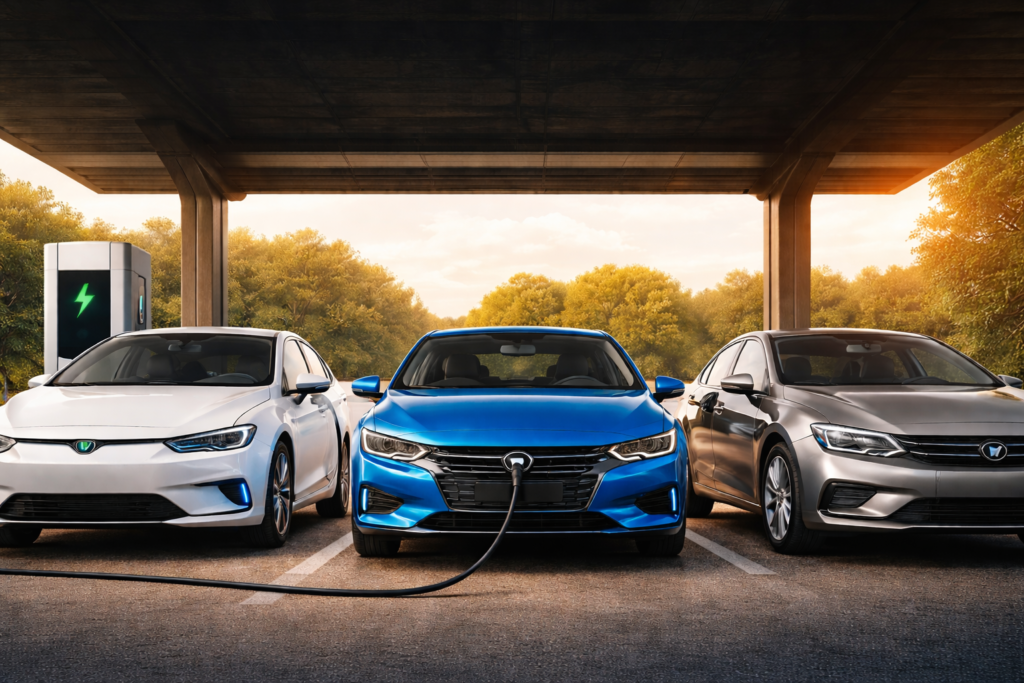
The car market in 2026 stands divided between ambition and reality. While electric vehicles dominate headlines, most buyers still face practical limits.
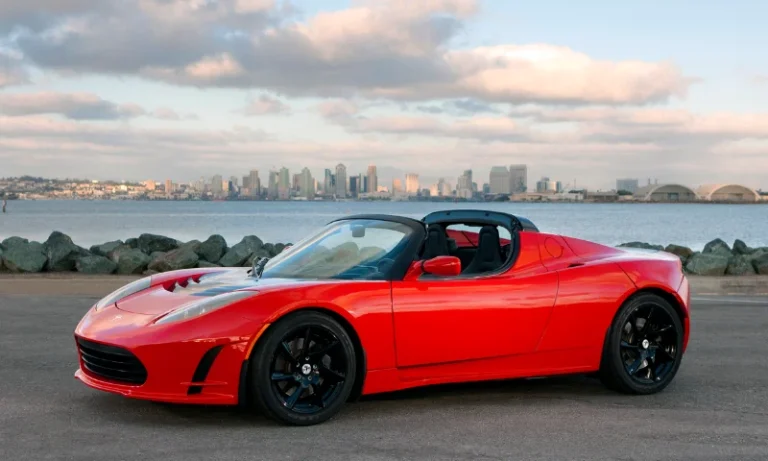
Globally, EV adoption continues to rise. In 2025, electric and hybrid vehicles accounted for nearly one in five new car sales worldwide. Governments across Europe, China, and parts of North America expanded incentives, charging infrastructure, and emissions rules. These policies directly shape what drivers buy in 2026.
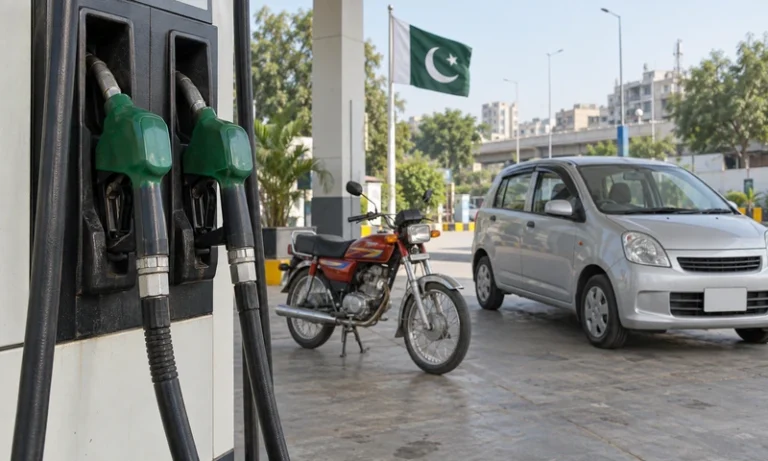
Yet internal combustion engines remain firmly on the road. Fuel-powered vehicles still dominate emerging markets, where charging networks remain thin and electricity supply inconsistent. In countries like Pakistan, hybrids gain more traction than full EVs. Buyers favor lower fuel consumption without relying entirely on charging stations.
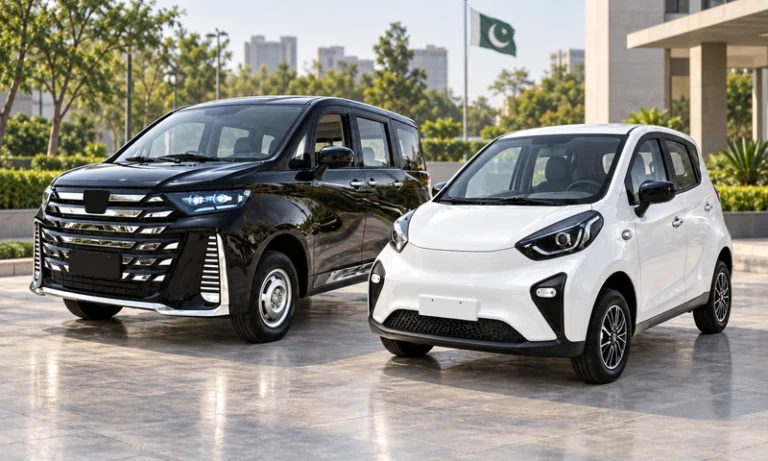
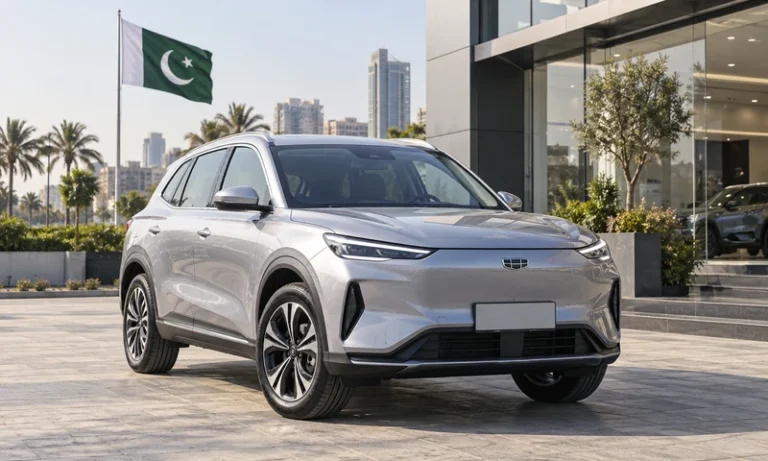
Manufacturers respond with variety. Major automakers now offer the same model in petrol, hybrid, and electric versions. This flexibility reflects consumer caution. Buyers want savings without inconvenience. Battery range anxiety still influences decisions, despite improvements in charging speed.
Prices also shape choices. EVs remain more expensive upfront, even though running costs are lower. In 2026, falling battery prices help narrow the gap, but affordability remains uneven. Used hybrid markets grow faster than new EV sales in many regions.
Regulation adds pressure. Cities expand low-emission zones, pushing drivers toward cleaner options. However, full bans on fuel cars still face resistance. Policymakers increasingly accept that transition, not replacement, defines this decade.
In 2026, the question is no longer whether electric cars represent the future. Instead, buyers ask how fast that future arrives and whether they can afford it.