


Saudi Arabia has officially confirmed that the holy month of Ramadan 1447 AH will begin on Wednesday, February 18, 2026, following the sighting of the crescent moon on Tuesday evening. According to reports, the moon was sighted in the Kingdom on the evening of February 17, marking the end of Shaaban and the start of Ramadan. The announcement was made through official channels after verified testimonies of moon sightings were received in line with established procedures. Ramadan is determined by the Islamic lunar calendar, which relies on the physical sighting of the crescent moon. If the moon is seen on the 29th day of Shaaban, the next day becomes the first of Ramadan. If not, Shaaban completes 30 days. Moon Sighting Observations Authorities in Saudi Arabia had earlier called on Muslims across the Kingdom to observe the crescent moon on Tuesday evening and report verified sightings. Following confirmation, the first day of fasting was set for February 18. Gulf News reported that several Gulf countries, including the United Arab Emirates, also confirmed Wednesday as the first day of Ramadan after moon sightings were verified. Moon sighting practices vary globally. While Saudi Arabia follows physical sightings confirmed by authorized committees, some countries use astronomical calculations in addition to traditional observation methods. This can sometimes result in Ramadan beginning on different dates across regions. Significance of Ramadan Ramadan is the ninth month of the Islamic calendar and is observed by Muslims worldwide as a month of fasting, prayer, reflection, and charity. Fasting takes place from dawn until sunset each day. Muslims abstain from food, drink, and other physical needs during fasting hours. The holy month concludes with Eid al Fitr, which is also determined by moon sighting at the end of Ramadan. Saudi Arabia’s announcement is closely followed by Muslim communities worldwide, particularly in Gulf nations and parts of Asia and Africa, where start dates often align with the Kingdom’s declaration.

SBP Declares Bank Holiday on Ramadan’s First Day for Zakat Deduction
The State Bank of Pakistan (SBP) has announced that all banks across the country will remain closed for public dealing on the first day of Ramadan-ul-Mubarak, 1447 A.H., to facilitate the annual deduction of Zakat from eligible accounts. In a formal notification on Tuesday, February 17, 2026, the central bank stated that the bank holiday will apply to all commercial banks, development finance institutions (DFIs) and microfinance banks (MFBs). On this date, these institutions will not serve customers for transactions, cash withdrawals or public banking operations. However, employees of banks, DFIs and MFBs are required to attend their offices as usual. The holiday only affects public dealing services, while internal operations and staff work will continue normally. Why the Holiday Happens The annual bank holiday aligns with Pakistan’s longstanding Zakat deduction process, which occurs on the first day of Ramadan every year. Under the Zakat and Ushr Ordinance of 1980, banks and other Zakat Collecting and Controlling Agencies are required to deduct 2.5 % Zakat at source from savings and profit-sharing accounts that meet the defined Nisab threshold. For 2026, the government has fixed the Nisab (minimum balance for Zakat liability) at Rs503,529. Accounts with balances above this level on the first day of Ramadan will be subject to deduction. Accounts below this threshold will not have Zakat deducted automatically. The collected Zakat is then transferred to the Central Zakat Fund and distributed to eligible beneficiaries through provincial and local Zakat councils, supporting poverty alleviation and social welfare programs. Impact on Public and Digital Banking Customers should plan their banking needs ahead of the first day of Ramadan, as branches will not process public transactions on that date. However, digital services such as ATMs, online banking and mobile apps will remain operational, allowing basic financial activities even on the bank holiday. This move follows a longstanding practice where the SBP has routinely declared similar holidays in prior years to ensure a smooth Zakat collection process. In 2025, the first Ramadan bank holiday was observed on March 3 for the same purpose, closing banks nationwide.
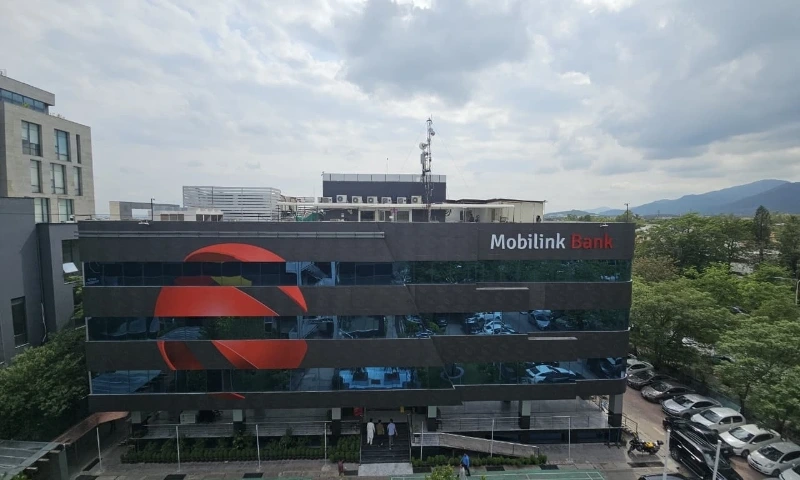
Mobilink Bank Becomes Microfinance Leader with Historic PKR 3.62B Profit
Pakistan’s leading digital microfinance bank, Mobilink Bank has announced its financial results for the year ended December 31, 2025. The bank delivered strong growth across key financial and operational indicators while reinforcing its leadership position in Pakistan’s microfinance banking sector. Mobilink Bank delivered a strong financial turnaround in 2025, with *Profit Before Tax reaching PKR 3.62 billion, reflecting a 217% YoY growth,* while total revenue rose 33% to PKR 89.5 billion. Deposits grew 38% to PKR 214 billion, the highest in the microfinance industry, highlighting strong customer confidence. The Gross Loan Portfolio expanded to PKR 103 billion, up 38%. The Bank also maintained a healthy Capital Adequacy Ratio (CAR) of 19.53% at the year end, underscoring its solid capital position and prudent risk management. In line with its sustainability priorities, the Bank recorded a 55.5% YoY incremental increase in green financing, supporting individuals, households and small businesses in adopting sustainable products/resources. It also continued to advance financial inclusion, with women representing 24.6% of the loan portfolio base, supported through targeted loan offerings and greater digital access. A major highlight of 2025 was the launch of Islamic Banking, which marked a strategic milestone in the Bank’s evolution to be able to cater to diverse social segments. By introducing Shariah-compliant financial solutions, Mobilink Bank broadened access to faith-aligned banking products while reinforcing its position as a responsible and forward-looking microfinance institution. The Bank’s performance reflects its firm commitment to responsible lending, ensuring that all credit decisions are grounded in prudent affordability assessments, transparent pricing, fair collection practices, and full compliance with applicable SBP regulations. It continues to strengthen internal controls to prevent customer over-indebtedness and support sustainable financial inclusion. The Bank’s growth trajectory has been further strengthened by continued shareholder confidence, reinforcing its capital position and supporting its long-term expansion and digital transformation strategy. Commenting on the financials, Haaris Mahmood Chaudhary, President & CEO Mobilink Bank said, “Behind these numbers is a deeper purpose of expanding access to finance for the underserved. As the country’s largest microfinance bank, we are grateful to our customers, regulators, shareholders, and teams whose trust and dedication continue to drive our progress. Our growth reflects the confidence of millions who rely on us to support their livelihoods. We remain focused on empowering small businesses and entrepreneurs through responsible, faith-aligned digital banking that creates lasting opportunity and inclusion across Pakistan.” Commenting on the financials, Adil Ali Abbasi, Chief Financial Officer Mobilink Bank said, “Our 2025 performance reflects a strong focus on financial discipline, improved asset quality, and efficient balance sheet management. The growth in profitability, deposits, and portfolio scale highlights the strength of our core business and our ability to build momentum while maintaining prudent risk and capital positions. As we move forward, we will continue to strengthen our financial foundations, drive operational efficiency, and support the Bank’s long-term growth through sustained investment in digital transformation and innovation.” Moving into 2026, Mobilink Bank remains committed to becoming the number one bank for small businesses powered by digital Islamic Banking solutions.

OGDC Signs Landmark Water Injection Deal with SNF to Boost Output at Kunnar and Pasakhi
Oil and Gas Development Company Limited (OGDC), Pakistan’s leading exploration and production company, on Tuesday signed a landmark contract with SNF S.A., a French specialty chemical company and world leader in polyacrylamide production, for the installation and operation of advanced Water Injection Systems (WIS) at its Kunnar and Pasakhi oil fields located in Hyderabad district, Sindh. The signing ceremony was held at the OGDC Headquarters in Islamabad, marking a significant milestone in the company’s efforts to enhance production performance and promote sustainable energy development. The signing ceremony was attended by Federal Minister for Energy (Petroleum Division) Ali Pervaiz Malik, MD/CEO OGDC Ahmed Hayat Lak, French Ambassador to Pakistan Nicolas Galey, along with senior officials from OGDC and SNF. The project aims to enhance reservoir pressure, optimise oil recovery, and ensure sustainable production performance through the world’s latest water injection technology and global expertise from SNF. The project will be completed in three phases. The first phase will cover installation and commissioning over a period of nine months, including mobilisation, installation, commissioning and testing of the facilities. This will be followed by a two-year operations and maintenance phase, during which O&M services will be provided along with structured training for OGDC professionals. After the completion of the O&M period, the technology and operational control will be transferred to OGDC, allowing the company to independently operate the facilities using the expertise developed during the collaboration. The designed operational life of the installed facilities is approximately 20 years. The project is projected to enhance oil production by approximately 9 million barrels and increase gas production by 3 billion cubic feet. It is also projected to improve the recovery factor of the fields by 8 to 10 percent. The recovery factor refers to the percentage of oil that can be extracted from a reservoir compared to the total volume originally present. With an estimated additional revenue generation of USD 460 million over the life of the fields, the project offers strong economic returns. The initiative also carries significant environmental benefits. By reinjecting treated produced water into reservoir zones, the project ensures safe disposal and reduces environmental risks. It also aligns with sustainable operating practices and international environmental standards. The collaboration underscores OGDC’s commitment to operational excellence, technological advancement, and long-term value creation in Pakistan’s energy sector through partnerships with world-leading service providers.

PSO Reports Resilient Financial Performance Amid Challenge
Pakistan State Oil (PSO), the nation’s energy flagship, announced its financial results for the first half of fiscal year (1HFY26) ended December 31, 2025, demonstrating strong resilience and a continued growth trajectory. The Board of Management reviewed the group’s performance for the period at its meeting held on February 17, 2026. During the period under review, PSO recorded a profit after tax of PKR 12.1 billion for 1HFY26, (PKR 11.2 billion 1HFY25). This translates into earnings per share of PKR 25.82, with gross sales reaching PKR 1.6 trillion. On a consolidated basis, the group posted a profit after tax of PKR 14.7 billion with earnings per share of PKR 31.34. PSO, maintaining its leadership in the white oil segment with a 42.2% market share and total sales of 3,418 KMT while black oil sales declined due to reduced power sector offtake. Notably, the company reinforced its near-total dominance in the aviation sector, maintaining a 99% market share in the jet fuel segment. Also, delivered its highest-ever LPG performance, with record sales of 28.5 KMT, representing a 3.6% increase over the same period last year. Significant progress was made in strengthening the nation’s energy infrastructure. The company successfully rehabilitated 39 KMT of storage capacity across key locations including Mehmoodkot, Keamari, Zulfiqarabad, and Habibabad. Furthermore, the White Oil Pipeline Project reached a major milestone with the federal cabinet’s ratification of the project summary and provisional tariff, moving it toward full implementation. PSO also expanded its physical footprint to 3,638 retail outlets and enhanced its convenience ecosystem through the growth of VIBE stores and the launch of the in-house VIBE Café. Embracing the future of energy, PSO is leading the way in sustainability through PSO Renewable Energy (PSORE). The company has solarized several operational terminals and is on track to add an additional 2.2 MWp of solar capacity by mid-2026. Simultaneously, PSO has established Pakistan’s largest electric vehicle (EV) infrastructure with nine charging stations across major highways and cities. Digital innovation remained a priority, highlighted by the successful launch of the Payvay mobile application and the integration of Raast digital payments through its fintech subsidiary, Cerisma (Pvt.) Limited. Beyond operations, PSO remains committed to social impact, investing PKR 196 million in healthcare, education, and community development, including the PSO Model Village for flood-affected families. While circular debt remains a persistent challenge with receivables at PKR 412 billion, the company continues to engage proactively with the Government for a sustainable solution. PSO remains committed to driving Pakistan’s energy future through innovation and sustainable growth, ensuring long-term value for both shareholders and the nation.
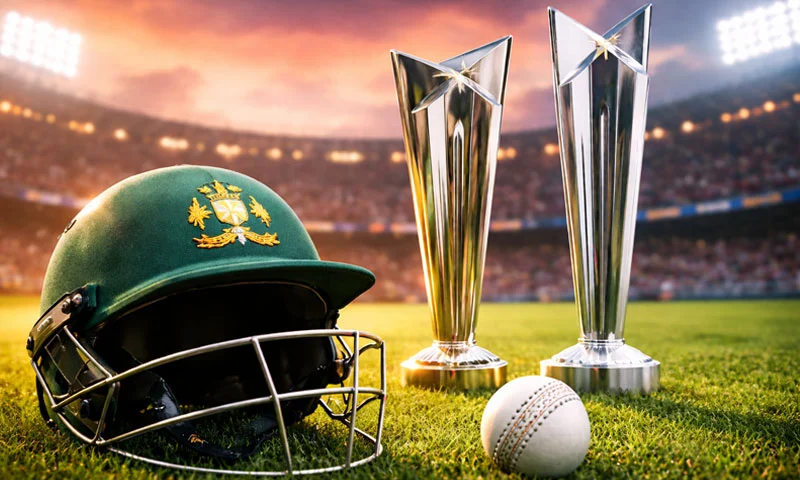
Australia’s T20 World Cup History: From Glory in 2021 to Early Exits and Shocks
Australia has competed in every ICC Men’s T20 World Cup since the tournament began in 2007. While the team has dominated ODI and Test cricket for decades, its T20 journey has been far more unpredictable. Below is a detailed year-by-year breakdown of Australia’s performance, including champions, elimination stages, and key defeats. 2007: Semi-Final Exit The inaugural ICC Men’s T20 World Cup was held in South Africa. India won the tournament after defeating Pakistan in a thrilling final. Australia performed strongly in the group and Super 8 stages but lost in the semi-final to India. Yuvraj Singh’s explosive batting and India’s balanced attack proved decisive. Australia fell short despite strong performances from Matthew Hayden and Brett Lee. 2009: Group Stage Exit The 2009 edition in England saw Pakistan defeat Sri Lanka in the final to lift the trophy. Australia suffered a shocking early exit. They lost to the West Indies in their opening match and then fell to Sri Lanka. Two defeats meant they were eliminated in the group stage. 2010: Runner-Up The tournament in the West Indies ended with England defeating Australia in the final. Australia rebounded strongly and reached their first T20 World Cup final. However, they were outplayed by England in the title match. Craig Kieswetter’s 63 helped England chase 148 comfortably. 2012: Semi-Final Exit Held in Sri Lanka, the 2012 World Cup was won by West Indies, who defeated Sri Lanka in the final. Australia reached the semi-finals but lost to West Indies. Chris Gayle’s power hitting and a strong Caribbean bowling unit proved too much. 2014: Super 10 Exit Sri Lanka won the 2014 tournament by defeating India in the final. Australia failed to progress past the Super 10 stage. They suffered defeats against Pakistan and India, which ended their hopes of reaching the knockouts. 2016: Super 10 Exit West Indies lifted their second T20 World Cup title in India after defeating England in a dramatic final. Australia again exited in the Super 10 stage. They lost to New Zealand and India during the tournament, struggling to find consistency. 2021: Champions Australia finally claimed their first Men’s T20 World Cup title in 2021 in the UAE. They defeated Pakistan in the semi-final and then beat New Zealand in the final. Mitchell Marsh scored 77 not out in the final, guiding Australia to a comfortable victory. David Warner was named Player of the Tournament. 2022: Super 12 Exit England won the 2022 tournament in Australia by defeating Pakistan in the final. Australia, despite being defending champions and hosts, failed to reach the semi-finals. They lost to New Zealand and were edged out on net run rate after also suffering defeat to England. 2024: Super 8 Exit India won the 2024 edition after defeating South Africa in the final. Australia advanced to the Super 8 stage but lost key matches to Afghanistan and India. Those defeats prevented them from progressing further. 2026: Early Elimination The 2026 campaign became one of Australia’s most disappointing. They suffered a shock defeat to Zimbabwe by 23 runs and later lost to Sri Lanka. A rain-abandoned match between Zimbabwe and Ireland confirmed Australia’s early exit before the Super Eight stage. This marked their earliest elimination since 2009.
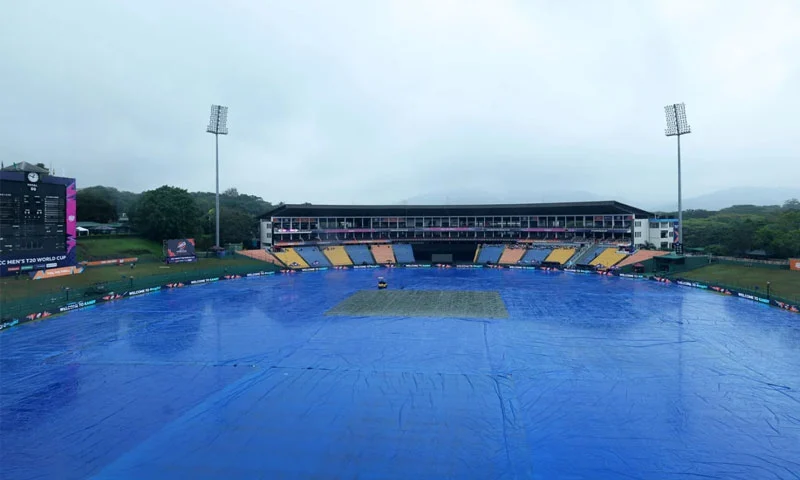
T20 World Cup Shock: Australia Knocked Out of T20 World Cup After Zimbabwe-Ireland Washout
Australia’s hopes of staying alive in the T20 World Cup 2026 ended dramatically when Zimbabwe’s match against Ireland was abandoned due to rain, sealing Australia’s elimination from the tournament. The washout on Tuesday at Pallekele Stadium, Kandy gave Zimbabwe the one point they needed to reach the Super Eight stage, leaving Australia unable to progress after watching the action unfold from their hotel rooms. Rain Wrecks Australia’s Campaign Persistent rain battered the ground throughout the day, delaying the scheduled 3 pm start by nearly an hour. Ground staff worked to remove water from the covers, but worsening weather forced officials to call off the game without a single ball bowled. The result confirmed Australia’s exit and turned their final scheduled group match against Oman into a dead rubber, with neither team able to affect Super Eight placements. This early exit represents one of Australia’s worst T20 World Cup performances in recent history. The 2021 champions have now missed the semi-finals in three straight tournaments and have not failed to reach the Super Eight stage since 2009. Earlier Shocks and Struggles Australia’s campaign had been rocky from the start. They suffered a stunning 23-run defeat to Zimbabwe earlier in the event, where Zimbabwe’s pace attack ran through the Australian lineup and new ball success set up the historic victory. Australia’s batting faltered at crucial moments, and injuries to key players like captain Mitchell Marsh in previous tournaments have added pressure on a young squad. The loss to Zimbabwe magnified Australia’s struggles, with several batsmen unable to convert starts into match-winning scores. Zimbabwe Celebrate Historic Progress The Zimbabwe team will now take Australia’s seeded spot in Group 1 of the Super Eight, where they will face favorites India, West Indies, and South Africa. Zimbabwe’s run marks their best finish in any cricket World Cup format since the 1999 ODI World Cup. We’ve done it! 🇿🇼 🥳 #T20WorldCup pic.twitter.com/DH887WL0Cl— Zimbabwe Cricket (@ZimCricketv) February 17, 2026 Zimbabwe’s impressive performance in this tournament follows earlier victories over Oman and solid batting contributions from their lineup, underlining their rising status in world cricket. What’s Next for Australia With their T20 World Cup journey over, Australia now shifts focus to upcoming bilateral tours. The team is scheduled to play three ODIs against Pakistan and a series of three ODIs and three T20Is against Bangladesh in the middle of the year. Australia will aim to rebuild confidence and form ahead of future tournaments, addressing both batting inconsistency and depth in bowling options.
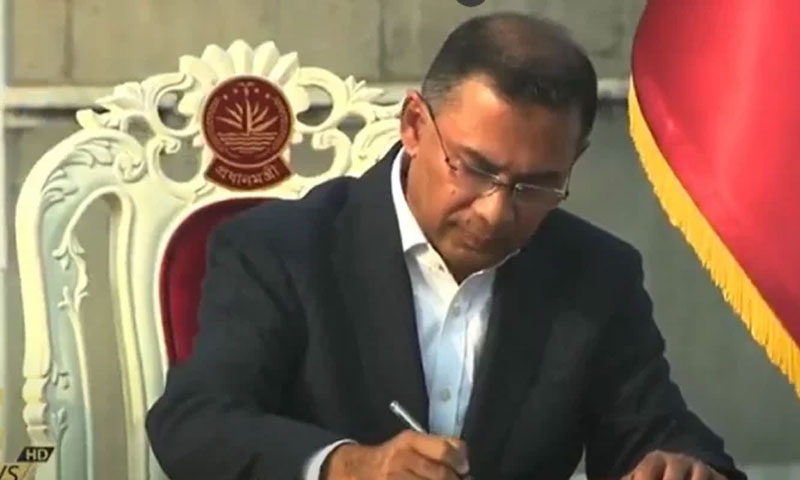
New Era in Bangladesh Politics as Tarique Rahman Becomes Prime Minister
Tarique Rahman has officially taken office as the Prime Minister of Bangladesh, marking a dramatic political shift after the Bangladesh Nationalist Party (BNP) won a landslide in the February 12 general election. The swearing-in occurred on February 17, 2026, in the presence of international dignitaries and lawmakers. Rahman, 60, is the chairman of the BNP and the eldest son of former leaders Ziaur Rahman and Khaleda Zia. His rise to power follows nearly two decades in exile and political struggle, as well as the overthrow of the long-ruling Awami League government in the 2024 mass uprising. Historic Election Results and Oath Ceremony The BNP secured an overwhelming majority in the 13th Jatiya Sangsad, winning 212 of 297 seats contested, while allies such as Jamaat-e-Islami won 68 seats. The Awami League — Bangladesh’s dominant party for 15 years was barred from contesting the polls. Tarique Rahman took the oath as Bangladesh’s 11th prime minister in an outdoor ceremony at the South Plaza of Jatiya Sangsad Bhaban. President Mohammed Shahabuddin administered the oath, witnessed by leaders and diplomats from across South Asia and beyond. India’s Lok Sabha Speaker Om Birla attended the event, reflecting strong regional interest in Bangladesh’s new administration. Delegations, including officials from Nepal and the UK, were also present. From Exile to Leadership Tarique Rahman returned to Bangladesh from 17 years of self-imposed exile in London in late 2025 after the interim government dismissed previous corruption and graft convictions against him. He had originally left the country in 2008 citing political persecution. His political comeback has now culminated in one of the most remarkable returns to power in South Asian politics. Rahman’s leadership breaks a 35-year era where Bangladesh was led largely by female prime ministers, including his mother and long-time rival, Sheikh Hasina. BNP Cabinet and Government Formation Alongside Rahman’s oath, 25 ministers and 24 state ministers were called to take oaths as part of the new cabinet. The list of ministers includes senior BNP figures like Mirza Fakhrul Islam Alamgir, Salahuddin Ahmed, and Amir Khasru Mahmud Chowdhury. The new government, called the Tarique ministry, now officially leads the 25th Cabinet of Bangladesh, with the BNP holding control of the legislature. This administration follows an interim government led by Nobel laureate Muhammad Yunus. Challenges Ahead As prime minister, Tarique Rahman inherits a nation grappling with economic pressures, youth unemployment, and regional diplomatic challenges. Analysts note that rebuilding investor confidence, stabilizing the economy, and managing ties with India and other neighbours will be among his immediate priorities. Global Dignitaries Attend Swearing-In Ceremony In a show of strong regional and global engagement, Pakistan’s Federal Minister for Planning, Development and Special Initiatives, Ahsan Iqbal attended the swearing-in ceremony in Dhaka to represent Islamabad, as Prime Minister Shehbaz Sharif was on an overseas visit at the time. Islamabad’s foreign office said Pakistan’s participation “reflects its support for Bangladesh’s democratic process and underscores its commitment to further strengthening bilateral relations.” Other senior dignitaries present included India’s Lok Sabha Speaker Om Birla, Bhutan’s Prime Minister Tshering Tobgay, Nepal’s Foreign Minister Bala Nanda Sharma, and ministers from the Maldives and Sri Lanka, among a large delegation of representatives from several countries invited to witness Tarique Rahman’s oath taking.
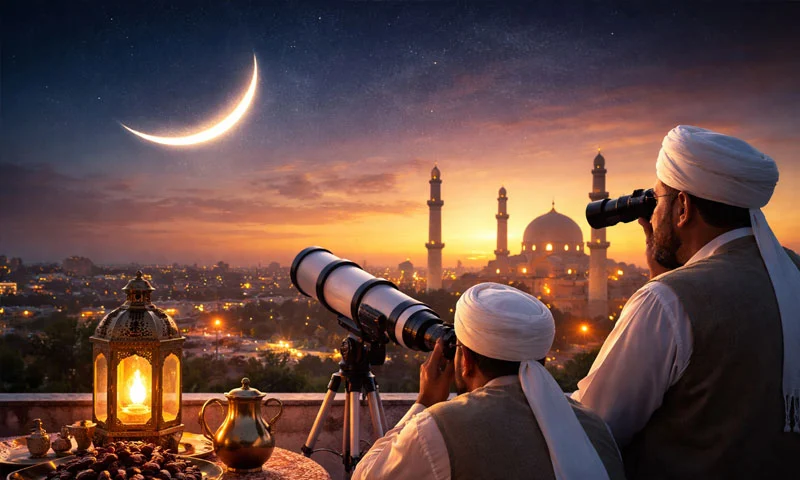
Will Ramadan Begin on Feb 19? Pakistan Awaits Official Moon Sighting Announcement
The Central Ruet-e-Hilal Committee will convene in Peshawar on Wednesday, February 18, 2026, to sight the crescent moon that will determine the start of Ramadan 1447 AH in Pakistan. This year’s meeting carries great importance as millions of Muslims prepare for the holy month of fasting, prayer, and spiritual renewal. The committee, chaired by Maulana Syed Muhammad Abdul Khabeer Azad, will hold its session at the Department of Auqaf, Hajj, Religious and Minority Affairs. Zonal committees are expected to meet in Islamabad, Lahore, Karachi and Quetta at the same time, gathering local moon sighting reports before forwarding them to the central body for verification. Why Moon Sighting Matters In Pakistan, the exact start of Ramadan is not set by a fixed calendar. Instead, it depends on sighting the crescent moon (hilal) after sunset on the 29th of Shaban. If the moon is sighted and verified, the next day becomes the first day of Ramadan. If not sighted, the current month completes 30 days and Ramadan begins the following day. The Ruet-e-Hilal Committee combines tradition with scientific support. Field observers across the country report sightings to zonal committees, which then relay information to the central committee. Meteorological data and astronomical calculations, such as those provided by the Pakistan Meteorological Department and SUPARCO’s lunar prediction program, also inform the process, increasing the chances of accurate decision-making. What to Expect This Year Astronomical projections suggest the crescent moon might be visible across Pakistan on the evening of February 18, which corresponds to the 29th of Shaban. Based on these projections, Ramadan is expected to begin on February 19, 2026, provided the sighting is confirmed by the committee. Clear skies and favourable weather conditions according to meteorological forecasts will help observers spot the crescent after Maghrib prayer. Once confirmed, the official announcement will be broadcast nationwide, allowing families to begin fasting and plan Sehri and Iftar schedules. Controversies and Coordination Moon sighting has historically been a sensitive and sometimes debated process in Pakistan. The Central Ruet-e-Hilal Committee — established in 1974 is the official body responsible for these decisions. It often consults testimonies from local observers and relevant scientific input before announcing Ramadan’s start. In some past years, alternative announcements from regional religious bodies, such as the historic Qasim Ali Khan Mosque committee in Peshawar, led to confusion with differing moon sighting claims. However, the central committee’s decision remains the official reference for nationwide Ramadan observance. Public Anticipation and Preparations Muslims across Pakistan eagerly await this annual declaration. The official announcement not only determines the first day of fasting but also influences community activities, religious gatherings, and public schedules for prayers and worship throughout Ramadan.

Video: Internet Horrified After Rat Found in Golgappa Water at Street Stall
A shocking viral video from Amritsar, India shows a live rat swimming in the golgappa (also called pani puri) mixture at a popular roadside stall, sparking strong reactions about hygiene and food safety. The clip has spread rapidly across social media, with thousands of views within hours. What Happened in the Viral Video? The video was posted by content creator @karan_dhanju26 while he and a friend were filming at a street pani puri stall. As they prepared to enjoy the snack, they noticed movement in the large container holding the spiced water and masala mixture. Footage shows the vendor trying to lift the rodent from the contaminated mixture. Eventually, the rat jumps out and escapes into a nearby drain. The vendor was then forced to throw away the entire batch of pani puri water. View this post on Instagram A post shared by Karan (@karan_dhanju26) The creator claimed they were lucky to spot the rat before anyone consumed the contaminated pani puri and had the vendor discard the mixture immediately. Social Media Reaction: Shock, Humor and Hygiene Concerns The video ignited heated debate online. Many users expressed disgust and worry about street food cleanliness. One commenter asked, “Don’t tell me he continued serving that to customers!” while another joked, “Non-veg pani puri,” highlighting how unexpected the incident was. Some viewers also speculated that the video might be edited or AI-generated given how surreal it looked. Others, however, pointed to growing concerns about open container hygiene practices used by many street food vendors. Why Street Food Hygiene Matters Pani puri—a beloved street snack made with crisp hollow puris filled with spicy water, potato, chickpeas and chutneys—is one of India’s most popular chaat foods. Its preparation often involves storing water in open containers and handling ingredients by hand, which can increase contamination risk. Food safety authorities such as the Food Safety and Standards Authority of India (FSSAI) have previously found significant hygiene issues in pani puri sold by street vendors. Studies in Karnataka and Chennai showed that up to 22% of samples tested were below safety standards due to contamination by harmful microbes like E. coli and Salmonella. Past incidents of food contamination in India further underline broader hygiene challenges. Reports have documented instances where rats or rodent droppings were found in dishes at eateries, leading to health authority action and closures in some cities. Public Health and Safety Impact This viral incident has amplified calls for stricter enforcement of food safety standards at street food stalls. While pani puri vendors are a cultural cornerstone of Indian cities, public health experts argue that improved sanitation, cleaner water handling and regular inspections are essential to prevent contamination and foodborne illness.
