The Central Ruet-e-Hilal Committee will convene in Peshawar on Wednesday, February 18, 2026, to sight the crescent moon that will determine the start of Ramadan 1447 AH in Pakistan. This year’s meeting carries great importance as millions of Muslims prepare for the holy month of fasting, prayer, and spiritual renewal.
The committee, chaired by Maulana Syed Muhammad Abdul Khabeer Azad, will hold its session at the Department of Auqaf, Hajj, Religious and Minority Affairs. Zonal committees are expected to meet in Islamabad, Lahore, Karachi and Quetta at the same time, gathering local moon sighting reports before forwarding them to the central body for verification.
Why Moon Sighting Matters
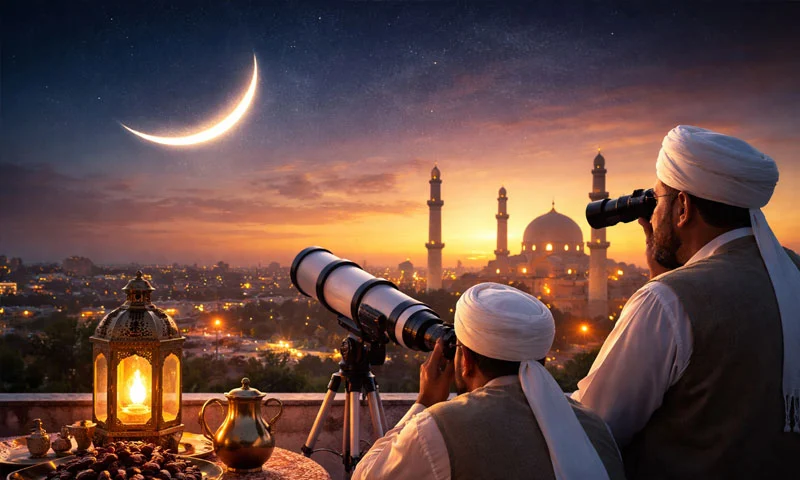
In Pakistan, the exact start of Ramadan is not set by a fixed calendar. Instead, it depends on sighting the crescent moon (hilal) after sunset on the 29th of Shaban. If the moon is sighted and verified, the next day becomes the first day of Ramadan. If not sighted, the current month completes 30 days and Ramadan begins the following day.
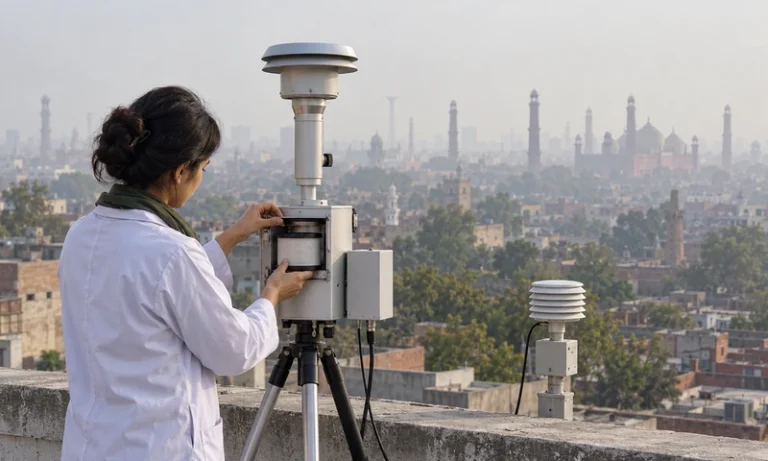
The Ruet-e-Hilal Committee combines tradition with scientific support. Field observers across the country report sightings to zonal committees, which then relay information to the central committee. Meteorological data and astronomical calculations, such as those provided by the Pakistan Meteorological Department and SUPARCO’s lunar prediction program, also inform the process, increasing the chances of accurate decision-making.
What to Expect This Year
Astronomical projections suggest the crescent moon might be visible across Pakistan on the evening of February 18, which corresponds to the 29th of Shaban. Based on these projections, Ramadan is expected to begin on February 19, 2026, provided the sighting is confirmed by the committee.
Clear skies and favourable weather conditions according to meteorological forecasts will help observers spot the crescent after Maghrib prayer. Once confirmed, the official announcement will be broadcast nationwide, allowing families to begin fasting and plan Sehri and Iftar schedules.
Controversies and Coordination
Moon sighting has historically been a sensitive and sometimes debated process in Pakistan. The Central Ruet-e-Hilal Committee — established in 1974 is the official body responsible for these decisions. It often consults testimonies from local observers and relevant scientific input before announcing Ramadan’s start.
In some past years, alternative announcements from regional religious bodies, such as the historic Qasim Ali Khan Mosque committee in Peshawar, led to confusion with differing moon sighting claims. However, the central committee’s decision remains the official reference for nationwide Ramadan observance.
Public Anticipation and Preparations
Muslims across Pakistan eagerly await this annual declaration. The official announcement not only determines the first day of fasting but also influences community activities, religious gatherings, and public schedules for prayers and worship throughout Ramadan.