


Pakistani qawwali duo the Sabri Sisters have reached a new milestone in their musical journey after appearing on Spotify’s iconic Times Square billboard in New York City, marking another major achievement for women artists from Pakistan on the global stage. The duo, consisting of sisters Sanam and Anamta Sabri, were featured on the billboard on June 17 as part of Spotify’s EQUAL program after being named EQUAL Pakistan Ambassadors for the second quarter of 2026. Their appearance places them among a growing group of Pakistani women musicians who have gained international visibility through Spotify’s flagship initiative, which aims to promote female artists around the world. The Sabri Sisters carry one of Pakistan’s most celebrated musical legacies. They are the nieces of the late qawwali legend Amjad Sabri and direct descendants of the iconic Sabri Brothers, whose influence helped shape South Asian Sufi music for decades. The sisters first drew national attention in 2017 when they released a Persian-Punjabi manqabat in tribute to their late uncle on the first anniversary of his death. Since then, they have built a reputation for blending traditional qawwali and Sufi music with contemporary sounds that appeal to younger audiences. Bridging Tradition and a New Generation Their breakthrough gained momentum with “Meri Zindagi Hai Tu,” a popular soundtrack collaboration with singer Asim Azhar. The song spent more than 30 weeks on Spotify’s “Top 50 Pakistan” chart and became the duo’s most-streamed track to date. Spotify data shows the song also secured spots on major playlists including “EQUAL,” “Pakka Hit Hai,” and “Hot Hits Pakistan.” Another hit, “Maghron La,” helped further strengthen their growing fan base. According to Spotify, the Sabri Sisters have attracted listeners far beyond Pakistan. The United States, the United Kingdom, and Bangladesh rank among their top international markets. The streaming platform also reported that nearly half of the duo’s listeners fall within the 18 to 24 age group. The figures suggest that younger audiences are increasingly embracing Sufi and qawwali-inspired music through artists who modernize the genre while preserving its roots. “A platform like EQUAL Pakistan from Spotify is important as it gives recognition to Pakistani artists on a global scale,” said the Sabri Sisters. “There was always a wish to be part of this prestigious list of musicians who have been selected as EQUAL Ambassadors in the past, and now it feels so surreal and exciting, especially knowing that legends like Abida Parveen and Sanam Marvi have represented Pakistan as well.” Spotify Highlights Diversity in Pakistani Music Spotify launched its global EQUAL initiative in 2021 to increase visibility for women creators across the music industry. The program highlights female artists through editorial playlists, marketing campaigns and international exposure, including features on the Times Square billboard. “EQUAL Pakistan is about spotlighting artists who reflect the diversity and creativity of Pakistan’s music scene,” said Rutaba Yaqub, Artists & Label Partnerships Manager at Spotify for Pakistan and UAE. “As some of the few women making their mark in the traditionally male-dominated qawwali space, the Sabri Sisters are helping expand the boundaries of the genre while honoring its rich heritage. Their recognition celebrates both their individual journey and the evolving sound of Pakistani music.” Spotify said the latest recognition reflects its ongoing commitment to supporting diverse voices and introducing Pakistani talent to audiences worldwide. The Sabri Sisters’ journey from carrying a legendary family legacy to earning a place on one of the world’s most recognizable billboards highlights the growing global appeal of Pakistan’s contemporary music scene.
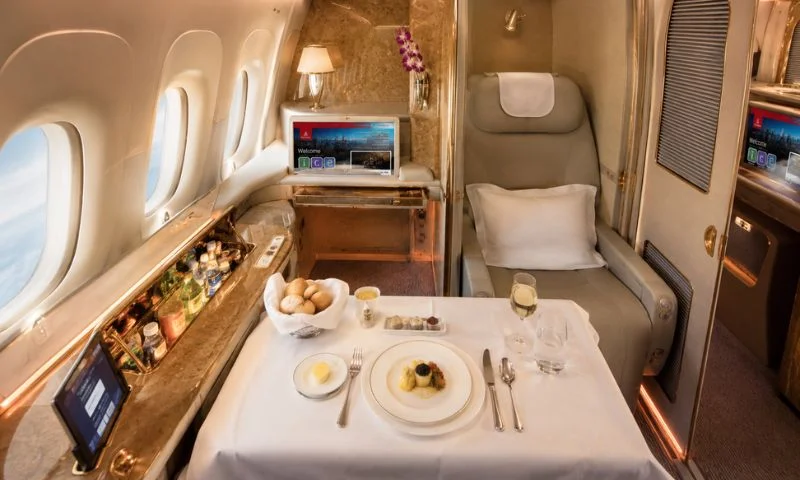
From Caviar to Private Suites: Emirates Wins World’s Top Airline Honor
Emirates has been named “Best Airline Worldwide” at the 2026 Business Traveller Middle East (BTME) Awards, strengthening its position as one of the world’s leading international carriers and highlighting its continued focus on premium travel experiences. The Dubai-based airline also won the “Best First Class” award and secured the title of “Best Airport Lounge in the Middle East” for its First Class Lounge at Dubai International Airport. The Business Traveller Middle East Awards rank among the region’s most respected travel industry honours. The annual awards recognise excellence across the business travel sector, with winners selected through nominations and votes cast by readers of Business Traveller Middle East. The 2026 edition marked the event’s 25th anniversary and featured dozens of categories covering airlines, airports and hospitality brands. Emirates’ Deputy President and Chief Commercial Officer, Adnan Kazim, accepted the awards on behalf of the airline. The latest recognition comes at a time when Emirates continues to invest heavily in fleet upgrades, onboard technology and customer services. The airline is currently carrying out one of the aviation industry’s largest retrofit programmes, with 219 Airbus A380 and Boeing 777 aircraft undergoing complete refurbishment. At the same time, new Airbus A350 aircraft are joining the fleet and introducing the airline’s latest cabin products and technologies to more destinations worldwide. According to Emirates, refurbished aircraft and newly delivered A350s now serve more than 70 destinations across its global network, helping deliver a more consistent passenger experience. Luxury Experience Continues to Drive Recognition Emirates’ award-winning First Class product remains one of the airline’s biggest attractions. The carrier said its premium offering includes enclosed private suites, a dine-on-demand menu featuring regionally inspired cuisine, unlimited caviar served with Dom Pérignon champagne, luxury Bulgari amenity kits and Byredo skincare products. Passengers travelling on the airline’s Airbus A380 fleet also have access to the onboard Shower Spa and the popular Onboard Lounge. The premium experience extends beyond the aircraft. Emirates provides chauffeur-drive services in nearly 90 destinations, priority airport services and access to airline lounges in more than 30 cities worldwide. The airline’s First Class Lounges at Dubai International Airport, which earned the “Best Airport Lounge in the Middle East” award, offer à la carte dining, complimentary spa treatments, premium duty-free shopping, extensive wine selections and direct boarding access from selected gates. Fleet Expansion and Technology Investments Emirates has also accelerated investment in onboard connectivity and digital services. The airline recently introduced Starlink internet service on selected aircraft and plans to operate the world’s largest Starlink-enabled international wide-body fleet once the rollout is complete. So far, 36 aircraft have received the high-speed connectivity system, allowing passengers to stream content, make calls, browse social media and work during flights. The carrier recently launched Comprehensive Travel Cover insurance and announced plans to begin daily flights between Dubai and Helsinki in October 2026. The route will provide the only year-round direct connection between Finland and the UAE. The BTME recognition adds to a growing list of accolades for Emirates this year. Earlier this month, the airline was named “Best Overall Airline in the Middle East” at the 2026 APEX Best in Airline Awards, reflecting strong passenger ratings across comfort, service, food, entertainment and connectivity.
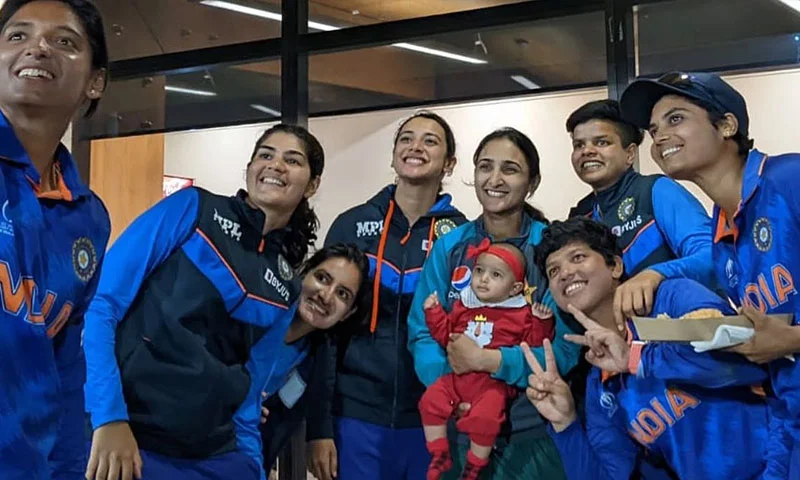
Pregnancy No Longer a Career Roadblock? ICC Unveils New Plan
The International Cricket Council (ICC) has launched new guidelines aimed at helping female cricketers return to elite-level competition after pregnancy, marking a significant step toward improving support for mothers in the sport. The ICC unveiled the “Return to Play Post-Pregnancy Guidelines” on Monday during a rest day at the Women’s T20 World Cup in England. The framework provides practical guidance for players, national boards, coaches and medical staff. It aims to ensure that motherhood no longer forces women to choose between family life and international cricket. ICC officials said the guidelines will help member nations develop their own maternity and return-to-play policies while complying with local laws and regulations. ICC Wants Motherhood and Cricket to Coexist Dr Philippa Inge, Australia’s team doctor and a member of the ICC Medical Advisory Committee, led the drafting of the guidelines. She said the initiative sends a clear message to female athletes. “What we’re aiming to do with this policy is allow Member nations to facilitate the return to cricket for their players,” Dr Inge said. “We know that many Members haven’t necessarily had these in the past, and the aim has been to make them adaptable for the unique environments in which our Members need to use them.” She added that the guidelines were “designed to show players that having a baby doesn’t need to be the end of their career”. The ICC said the women’s game has become increasingly professional in recent years. As a result, more players are choosing to start families during their careers and then return to international cricket. Several countries already have maternity policies in place. However, the governing body believes a global framework will help create more consistent standards across the sport. The guidelines cover physical recovery, mental wellbeing, medical reviews and gradual reintegration into training and competition. Inspired by Players Who Returned After Motherhood The framework draws on experiences of players who successfully resumed international careers after childbirth. Former Pakistan captain Bismah Maroof became one of the most recognisable examples. She returned to international cricket after giving birth and travelled with her daughter Fatima during the 2022 Women’s World Cup. The image of India’s players posing with Bismah and her baby became one of the tournament’s defining moments. West Indies leg-spinner Afy Fletcher also returned to top-level cricket after giving birth to her son in 2021. The 39-year-old is currently representing her country at the Women’s T20 World Cup. Fletcher welcomed the ICC’s decision. “Physical recovery was challenging but, more than that, I struggled to leave my child and miss creating precious moments,” she said. “That’s why every moment I play on the field is driven by him. Every player’s journey is different, but you have to have strong support, get healthy and trust the process.” New Zealand’s Amy Satterthwaite returned to international cricket after maternity leave before retiring in 2022. Former New Zealand batter Lauren Down also resumed her career after becoming a mother and later retired earlier this year. South African fast bowler Masabata Klaas has spent most of her international career balancing cricket with motherhood. India’s Sneha Deepthi was already a mother when Delhi Capitals selected her for the inaugural Women’s Premier League in 2023. The ICC framework follows a model known as the “6 Rs”: Ready, Review, Restore, Recondition, Return and Refine. The process guides players from early recovery after childbirth to full international competition. The recommendations also encourage flexible training schedules, childcare support, access to feeding facilities at venues and travel assistance where possible. Cricket administrators hope the guidelines will create a more inclusive environment and help talented players extend their careers without sacrificing family life. For many women in cricket, the ICC’s latest move could remove one of the biggest barriers to remaining in the game after becoming mothers.
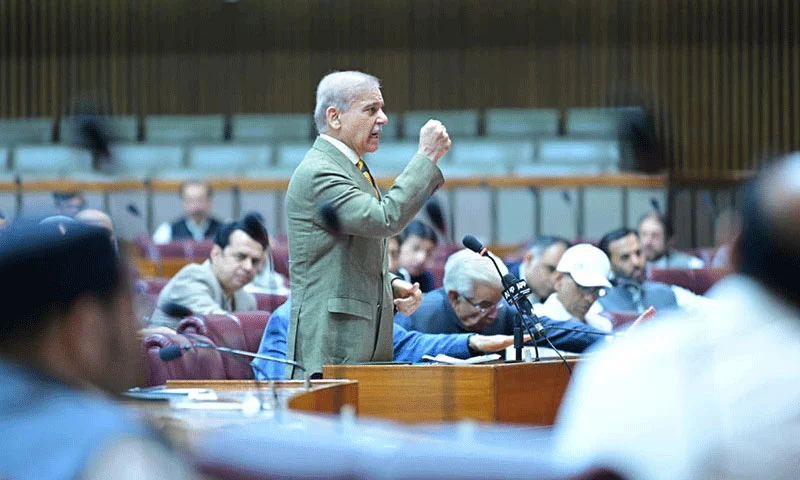
From Budget Vote to US-Iran Talks: A Dramatic Day in Parliament
Pakistan’s National Assembly on Tuesday approved the federal budget for fiscal year 2026-27. The vote came after opposition lawmakers staged a walkout during the session. Finance Minister Muhammad Aurangzeb moved the Finance Bill for approval after opposition members left the House. The budget’s passage clears the way for the government’s fiscal plans for the coming financial year. Opposition Walks Out After Achakzai Speech The walkout followed a speech by Opposition Leader Mehmood Khan Achakzai. He criticised the government on constitutional and political issues. Controversy emerged when his speech did not appear on National Assembly social media channels or television broadcasts. The development drew attention because Speaker Ayaz Sadiq had recently lifted restrictions on broadcasting opposition speeches. After the session, Achakzai accused authorities of censoring his remarks. In a post on X, he shared part of his speech and wrote: “We have taken an oath to protect the Constitution of Pakistan. You have supported undemocratic forces in trampling the Constitution; through your vote, you have clipped the wings of the judiciary.” ہم سب نے حلف لیا ہے کہ ہم آئین پاکستان کی حفاظت کریں گے۔ آپ نے آئین روندنے میں غیرجمہوری قوتوں کا ساتھ دیا، آپ نے اپنے ووٹ کے ذریعے عدلیہ کے پر کاٹے ہیں۔ اپوزیشن لیڈر محمود اچکزئی کا قومی اسمبلی میں خطاب جو کہ سینسر کردیا گیا— Mehmood Khan Achakzai (@MKAchakzaiPKMAP) June 23, 2026 He said the statement came from an address that was “censored”. Opposition lawmakers then left the House in protest. Government members stayed in the chamber and completed the budget approval process. The budget includes measures aimed at maintaining economic stability and continuing ongoing reforms. PM Shehbaz Highlights US-Iran Talks Prime Minister Shehbaz Sharif addressed lawmakers after the opposition’s departure. He focused on Pakistan’s role in recent diplomatic efforts involving the United States and Iran. The prime minister referred to talks held at the Swiss resort of Bürgenstock. Senior delegations from Washington and Tehran participated in the discussions. Pakistan and Qatar acted as mediators. “Pakistan tried its best, with complete sincerity, to bridge the distance between the two sides,” the prime minister said. According to him, negotiations started on Sunday and continued into Monday. The discussions concluded with a joint statement from the mediating countries. The premier said technical talks would continue over the next 60 days. He added that discussions would cover Iran’s nuclear assets, ballistic missile programme and frozen assets. “We fully hope that the MoU will turn into a long-lasting agreement over the next 60 days, leading to peace in the world,” he said. Pakistan’s ‘Historic’ Role PM Shehbaz congratulated parliamentarians and the nation on what he called Pakistan’s “key” and “historic” role in the diplomatic process. “The world’s renowned newspapers featured Pakistan on their front pages,” he said. He described the international coverage as a major achievement for the country. The prime minister called it a “positive narrative” for Pakistan. He added that “we would not have been able to achieve it even after spending billions of rupees”. The premier also informed lawmakers that Iranian President Masoud Pezeshkian was expected to arrive in Pakistan later in the day. He said both countries would discuss ways to strengthen bilateral relations. The budget’s approval and Pakistan’s diplomatic role dominated the day’s proceedings. The developments highlighted Islamabad’s efforts to project economic stability and strengthen its regional influence.
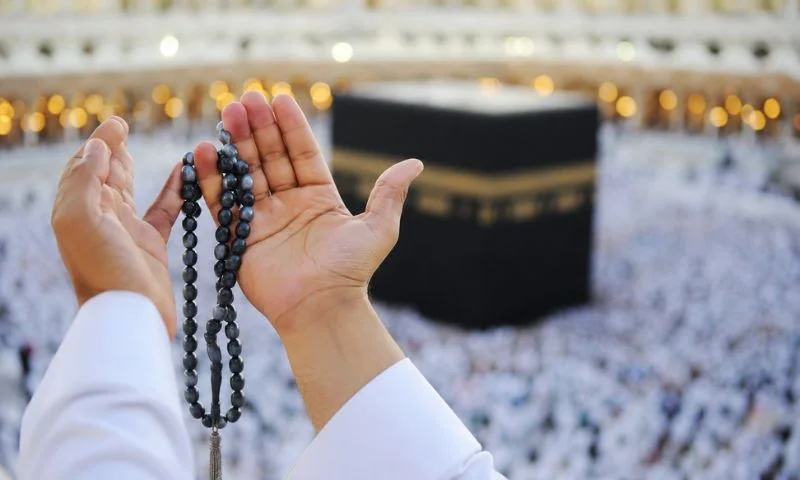
Hajj 2027 Registration Opens in Pakistan Through Pak Hajj App
Pakistan has launched mandatory registration for Hajj 2027. Pilgrims can now register from home through the Pak Hajj mobile app, the online Hajj Management System, or designated bank branches. Federal Minister for Religious Affairs and Interfaith Harmony Sardar Muhammad Yousaf launched the registration drive on June 22. The ministry said every intending pilgrim must complete registration before applying for Hajj 2027. Officials clarified that this is only the registration phase. The government will open formal Hajj bookings at a later stage. Only registered applicants can submit Hajj applications when bookings begin under Hajj Policy 2027. The ministry has not yet announced package prices, booking dates, payment schedules or other terms. Registration Free for All Pilgrims The government will not charge any fee for registration. Applicants can register through the Pak Hajj app on Android and iOS devices. They can also use the ministry’s online portal or visit participating banks. Registration remains compulsory for people choosing either the government or private Hajj scheme. After registration, applicants can select their preferred scheme when bookings open. The government plans to allocate seats on a first-come, first-served basis until Pakistan’s Hajj quota is exhausted. Saudi Arabia allocated more than 179,000 Hajj seats to Pakistan for 2026. Pakistan remains one of the largest contributors to the annual pilgrimage. Sardar Muhammad Yousaf said Pakistan is negotiating with Saudi authorities for a possible increase in the country’s Hajj quota. Pak Hajj App Offers Digital Services The Pak Hajj app provides several services beyond registration. Users can verify personal information, bank account details, group records, nominee information, helper details and mehram information. The app also offers training schedules, QR code access, health forms and accommodation information. Pilgrims can upload photographs and passport details directly through the platform. The application includes prayers in Urdu, English and Arabic. It also provides lost-and-found services for pilgrims. Private Hajj applicants can view their application status and package details through the app. The ministry does not require a passport during the registration stage. However, applicants must hold a valid Pakistani passport before formal Hajj bookings begin. According to the minister’s announcement, passports must remain valid until at least November 26, 2027. Earlier ministry guidance and registration information published by Allied Bank mention November 16, 2027. Officials advised applicants to confirm the final requirement before bookings start. The government launched the digital registration system to simplify procedures and improve transparency. Officials will announce package costs, payment schedules and booking dates under Hajj Policy 2027 in the coming months.
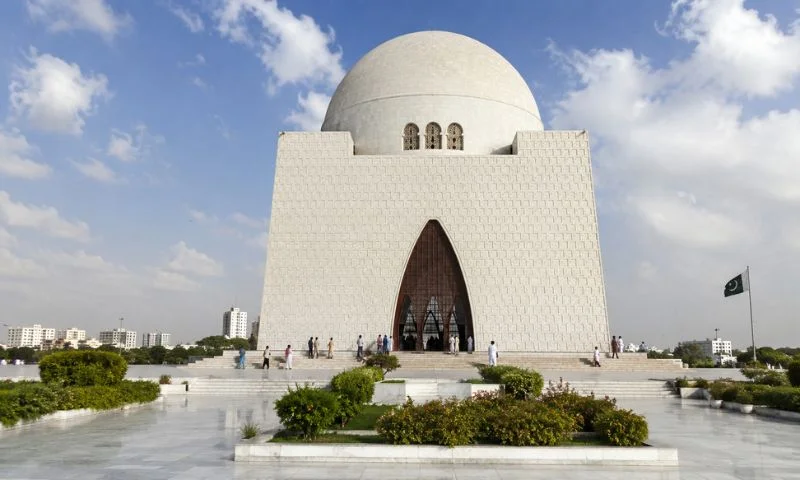
Quaid’s Mazar Wins Tax Exemption After Decades of Waiting
Pakistan’s National Assembly Standing Committee on Finance has approved a series of changes to the Finance Bill 2026, including a tax exemption for the Quaid-e-Azam Mazar Management Board after 58 years and significant reductions in import duties on vehicles, a move that could lower car prices across several engine categories. The committee, headed by Pakistan Peoples Party lawmaker Syed Naveed Qamar, finalised its recommendations ahead of Tuesday’s National Assembly vote on the federal budget. Finance Minister Muhammad Aurangzeb is expected to present the amended Finance Bill for approval. Under parliamentary rules, the committee’s recommendations carry significant weight and are generally adopted unless lawmakers reject them on the floor of the house. One of the most notable amendments grants income tax exemption to the Quaid-e-Azam Mazar Management Board. The board was established nearly six decades ago but never received tax-exempt status. The committee also recommended adding four more organisations to the list of exempt entities. These include the Make-a-Wish Foundation, provincial employees’ social security institutions and Workers Welfare Fund organisations. The federal government had originally proposed tax exemptions for five organisations. The committee expanded the list to nine. Traders Get Exit Option from Fixed Tax Scheme The committee also endorsed a key relief measure for traders by allowing them to exit the newly introduced fixed income tax regime from tax year 2027 onward. The government had proposed an optional scheme under which traders could pay 1% of sales as income tax, subject to a minimum annual payment of Rs25,000. In return, they would receive audit protection and become part of the documented economy. The committee approved the following provision: “Provided that a person having turnover up to Rs200 million may opt out of final tax regime at the time of filing of return for tax year 2027 and onwards.” The panel also approved a 1% sales tax on imported coal supplied directly to independent power producers. However, it rejected a proposal to reduce the minimum income tax rate for terminal service providers to 12%. In another decision, lawmakers linked the proposed Rs80 per litre excise duty on petrol solvents to licensed industrial consumption. The committee exempted white spirit and solvent oil used for in-house industrial purposes where both parties hold licences issued by the Department of Explosives. The committee also rejected a proposal to impose late payment surcharges on oil marketing companies for delayed petroleum levy deposits. Major Tariff Cuts Could Lower Car Prices The committee recommended substantial reductions in import duties on vehicles with engine capacities up to 2,000cc. The move aligns with Pakistan’s National Tariff Policy, which aims to gradually liberalise trade and reduce protectionist barriers. Under the proposal, maximum import taxes on vehicles above 1,800cc would fall from 156% to 74%. For vehicles between 1,500cc and 1,800cc, combined tariffs would decline from 91% to 57%. Duties on vehicles between 1,000cc and 1,500cc would drop from 76% to 52%. The committee also proposed reducing tariffs on 850cc to 1,000cc vehicles from 71% to 47%. Duties on vehicles up to 850cc, motorcycles and vehicle bodies would decrease from 66% to 42%. However, imported vehicles with engine capacities of 2,000cc and above would face an 86% federal excise duty. Vehicles exceeding 3,000cc would attract a 92% tax rate. The committee further approved tax exemptions for the aviation sector, although private airlines other than Pakistan International Airlines will receive the benefit from July 2027. Lawmakers also allowed individuals to pay taxes on mobile phones in instalments over a one-year period. The recommendations now move to the National Assembly, where lawmakers are expected to vote on the Finance Bill before the start of the new fiscal year.
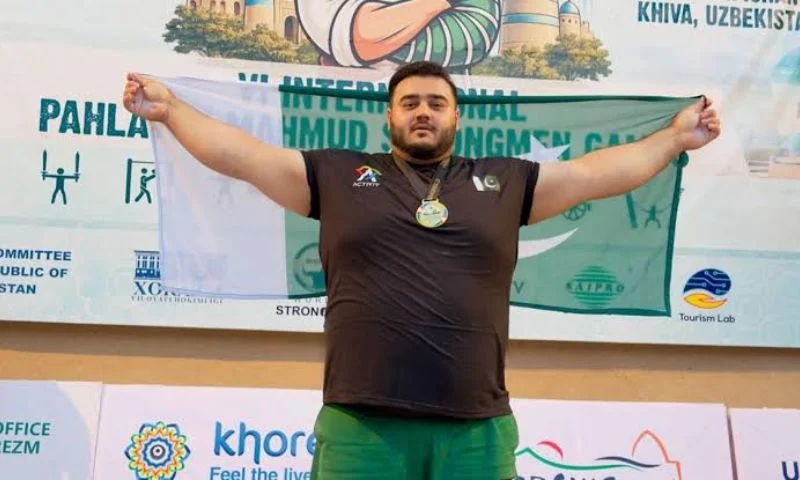
Pakistan’s star weightlifter Nooh Dastagir Wins Gold Despite Injury
Pakistan’s star weightlifter and strongman Nooh Dastagir Butt has added two more international gold medals to his growing collection, overcoming injury and competing against athletes he claims were using performance-enhancing drugs. The 2022 Commonwealth Games champion returned from Uzbekistan with two gold medals and one silver after a remarkable showing at major strongman events in June. Nooh first secured gold at the Sixth International Pehalvon Mahmud Strongmen Games in the historic city of Khiva on June 14. He defeated South Korea’s Yoo Useong in the Jalaluddin Sword Challenge by holding a 14-kilogram sword vertically for one minute and 49 seconds. He followed that performance with another gold in the log-push water pool team event at the Farhod Challenge in Tashkent. His team won four closely contested battles against athletes from the Czech Republic, Mongolia and Iran. The achievement came despite a knee injury that limited his performance. “We won one medal in our first appearance and two in the second,” Nooh told Dawn in an exclusive interview. “This time we were aiming for three medals but I had a knee injury because of which I couldn’t perform at my 100 per cent. Still, I gave my best and brought these medals home for Pakistan.” ‘Most Of The Athletes Were Using Steroids’ Nooh also made a startling claim about the state of international strongman competitions. “Most of the athletes I competed against were using steroids,” the 28-year-old said. The Pakistani athlete stressed that he refuses to use banned substances despite competing against stronger and often heavier rivals. As an elite weightlifter, Nooh remains subject to random testing by the International Testing Agency and other anti-doping authorities. “I don’t use any steroids,” he stated firmly. “Despite this I was able to match others’ strength and was able to win two medals. That’s an achievement for me.” Nooh’s success comes at a difficult time for Pakistan’s weightlifting community. The country’s weightlifting federation remains suspended from international activities because of administrative failures and anti-doping rule violations. The International Weightlifting Federation imposed penalties after multiple doping cases emerged in 2021. An unpaid fine exceeding $30,000 and governance issues continue to block Pakistan’s return to international competition. As a result, Pakistani weightlifters cannot compete at upcoming events, including the Asian Games and Commonwealth Games. “Some of the guys doped in international competition which unfortunately led to the suspension of the federation,” Nooh lamented. “So, I can’t compete in weightlifting contests and I don’t see any point in training for something in which I can’t compete.” “The issue wasted four years of my weightlifting career.” World Games Dream Remains Alive Unable to compete internationally in weightlifting, Nooh shifted his focus to powerlifting and strongman competitions. The decision has already produced major results. “If I had stayed in hope that the issue would be resolved, I would have missed out on the medals that I won in powerlifting and strongman,” he reflected. “I think that was the right decision.” Looking ahead, Nooh plans to compete in the Arnold Classic Strongman competition in the United States next year. He has also set his sights on the 2029 World Games in Germany. “I will go for a world record in squat and go for gold in bench press and deadlift in the World Games and hopefully bring the first-ever World Games gold for Pakistan,” he vowed. “My dream is to win a gold medal in a major tournament, be it in weightlifting or powerlifting.” “I just need my nation’s prayers and I will win a medal. If not in weightlifting, then in powerlifting. If not there, then in World Strongmen. But I will bring a major title home before I hang up my boots.”

Argentina Advance as Messi Sets New World Cup Scoring Record
Lionel Messi became the highest scorer in FIFA World Cup history on Monday after netting twice in Argentina’s 2-0 victory over Austria, guiding the defending champions into the knockout stage of the 2026 tournament. The Argentina captain scored his 16th and 17th World Cup goals in front of 70,649 spectators at AT&T Stadium in Texas. The brace moved him ahead of former Germany striker Miroslav Klose, who held the previous record with 16 goals. Argentina now advances to the Round of 32 with a match to spare. Lionel Scaloni’s side tops its group after opening the tournament with a 3-0 win over Algeria, where Messi also scored a hat-trick. The 38-year-old celebrated another milestone in a career already filled with records. His latest goals further strengthened his claim as one of football’s greatest players. Messi Misses Early Penalty but Makes History Argentina had a chance to take an early lead after Lautaro Martinez won a penalty. Referee Amin Mohamed awarded the spot kick following a VAR review. Messi stepped up in the ninth minute, but his effort drifted wide of the post. The miss surprised Argentina supporters inside the stadium. Lionel Messi extends his record: 18 @FIFAWorldCup goals! 👏 https://t.co/72Jb5SXlUQ pic.twitter.com/IAPTGfo056— FIFA (@FIFAcom) June 22, 2026 Penalty kicks have remained one of the few blemishes in Messi’s remarkable career. He also missed from the spot during the 2018 World Cup and had another penalty saved against Poland in the 2022 tournament. Despite the setback, Argentina continued to dominate possession. Messi nearly scored in the 19th minute before Austria captain David Alaba made a crucial challenge. Alaba denied him again shortly after the half-hour mark. The defender blocked a goalbound effort with goalkeeper Alexander Schlager out of position. Austria, coached by Ralf Rangnick, spent most of the opening period defending deep. The European side failed to register a shot on target before halftime. Argentina Captain Delivers Again The breakthrough finally arrived in the 38th minute. Facundo Medina delivered a low pass into the penalty area. Thiago Almada cleverly allowed the ball to run through his legs, leaving Messi with a clear sight of goal. The Inter Miami star calmly swept the ball into the net. Argentina supporters erupted as Messi celebrated his record-breaking strike. All the records broken by Lionel Messi today:Most FIFA World Cup finals goals by a football (soccer) player – 18Most FIFA World Cup matches played in by an individual – 28Most matches won by a player at the football (soccer) FIFA World Cup – 18Most minutes played in the…— Guinness World Records (@GWR) June 22, 2026 The goal carried extra emotional weight. Reports later revealed that Messi’s father is recovering from an undisclosed health issue. Messi had already equalled Klose’s record with his hat-trick against Algeria. Monday’s opener moved him into sole possession of first place on the all-time World Cup scoring chart. Austria attempted to respond after the break, but Argentina controlled large portions of the match. Goalkeeper Emiliano Martinez faced little danger throughout the second half. Messi sealed the victory deep into stoppage time. Following a scramble inside the penalty area, he navigated past several defenders before forcing the ball over the line. The second goal ended Austrian hopes and confirmed Argentina’s place in the knockout rounds. Argentina will now focus on securing first place in the group, while Austria must regroup quickly to keep its qualification hopes alive. For Messi, the night added another chapter to an extraordinary international career. The World Cup champion now stands alone at the top of football’s biggest scoring list.
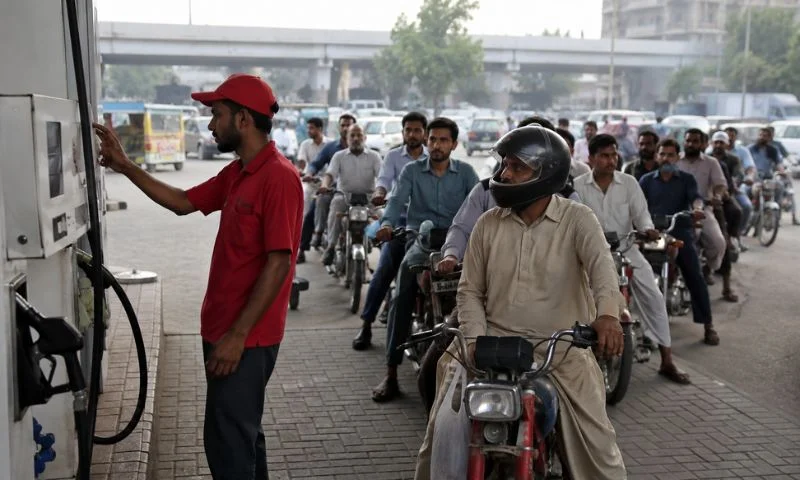
Pakistan Ends Fuel Subsidy for Motorcyclists After Fuel Price Drop
The federal government has ended its fuel subsidy programme for motorcyclists, small farmers, and public and goods transport operators after a sharp fall in global and local fuel prices. The decision came during a meeting of the National Steering Committee on Fuel Subsidy chaired by Deputy Prime Minister and Foreign Minister Ishaq Dar on Monday. The committee reviewed the programme’s implementation across the provinces, Gilgit-Baltistan, and Azad Jammu and Kashmir (AJK). After the review, members agreed to withdraw the subsidy scheme. Prime Minister Shehbaz Sharif approved the decision. Officials said lower global oil prices had already provided relief to consumers through reduced petroleum rates. “The Committee noted that global fuel prices have declined sharply, the benefit of which has already been passed on to the consumers, and agreed to discontinue the subsidy with the approval of the Prime Minister,” Dar said. Relief Scheme Introduced During Fuel Crisis The government launched the subsidy programme earlier this year when fuel prices surged after the closure of the Strait of Hormuz during the US-Iran conflict. The disruption shook global energy markets and pushed oil prices higher. Pakistan, which relies heavily on imported fuel, felt the impact quickly. Petrol prices reached a record Rs458.40 per litre in April. High-speed diesel climbed to Rs520.35 per litre. Deputy Prime Minister & Foreign Minister Senator Mohammad Ishaq Dar @MIshaqDar50 chaired the 7th meeting of the National Steering Committee on Fuel Subsidy. The Committee reviewed the rollout of fuel subsidy for motorcyclists, small farmers, public transport & goods transport in… pic.twitter.com/I4X55tPKNV — Ishaq Dar (@MIshaqDar50) June 22, 2026 To ease the burden on low-income groups, the government introduced targeted subsidies. Motorcycle, rickshaw and 800cc vehicle owners received between Rs50 and Rs100 per litre in support. Small farmers received a diesel subsidy of Rs100 per litre. The government also provided monthly financial assistance to public and goods transport operators. Payments ranged from Rs70,000 to Rs100,000 per month. Officials hoped the support would help control transport fares and freight costs. Lower Fuel Prices Drive Policy Change The government announced the move days after a major reduction in fuel prices. Last week, authorities cut petrol prices by Rs74.28 per litre and diesel prices by Rs67.31 per litre. The reductions brought petrol prices down to Rs299.50 per litre and diesel prices to Rs311.47 per litre. The cuts followed a peace agreement between the United States and Iran. The agreement led to the reopening of the Strait of Hormuz, one of the world’s most important oil shipping routes. During Monday’s meeting, Dar praised cooperation between federal and provincial authorities. He said officials should use lessons from the programme to improve data systems and strengthen future public service initiatives. He also directed authorities to address weaknesses in data collection and delivery mechanisms. The meeting included Special Assistant to the Prime Minister Tariq Bajwa, the secretaries of petroleum and information technology, the governor of the State Bank of Pakistan, and senior representatives from the provinces, Gilgit-Baltistan, and AJK. Although the subsidy programme has ended, the government believes lower fuel prices will continue to provide relief to households, farmers, transport operators, and businesses across the country.
