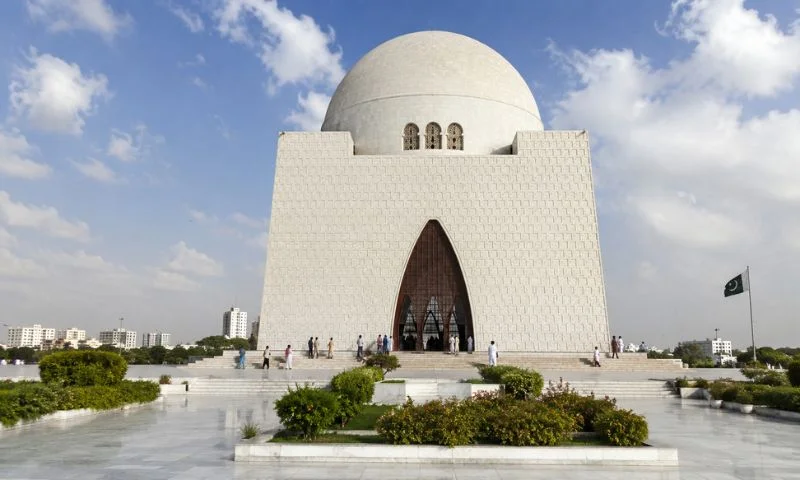
Pakistan’s National Assembly Standing Committee on Finance has approved a series of changes to the Finance Bill 2026, including a tax exemption for the Quaid-e-Azam Mazar Management Board after 58 years and significant reductions in import duties on vehicles, a move that could lower car prices across several engine categories.
The committee, headed by Pakistan Peoples Party lawmaker Syed Naveed Qamar, finalised its recommendations ahead of Tuesday’s National Assembly vote on the federal budget.
Finance Minister Muhammad Aurangzeb is expected to present the amended Finance Bill for approval. Under parliamentary rules, the committee’s recommendations carry significant weight and are generally adopted unless lawmakers reject them on the floor of the house.
One of the most notable amendments grants income tax exemption to the Quaid-e-Azam Mazar Management Board. The board was established nearly six decades ago but never received tax-exempt status.
The committee also recommended adding four more organisations to the list of exempt entities. These include the Make-a-Wish Foundation, provincial employees’ social security institutions and Workers Welfare Fund organisations.
The federal government had originally proposed tax exemptions for five organisations. The committee expanded the list to nine.
Traders Get Exit Option from Fixed Tax Scheme
The committee also endorsed a key relief measure for traders by allowing them to exit the newly introduced fixed income tax regime from tax year 2027 onward.
The government had proposed an optional scheme under which traders could pay 1% of sales as income tax, subject to a minimum annual payment of Rs25,000. In return, they would receive audit protection and become part of the documented economy.
The committee approved the following provision: “Provided that a person having turnover up to Rs200 million may opt out of final tax regime at the time of filing of return for tax year 2027 and onwards.”
The panel also approved a 1% sales tax on imported coal supplied directly to independent power producers. However, it rejected a proposal to reduce the minimum income tax rate for terminal service providers to 12%.
In another decision, lawmakers linked the proposed Rs80 per litre excise duty on petrol solvents to licensed industrial consumption. The committee exempted white spirit and solvent oil used for in-house industrial purposes where both parties hold licences issued by the Department of Explosives.
The committee also rejected a proposal to impose late payment surcharges on oil marketing companies for delayed petroleum levy deposits.
Major Tariff Cuts Could Lower Car Prices
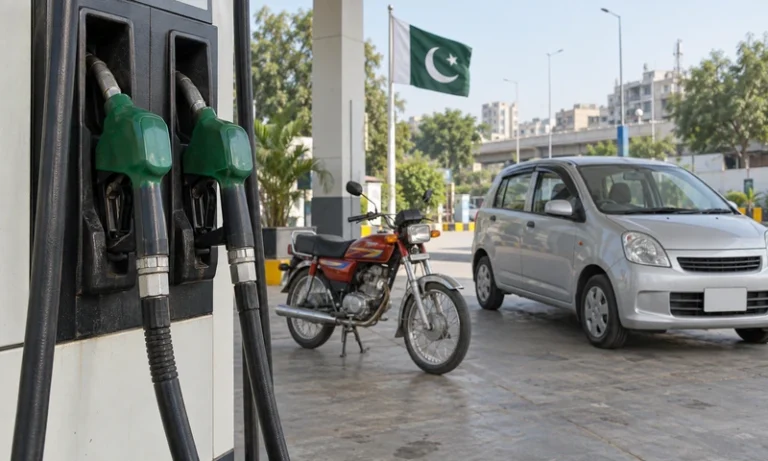
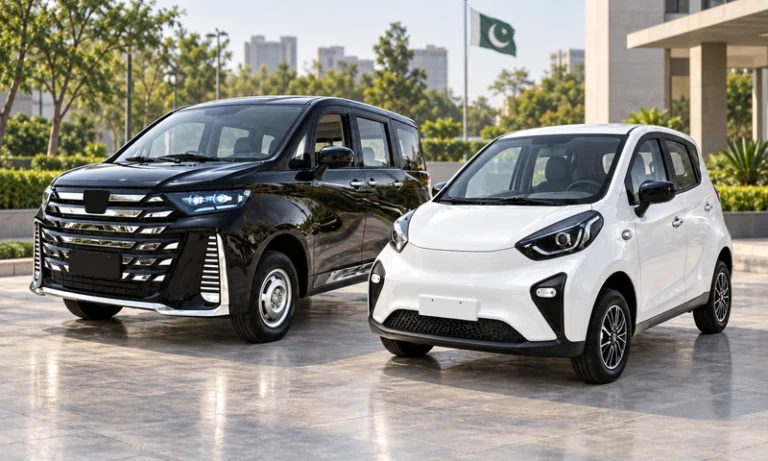
The committee recommended substantial reductions in import duties on vehicles with engine capacities up to 2,000cc. The move aligns with Pakistan’s National Tariff Policy, which aims to gradually liberalise trade and reduce protectionist barriers.
Under the proposal, maximum import taxes on vehicles above 1,800cc would fall from 156% to 74%.
For vehicles between 1,500cc and 1,800cc, combined tariffs would decline from 91% to 57%. Duties on vehicles between 1,000cc and 1,500cc would drop from 76% to 52%.
The committee also proposed reducing tariffs on 850cc to 1,000cc vehicles from 71% to 47%. Duties on vehicles up to 850cc, motorcycles and vehicle bodies would decrease from 66% to 42%.
However, imported vehicles with engine capacities of 2,000cc and above would face an 86% federal excise duty. Vehicles exceeding 3,000cc would attract a 92% tax rate.
The committee further approved tax exemptions for the aviation sector, although private airlines other than Pakistan International Airlines will receive the benefit from July 2027.
Lawmakers also allowed individuals to pay taxes on mobile phones in instalments over a one-year period.
The recommendations now move to the National Assembly, where lawmakers are expected to vote on the Finance Bill before the start of the new fiscal year.