

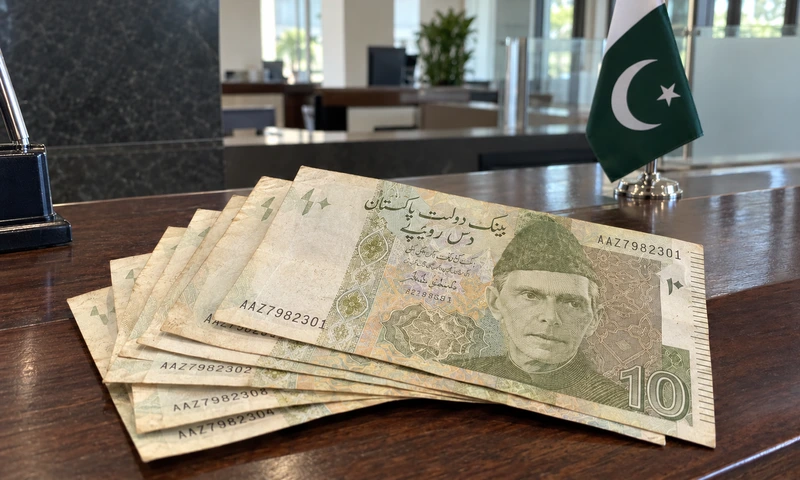
The State Bank of Pakistan has rejected social media reports claiming the discontinuation of the Rs10 banknote and a deadline for exchanging it. The central bank said authorities had taken no decision to replace or discontinue any denomination. Its proposal for a new banknote series remains under consideration by the Federal Cabinet. “The State Bank of Pakistan (SBP) categorically refutes reports circulating on social media regarding the purported discontinuation of the Rs. 10 banknote and the last date for its exchange. The reports are baseless and have no substance.” The clarification means the circulating claims do not establish any requirement for people to exchange their Rs10 notes. New banknote proposal awaits decision SBP confirmed that it had submitted a proposal to introduce a new banknote series. However, cabinet deliberations continue, and the proposal does not amount to an approved withdrawal of existing currency. “SBP has submitted a proposal for the introduction of a new banknote series, which is currently under consideration by the Federal Cabinet.” Read More: Pakistan May Soon Say Goodbye to Rs10 Banknote The distinction addresses the central issue behind the rumours: planning new currency designs does not automatically discontinue notes already in circulation. The clarification covers all denominations, rather than only the Rs10 note. SBP announced neither a replacement decision nor an exchange schedule. Currency redesign process began in 2024 SBP launched the process of designing and issuing a new banknote series on January 30, 2024. That announcement initially covered all seven existing denominations. The bank explained that central banks generally introduce new series every 15 to 20 years. Such changes help protect currency integrity and incorporate advances in design and security features. As part of the process, SBP invited local artists, designers and art students to submit ideas through an art competition. It outlined plans for professional banknote designers to develop final printable designs for government approval. The January announcement also explained that launching a new series involves several stages and coordination among multiple stakeholders. Crucially, SBP said existing notes would continue circulating even after the introduction of a new series. It envisaged any eventual withdrawal as gradual and phased, once sufficient quantities of new notes entered circulation. Public urged to follow official announcements In its latest clarification, SBP reiterated that it would formally announce any future discontinuation through official channels. “Any such decision, if taken, will be formally communicated to the public through official channels and adequate time will be given to the public for exchange of discontinued banknotes, if any.” Read More: 1950s Pakistani Banknote Returns From Bangladesh Rekindling Shared History The statement offers no specific exchange period because authorities have not announced a discontinuation decision. Its assurance concerns the arrangements that would accompany any future withdrawal. For now, the central bank’s position remains that the reported Rs10 withdrawal and exchange deadline have no basis. “The public is advised to rely only on official communications issued by SBP.”
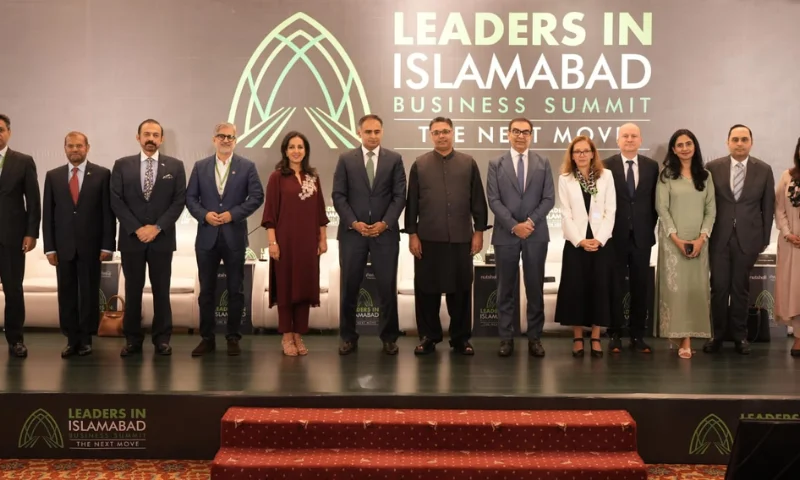
From AI to Investment: LIIBS 2026 Explores Pakistan’s Next Move
Ministers and business leaders called for stronger exports, technology development and structural reforms as the Leaders in Islamabad Business Summit concluded on September 17. The ninth edition, themed “The Next Move,” focused on converting Pakistan’s economic potential into sustained competitive advantage. Participants examined economic policy, investment, digital transformation and the country’s global positioning. Aurangzeb urges shift beyond consumption Finance Minister Senator Muhammad Aurangzeb said economic momentum had continued into the current fiscal year. “We had about 3.7% GDP growth last fiscal year, and the momentum is continuing into this fiscal year. Large-scale manufacturing has turned around, while strong remittance inflows and IT exports are supporting the external account.” He called for moving beyond consumption-led expansion towards sustainable, productive growth. Read More: PSO Appoints Abdus Sami as Interim CEO After Leadership Move to K-Electric The emphasis follows Pakistan’s efforts to restore investor confidence and return to international capital markets. Reuters reported in July that US Treasury Secretary Scott Bessent welcomed Islamabad’s reform progress and economic self-reliance agenda. Privatisation adviser Muhammad Ali urged Pakistan to develop technology rather than simply consume it. “Our ambition is to have productive businesses at a scale that compete with global entities.” He advocated stronger education, equal workforce participation and skills for manufacturing, defence and emerging technologies. He also called for more productive cities and better opportunities for young people. Governance, exports and access to finance Minister of State for Finance and Railways Bilal Azhar Kayani stressed coordination between federal and provincial authorities. “We need to break away from the cycle of spending ungoverned and then turning towards IMF loans. We need to increase exports to develop.” Kayani linked effective policymaking to private-sector consultation. He cited last year’s super-tax reductions, financing for agriculture and small businesses, and reforms at SMEDA. Former caretaker prime minister Senator Anwar-ul-Haq Kakar urged policymakers to examine structural constraints rather than attribute weak growth solely to terrorism. “Other countries facing serious violence have continued to build large export economies.” Climate Change Minister Senator Dr Musadik Malik called for policy continuity, merit and a level playing field. “Policies based on elite capture always result in exploitation.” He urged authorities to remove obstacles facing university graduates and support opportunities based on skills. Technology and capital shape discussions The summit’s six sessions covered geopolitics, geoeconomics, business competitiveness, artificial intelligence, digital transformation and capital mobilisation. The closing discussion, “Pakistan’s Moment of Choice,” examined the country’s strategic and economic choices. Participants discussed investment confidence, climate resilience, new markets, productivity and customer experience. Financial discussions addressed domestic and international investment and stronger capital markets. Read More: Mobilink Bank Becomes Microfinance Leader with Historic PKR 3.62B Profit Speakers included ACCA’s Lucia Real Martin, IFC’s Simon Andrews, UNDP’s Dr Samuel Rizk and JazzWorld CEO Aamir Ibrahim. Executives from VEON, Telenor, Systems Limited, SAP, PTCL, banks and investment firms also participated. Organisers presented speakers with Syed Babar Ali: A Centennial Tribute, authored by Nutshell Group founder Muhammad Azfar Ahsan. The summit closed with calls to act on available reforms, financing, technology and partnerships rather than wait for certainty.
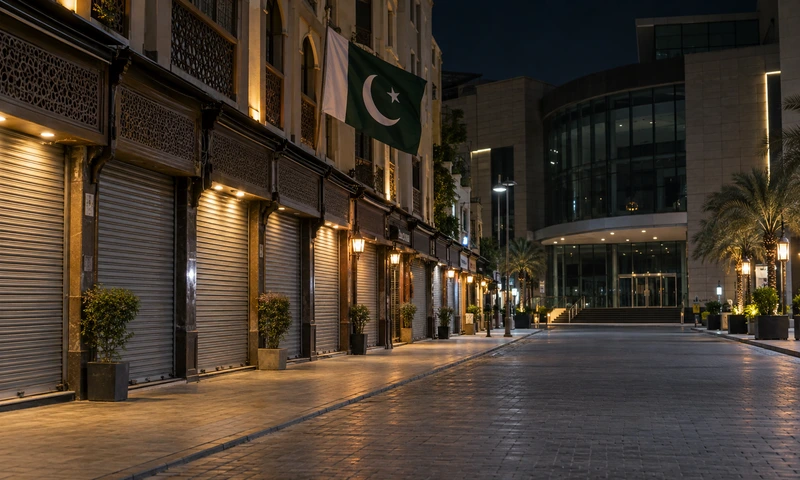
Pakistan Unveils Austerity Rules for Shops, Restaurants and Weddings
The federal government has ordered shops, markets and shopping malls in Islamabad to close by 9pm throughout the week. The restrictions form part of an austerity and fuel conservation drive amid rising energy costs. The business timings initially apply only to Islamabad. The government has encouraged provincial and regional administrations to consider similar measures. Separately, federal spending restrictions halve official vehicle fuel allocations and ban foreign travel for three months, subject to specified exemptions. Reuters also reported the government’s announcement on September 17. New closing times and exemptions According to the notification cited by Geo News, the 9pm deadline covers bazaars, departmental stores, grocery shops, general stores and kiryana outlets. Marriage halls, marquees and commercial venues hosting festive events must close by 10pm. Marriage-related functions must serve only a single dish. Restaurants, cafés, eateries and food outlets must close by 11pm. Takeaway and home delivery services remain exempt. Read More: PM Shehbaz bans high-octane fuel in govt vehicles amid austerity drive The notification exempts pharmacies, hospitals, clinics and medical laboratories from closing-time restrictions. Standalone bakeries, tandoors, milk and dairy shops also retain unrestricted hours. Other exemptions cover fuel stations, CNG pumps, electric vehicle charging stations, gyms and sports facilities. IT companies and call centres can also continue operating beyond the deadlines. Official fuel allocations cut by half Government vehicles will receive 50% less fuel for three months. Operational vehicles of the Armed Forces, Civil Armed Forces, law enforcement agencies, essential services and Federal Board of Revenue remain exempt. However, the reduction still applies to their administrative and non-operational formations. Development projects also fall outside the fuel restriction. The government has prohibited departments from purchasing vehicles and durable goods, while exempting IT procurements and development projects. A separate measure reduces non-essential recurring government expenditure by 5% during the entire 2026-27 fiscal year. The package follows renewed Middle East hostilities and disruption to energy shipments. Geo linked the pressure to the Strait of Hormuz’s closure, the collapsed June US-Iran ceasefire and Houthi attacks on Saudi infrastructure. Geo reported petrol at Rs391.22 per litre and high-speed diesel at Rs421.45. It cited respective increases of Rs6.88 and Rs5.62. Foreign travel and official events restricted The three-month foreign travel ban includes obligatory visits. Pakistan’s ambassadors or high commissioners will represent the country at important or mandatory overseas events. Exceptions cover scholarships from international development partners and training or courses arranged through the Economic Affairs Division or institutional agreements. Read More: PM Shehbaz Announces Austerity Plan as Iran War Triggers Fuel Crisis Where overseas travel proves absolutely unavoidable, ministers, advisers and ministers of state must use economy class. The requirement also covers special assistants to the prime minister and parliamentary and government functionaries. Officials should preferably conduct meetings through teleconferencing, with an exception for meetings within the same city. The government has also stopped official dinners, except those hosted for visiting foreign delegations. Government-funded seminars, training sessions and conferences face a prohibition. Any unavoidable events must use government premises, including auditoriums and committee rooms.
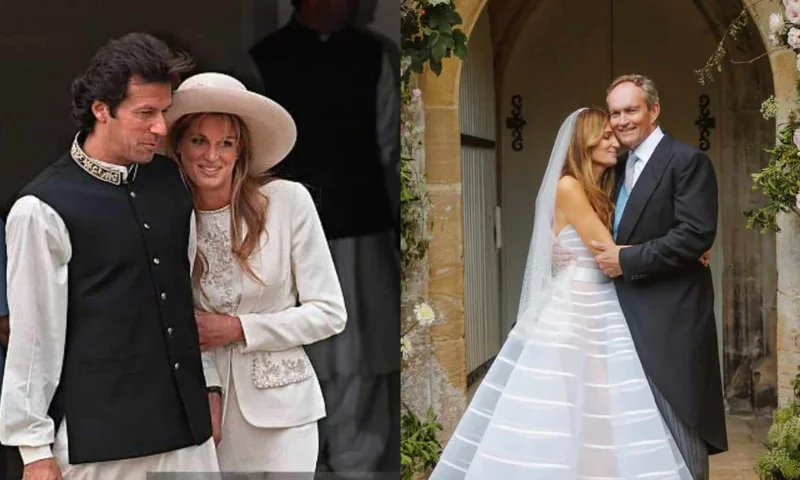
Jemima Goldsmith Marries Again, 22 Years After Imran Khan Divorce
Jemima Goldsmith has shared photographs from her wedding to Irish-Australian financier Cameron O’Reilly, offering a glimpse into the couple’s private celebrations. The award-winning screenwriter and producer, 52, married O’Reilly, 62, days before posting the images. The couple had dated for around a year after meeting through their work in films and documentaries. O’Reilly is the son of the late Sir Anthony O’Reilly, the Irish businessman, media tycoon and international rugby player. The wedding marks Goldsmith’s second marriage. It comes 22 years after her divorce from former Pakistan prime minister Imran Khan. Family celebrates the wedding Goldsmith’s sister-in-law Jemima Jones was among the first family members to share news of the celebrations. Jones is married to Goldsmith’s brother, Ben. She posted a photograph of herself with Ben dressed for the occasion. “Celebrating Jemima and Cameron’s wedding, with my favourite date, what a happy day!” she wrote. View this post on Instagram A post shared by Jemima Goldsmith (@khanjemima) Goldsmith’s own photographs subsequently gave followers a closer look at the wedding, following the family’s earlier posts. The Times reported that the couple became engaged in May 2026. It described O’Reilly as an Oxford graduate who worked in his father’s media business before establishing private equity firm Bayard Capital. Continuing concern for Imran Khan Goldsmith married Khan in 1995, and their nine-year marriage ended in 2004. They have two sons, Sulaiman and Kasim Khan. Despite their divorce, she has continued to speak publicly about his imprisonment and treatment in Pakistan. Last month, Goldsmith urged the British government to speak out. She described the situation surrounding his detention as a “human-rights emergency”. Her appeal raised concerns about Khan’s health, isolation and access to his family. She also attended the Pakistan-England Test at Lord’s with Sulaiman and Kasim. Goldsmith posted #FreeImranKhan as their sons intensified their public campaign over their father’s imprisonment. Her public statements have kept attention on the family’s concerns, alongside their efforts to secure access to Khan. A lasting connection with Pakistan Goldsmith has maintained close ties with Pakistan since living there during her marriage. In an exclusive Geo News interview three years ago, she recalled life in Zaman Park and discussed Pakistani society and culture. She also expressed affection for the country’s people and creative talent. Discussing her filmmaking, Goldsmith said she had challenged herself to create a film that celebrated Pakistan. “I wanted to show the colourful, beautiful, joyful place that I knew when I was in Pakistan as opposed to the Pakistan we often see on the Western screens,” she said. She contrasted those memories with portrayals of Pakistanis and Muslims in Western productions. The project became the romantic comedy What’s Love Got to Do with It? Its cast includes Sajal Ali, Shabana Azmi, Lily James, Emma Thompson and Shazad Latif.
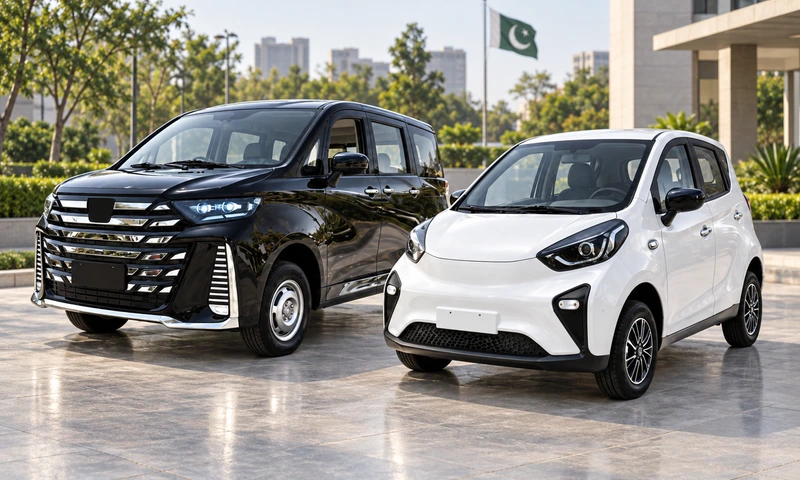
Two New Nora EVs Promise Up to 300km Range Under Rs30 Lakh
Nora plans to introduce its NEO and METRO electric vehicles in Pakistan at prices below Rs30 lakh each. However, shipping delays have disrupted their planned unveiling at the Pakistan Auto Show (PAPS) 2026 in Lahore. The company said that both models would cost less than Rs3 million. It has yet to announce final prices. Nora now expects a tentative launch around September 20 or later, according to the publication’s September 16 report. Both vehicles belong to the L7 quadricycle category, like the existing Nora EV. However, they offer larger dimensions and more power. The METRO, in particular, exceeds the Suzuki Swift’s dimensions. Launch delayed as Lahore prepares for PAPS Nora originally intended to unveil both models at PAPS, scheduled for September 18 to 20. The updated report says shipping delays mean that unveiling will no longer proceed as planned. The show’s official website confirms Lahore International Expo Centre as the venue. Organised under the Pakistan Association of Automotive Parts and Accessories Manufacturers, the exhibition brings together automakers, component suppliers and service providers. The revised timeline remains tentative. Buyers still await firm launch dates, final prices and booking arrangements for the two models. Claimed range reaches 300 kilometres According to specifications shared in the report, both vehicles offer a claimed range of 250 to 300 kilometres. Each uses a 23.1kWh lithium iron phosphate battery and a 72V electrical system. A rear-mounted 4kW motor drives the rear wheels. Both models list a maximum speed of 70km/h and charging times of six to eight hours. These figures represent advertised specifications, rather than independently verified road-test results. Read More: Suzuki Reveals e SKY Electric Kei Car With 310km Range The METRO measures 3,900mm long, 1,800mm wide and 1,800mm tall. It has a 2,360mm wheelbase, 210mm ground clearance and 195/70 R14 tyres. The smaller NEO measures 3,300mm long, 1,600mm wide and 1,600mm tall. Its wheelbase spans 2,300mm, while ground clearance stands at 180mm. It uses 175/70 R13 tyres. Both feature five doors, four seats, right-hand-drive steering and aluminium alloy wheels. Their dimensions put them closer to compact hatchbacks than smaller quadricycles. Touchscreens and battery cover among features The METRO carries a 10-inch HD touchscreen, while the NEO offers a nine-inch HD display. Both models include four power windows, keyless entry, push-button start and central locking. Other equipment includes a reversing camera, heater, USB port and multifunction steering wheel. The listed braking equipment comprises four-wheel disc brakes and an electronic parking brake. Read More: Metro EV Prices Go Up by Rs5,000 Across Pakistan For both models, the reported battery package includes a three-year replacement guarantee, followed by an additional seven-year cell replacement warranty. With their limited top speed and compact footprint, the vehicles target everyday urban travel. Potential uses include shopping, school and college commutes, office journeys and short city trips. The proposed sub-Rs30 lakh pricing remains central to their appeal. Final launch announcements will establish the exact purchase cost and availability.
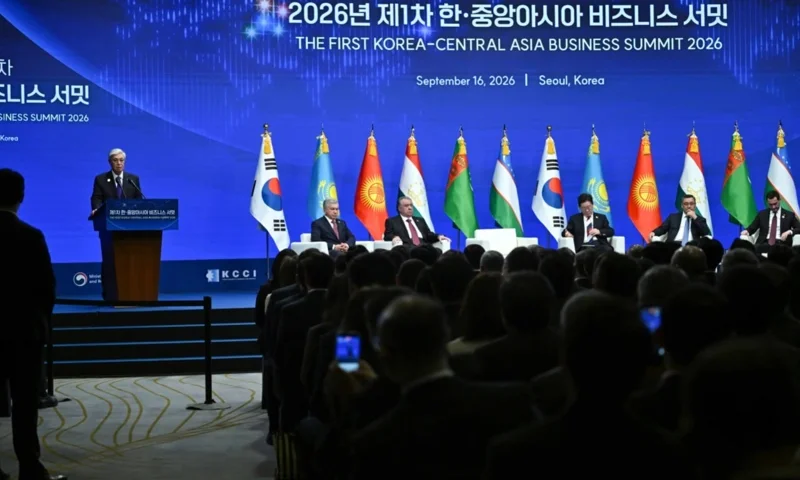
Inside Kazakhstan and South Korea’s $19 Billion Investment Push
Kazakhstan and South Korea will develop a comprehensive trade, economic and investment cooperation programme for 2027-2030. President Kassym-Jomart Tokayev announced the initiative in Seoul on September 16, following commercial agreements worth approximately $19 billion. Tokayev addressed the First Korea-Central Asia Business Summit. He pledged government support for Korean businesses and close oversight of project implementation. Read More: Korean Fighter Jets Collided Mid-Air Because Pilots Were Taking Photos He said Kazakhstan accounts for around 60 percent of Central Asia’s combined GDP. It also attracts approximately 70 percent of the region’s foreign direct investment inflows. Investment incentives and project delivery “These figures reflect our country’s significant contribution to the economic development and overall prosperity of Central Asia. During my visit, around 80 commercial agreements worth approximately $19 billion were signed between Kazakhstan and Korea. These are not merely declarations of intent or, as is often said today, empty pieces of paper, but concrete plans. In any case, the Government of Kazakhstan will closely monitor the timely implementation of the relevant business projects. The Government of Kazakhstan will provide comprehensive support to Korean businesses to ensure the effective implementation of joint projects. To this end, a Comprehensive Program for Trade, Economic and Investment Cooperation between Kazakhstan and Korea for 2027-2030 will be developed. I would also like to emphasize that we are consistently improving the investment climate and creating the most favorable conditions for foreign investors. One important step in this direction was the introduction of the Altyn Visa programme, which provides benefits to investors implementing projects in our country. I believe that Korean entrepreneurs and Korean businesses as a whole will make active use of the incentives provided,” the Head of State said. Industrial cooperation takes priority Tokayev identified deeper industrial cooperation as a leading priority. He highlighted vehicle manufacturing and called for greater localisation. “Kazakhstan and Korea are currently implementing 51 industrial projects worth more than 4 billion. Last year, more than 170 thousand vehicles were produced in our country, representing growth of nearly 18 percent. The Hyundai and Kia plants made a significant contribution to this achievement. This provides a solid foundation for our further efforts aimed at increasing localization and producing high-tech goods with high added value. As for the localization process, I am closely monitoring it. Of course, this is not a matter that can be resolved overnight, but we need to continue moving forward consistently in this direction,” Kassym-Jomart Tokayev said. Energy and minerals broaden cooperation The visit also brought agreements beyond manufacturing. On September 15, the two countries signed a memorandum on peaceful nuclear energy cooperation. Read More: Pakistan, Russia Sign Security Deals as Regional Threats Grow Tokayev and South Korean President Lee Jae Myung also explored closer ties in critical minerals, trade and artificial intelligence. Other cooperation documents covered crude oil and science and technology. These discussions added energy and technology priorities to the expanding economic relationship. Tokayev had earlier reaffirmed Kazakhstan’s readiness to expand cooperation with South Korea.
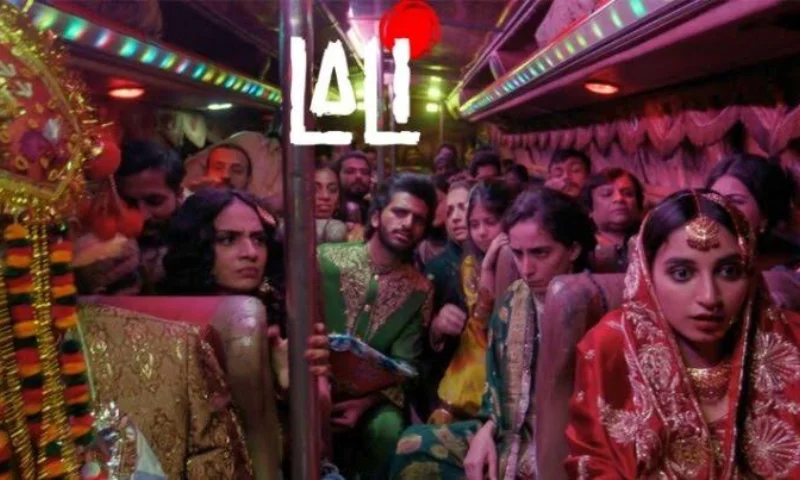
After Kamli, Lali Brings Sarmad Khoosat Another DC Festival Win
Pakistani filmmaker Sarmad Khoosat has won Best Director for Lali at the 15th DC South Asian Film Festival (DCSAFF). The award marks his second directing honour at the festival, following his win for Kamli three years ago. The festival announced the result on its official Instagram account on Tuesday, September 15. Khoosat shared the news through an Instagram story the same day, congratulating his team and thanking the organisers. “We won an award at DCAFF. Mubarak to my Lali team and bohat shukria to the lovely people who have been bringing our stories to Amreeka for the last 15 years with so much warmth and dedication,” he wrote. The recognition adds to Lali’s international festival run, which began in Berlin earlier this year and will continue in London next month. Lali heads to London after Berlin premiere In February, Lali became the first fully Pakistani-produced feature to premiere at the Berlinale. The Berlin festival listed the film in its Panorama programme. Earlier this month, the film secured a place at the 70th BFI London Film Festival, the United Kingdom’s biggest film event. Its screening will take place on October 7. Khoosat co-wrote Lali with Sundus Hashmi. The story follows Zeba, a young woman whom others label a “cursed bride” after three previous suitors die mysteriously. Mamya Shajaffar plays Zeba, while the ensemble includes Rasti Farooq and Meher Bano. Musician Abdullah Siddiqui composed the film’s score. The DC award comes between those two major festival appearances, adding a directing prize to the film’s international exposure. A second directing honour at DCSAFF Khoosat previously received DCSAFF’s Best Director award for Kamli, his 2022 feature. That film also earned him Best Director at the 22nd Lux Style Awards. The latest result brings recognition from the same festival for two separate films, three years apart. Before establishing himself in cinema, Khoosat built a substantial television career. His directing work on Humsafar helped the drama reach audiences in Pakistan and overseas. His subsequent films have explored difficult social subjects, earning international recognition while sometimes facing obstacles at home. Zindagi Tamasha’s awards and release struggle In 2019, Zindagi Tamasha won the Kim Ji-seok Award at the Busan International Film Festival. Pakistan later selected it as its official submission for Best International Feature Film at the 93rd Academy Awards. The film also won the Snow Leopard Award for Best Film at the sixth Asian World Film Festival in 2021. Despite those honours, controversy delayed its release in Pakistan. Khoosat eventually released the film on YouTube, allowing audiences to watch it outside the cinema circuit. With Lali, his latest international recognition now comes ahead of another opportunity to introduce Pakistani storytelling to audiences in London.
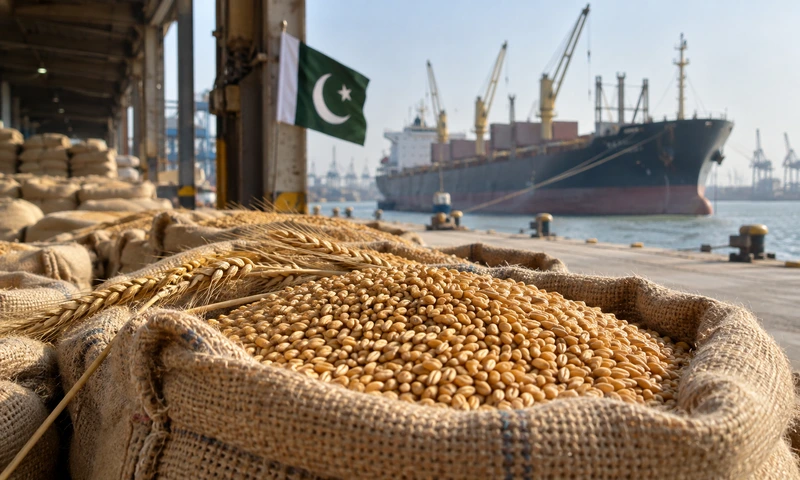
CAP Urges Private Wheat Imports as Prices Rise in Pakistan
The Cereal Association of Pakistan (CAP) has urged the government to immediately permit private-sector wheat imports to prevent shortages. It warned that delays could further increase prices, which it said have reached Rs140 per kilogram in Khyber Pakhtunkhwa. In a September 16 statement, CAP appealed to the government and the relevant standing committee to approve additional imports. The association welcomed official procurement efforts but argued that the planned 750,000 tonnes would not adequately bridge the supply gap. TCP receives offers below tender target The Trading Corporation of Pakistan opened its wheat import tender on September 16. CAP said nine international companies offered 656,000 tonnes at prices ranging from $348.83 to $369.95 per tonne. The offered volume falls 94,000 tonnes short of the tender’s stated target. 13 parties participated overall, with nine submitting technically and financially responsive bids. Two submitted regret letters, while two were non-responsive. Agrocorp offered the lowest price for 55,000 tonnes, and TCP was still evaluating bids, the report said. Read More: Pakistan Olive Cultivation Targets $4 Billion Import Bill The official tender specifies wheat from the 2026 crop, delivered in bulk to Karachi or Gwadar on a cost-and-freight basis. It allows a 10 per cent quantity variation above or below the stated volume. Private importers estimate lower prices CAP said international wheat was available at approximately $320–325 per tonne, below the prices quoted in TCP’s tender. After freight, local charges and other import expenses, private importers could potentially supply wheat at Rs100–101 per kilogram, it claimed. The association put domestic wheat prices at approximately Rs125–130 per kilogram, rising to around Rs140 in Khyber Pakhtunkhwa. Its projected import price would therefore sit Rs24–30 below its quoted general domestic range. These figures represent CAP’s market estimates, rather than confirmed import contracts or guaranteed consumer prices. Its statement did not specify the origin, quality or delivery terms underlying the $320–325 international quotation. CAP argued that bulk supplies through private importers would improve open-market availability and help ease pressure on consumers. Association warns against delays The association said the provincial quota system alone might not meet the country’s wheat requirements. It urged authorities to allow private imports alongside government procurement to maintain adequate stocks and uninterrupted market supply. CAP’s release also put Pakistan’s annual wheat demand at approximately four million tonnes. However, it provided no supporting calculation or explanation of that figure. It did not clarify whether this referred to an import requirement or a supply shortfall rather than total national consumption. Read More: Canada Food Import Probe Widens After India Raid The association maintained that government procurement covered only part of the requirement. It warned that delayed permission could worsen shortages and market conditions. CAP called for immediate approval so importers could arrange stocks in time, bridge the supply gap and protect consumers from further price increases.
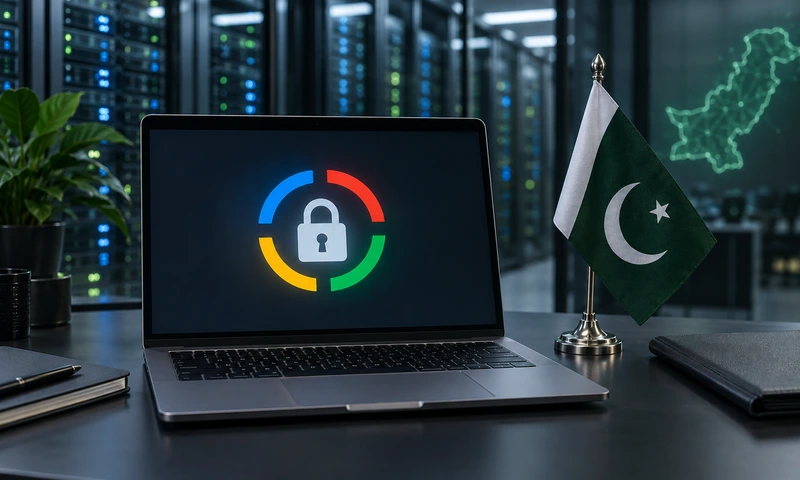
Does the Google-Pakistan Deal Offer Users Privacy Protections?
Freedom Network has urged Google and Pakistan’s government to disclose their partnership agreements and explain safeguards against surveillance and censorship. The media watchdog also sought guarantees against unrestricted access to citizens’ personal information. The Islamabad-based organisation welcomed the partnership to advance Pakistan’s digital economy but questioned why neither side had published the agreements. It raised its concerns in an open letter, shared with the media through a press release. Prime Minister Shehbaz Sharif inaugurated Google’s Pakistan office on August 18, alongside Google Global Affairs Vice President Wilson L. White. Calls to publish agreements “A big question is what exactly has been agreed? Will the government or Google publish all MoUs, agreements, contracts or other arrangements signed between them? If some provisions must remain confidential, who decided that and under what law?” Freedom Network asked. The watchdog questioned whether undisclosed commitments covered access to user data, content, metadata or government databases. Read More: Google Is Hiring in Karachi, But Can You Qualify? “Under what circumstances can Pakistani authorities request information about Google users? Will every request require a valid legal process and judicial oversight? Will Google reject requests that are overly broad, vague or inconsistent with fundamental rights?” The August 21 memorandum covers digital skills, IT exports and innovation. Google set a target of providing 150,000 Career Certificates in Pakistan this year. The partnership also includes expanding students’ access to advanced artificial intelligence tools. Protection for journalists and users Freedom Network sought explicit safeguards for journalists’ Gmail, Google Drive, photos, YouTube accounts and search-related information. Such records could expose confidential sources. It also urged Google to commit against removing content solely because a government agency requests it. The watchdog called for transparent legal standards for blocking and removal decisions. Users should receive notice and an opportunity to challenge decisions where legally possible. Data storage emerged as another concern as Pakistan develops a national data-governance framework. The watchdog highlighted data sovereignty, minimum disclosure and citizens’ right to know who accesses their information. “Will Pakistani users’ data be stored in Pakistan, overseas, or both?” it asked. “There should not be informal or undocumented data-sharing arrangements between Google and the Pakistan government.” Google’s policy and independent oversight Google’s published policy says governments do not receive direct access to user information. Its legal team reviews each request, and the company may narrow excessive demands or object to disclosure. These are general policies, rather than confirmation of the Pakistan agreements’ terms. Read More: Pakistan’s Tech Sector Gets Major Boost as Google Opens Office Google also says it normally notifies users before disclosure, subject to exceptions including legal prohibitions and emergencies. Freedom Network sought independent scrutiny of the partnership’s protections. “Who independently will audit Google’s compliance with privacy and human-rights safeguards in Pakistan? The answer should not be simply the government.”
