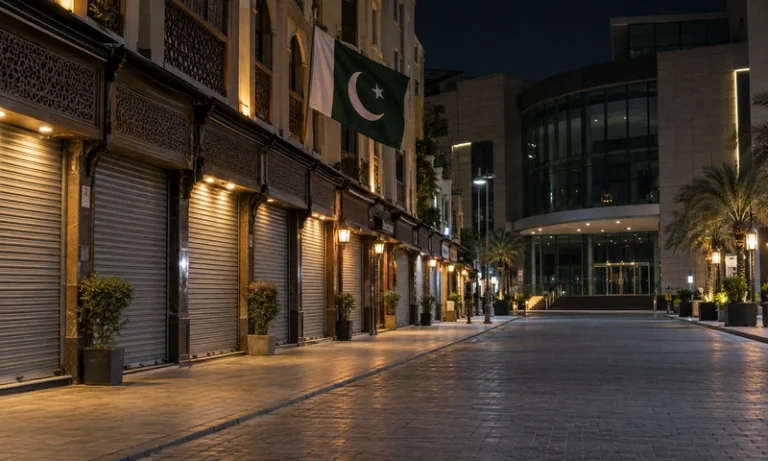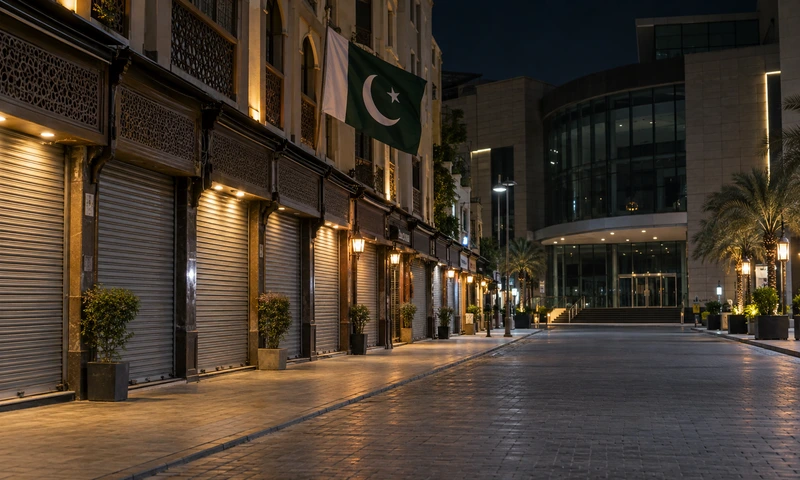
The federal government has ordered shops, markets and shopping malls in Islamabad to close by 9pm throughout the week. The restrictions form part of an austerity and fuel conservation drive amid rising energy costs.
The business timings initially apply only to Islamabad. The government has encouraged provincial and regional administrations to consider similar measures.
Separately, federal spending restrictions halve official vehicle fuel allocations and ban foreign travel for three months, subject to specified exemptions. Reuters also reported the government’s announcement on September 17.
New closing times and exemptions
According to the notification cited by Geo News, the 9pm deadline covers bazaars, departmental stores, grocery shops, general stores and kiryana outlets.
Marriage halls, marquees and commercial venues hosting festive events must close by 10pm. Marriage-related functions must serve only a single dish.
Restaurants, cafés, eateries and food outlets must close by 11pm. Takeaway and home delivery services remain exempt.
Read More: PM Shehbaz bans high-octane fuel in govt vehicles amid austerity drive
The notification exempts pharmacies, hospitals, clinics and medical laboratories from closing-time restrictions. Standalone bakeries, tandoors, milk and dairy shops also retain unrestricted hours.
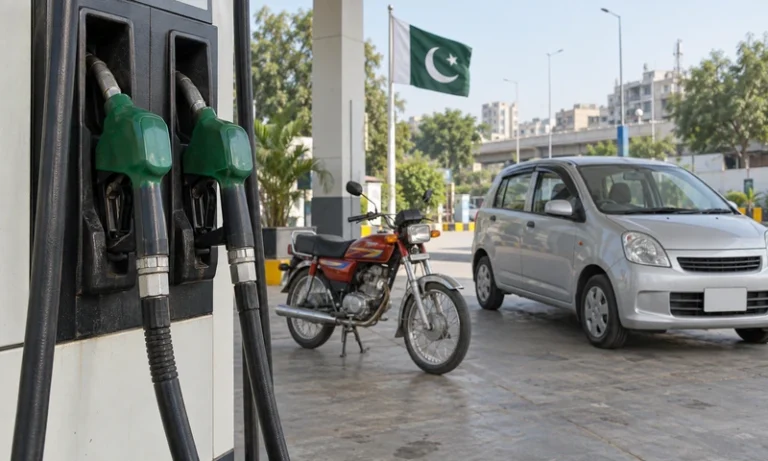
Other exemptions cover fuel stations, CNG pumps, electric vehicle charging stations, gyms and sports facilities. IT companies and call centres can also continue operating beyond the deadlines.
Official fuel allocations cut by half
Government vehicles will receive 50% less fuel for three months.
Operational vehicles of the Armed Forces, Civil Armed Forces, law enforcement agencies, essential services and Federal Board of Revenue remain exempt. However, the reduction still applies to their administrative and non-operational formations.
Development projects also fall outside the fuel restriction.
The government has prohibited departments from purchasing vehicles and durable goods, while exempting IT procurements and development projects.
A separate measure reduces non-essential recurring government expenditure by 5% during the entire 2026-27 fiscal year.
The package follows renewed Middle East hostilities and disruption to energy shipments. Geo linked the pressure to the Strait of Hormuz’s closure, the collapsed June US-Iran ceasefire and Houthi attacks on Saudi infrastructure.
Geo reported petrol at Rs391.22 per litre and high-speed diesel at Rs421.45. It cited respective increases of Rs6.88 and Rs5.62.
Foreign travel and official events restricted
The three-month foreign travel ban includes obligatory visits. Pakistan’s ambassadors or high commissioners will represent the country at important or mandatory overseas events.
Exceptions cover scholarships from international development partners and training or courses arranged through the Economic Affairs Division or institutional agreements.
Read More: PM Shehbaz Announces Austerity Plan as Iran War Triggers Fuel Crisis
Where overseas travel proves absolutely unavoidable, ministers, advisers and ministers of state must use economy class. The requirement also covers special assistants to the prime minister and parliamentary and government functionaries.
Officials should preferably conduct meetings through teleconferencing, with an exception for meetings within the same city.
The government has also stopped official dinners, except those hosted for visiting foreign delegations.
Government-funded seminars, training sessions and conferences face a prohibition. Any unavoidable events must use government premises, including auditoriums and committee rooms.