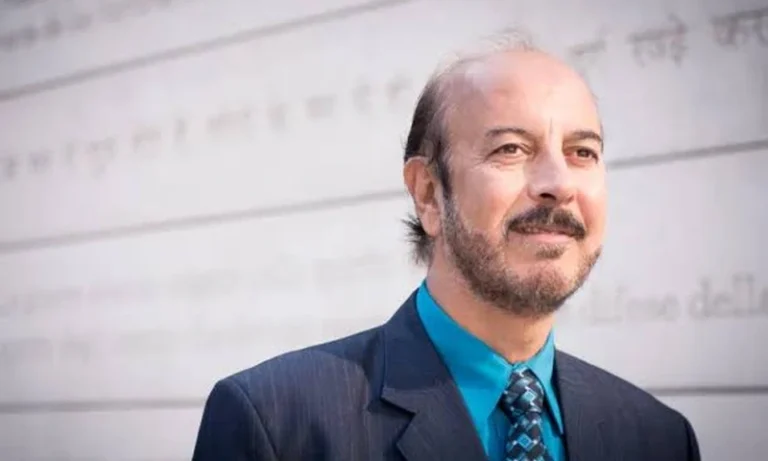
Pakistan’s recent diplomatic intervention in the US-Iran conflict not only helped avert a major geopolitical escalation but also generated an estimated $3 trillion in global wealth, according to prominent economist Atif Mian.
The Princeton University professor said the country’s last-minute mediation efforts played a decisive role in shifting the trajectory of the crisis, transforming what had appeared to be an imminent escalation into a ceasefire within hours.
In a detailed analysis shared on social media, Mian highlighted how global markets reacted sharply to the breakthrough. “On April 7, the world edged toward [US President] Trump’s ultimatum… By mid-afternoon, Polymarket gave less than a 5% chance for a ceasefire,” he said, describing the tense lead-up to the agreement.
Markets rally after diplomatic breakthrough
According to Mian, the rapid shift from near-zero probability of peace to a confirmed ceasefire had a measurable economic impact. The S&P 500 index rose by approximately 2.9% following the announcement, with similar gains observed across global financial markets.
He explained that global equity markets are valued at roughly $125 trillion, meaning that a 2.9% increase translates into an estimated $3.6 trillion gain in global wealth. “Pakistan helped create TEN times its own GDP for the world!” Mian said, underscoring the scale of the impact.
Analysts note that such a rapid market reaction reflects how financial systems respond to geopolitical risk. The ceasefire reduced fears of a prolonged conflict that could have disrupted energy supplies, trade routes and global investor confidence.
The agreement came just hours before a deadline that had raised fears of large-scale military action, making the diplomatic breakthrough particularly significant for global markets already on edge.
From crisis mediation to global recognition
Pakistan’s role in facilitating dialogue between Washington and Tehran has drawn widespread international attention, with both sides acknowledging Islamabad’s efforts in helping secure the ceasefire.
The development has also elevated Pakistan’s profile as a diplomatic intermediary at a time of heightened global tensions. Observers say the episode demonstrates how effective diplomacy can yield not only political stability but also tangible economic benefits.
Mian, however, emphasized that the financial gains were only part of the story. “For me, the best part is not the trillions of dollars, but seeing Pakistan on the world stage as a peacemaker,” he said, adding that the country should build on this momentum by promoting peace domestically as well.
Despite the optimism, experts caution that the ceasefire remains fragile and that sustained engagement will be required to translate the current momentum into a lasting resolution. Ongoing tensions in the region, including disruptions in key shipping routes and broader geopolitical rivalries, continue to pose risks.
Still, the immediate market response has highlighted the economic value of de-escalation, with Pakistan’s role emerging as a key factor in stabilizing a volatile situation.
As Islamabad hosts further talks between the United States and Iran, the focus will now shift to whether this diplomatic success can evolve into a durable peace framework, reinforcing both regional stability and global economic confidence.