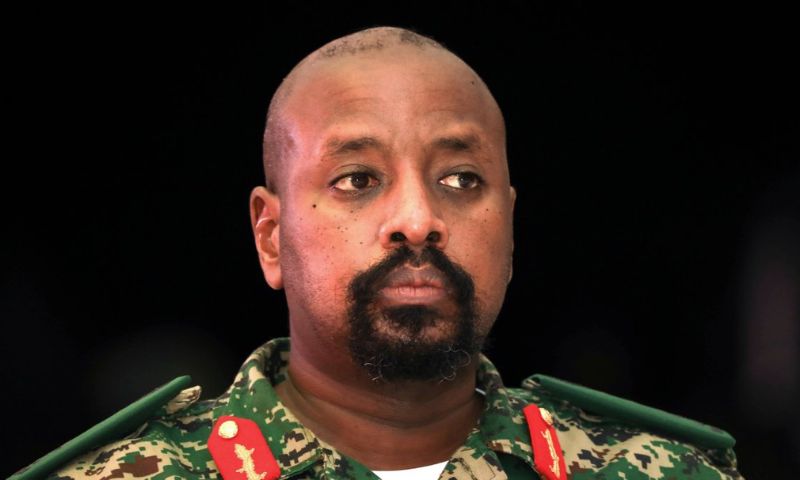
Uganda’s top military commander Muhoozi Kainerugaba has triggered international controversy after publicly demanding $1 billion from Turkey along with what he described as “the most beautiful woman” in the country as his wife, remarks that have drawn sharp attention across diplomatic circles.
The comments, made through a series of social media posts, were framed by Kainerugaba as compensation for Uganda’s long-standing military role in regional security operations, particularly in Somalia.
According to reports, the general said Uganda deserved financial recognition for its contribution to fighting militant groups, adding that Turkey had benefited from infrastructure and economic engagements in Somalia while Ugandan forces bore the security burden.
In one of the posts, he wrote that Turkey should provide “$1 billion” and “the most beautiful woman” as part of his demand.
Threat of diplomatic fallout
The remarks escalated further when Kainerugaba warned that failure to meet his demands could result in a breakdown of diplomatic relations between Uganda and Turkey. He reportedly gave a 30-day window, threatening to close Turkey’s embassy in Kampala and cut ties altogether.
He also suggested reciprocal actions, stating that Turkey could shut Uganda’s embassy in return, framing the situation as a “simple deal.”
The comments have raised concerns among analysts, with many viewing them as highly unconventional and potentially damaging to Uganda’s foreign relations.
Pattern of controversial statements
This is not the first time Kainerugaba has stirred headlines with provocative statements. In 2022, he had publicly expressed interest in marrying Italian Prime Minister Giorgia Meloni, even suggesting a symbolic bride price in exchange.
The Ugandan general, who is also the son of President Yoweri Museveni, has previously faced criticism for social media posts that have sparked diplomatic tensions, including remarks about neighboring countries and global political figures.
Observers note that his latest comments fit into a broader pattern of outspoken and often controversial online behavior, which has at times forced official clarifications or apologies from Kampala.
Wider implications
Turkey has not officially responded to the latest remarks, but the episode has drawn widespread global attention and criticism, with many questioning the seriousness and intent behind the statements.
Analysts say the incident highlights the growing impact of social media on diplomacy, where informal or personal remarks by senior officials can quickly escalate into international issues.
While it remains unclear whether the comments were symbolic, rhetorical, or serious, the reaction underscores the sensitivity of diplomatic language, particularly when it involves demands that challenge established norms.