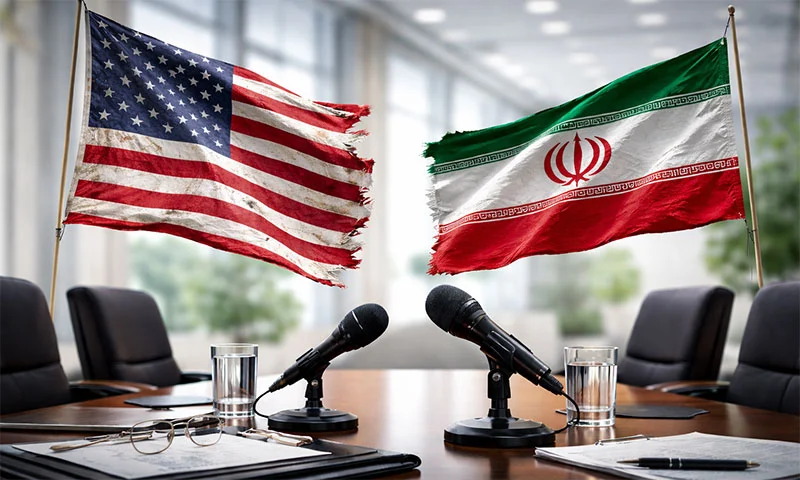
The United States and Iran exchanged sharp statements after high-stakes talks in Islamabad ended without a breakthrough, with both sides blaming each other for the failure to reach an agreement and casting uncertainty over the fragile ceasefire.
The negotiations, held in Pakistan’s capital and lasting several hours, were aimed at extending a two-week halt in hostilities following recent escalation in the region. However, the talks concluded without consensus on key issues, including sanctions relief, regional security concerns and broader strategic commitments.
US says Iran rejected key proposals
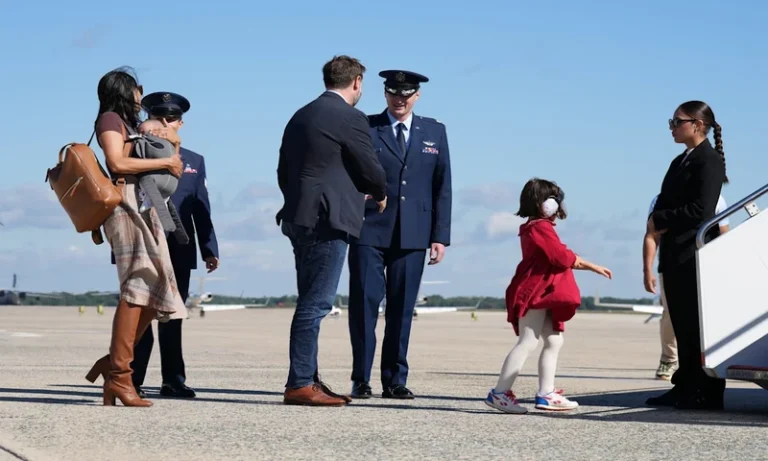
US officials said Tehran failed to accept what they described as a clear and comprehensive proposal put forward during the negotiations. Vice President JD Vance said Iran was not willing to move forward on terms that Washington considered essential for progress.
According to the US position, any agreement required meaningful steps from Iran, including commitments related to regional stability and confidence-building measures. Officials indicated that the lack of agreement on these points prevented the talks from moving toward a formal deal.
President Donald Trump also signalled a firm stance following the outcome, warning that further options remained on the table if diplomacy failed to deliver results.
Iran accuses US of inflexibility
Iranian officials, however, rejected the US narrative and blamed Washington for the deadlock, saying the American side presented unrealistic and uncompromising demands during the discussions.
Members of the Iranian delegation said the US approach lacked the flexibility needed for meaningful negotiations and failed to build trust. They stressed that any sustainable agreement would require mutual respect and a willingness to accommodate core concerns on both sides.
Iranian representatives also indicated that they did not expect a final agreement in a single round of talks, suggesting that further engagement would be necessary to bridge differences.
Uncertainty after diplomatic setback
The collapse of the talks has added fresh uncertainty to an already tense situation, with the current ceasefire timeline approaching its end. Diplomats and observers say the exchange of blame highlights the deep divisions that remain between the two sides.
Pakistan, which hosted the talks and played a facilitating role in bringing both parties to the table, has reiterated its commitment to supporting dialogue and helping both sides move toward a lasting and durable solution.
Despite the setback, diplomatic channels are expected to remain open, with the possibility of further rounds of negotiations in the coming days. However, the immediate focus has shifted to whether the ceasefire can hold amid rising tensions and competing narratives.
The outcome of the Islamabad talks underscores the challenges of resolving a complex conflict shaped by longstanding mistrust, even as international stakeholders continue to push for de-escalation