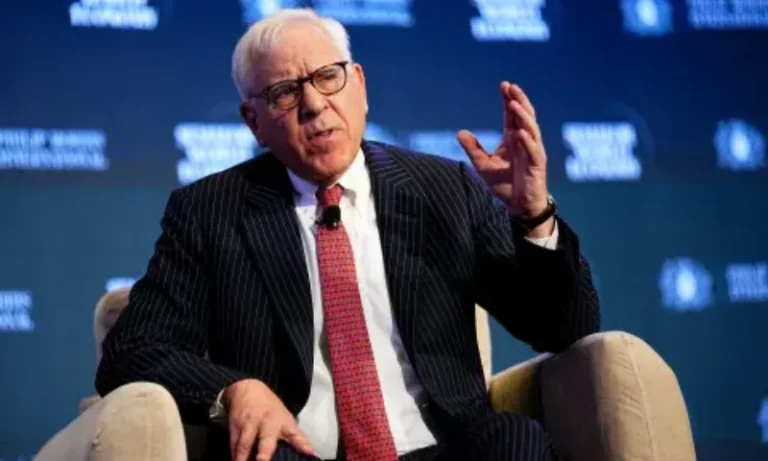
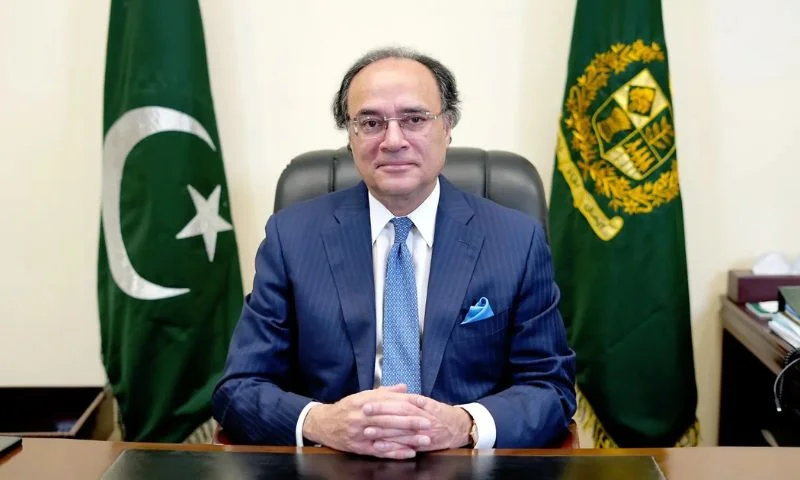
Pakistan’s Finance Minister Muhammad Aurangzeb has departed for the United States to attend the International Monetary Fund and World Bank Spring Meetings, as Islamabad seeks to consolidate economic stability and secure support at a time of global uncertainty.
The meetings, scheduled to take place in Washington from April 13 to April 18, will bring together finance ministers, central bank governors and development partners from across the world to discuss pressing economic challenges, including inflation, debt sustainability and the impact of geopolitical tensions.
Aurangzeb is expected to lead Pakistan’s delegation in a series of high-level engagements with senior officials of the IMF, World Bank and other international financial institutions, where he will present the country’s reform agenda and economic outlook.
Read More: IMF Demands Fuel Reforms: What It Means for Millions of Pakistanis
Key meetings and economic agenda
During his visit, the finance minister is scheduled to hold discussions with top World Bank leadership, including Managing Director for Operations Anna Bjerde, as well as officials from the International Finance Corporation and the Multilateral Investment Guarantee Agency.
Officials said the talks will focus on strengthening development cooperation, attracting foreign investment and securing financial support for Pakistan’s ongoing reform programme.
Aurangzeb is also expected to meet representatives of global financial institutions, investors and policymakers to highlight Pakistan’s improving macroeconomic indicators and long-term growth strategy.
In addition to official meetings, the minister will participate in policy dialogues and events, including engagements with academics and members of the Pakistani diaspora, aimed at promoting investment opportunities and strengthening international partnerships.
Read More: Pakistan Secures $1.2 Billion IMF Boost After Key Agreement
Economic pressures and reform push
The visit comes at a critical time for Pakistan’s economy, which is navigating external pressures linked to global energy price volatility and regional tensions. Analysts say the meetings will provide Islamabad with an opportunity to seek policy flexibility and financial cushions to manage external shocks.
Pakistan is currently implementing reforms under an IMF-supported programme aimed at stabilising the economy, controlling inflation and rebuilding foreign exchange reserves. Previous agreements with the IMF have helped restore market confidence and improve fiscal discipline, though challenges remain in sustaining growth and managing debt.
Government officials have indicated that discussions in Washington will also cover future budget priorities, including tax reforms, energy pricing and targeted support for vulnerable segments of society.
The Spring Meetings come at a time when global institutions are increasingly focused on the economic fallout of geopolitical conflicts, which have disrupted energy markets and intensified inflationary pressures, particularly for developing economies like Pakistan.
Aurangzeb’s engagements are expected to focus on balancing short-term economic stabilisation with long-term structural reforms, including boosting exports, improving governance and attracting foreign investment.
As Pakistan seeks to maintain economic recovery momentum, the outcome of these meetings will be closely watched by investors and policymakers, with expectations that they could shape the country’s fiscal direction in the months ahead.