
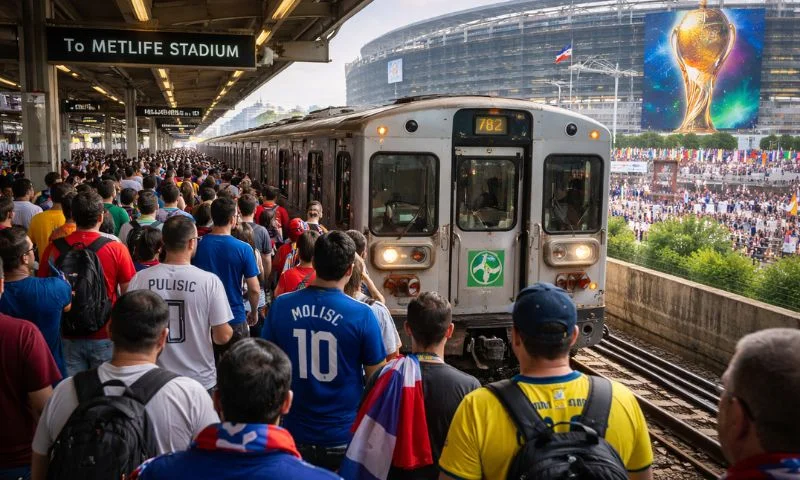
A senior US lawmaker has called on football’s governing body FIFA to cover public transportation costs for the 2026 World Cup, as concerns grow over rising expenses for fans attending matches across the United States.
The demand comes after reports that transport fares for fans traveling to matches could surge dramatically, adding to mounting criticism over already high ticket prices for the tournament.
Transport costs spark political pushback
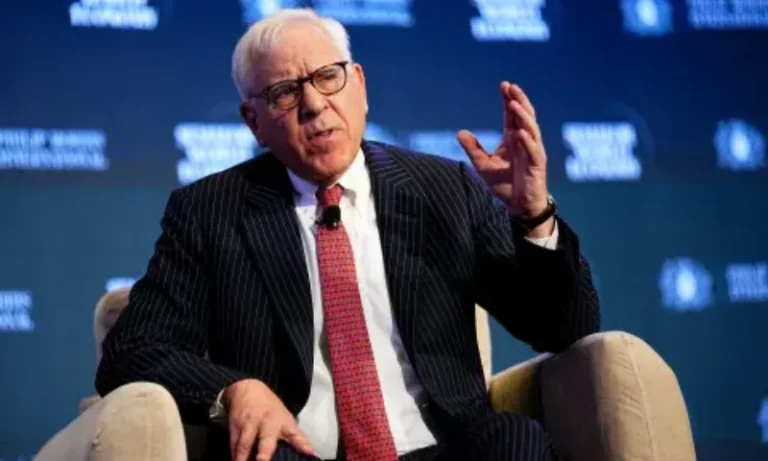
US Senate Minority Leader Chuck Schumer said FIFA, which is expected to generate billions in revenue from the tournament, should step in to ease the burden on local residents and visitors.
“FIFA is set to reap nearly $11 billion from this summer’s World Cup, yet New York area commuters and residents are being handed the bill,” Schumer said.
He added, “The least FIFA can do is ensure New York residents can go to the stadium without being gouged at the turnstile.”
The remarks followed reports that New Jersey Transit could charge more than $100 for a single journey from Manhattan’s Penn Station to MetLife Stadium, compared to a regular fare of about $12.90.
Mounting concerns over affordability
The 2026 FIFA World Cup, scheduled from June 11 to July 19 and hosted across the United States, Canada and Mexico, is already facing criticism over ticket pricing.
Lawmakers and fans have raised concerns about FIFA’s use of dynamic pricing, which allows ticket costs to fluctuate based on demand, pushing prices significantly higher for high-profile matches.
Critics say the combination of expensive tickets and rising transport costs risks making the tournament inaccessible to ordinary fans.
New York Governor Kathy Hochul also criticised the reported fare hikes, saying, “Charging over $100 for a short train ride sounds awfully high to me.”
Financial burden on host cities
According to reports, the cost of providing transport services for matches at MetLife Stadium alone could reach $48 million, raising questions over who should bear the financial burden.
New Jersey Governor Mikie Sherrill has said the state will not pass these costs on to taxpayers, stating, “We are not going to be paying for moving the people who are viewing the World Cup on the back of New Jersey taxpayers and New Jersey commuters.”
Similar concerns have emerged in other host cities. In Boston, for example, return train tickets to Gillette Stadium could rise to around $80, up from about $20.
Broader debate over World Cup costs
The controversy highlights wider tensions surrounding the financial impact of hosting major global sporting events.
The 2026 World Cup will be the largest in history, featuring 48 teams across 16 cities, and is expected to draw millions of fans.
However, the decentralised structure of the US hosting model means local authorities are often responsible for infrastructure, security and transport arrangements, placing pressure on city budgets.
Analysts say this has led to growing calls for FIFA to contribute more directly to operational costs, particularly as the organisation stands to generate record revenues.
Outlook
With ticket prices already under scrutiny and transport costs becoming a new flashpoint, pressure is mounting on FIFA to address affordability concerns ahead of the tournament.
While no final decisions have been made on transport pricing, the issue is likely to remain a key point of debate as preparations for the World Cup intensify.