
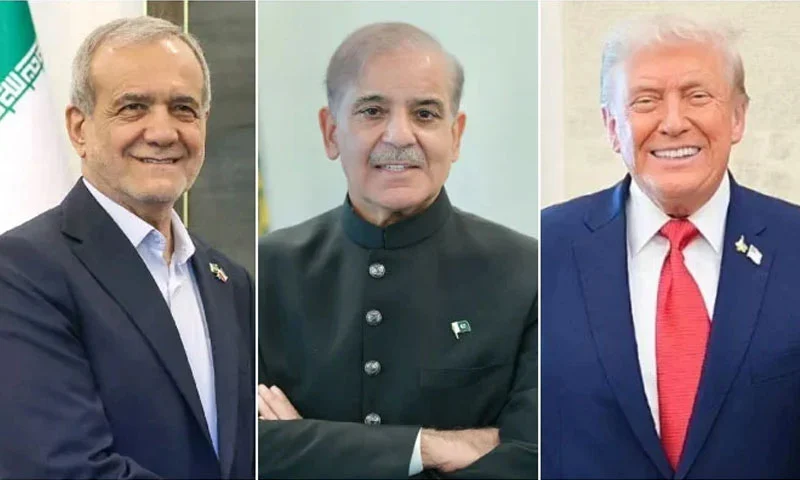
Prime Minister Shehbaz Sharif announced on Monday that the United States and Iran had reached a peace agreement following months of diplomatic engagement, marking a major breakthrough in efforts to end a conflict that has destabilised the Middle East and disrupted global energy markets. In a post on X, the prime minister said both sides had agreed to the “immediate and permanent termination of military operations on all fronts, including Lebanon”, with an official signing ceremony scheduled to take place in Switzerland on June 19. Following intensive talks, we are pleased to announce that the Peace Deal between the United States of America and Islamic Republic of Iran has been REACHED. Both sides have declared the immediate and permanent termination of military operations on all fronts, including in…— Shehbaz Sharif (@CMShehbaz) June 14, 2026 The announcement came hours after US President Donald Trump declared that negotiations had concluded successfully. “The Deal with the Islamic Republic of Iran is now complete,” Trump wrote on Truth Social around 5:30pm ET on Sunday. Pakistan played a key mediation role during the negotiations. Shehbaz thanked Qatar for facilitating dialogue and helping create conditions that led to the agreement. The premier also praised Saudi Arabia and Turkiye for what he described as their “immense contributions” to the diplomatic effort. He said mediators would now oversee a series of meetings aimed at preparing for technical discussions and the formal signing ceremony in Switzerland. The agreement follows an Israeli strike on Lebanon on Sunday that drew criticism from both Iran and Trump and threatened to complicate ongoing negotiations. Strait of Hormuz to Reopen as Ceasefire Begins A major element of the agreement involves the reopening of the Strait of Hormuz, one of the world’s most important energy shipping routes. The waterway has faced severe disruptions for months as tensions escalated between Washington and Tehran. Trump said the strait would reopen on Friday following the signing of the agreement and announced that the United States would end its blockade of Iranian ports. “Ships of the World, start your engines. Let the oil flow!” Trump wrote. “The Deal with Islamic Republic of Iran is now complete. Congratulations to all!” President Donald J. Trump 🇺🇸 pic.twitter.com/RdSwyEdEtO— The White House (@WhiteHouse) June 14, 2026 In another post, Trump described the accord as a “great deal” that would bring peace and security to the wider region. He also claimed that previous US administrations had failed to achieve a similar breakthrough and said regional leaders had finally found a US president capable of helping secure lasting peace. According to Iranian Deputy Foreign Minister Kazem Gharibabadi, negotiators will use a 60-day ceasefire period to pursue a broader agreement. Those talks are expected to focus on sanctions relief, regional security issues and the future of Iran’s nuclear programme. Sources familiar with negotiations previously told Reuters that Tehran’s nuclear activities would form a key part of follow-up discussions. Regional Leaders Welcome Agreement Qatari Prime Minister Sheikh Mohammed bin Abdulrahman bin Jassim Al Thani welcomed the agreement and thanked Pakistan and other regional partners for helping facilitate progress. In a statement posted on X, he said Qatar hoped all parties would engage in future negotiations in a “positive and constructive spirit”. We welcome the agreement reached on the Memorandum of Understanding between the United States of America and the Islamic Republic of Iran. We extend our thanks to our brothers in the Islamic Republic of Pakistan, as well as to all regional and international parties that…— محمد بن عبدالرحمن (@MBA_AlThani_) June 14, 2026 He also reaffirmed Doha’s commitment to promoting regional security through dialogue and peaceful diplomacy. British Prime Minister Keir Starmer also welcomed the development. “We are clear that toll-free freedom of navigation must now be restored in the Strait of Hormuz,” Starmer said, while reiterating that “Iran must never have a nuclear weapon.” The conflict began after US and Israeli forces launched attacks on Iran on February 28. Since then, thousands of people have died, mainly in Iran and Lebanon. The fighting triggered major disruptions to regional trade and energy supplies. Iran restricted movement through the Strait of Hormuz, while US forces responded by blocking Iranian ports. Although the agreement represents a significant diplomatic breakthrough, Israel has stated that it is not a party to the proposed deal. Analysts say successful implementation could ease tensions across the Middle East, restore energy flows and reduce pressure on global oil markets after months of uncertainty.
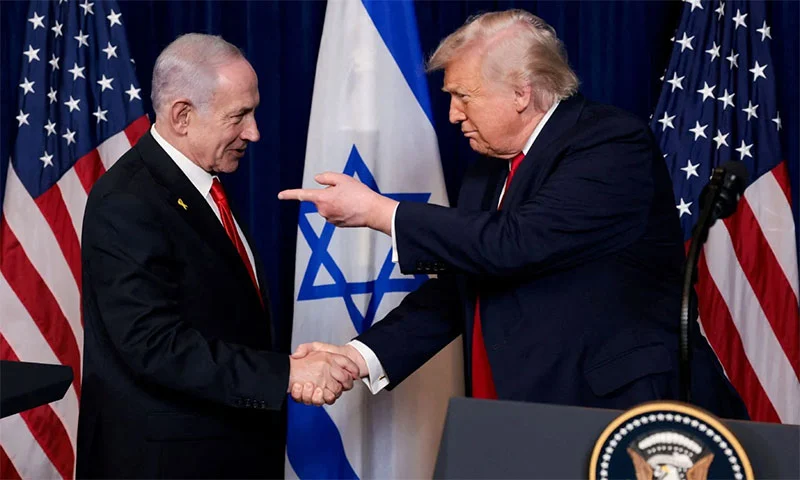
Trump Warns Netanyahu: ‘You Will Be on Your Own Very Soon’
US President Donald Trump has warned Israeli Prime Minister Benjamin Netanyahu that Israel could find itself isolated if it resumes military operations against Iran, as both countries pause attacks following their most serious escalation since an April ceasefire halted weeks of warfare. The warning highlights growing pressure from Washington to prevent a wider regional conflict at a time when diplomatic efforts continue behind the scenes to secure a lasting agreement between Tehran and Washington. Speaking to Axios, Trump revealed details of a recent conversation with Netanyahu and suggested that US patience with renewed military escalation was wearing thin. “I said, ‘Bibi, you better be careful, or you will be on your own very soon’,” Trump said. The remarks came after a sharp exchange of attacks between Israel and Iran over the weekend. The latest flare-up began on Sunday after Israeli strikes hit Lebanon’s capital Beirut. Iran responded with a barrage of missiles targeting northern Israel. Trump publicly called on both sides to stop the violence. Writing on his Truth Social platform, he demanded that both countries stop “shooting” and said that “final negotiations” toward peace would continue, “subject to ignorance or stupidity getting in its way”. According to media reports, Trump also personally contacted Netanyahu on Sunday evening and urged him not to retaliate further. Fresh Escalation Raises Regional Tensions Despite Trump’s intervention, Israeli forces launched strikes early Monday targeting Iranian air defence systems and a petrochemical facility. Iran responded by striking a similar facility in Haifa and targeting two Israeli airbases. Israeli defence systems intercepted many incoming missiles over the occupied West Bank. No deaths were reported from the latest exchange. The escalation complicated Trump’s efforts to preserve the ceasefire announced on April 8 following a conflict that began on February 28. In a televised address, Netanyahu defended Israel’s actions and insisted the country would continue protecting itself. “Israel has a full right to self-defence, and we are exercising it as required,” Netanyahu said. He claimed that Iranian attacks had ceased after Israeli operations and warned that Israel would respond strongly if Tehran resumed hostilities. Meanwhile, Israel’s ambassador to Washington, Yechiel Leiter, sought to minimise reports of friction between Trump and Netanyahu. “Sometimes, lovers have a spat,” Leiter told Fox News. Diplomacy Continues Amid Ongoing Violence Iranian officials blamed Washington for failing to prevent the escalation. “The US is directly responsible,” Iranian Foreign Ministry spokesman Esmaeil Baghaei said. Iran’s First Vice President Mohammad Reza Aref described Tehran’s military response as evidence of “a new level of deterrence from mighty Iran”. At the same time, diplomatic contacts remain active. Iranian President Masoud Pezeshkian said Tehran remains “at the negotiating table”, while Iran’s ambassador to the United Nations, Amir Saeid Iravani, confirmed that Pakistan continues to facilitate communication between Tehran and Washington. Iravani told The Associated Press that both sides are “presenting and exchanging views” and expressed hope that they would reach “a conclusion” soon. Pakistan’s Prime Minister Shehbaz Sharif also urged restraint and said efforts to secure a peaceful settlement continue “earnestly and painstakingly”. The fragile ceasefire faces additional pressure from other regional conflicts. Yemen’s Houthi movement has announced a complete ban on Israeli maritime navigation in the Red Sea, while Israeli strikes in southern Lebanon killed several people on Monday, according to Lebanese health authorities. Analysts say the coming days may determine whether diplomacy prevails or the region slides back toward a broader conflict.
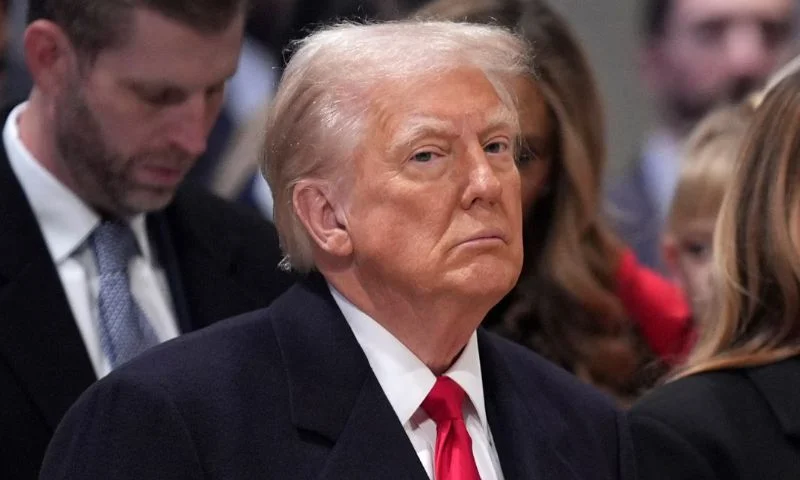
Trump Suffers Major Blow as Republican-Led House Votes to End Iran War
In a significant political setback for President Donald Trump, the Republican-led US House of Representatives on Wednesday approved a resolution aimed at ending American involvement in the war against Iran, reflecting growing unease within the president’s own party over a conflict that has stretched into its fourth month. The House voted 215-208 in favour of the war powers resolution, with four Republicans joining Democrats to support the measure. The resolution directs Trump to withdraw US troops from Iran unless Congress formally declares war or authorises the use of military force. Statement from Ranking Member @RepGregoryMeeks on the passage of his War Powers Resolution terminating U.S. hostilities against Iran: pic.twitter.com/ShtZ500Jzh — House Foreign Affairs Committee Dems (@HouseForeign) June 3, 2026 >The four Republicans who broke ranks were Representatives Tom Barrett of Michigan, Warren Davidson of Ohio, Brian Fitzpatrick of Pennsylvania and Thomas Massie of Kentucky. No Democrats voted against the measure, while seven House members did not cast votes. The vote marked the first time the Republican-controlled House has approved legislation seeking to force Trump to scale back military operations against Tehran since the conflict began following joint US-Israeli air strikes on Iran on February 28. Growing Republican Unease Although the resolution is largely symbolic for now, it represents a rare bipartisan challenge to presidential war powers and highlights increasing frustration in Congress over the administration’s handling of the conflict. The measure must still pass the Senate before it can take effect, and legal experts continue to debate whether such resolutions are constitutional. Three previous House attempts to curb Trump’s war powers failed by narrow margins. Last month, Republican leaders even postponed a scheduled vote when it appeared likely to pass. The Senate has also shown signs of shifting sentiment. In May, senators advanced a similar resolution in a procedural vote after several earlier efforts failed. Further action on that measure has not yet been scheduled. The House vote came amid broader Republican resistance to several Trump initiatives. On the same day, lawmakers advanced the Ukraine Support Act and criticised Trump’s choice of Bill Pulte, a mortgage regulator with no national security background, to serve as acting director of national intelligence. Debate Over War Powers Democrats argue that the US Constitution grants Congress, not the president, the authority to declare war. They have repeatedly called on Trump to seek congressional approval for military action against Iran. Lawmakers have also linked the conflict to rising prices for fuel, food and consumer goods, making economic concerns a major issue ahead of November’s midterm elections. US producer prices recorded their largest increase in four years in April as war-related costs climbed. “The passage of this WPR today signals a significant turning point: more and more Republicans are listening to their constituents who do not want another open-ended war in the Middle East,” Representative Gregory Meeks said after the vote. 🚨BREAKING🚨 The House just PASSED @RepGregoryMeeks‘ Iran War Powers Resolution. This is a loud and unambiguous message to Donald Trump on behalf of the American people: it’s time to end his deeply unpopular and illegal war of choice in Iran. pic.twitter.com/xhHU1djuzp — House Foreign Affairs Committee Dems (@HouseForeign) June 3, 2026 In a separate statement, House Foreign Affairs Committee Democrats declared: “This is a loud and unambiguous message to Donald Trump on behalf of the American people: it’s time to end his deeply unpopular and illegal war of choice in Iran.” The Trump administration has defended the military campaign, arguing that it is necessary to prevent Iran from developing a nuclear weapon and to protect US national security interests. Republican critics of the resolution dismissed it as political grandstanding designed to weaken the president.
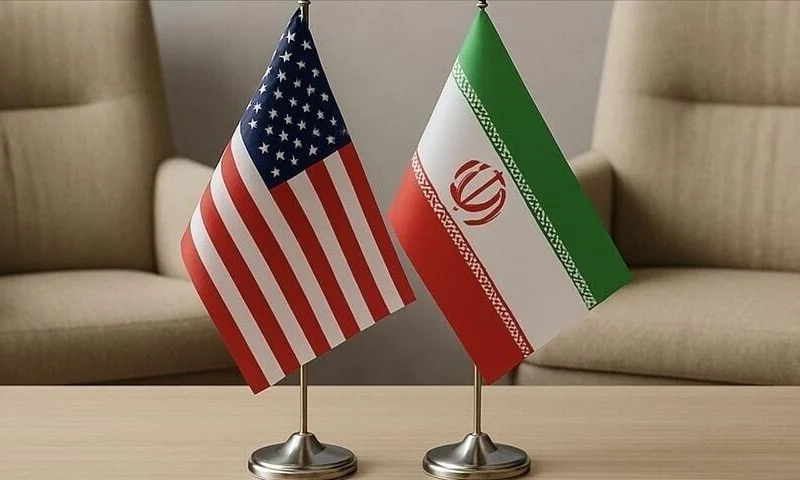
Iran Reviews US Offer While Trump Signals Fast End to Conflict
US President Donald Trump said the ongoing conflict involving Iran could end “quickly,” while Tehran confirmed it was still reviewing a US proposal delivered through Pakistani mediation aimed at easing tensions over the Strait of Hormuz and Iran’s nuclear programme. Speaking during a tele-rally for Georgia Republican governor candidate Burt Jones, Trump defended Washington’s actions and framed them around Iran’s nuclear ambitions. Read More: Iran and US Close to Gulf War Agreement, Report Says “When you look at the kind of things that are happening, we are doing that for one very important reason: We cannot allow them to have a nuclear weapon,” Trump said. “So I think most people understand that. They understand that what we are doing is right, and it’ll be over quickly.” His remarks came as diplomatic activity intensified behind the scenes following weeks of military escalation and growing fears over disruptions in global oil shipping routes through the Strait of Hormuz, one of the world’s most critical energy corridors. Iran says proposal still under review Iran’s Foreign Ministry spokesman Esmaeil Baghaei told Iran’s semi-official ISNA news agency on Wednesday that Tehran had not yet reached a final decision on the latest US proposal. Baghaei said the message conveyed through Pakistani mediation remained under review and that Iran would communicate its official response after completing internal assessments. @IRIMFA_SPOX told #ISNA that the #US plan and proposal remain under consideration, and once #Iran concludes its assessment, it will convey its views to the Pakistani side.https://t.co/EU6Z4mx3Do pic.twitter.com/HTA4HDuhRj— Isna English (@Isna_English) May 6, 2026 According to ISNA, parts of a report published by US outlet Axios regarding a possible breakthrough agreement between Tehran and Washington amounted to “media speculation.” The agency added that Iran’s negotiating team remained focused on “ending the war completely.” The report also said nuclear issues “were not under discussion at this stage” of negotiations. Iran’s semi-official Tasnim News Agency separately reported that Tehran had not formally responded because several provisions in the US proposal were viewed as unacceptable. Baghaei had earlier said during a Monday press conference that Washington continued to present “unreasonable demands,” despite ongoing diplomatic contacts through intermediaries. He also addressed reports surrounding Iran’s reported “14-point initiative,” saying issues involving uranium enrichment and nuclear material remained speculative and had not reached any final understanding. Hormuz, sanctions and inspections central to talks Earlier Wednesday, Axios reported that Iran and the US were moving closer to a preliminary understanding that could halt the current conflict and open broader negotiations. According to the report, the proposed memorandum would formally end hostilities and launch a 30-day negotiation process covering the Strait of Hormuz, Iran’s nuclear programme and sanctions relief. Axios said discussions included a temporary moratorium on uranium enrichment, phased sanctions relief and expanded international inspections of Iran’s nuclear facilities. However, the report stressed that negotiators had not finalised any agreement. The developments come as international concern grows over potential disruption to shipping through the Strait of Hormuz, a narrow waterway through which roughly one-fifth of global oil supplies pass. Energy markets have remained volatile amid fears that a prolonged conflict could trigger wider regional instability. Read More: US pauses ‘Project Freedom’ amid breakthrough talks with Iran Pakistan has not publicly disclosed details of its mediation role, but Iranian officials have repeatedly acknowledged that messages between Tehran and Washington were being exchanged through Pakistani channels. Analysts say any temporary understanding between the two sides could help ease military tensions in the Gulf and stabilise global energy prices, though significant disagreements over Iran’s nuclear activities remain unresolved.
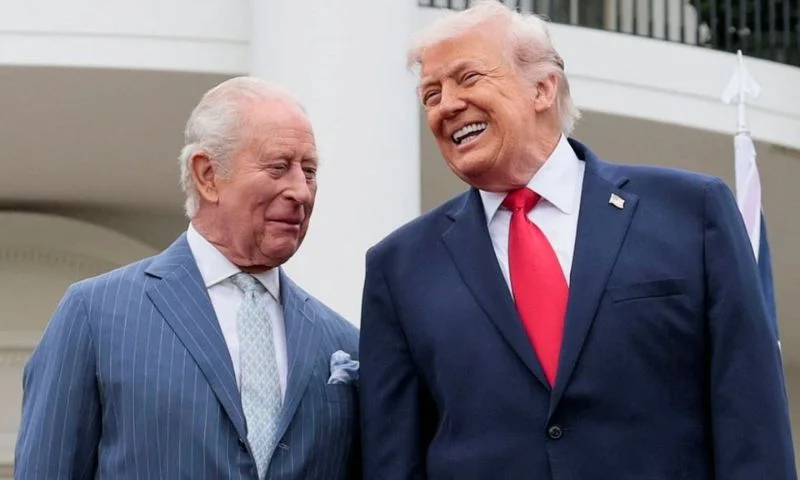
“You’d Be Speaking French”: Charles Teases Trump in Viral Moment
King Charles jokes about Trump at White House dinner during a high-profile state visit, as the British monarch used humor to reference past comments by Donald Trump and underline the long-standing alliance between the United States and the United Kingdom. Speaking at a formal dinner in the East Room of the White House on April 28, King Charles III responded to Trump’s earlier remarks about World War II. “You recently commented, Mr. President, that if it were not for the United States, European countries would be speaking German,” Charles said. He added, “Dare I say that, if it wasn’t for us, you’d be speaking French.” The comment drew laughter from the audience and echoed Trump’s statement at the Davos summit in January, where he said that without US help in World War II, “you’d be speaking German and a little Japanese.” Read More: “He’s So Cute”: Trump Says His Mother Had a Crush on King Charles Jokes reflect history and diplomacy Charles framed his remarks within a historical context, referring to British and French colonial influence in North America before US independence. Britain and France competed for control of the continent, shaping early cultural and linguistic influences. The monarch continued with further lighthearted references. He joked about renovations at the White House, noting recent structural changes linked to Trump’s plans for a $400 million ballroom. “I am sorry to say that we British, of course, made our own attempt at real estate redevelopment of the White House in 1814,” Charles said, referencing the burning of the building by British troops during the War of 1812. He also described the evening as “a very considerable improvement on the Boston Tea Party,” referring to the 1773 protest that became a defining moment in American history. Despite the humor, the tone of the evening emphasized the “special relationship” between London and Washington. Both sides highlighted shared history and cooperation, even as tensions persist over issues such as Iran. Gift and political undertones Charles presented Trump with a symbolic gift during the dinner. He handed over the bell from the British submarine HMS Trump, which was launched in 1944 during World War II. “May it stand as a testimony to our nations’ shared history and shining future,” Charles said. He added, “And should you ever need to get hold of us, well, just give us a ring.” Trump responded with his own remarks, praising the monarch’s earlier speech to Congress. “I want to congratulate Charles on having made a fantastic speech today at Congress,” he said. “He got the Democrats to stand – I’ve never been able to do that.” The exchange took place against a backdrop of geopolitical tension, particularly over the conflict involving Iran. Trump has criticized European allies in recent months, including British Prime Minister Keir Starmer, over defense cooperation. Analysts say the humor displayed at the dinner served a diplomatic purpose. It reinforced personal rapport while signaling continuity in US-UK relations. The evening combined symbolism, history, and politics, illustrating how ceremonial events often carry deeper strategic meaning. The exchange between Charles and Trump captured global attention, blending wit with diplomacy at a moment of international focus.

Iran Declares Strait of Hormuz Open For Commercial Ships During Ceasefire Period
Iran has announced that the Strait of Hormuz is now “completely open” for commercial shipping, in a development that signals easing tensions in one of the world’s most critical energy chokepoints. In a statement on X, Iranian Foreign Minister Abbas Araghchi announced that, in line with the Lebanon ceasefire, all commercial shipping through the Strait of Hormuz has been fully reopened for the duration of the truce, with vessels required to follow routes coordinated and previously designated by Iran’s Ports and Maritime Organisation. The statement comes after days of heightened uncertainty over maritime security in the Gulf, which had raised fears of supply disruptions and triggered volatility in global oil markets. https://Twitter.com/araghchi/status/2045121573124759713 Iranian authorities said normal navigation had resumed and that international vessels could pass through the strategic waterway without restrictions. The Strait of Hormuz handles nearly a fifth of global oil shipments, making any disruption a major concern for energy-importing countries and financial markets. Vital Trade Route Reopens Officials in Tehran emphasized that commercial vessels are now moving safely through the corridor, describing the situation as stable following recent diplomatic engagement. The reopening follows a period of tension that had seen increased military presence in the region, including deployments by the United States and its allies. Analysts say even short-lived disruptions in the strait can have outsized effects on oil prices and shipping insurance costs. The development has already begun to calm markets, with traders viewing the announcement as a sign that immediate risks to energy flows have subsided. Shipping companies had earlier exercised caution, with some vessels rerouting or delaying transit amid security concerns. Diplomatic Signals and Regional Impact The easing of tensions comes alongside renewed diplomatic activity involving regional and global stakeholders. Pakistan has emerged as a potential venue for continued engagement between Washington and Tehran. A day earlier, US President Donald Trump said he could personally visit Pakistan if negotiations with Iran progress successfully, highlighting Islamabad’s growing role in facilitating dialogue. Trump described the situation as a “big opportunity for peace,” adding that diplomatic channels were actively being pursued to prevent further escalation. Regional observers say Pakistan’s involvement reflects a broader shift toward mediation efforts by middle powers, particularly in conflicts that carry global economic implications. The reopening of the strait is expected to provide immediate relief to energy-importing nations, including those in Asia that rely heavily on Gulf oil supplies. Countries such as China, India and Japan are among the largest consumers affected by disruptions in Hormuz. Markets React, Risks Remain While the announcement has reduced immediate fears, analysts caution that underlying geopolitical risks have not fully disappeared. The Gulf remains a sensitive flashpoint, with long-standing tensions between Iran and Western powers. Energy markets are likely to remain alert to any renewed escalation, particularly given the strategic importance of the strait. Even minor incidents in the area can quickly translate into price spikes and supply chain disruptions. For now, however, the reopening offers a measure of stability at a time when global markets have been grappling with inflationary pressures linked to energy costs. The coming days are expected to test whether the diplomatic momentum can be sustained and whether confidence in maritime security in the Gulf can be fully restored.
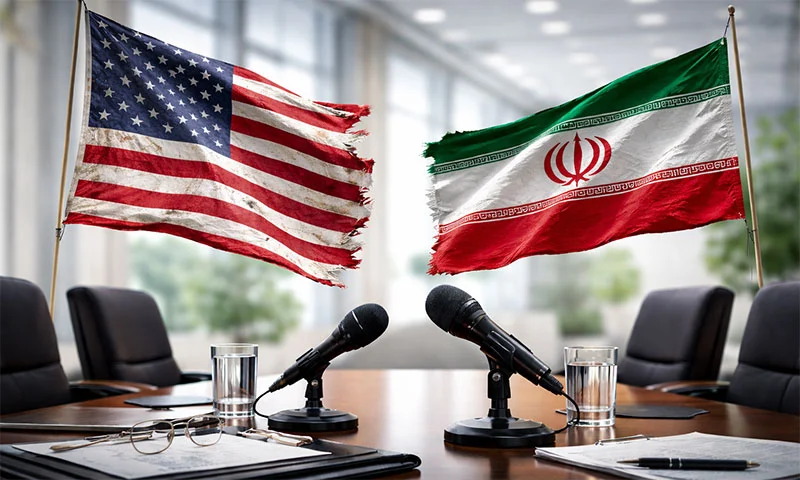
No Breakthrough in US-Iran Talks: Here’s What Both Sides Said After Islamabad Meeting
The United States and Iran exchanged sharp statements after high-stakes talks in Islamabad ended without a breakthrough, with both sides blaming each other for the failure to reach an agreement and casting uncertainty over the fragile ceasefire. The negotiations, held in Pakistan’s capital and lasting several hours, were aimed at extending a two-week halt in hostilities following recent escalation in the region. However, the talks concluded without consensus on key issues, including sanctions relief, regional security concerns and broader strategic commitments. US says Iran rejected key proposals US officials said Tehran failed to accept what they described as a clear and comprehensive proposal put forward during the negotiations. Vice President JD Vance said Iran was not willing to move forward on terms that Washington considered essential for progress. According to the US position, any agreement required meaningful steps from Iran, including commitments related to regional stability and confidence-building measures. Officials indicated that the lack of agreement on these points prevented the talks from moving toward a formal deal. President Donald Trump also signalled a firm stance following the outcome, warning that further options remained on the table if diplomacy failed to deliver results. Iran accuses US of inflexibility Iranian officials, however, rejected the US narrative and blamed Washington for the deadlock, saying the American side presented unrealistic and uncompromising demands during the discussions. Members of the Iranian delegation said the US approach lacked the flexibility needed for meaningful negotiations and failed to build trust. They stressed that any sustainable agreement would require mutual respect and a willingness to accommodate core concerns on both sides. Iranian representatives also indicated that they did not expect a final agreement in a single round of talks, suggesting that further engagement would be necessary to bridge differences. Uncertainty after diplomatic setback The collapse of the talks has added fresh uncertainty to an already tense situation, with the current ceasefire timeline approaching its end. Diplomats and observers say the exchange of blame highlights the deep divisions that remain between the two sides. Pakistan, which hosted the talks and played a facilitating role in bringing both parties to the table, has reiterated its commitment to supporting dialogue and helping both sides move toward a lasting and durable solution. Despite the setback, diplomatic channels are expected to remain open, with the possibility of further rounds of negotiations in the coming days. However, the immediate focus has shifted to whether the ceasefire can hold amid rising tensions and competing narratives. The outcome of the Islamabad talks underscores the challenges of resolving a complex conflict shaped by longstanding mistrust, even as international stakeholders continue to push for de-escalation
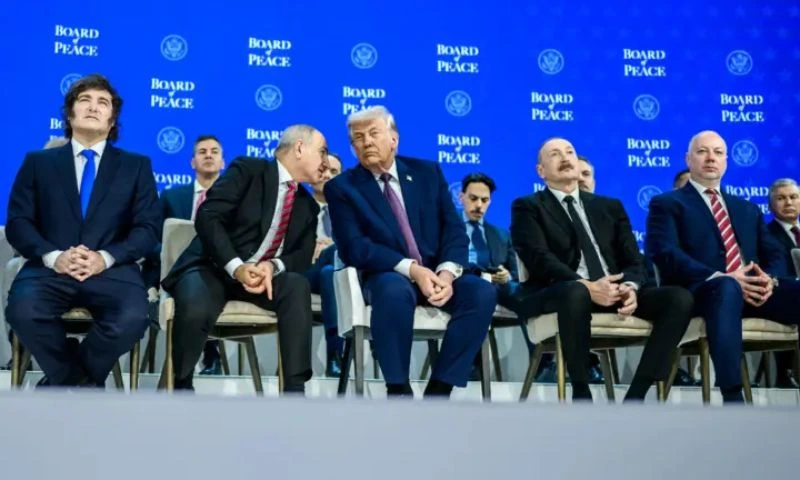
Trump Leads First Board of Peace Meeting: The Global Peace Plan Faces Criticism
U.S. President Donald Trump presided over the inaugural meeting of the Board of Peace in Washington, D.C., on Thursday, bringing together leaders and senior officials from more than 40 countries to discuss Gaza’s future and the complex task of rebuilding the war-torn Palestinian territory. The event, held at the U.S. Institute of Peace, was marked by big funding pledges alongside unresolved political and security questions about Gaza’s stability and Hamas’s disarmament. Major Funding and Commitments Trump announced significant financial support during the session. He said that the United States would contribute $10 billion to the Board of Peace, and participating nations had pledged an additional $7 billion for Gaza reconstruction and humanitarian relief. Some donors included Kazakhstan, Azerbaijan, UAE, Morocco, Bahrain, Qatar, Saudi Arabia, Uzbekistan and Kuwait. The funds are aimed at addressing the immense humanitarian and infrastructure needs in Gaza following more than two years of conflict that devastated homes, schools and basic services. The rebuilding effort is expected to cost tens of billions of dollars, with international institutions previously estimating as much as $70 billion will be needed. Trump also highlighted plans for an International Stabilization Force and broader security commitments. Several countries pledged personnel for this mission, which would work to maintain order while reconstruction gets under way. Read More: Gaza After the War: Trump Assembles US-Led Board, Appoints Blair and Military Chief Political Challenges and Criticism Despite high-profile backing, many major Western nations chose not to participate formally in the board, signaling skepticism about its mandate and independence. Some countries, including European states, declined to join as members, citing concerns that the Board of Peace could undermine the United Nations’ role in resolving conflicts. Trump addressed these concerns directly, saying the United States would continue to work with the United Nations and help make it “stronger and more viable.” He stated, “I think the United Nations has great potential, really great potential. It has not lived up to that potential.” Critics warn that the Board’s structure places broad authority in the hands of its chairman, Trump, and that Palestinian interests—especially those of Hamas and Gaza’s civilians—are limited in representation. The Board currently includes Israel but lacks official Palestinian participation, a point of contention raised by analysts and international observers. Read More: Netanyahu Meets Trump in Florida as Gaza Ceasefire and Iran Tensions Take Center Stage Statements from the Ground While global leaders deliberated in Washington, Hamas and local groups in Gaza have urged the Board to focus on stopping violence and reopening humanitarian access. Hamas calls for lifting the siege on Gaza and enabling full reconstruction and relief efforts to begin without restrictions. Other unresolved issues include Hamas’s disarmament, the withdrawal of Israeli troops from Gaza, and the organization and distribution of aid. These factors remain major obstacles in achieving lasting peace and establishing a stable governing framework for Gaza’s future. A Pivotal Moment The Board of Peace represents a new diplomatic attempt to manage post-war recovery and stabilize a region long marred by conflict. Whether this initiative will succeed in forging consensus among diverse stakeholders remains to be seen. For Palestinians and the region at large, the outcomes of this first meeting could shape the next phase of Gaza’s recovery and future security.
