
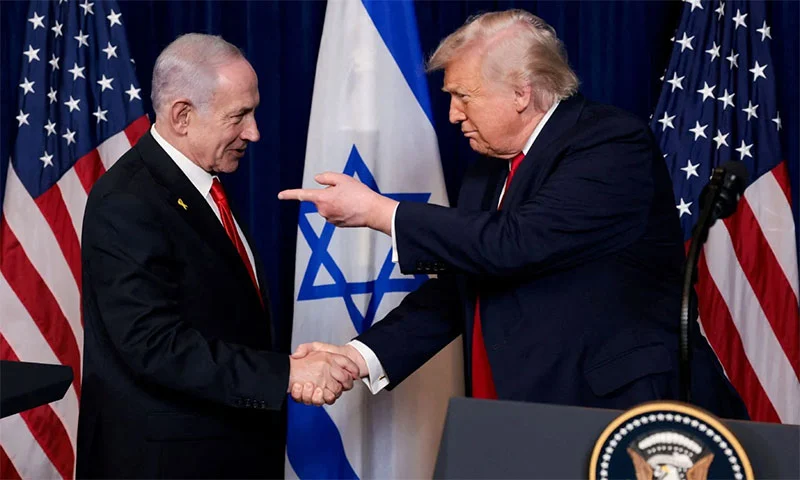
US President Donald Trump has warned Israeli Prime Minister Benjamin Netanyahu that Israel could find itself isolated if it resumes military operations against Iran, as both countries pause attacks following their most serious escalation since an April ceasefire halted weeks of warfare.
The warning highlights growing pressure from Washington to prevent a wider regional conflict at a time when diplomatic efforts continue behind the scenes to secure a lasting agreement between Tehran and Washington.
Speaking to Axios, Trump revealed details of a recent conversation with Netanyahu and suggested that US patience with renewed military escalation was wearing thin.
“I said, ‘Bibi, you better be careful, or you will be on your own very soon’,” Trump said.
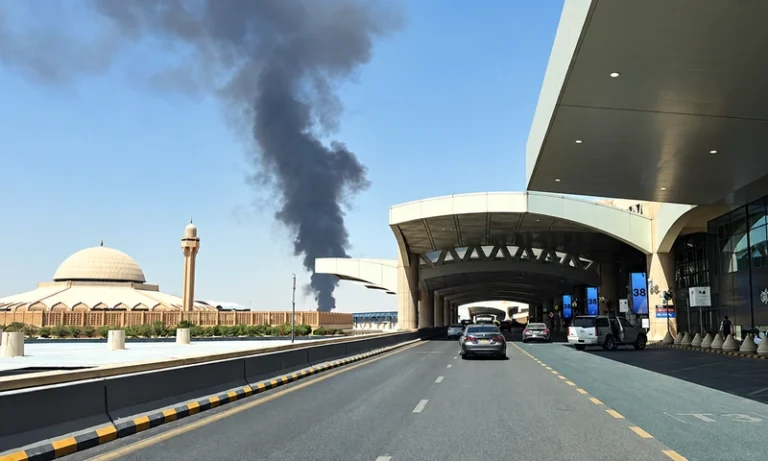
The remarks came after a sharp exchange of attacks between Israel and Iran over the weekend. The latest flare-up began on Sunday after Israeli strikes hit Lebanon’s capital Beirut. Iran responded with a barrage of missiles targeting northern Israel.
Trump publicly called on both sides to stop the violence. Writing on his Truth Social platform, he demanded that both countries stop “shooting” and said that “final negotiations” toward peace would continue, “subject to ignorance or stupidity getting in its way”.
According to media reports, Trump also personally contacted Netanyahu on Sunday evening and urged him not to retaliate further.
Fresh Escalation Raises Regional Tensions
Despite Trump’s intervention, Israeli forces launched strikes early Monday targeting Iranian air defence systems and a petrochemical facility.
Iran responded by striking a similar facility in Haifa and targeting two Israeli airbases. Israeli defence systems intercepted many incoming missiles over the occupied West Bank.
No deaths were reported from the latest exchange.
The escalation complicated Trump’s efforts to preserve the ceasefire announced on April 8 following a conflict that began on February 28.
In a televised address, Netanyahu defended Israel’s actions and insisted the country would continue protecting itself.
“Israel has a full right to self-defence, and we are exercising it as required,” Netanyahu said.
He claimed that Iranian attacks had ceased after Israeli operations and warned that Israel would respond strongly if Tehran resumed hostilities.
Meanwhile, Israel’s ambassador to Washington, Yechiel Leiter, sought to minimise reports of friction between Trump and Netanyahu.
“Sometimes, lovers have a spat,” Leiter told Fox News.
Diplomacy Continues Amid Ongoing Violence
Iranian officials blamed Washington for failing to prevent the escalation.
“The US is directly responsible,” Iranian Foreign Ministry spokesman Esmaeil Baghaei said.
Iran’s First Vice President Mohammad Reza Aref described Tehran’s military response as evidence of “a new level of deterrence from mighty Iran”.
At the same time, diplomatic contacts remain active. Iranian President Masoud Pezeshkian said Tehran remains “at the negotiating table”, while Iran’s ambassador to the United Nations, Amir Saeid Iravani, confirmed that Pakistan continues to facilitate communication between Tehran and Washington.
Iravani told The Associated Press that both sides are “presenting and exchanging views” and expressed hope that they would reach “a conclusion” soon.
Pakistan’s Prime Minister Shehbaz Sharif also urged restraint and said efforts to secure a peaceful settlement continue “earnestly and painstakingly”.
The fragile ceasefire faces additional pressure from other regional conflicts. Yemen’s Houthi movement has announced a complete ban on Israeli maritime navigation in the Red Sea, while Israeli strikes in southern Lebanon killed several people on Monday, according to Lebanese health authorities.
Analysts say the coming days may determine whether diplomacy prevails or the region slides back toward a broader conflict.